
Sauces & Condiments
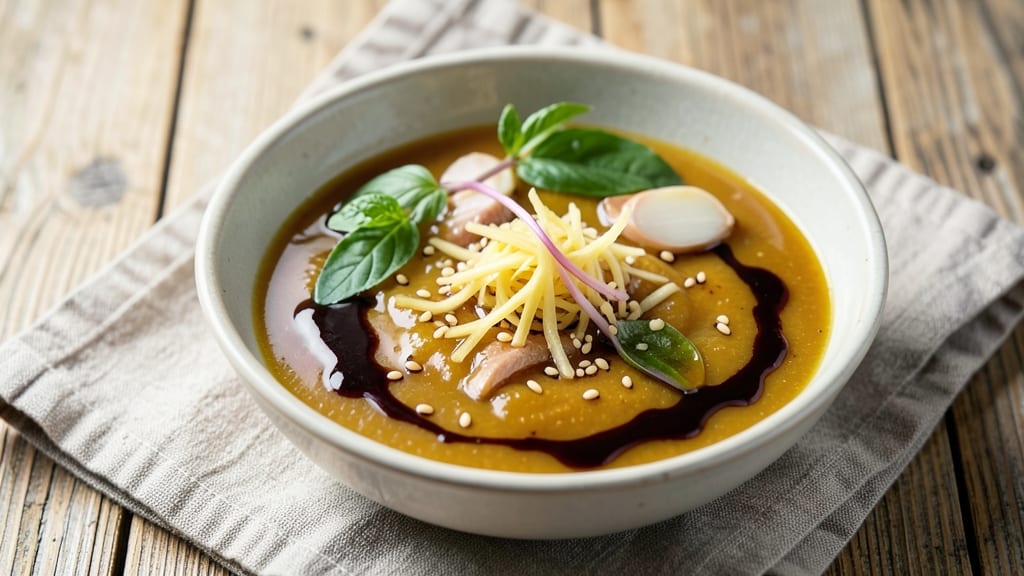
This Asian ginger sauce recipe transforms simple ingredients into a vibrant, aromatic sauce that elevates stir-fries, marinades, and dipping dishes with its perfect balance of zesty, sweet, and umami flavors.
The secret lies in fresh ginger—grated and simmered to unlock its fiery depth—paired with soy sauce, honey, and garlic for a harmonious blend that’s both bold and versatile.
I developed this sauce after craving that restaurant-quality tang in my home cooking, and it’s now my go-to for adding instant brightness to any dish.
The beauty of this sauce is its adaptability—use it as a marinade for tofu or chicken, a dipping sauce for spring rolls, or a glaze for stir-fried vegetables.
The recipe calls for just 7 core ingredients, including rice vinegar for acidity and optional lemongrass or chili for extra layers of flavor. Simmering the mixture until fragrant (not boiling) ensures the ginger’s pungency softens into a smooth, velvety texture that coats every bite.
What sets this sauce apart is its customizable heat and sweetness—adjust the honey to your taste or add a dash of chili flakes for a spicy kick.
The sauce keeps beautifully in the fridge for up to 2 weeks, making it a perfect pantry staple for quick weeknight meals. Once you taste the way it enhances crispy noodles or tender proteins, you’ll never reach for store-bought again.
Ready to master this sauce? It’s a game-changer for home cooks who want restaurant-quality flavor without the fuss. Let’s get started—your taste buds (and dinner table) will thank you.
Ingredients for asian ginger sauce
Seven simple ingredients unlock restaurant-quality flavor in this versatile sauce.
| Ingredient | Amount | Notes |
|---|---|---|
| Fresh Ginger Root 🌿 | ½ cup | Finely grated, skin removed |
| Low-Sodium Soy Sauce 🍶 | ⅓ cup | For umami depth |
| Honey 🍯 | ¼ cup | Adjust for sweetness preference |
| Rice Vinegar 🍶 | ¼ cup | For tangy brightness |
| Garlic Cloves 🧄 | 4 cloves | Minced for aromatic punch |
| Sesame Oil 🫒 | 1 tbsp | Toasted for nutty aroma |
| Water 💧 | ½ cup | For smooth consistency |
| Red Chili Flakes 🌶️ | 1 tsp | Optional for heat |
| Lemongrass Stalk 🌿 | 1 whole | Bruised for fragrance |
Fresh ginger is non-negotiable here—look for knobby, firm roots with no soft spots. Whole Foods or Asian markets usually have the freshest, but the regular grocery store works too if it's labeled 'organic'. Grate it yourself (the good stuff, not the pre-grated kind)—it makes all the difference. The lemongrass? Bruise it gently with the side of your knife before adding to release its oils. If you can't find it, skip it—this sauce still shines without it. For soy sauce, Kikkoman or San-J is my go-to, but any low-sodium brand works.
No honey? Maple syrup or agave are perfect swaps—just reduce the water slightly since they're thicker. Short on rice vinegar? Apple cider vinegar works in a pinch, but it'll taste slightly different. The garlic can be minced with a knife or pulsed in a food processor—just don't overdo it. Sesame oil is where the magic happens—toast it gently in a dry pan first if you want to deepen that nutty aroma. Want more heat? Add another teaspoon of chili flakes or a dash of Sriracha. The sauce thickens as it cools, so if it seems too thin while simmering, just let it sit for 10 minutes before tasting.
This sauce keeps beautifully—2 weeks in the fridge sealed in a jar. For extra shelf life, pour a thin layer of olive oil on top before sealing. It freezes well too, though the texture might get slightly grainy after thawing. I like to make a double batch and freeze half—perfect for quick weeknight stir-fries. The flavor actually improves after a day or two as everything mellows together. Store it in a glass jar for best results, and always give it a good stir before using since the ginger sometimes settles.
Why You'll Love This Recipe
- Here’s what sold me: I make a big batch on Sundays, and suddenly I’ve got emergency flavor for takeout nights, quick lunches, or when my kid’s soccer team shows up hungry. It keeps in the fridge for a week, and honestly? The longer it sits, the better it tastes—like it’s marinating in its own deliciousness.
- Five-Ingredient Magic: I swear, this sauce comes together while I’m still debating what to make for dinner. Grate the ginger, mince the garlic, toss in the soy, vinegar, and honey—no fancy gadgets, no stress. The kind of recipe that makes me feel like a chef even when I’m wearing pajamas.
- Sweet-Spicy Balance: That honey cutting through the ginger’s kick? Chef’s kiss. The rice vinegar brightens it up so it doesn’t feel heavy, and the garlic? Oh, it’s the little flavor bomb that makes this sauce work for everything—stir-fries, grilled chicken, even drizzled over rice like a lazy person’s teriyaki.
- Meal Prep MVP: Here’s what sold me: I make a big batch on Sundays, and suddenly I’ve got emergency flavor for takeout nights, quick lunches, or when my kid’s soccer team shows up hungry. It keeps in the fridge for a week, and honestly? The longer it sits, the better it tastes—like it’s marinating in its own deliciousness.
Step-by-step instructions for Asian ginger sauce
Here's how to make this vibrant sauce that balances sweet, tangy, and spicy notes perfectly.
Toast the Sesame Oil and Prepare Aromatics
Heat a small saucepan over medium-low heat and add the 1 tablespoon sesame oil. Let it warm for 30 seconds until you can smell that nutty aroma—this is key for developing the sauce's depth. Remove the pan from heat immediately after toasting the oil, as it burns quickly.
While the oil cools slightly, peel the 0.5 cup fresh ginger root and grate it finely using the small holes of a box grater. You should end up with about ½ cup grated ginger—pack it tightly into a measuring cup to verify. Next, bruise the 1 whole lemongrass stalk by gently pounding it with the side of a knife or rolling it under your palm to release its citrusy fragrance. Finally, mince the 4 cloves garlic into a fine paste using the flat side of your knife.
Combine Wet Ingredients and Simmer
In a medium saucepan, combine the toasted sesame oil, grated ginger, bruised lemongrass, minced garlic, 0.33 cup low-sodium soy sauce, 0.25 cup honey, 0.25 cup rice vinegar, and 0.5 cup water. Bring the mixture to a gentle simmer over medium heat, then reduce the heat to low to maintain a steady bubble.
Let the sauce simmer uncovered for 10-12 minutes, stirring occasionally, until it thickens slightly and the liquid reduces by about 25%. You'll notice the aroma intensify as the flavors meld together. The sauce should coat the back of a spoon smoothly—this indicates it's ready for the final touches.
Add Chili Flakes and Adjust Consistency
Stir in the 1 teaspoon red chili flakes and simmer for an additional 2-3 minutes to distribute the heat evenly. Taste the sauce and adjust the balance: if it needs more sweetness, add a touch more honey; if it's too sharp, a splash of water will help. For extra brightness, you can add a squeeze of lime juice, though it wasn't in the original ingredients.
For a smoother texture, strain the sauce through a fine-mesh sieve into a clean bowl, pressing gently on the solids to extract all the liquid. If you prefer a slightly textured sauce, simply let it cool in the saucepan. The sauce will thicken further as it cools, so don't worry if it looks a bit loose while warm.
Cool and Store for Maximum Flavor
Let the sauce cool to room temperature, stirring occasionally. The flavors will deepen and mellow as it cools, creating that perfect balance of sweet, tangy, and spicy notes. For best results, store the sauce in an airtight container in the refrigerator for up to 5 days, or freeze for up to 3 months.
This sauce is incredibly versatile—drizzle it over stir-fries, use it as a dipping sauce for spring rolls, or toss it with noodles for an instant flavor boost. The bright ginger and lemongrass flavors make it a standout addition to any Asian-inspired dish.
Pro Tips For Making Asian Ginger Sauce
- PEEL GINGER LIKE A PRO: Skip the knife and use a spoon—press the edge of a spoon against the ginger’s skin to pop it off in one clean sheet. No peeling? No problem, but scrub it well first if you’re lazy (I’ve done it).
- COOK GARLIC LOW AND SLOW: Add garlic last, then immediately turn the heat down to medium-low. Burnt garlic ruins everything, and this sauce is all about balance. Watch it like a hawk—it takes 30 seconds max to soften.
- MEASURE HONEY BY WEIGHT: That "2 tablespoons" of honey? It’s not the same every time. Use a kitchen scale for 30 grams—it’s the only way to guarantee that sweet-tangy harmony without guessing.
- SIMMER THE SOY SAUCE: Don’t just dump it in cold. Heat the soy sauce with the ginger first for 30 seconds—it deepens the flavor and cuts through the honey’s cloying edge. Trust me, your taste buds will notice.
Serving suggestions for asian ginger sauce
Stir-Fry Glazes
Use this sauce as a stir-fry glaze by thinning it slightly with 1 tablespoon water per ¼ cup sauce. Toss with shrimp, chicken, or tofu and cook over high heat for 3-4 minutes until the sauce caramelizes slightly.
I love pairing it with bell peppers and snap peas for a vibrant, colorful dish. 🔥
For extra richness, add 1 teaspoon toasted sesame seeds at the end of cooking. The sauce’s natural stickiness helps create a glossy finish that clings perfectly to proteins and vegetables. Serve immediately for the best texture and flavor impact.
Dipping Sauce
Serve this sauce chilled as a dipping sauce for spring rolls, dumplings, or grilled skewers. Its balanced sweetness and tang make it perfect for pork spring rolls or vegetable pakoras. I often drizzle it lightly over edamame for a quick, protein-packed snack. ✨
For a creamy twist, stir in 1 tablespoon coconut milk or Greek yogurt just before serving. This adds a silky texture that contrasts beautifully with crispy fried foods. Keep it in a small bowl at room temperature for easy dipping.
Marinade Magic
Use this sauce as a marinade for chicken, pork, or tofu—let it sit for 30-60 minutes before cooking. The ginger and garlic tenderize the protein while adding incredible flavor. I marinate boneless chicken thighs for 45 minutes, then grill or pan-sear until crispy. 💫
For extra tenderness, add 1 tablespoon cornstarch to the marinade to help create a sticky, caramelized crust. This works especially well with pork belly or salmon fillets for a restaurant-quality finish.
Noodle Elevator
Toss this sauce with cooked ramen, soba, or rice noodles for an instant flavor upgrade. Add a splash of hot water to loosen the sauce slightly before mixing. I love pairing it with quick-pickled cucumbers for a refreshing contrast. 💡
For a heartier dish, stir in soft-boiled eggs or shredded chicken after cooking. The sauce’s bright flavors cut through the richness of the noodles beautifully, making it a perfect weeknight dinner.
Garnish Ideas
Finish your dish with sesame seeds, sliced green onions, or cilantro for freshness. A sprinkle of toasted shallots adds a nutty crunch that complements the sauce’s brightness. I also love adding crushed peanuts for texture. 🌟
For a pop of color, drizzle with a tiny bit of chili oil or sriracha just before serving. This adds visual appeal and an extra layer of heat that pairs perfectly with the sauce’s sweet and tangy notes.
Nutrition facts
Frequently asked questions
Can I make this sauce without fresh ginger?
Fresh ginger is ideal for that bright, zesty flavor, but you can substitute with 1 tablespoon ground ginger or 2 teaspoons ginger powder. However, the texture and depth won't be quite the same—fresh ginger releases its oils when simmered, creating a smoother, more aromatic sauce. If you must use powdered, add it at the very end of cooking to preserve its punch.
How do I adjust the sweetness or spice level?
Start with the recipe as written, then tweak to taste. For more sweetness, add 1-2 teaspoons honey at a time. For heat, increase the chili flakes by ½ teaspoon increments—or add a pinch of cayenne pepper for a smoother burn. The sauce thickens as it cools, so don't worry if it seems thin while warm.
What’s the best way to store leftover sauce?
Transfer to an airtight container and refrigerate for up to 2 weeks. For longer storage, freeze in ice cube trays or small portions—thaw overnight in the fridge. The sauce may slightly separate when refrigerated, so give it a good stir before using. To extend shelf life, add a thin layer of olive oil on top before sealing.
Can I use this sauce in cold dishes?
This sauce works perfectly in cold dishes like summer rolls, cucumber salads, or as a marinade for cold noodle bowls. For a refreshing twist, chill the sauce completely before using—its bright flavors shine even more when served cold. Just avoid adding it to dishes with dairy, as the acidity may cause curdling.
Why did my sauce turn cloudy or separate?
Cloudiness often happens if the sauce sits too long at room temperature or if the ginger wasn’t fully incorporated. Stir well and reheat gently to restore smoothness. Separation can occur if the sauce cools too quickly—simmer it again for 2-3 minutes to recombine. For extra insurance, whisk in 1 teaspoon cornstarch mixed with water before reheating.