
Sauces & Condiments
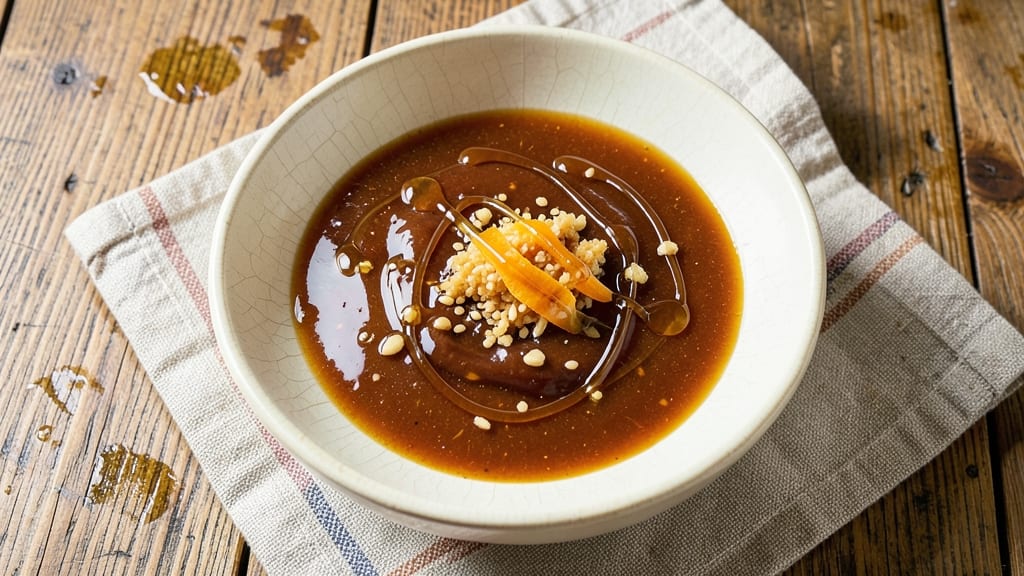
This Asian honey sauce recipe transforms simple stir-fries into restaurant-quality meals with just a few pantry staples. The secret lies in balancing honey's sweetness with tangy soy and vinegar, creating a glossy glaze that clings perfectly to proteins and vegetables.
I've perfected this sauce over years of testing—it's sweet enough to satisfy cravings but never overpowering, with just a hint of umami depth that elevates every dish it touches.
The magic happens during the simmering process, where aromatics like garlic and ginger infuse the sauce with warmth before reducing into a concentrated, flavorful liquid.
What sets this recipe apart is its versatility—drizzle it over grilled chicken, toss it with roasted vegetables, or even use it as a dessert glaze for baked apples. The sauce keeps beautifully in the fridge, making it perfect for meal prep and spontaneous cooking sessions.
What you'll end up with is a glossy, sticky sauce that's both complex and approachable, with a perfect harmony of sweet, salty, and tangy notes. The texture is just thick enough to coat without being heavy, ensuring every bite delivers that signature Asian restaurant flavor.
This isn't just another honey glaze—it's a game-changer for home cooks looking to add professional-level depth to their meals.
Once you try this sauce, you'll never reach for store-bought versions again. The ingredients are simple, the technique is straightforward, and the results are consistently impressive. Whether you're cooking for a weeknight dinner or prepping for a holiday feast, this honey sauce will become your new kitchen essential.
Let's get started on creating something truly special.
Ingredients for asian honey sauce
Eight simple ingredients transform into a restaurant-worthy Asian honey sauce.
| Ingredient | Amount | Notes |
|---|---|---|
| Honey 🍯 | ½ cup | Raw or pure preferred |
| Soy Sauce 🍶 | ⅓ cup | Low-sodium preferred |
| Rice Vinegar 🍶 | ¼ cup | White or seasoned variety |
| Garlic Cloves 🧄 | 4 cloves | Minced for aromatic infusion |
| Fresh Ginger 🌿 | 2 tbsp | Finely grated, peel removed |
| Sesame Oil 🫒 | 1 tbsp | Toasted for nutty depth |
| Cornstarch 🌾 | 1 tbsp | For thickening consistency |
| Water 💧 | 2 tbsp | Room temperature preferred |
| Salt 🧂 | ½ tsp | Adjust to taste |
The honey is the star—raw or local honey adds subtle floral notes that store-bought can't match. Trader Joe's and Whole Foods carry great options, or grab a small jar from your local farmers market. For soy sauce, Kikkoman is reliable, but Lee Kum Kee adds extra depth. The vinegar should be bright and tangy; skip the red wine or balsamic here. Ginger and garlic are fresh or frozen (thawed) work—just make sure they're vibrant, not dried out. Sesame oil? Toast it first—heat 1 tbsp in a dry pan for 30 seconds until fragrant, then cool before adding.
No honey? Maple syrup or agave works in a pinch, though the flavor will differ slightly. Short on soy sauce? Coconut aminos or even extra tamari gets you close. Vinegar substitute? Lime juice plus a pinch of sugar mimics the tang. For a thicker sauce, add 1 extra tbsp cornstarch or whisk in 1 tsp arrowroot powder. The cornstarch slurry (mixed with water) is key—don't skip it unless you want a runny glaze. If you burn the garlic, start over (trust me on this).
This sauce keeps for 2 weeks in the fridge, sealed tightly. For longer storage, freeze in ice cube trays—thaw as needed. The flavor actually improves after a day or two as everything mellows. Double the batch if you're prepping for the week; it's perfect over grilled chicken, roasted veggies, or even pancakes. Store sesame oil separately if you're sensitive to its strong flavor—add it fresh when using.
Why You'll Love This Recipe
- Five-Ingredient Magic: I swear, this is the kind of sauce where you mix, simmer, and boom—flavor explosion. No fancy techniques, just honey, soy, vinegar, and a quick minced garlic-ginger dance in the pan.
- Sweet-Savory Balance: That first taste of sticky honey meeting the sharp kick of rice vinegar? It’s like a hug for your taste buds. The ginger lingers just enough to keep it interesting without overpowering.
- Glazes Everything: Drizzle it on grilled chicken, toss it with stir-fried veggies, or even slather it on roasted sweet potatoes. Honestly, I’ve used it for breakfast (yes, on eggs) and it still works like a charm.
- Makes Leftovers Taste Fresh: Store it in the fridge, and this sauce only gets better. The flavors meld overnight, so even reheated, it’s still vibrant—no sad, flat takeout vibes here.
Step-by-step instructions for Asian honey sauce recipe
Here's how to make this perfect sweet-savory glaze that elevates any stir-fry.
Prepare the Aromatics and Base Ingredients
In a small bowl, finely mince the 4 cloves garlic cloves and grate the 2 tablespoons fresh ginger, removing any tough skin. The ginger should be very finely textured—almost like a paste—so it dissolves completely into the sauce. I like to use a microplane for this because it gives you that perfect consistency without any chunks.
In a separate measuring cup, combine the 0.5 cup honey, 0.33 cup soy sauce, and 0.25 cup rice vinegar. Give this mixture a quick stir to blend everything together. The honey will help balance the acidity from the vinegar while the soy sauce adds that essential umami depth. This combination is what makes this sauce so versatile—it works with everything from chicken to tofu.
Toast the Sesame Oil for Depth of Flavor
Heat a small saucepan over medium-low heat and add the 1 tablespoon sesame oil. Let it warm for about 1 minute until you can smell that nutty aroma developing. This step is crucial—it enhances the flavor profile of the oil without burning it. You'll know it's ready when the oil shimmers slightly and smells deeply toasted.
Remove the pan from heat immediately after toasting. If you let it get too hot, the oil will burn and turn bitter. We're just looking to wake up those nutty flavors, not cook with it. Set the toasted sesame oil aside for now—it'll be added back in at the very end.
Simmer the Sauce Until Thickened
Return the saucepan to medium heat and pour in the honey-soy-vinegar mixture. Add the minced garlic and grated ginger, stirring constantly to prevent the garlic from burning. Let the mixture simmer gently for 5-7 minutes until it reduces by about one-third and becomes slightly syrupy in texture.
While it's simmering, you'll notice the aroma changing—it'll go from sweet and vinegary to something more complex, with those garlic and ginger notes coming through. This is where the magic happens. If the sauce starts to thicken too quickly, add 1 tablespoon of water to keep it flowing smoothly.
Thicken with Cornstarch Slurry
In a small bowl, whisk together the 1 tablespoon cornstarch and 2 tablespoons water until completely dissolved. This creates a smooth slurry that will thicken your sauce beautifully. Pour this mixture into the simmering sauce while stirring constantly.
Continue cooking for another 2-3 minutes until the sauce reaches your desired consistency. It should coat the back of a spoon but still be pourable enough to glaze foods. If it's too thick, add another ½ tablespoon water and let it simmer for another minute. The sauce should be glossy and smooth with no lumps.
Finish with Salt and Toasted Sesame Oil
Remove the sauce from heat and stir in the 0.5 teaspoon salt and the toasted sesame oil. Taste and adjust the seasoning if needed—you might want a touch more salt or a splash more vinegar to balance the sweetness. The sesame oil adds that final nutty depth that makes this sauce truly special.
Let the sauce cool slightly before using. It'll thicken even more as it cools, so you might want to thin it with a splash of water if needed. This sauce keeps well in the refrigerator for up to 2 weeks, making it perfect for meal prep. Use it to glaze proteins, drizzle over noodles, or toss with fresh vegetables for an instant flavor boost.
Pro Tips For Making Asian Honey Sauce
- Simmer Low and Slow: After burning my first batch of sauce by boiling it too hard, I learned to keep the heat at a gentle simmer—just enough to see tiny bubbles, not a rolling boil. This lets the garlic and ginger infuse without turning bitter, and the honey caramelizes properly instead of seizing up.
- Peel Ginger Like a Pro: Skip the tedious scraping with a spoon—use a paring knife to slice off the edges of the ginger root first, then peel in one smooth motion like you’re shaving. Thin slices (about 1/8-inch) release flavor faster than thick chunks, and they dissolve into the sauce without leaving texture.
- Balance Vinegar Gradually: Don’t dump all the rice vinegar at once—add half first and taste. The acidity cuts through the sweetness, but too much upfront makes the sauce taste harsh. Adjust as you go; you can always add more honey later if it’s too sharp.
- Toast Garlic First: Mince the garlic cloves and cook them dry in a pan for 30 seconds until fragrant and just turning golden. This deepens their flavor and prevents that raw, pungent bite that ruins the sauce. Toss them into the sauce later—they’ll soften but keep their punch.
Troubleshooting your asian honey sauce
Sauce Too Thin?
If your sauce isn't thickening enough, you likely didn't simmer long enough or your cornstarch slurry wasn't fully incorporated. For immediate fixes, whisk in ½ teaspoon more cornstarch mixed with 1 teaspoon water and simmer for 1-2 minutes.
If it's still runny, try reducing it uncovered over low heat for 5-7 minutes while stirring occasionally. Remember, the sauce will thicken further as it cools, so don't overdo it while hot.
Sauce Too Thick?
Over-thickened sauce happens when you add too much cornstarch or reduce it too aggressively. Thin it out by adding ½ teaspoon water at a time while stirring constantly. For a smoother texture, warm the sauce gently over low heat while adding liquid.
If it's still too stiff, consider using it as a dipping sauce or marinade where thickness isn't as critical. The key is balance—your sauce should coat the back of a spoon but still be pourable.
Burnt Garlic Flavor
Garlic burns quickly and turns bitter, ruining your sauce. To prevent this, keep your heat at medium-low and stir constantly. If you notice the garlic turning brown too quickly, remove the pan from heat immediately and let it cool slightly before continuing.
For extra insurance, add the garlic and ginger just before reducing the sauce. If you've already burnt the garlic, start fresh—there's no fixing burnt flavors in this sauce.
Lumpy Texture Issues
Lumps usually mean your cornstarch slurry wasn't dissolved properly or you added it too quickly. For future batches, whisk the cornstarch and water vigorously until completely smooth before adding to the sauce. If you're already dealing with lumps, strain the sauce through a fine-mesh sieve to remove any clumps.
For a quick fix, blend the sauce briefly with an immersion blender—just be careful not to over-blend and create foam.
Flavor Too Sweet
If your sauce tastes overwhelmingly sweet, balance it with more soy sauce or rice vinegar. Start with ½ teaspoon vinegar and adjust to taste. For a more complex flavor, add a pinch of red pepper flakes or a few drops of sesame oil to add depth.
The key is gradual adjustments—taste as you go and add small amounts at a time to avoid overcorrecting.
Flavor Too Salty
If your sauce tastes too salty, it's usually from using high-sodium soy sauce or over-salting at the end. To fix this, add 1-2 teaspoons more honey or rice vinegar to balance the saltiness.
For a more subtle fix, stir in 1 teaspoon freshly grated ginger or a splash of orange juice to brighten the flavor. If you're using low-sodium soy sauce, you might need to add a bit more salt at the end to achieve the right balance.
Nutrition facts
Frequently asked questions
Can I make this honey sauce without cornstarch?
Yes! For a gluten-free version, replace the cornstarch with 1 tablespoon arrowroot powder mixed with 2 tablespoons water. Simmer the sauce longer (10-12 minutes) to achieve the same thickness through natural reduction. If you prefer no thickener at all, reduce the sauce uncovered on low heat for 15-20 minutes, stirring often, until syrupy. The flavor will concentrate more intensely this way.
How can I use this sauce beyond stir-fries?
This versatile sauce works beautifully as a glaze for grilled meats (chicken, pork, or shrimp), a dipping sauce for spring rolls or dumplings, or even a dessert drizzle over baked fruit like pears or pineapple. Try brushing it on tofu or tempeh before baking for extra flavor, or mix it into peanut sauce for a sweet-spicy twist. The possibilities are endless!
Why does my sauce separate when stored?
This usually happens when the cornstarch isn't fully dissolved or the sauce cools too quickly. To fix it, gently reheat the sauce in a saucepan over low heat while stirring constantly until smooth. For prevention, ensure your cornstarch slurry is completely dissolved before adding to the sauce, and let it cool at room temperature before refrigerating. Store it in an airtight container to maintain consistency.
Can I substitute maple syrup for honey?
Yes, but expect a slightly different flavor profile. Use the same amount (0.5 cup) of pure maple syrup, but note it has a stronger earthy taste. To balance it, add ½ teaspoon vanilla extract to mimic honey's floral notes. The sauce will still work well, though the sweetness may be more pronounced. For a closer match, use agave nectar instead—it's neutral in flavor and works identically.
How do I adjust the sweetness for kids or diabetic diets?
For less sweetness, reduce the honey to ¼ cup and increase the soy sauce to ⅓ cup to maintain umami balance. For diabetic-friendly versions, use sugar-free maple syrup or monk fruit sweetener (follow package instructions for conversion). Always taste as you go—small adjustments make a big difference in the final flavor. The sauce will still be delicious but with a more savory-forward profile.