
Sauces & Condiments
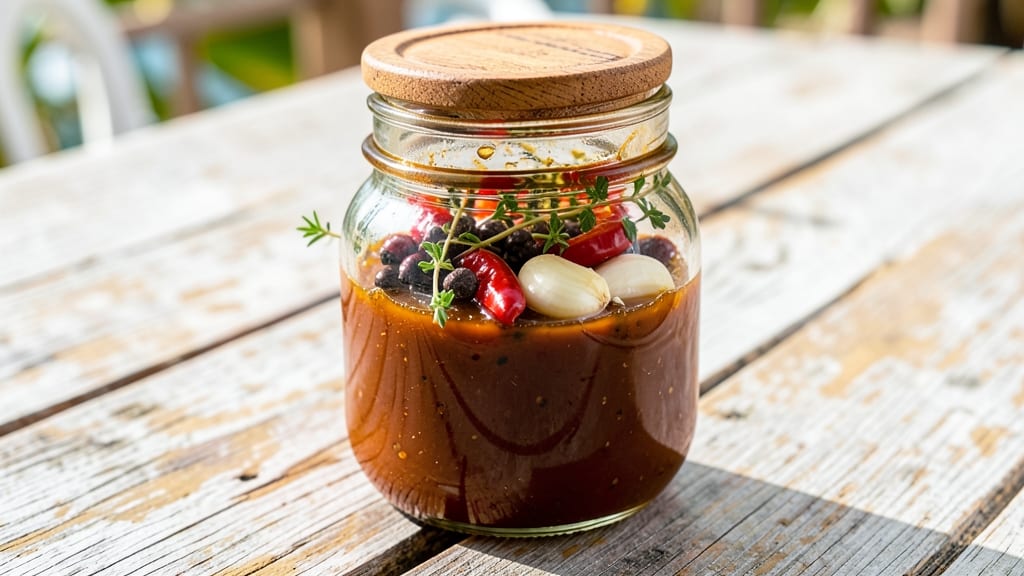
This Aruba hot sauce recipe brings the Caribbean’s fiery kick to your kitchen with a bright citrus twist that balances the heat. 🌶️ The secret lies in fresh habanero peppers—roasted to deepen their smoky depth—paired with lime juice for that signature tropical tang.
It’s the kind of sauce that transforms simple dishes into bold, island-inspired flavors.
What sets this recipe apart is the blend of traditional Aruban spices: allspice and thyme, which add warmth without overpowering the heat. The sauce starts with a simple base of vinegar and garlic, then builds layers of complexity through slow simmering.
Unlike store-bought versions, this one delivers a medium-hot burn with fruity undertones, making it versatile for everything from tacos to seafood.
The process is straightforward but rewarding—just roast the peppers, blend the ingredients, and let it rest for 24 hours for flavors to meld. The result is a vibrant red sauce with a smooth, slightly sweet finish that lingers on the palate.
Store it in the fridge for up to 3 months, or preserve it longer with proper canning techniques.
Perfect for spice lovers who crave depth, this sauce elevates any dish while keeping the heat balanced. Whether you drizzle it on grilled shrimp or mix it into marinades, the citrusy heat will transport your taste buds straight to Aruba’s shores. Let’s get started!
Ingredients for aruba hot sauce
Nine simple ingredients transform into vibrant Aruban hot sauce with balanced heat and citrus brightness.
| Ingredient | Amount | Notes |
|---|---|---|
| Fresh Habanero Peppers 🌶️ | 3 whole | Roasted for smoky depth |
| White Vinegar 💧 | 1 cup | Distilled preferred for clarity |
| Fresh Lime Juice 🍋 | ½ cup | Strained for smooth texture |
| Garlic Cloves 🧄 | 4 cloves | Freshly minced for aroma |
| Allspice Berries 🌿 | 1 tsp | Ground for warmth |
| Fresh Thyme Leaves 🌿 | 1 tbsp | Or 1 tsp dried thyme |
| Granulated Sugar 🍚 | 1 tbsp | Balances heat and acidity |
| Salt 🧂 | ½ tsp | Kosher or sea salt |
| Extra-Virgin Olive Oil 🫒 | 1 tbsp | For blending and finish |
Habanero peppers are the heart of this sauce—fresh, vibrant ones from a Latin market or well-stocked grocery store deliver the best flavor. Walmart or H-E-B usually carry them year-round, but if you can't find fresh, high-quality frozen habaneros work too (thaw first). The key is roasting them whole over an open flame or under a broiler until charred—this smoky depth sets this sauce apart from store-bought versions. For extra safety, wear gloves when handling them, as the oils can irritate skin. The lime juice should be freshly squeezed, not bottled—ReaLime brand is my go-to for convenience when fresh isn't available.
No habanero peppers? Scotch bonnet peppers are the closest substitute, but reduce the amount by 25% since they're slightly hotter. Fresh thyme unavailable? Dried thyme works at one-third the amount, but toast it first in a dry pan for 30 seconds to wake up the flavor. The vinegar can be swapped for apple cider vinegar if you prefer a slightly sweeter base, though white vinegar maintains that classic tang. For a smokier profile without roasting peppers, add 1/4 tsp smoked paprika to the blend. The sugar is crucial—it balances the heat and acidity, so don't skip it even if you're avoiding sweetness elsewhere.
This sauce develops best over time—24 hours in the fridge lets the flavors meld completely. Store it in a clean glass jar with a tight seal, and it'll keep for 3 months in the refrigerator. For longer storage, use proper canning techniques with a water bath for up to 1 year. The sauce thickens as it sits, so stir well before each use. I always make extra—it disappears fast on tacos, grilled fish, or even drizzled over avocado toast. Freeze portions in ice cube trays if you won't use it all within a month.
Why You'll Love This Recipe
- No-Pulse Needed: I just toss habaneros and garlic into a blender—no chopping, no fuss. The vinegar and lime do all the work while I sip coffee and wait.
- Tropical Heat Bomb: That first bite? Bright, tangy, with a slow-building burn from the habaneros and a whisper of allspice warmth. It’s like Aruba’s sunshine in a bottle.
- Taco Night’s Secret Weapon: Drizzle it on grilled shrimp, mix it into guac, or toss it with roasted veggies. My kids sneak it from the fridge when I’m not looking.
- Lasts for Weeks: One batch stretches across summer barbecues, winter soups, and everything in between. Plus, the allspice keeps it complex—no bland leftovers here.
Step-by-step instructions for Aruba hot sauce
Transform Caribbean heat into liquid fire with this precise, flavor-packed method.
🔥 Step 1: Roast the Habanero Peppers for Smoky Depth
Preheat your broiler to high. Place the 3 whole fresh habanero peppers directly on a baking sheet lined with aluminum foil, cut-side up. Broil for 8-10 minutes until the skins blacken completely and blister in spots. You'll see steam rising and the peppers softening slightly—this is your signal they're ready.
Immediately transfer the peppers to a sealed plastic bag and let them steam for 10 minutes. This step removes the capsaicin burn while preserving the fruity complexity. Once cool enough to handle, peel off the charred skins and discard them. The peppers should now reveal their vibrant orange flesh underneath—this is where the authentic Aruban heat lives.
🍳 Step 2: Blend the Base Ingredients into a Smooth Paste
In a high-speed blender, combine the roasted habanero peppers, 1 cup white vinegar, ½ cup fresh lime juice, 4 minced garlic cloves, 1 tablespoon fresh thyme leaves, 1 teaspoon ground allspice berries, 1 tablespoon granulated sugar, and ½ teaspoon salt. Blend on high for 1-2 minutes until completely smooth with no visible chunks.
Here's the thing—this blend needs to be silky. If you see any resistance or hear grinding, stop and pulse briefly to break up any stubborn bits. The sugar and acid work together to balance the pepper's heat while the allspice adds that warm, earthy depth characteristic of Aruban cuisine. Taste a small amount—you should feel the heat building with a bright citrus finish.
🥘 Step 3: Cook the Sauce for Maximum Flavor Development
Transfer the blended mixture to a small saucepan and place it over medium heat. Bring to a gentle simmer and cook for 15-20 minutes, stirring occasionally, until the sauce reduces by about 25%. You'll notice the sauce darkening slightly and becoming more concentrated—this is when the flavors meld together.
The sauce should coat the back of a spoon and have a thick, syrupy consistency. If it reduces too quickly, reduce the heat to low to prevent scorching. You're looking for a sauce that's vibrant in color and has a glossy sheen—this indicates proper reduction. The aroma should be complex: smoky from the peppers, citrusy from the lime, with warm spice notes underneath.
⏰ Step 4: Finish and Rest for Peak Flavor
Remove the sauce from heat and stir in the 1 tablespoon extra-virgin olive oil. This final step creates a velvety texture and helps distribute the heat more evenly. Let the sauce cool to room temperature, then transfer it to a clean glass jar with an airtight lid.
Refrigerate for at least 24 hours before using—this resting period allows all the flavors to fully develop and mellow slightly. The heat will still be intense, but the sauce will be more balanced and complex. When ready to use, shake well before each application, as the ingredients may settle. This sauce keeps for up to 3 months in the refrigerator, with the heat actually intensifying over time.
Pro Tips For Making Aruba Hot Sauce
- REMOVE PEPPER SEEDS FIRST: Habaneros pack their heat in the seeds and ribs—don’t let them turn your sauce into a one-burner disaster. Scoop them out with a spoon before chopping, and save the seeds for a separate batch if you’re feeling reckless (or need extra spice).
- SIMMER LOW AND SLOW: After blending everything, resist the urge to boil this like a pot of water. Keep it at a gentle simmer—just bubbles breaking the surface, not a full-on rolling boil—for 15-20 minutes. This lets the flavors meld without turning the vinegar harsh or the lime into a sad, watery afterthought.
- CRUSH ALL SPICE WHOLE: Skip the pre-ground allspice—whole berries add depth you won’t get from powder. Lightly crush them with the flat side of a knife before adding, then strain them out later. It’s extra work, but your sauce will taste like it was aged in a barrel, not bottled yesterday.
- STRAIN TWICE FOR CLEAR SAUCE: After simmering, strain through a fine-mesh sieve first, then a cheesecloth. The second pass catches the tiny bits that make your sauce look like mud. Yes, it takes 10 extra seconds, but your hot sauce will look as good as it tastes—no one wants to drink murky fire.
Best sauces and condiments for aruba hot sauce
Citrus-Infused Heat
The lime juice in this sauce isn't just for acidity—it's the secret to that bright, tropical finish that makes this sauce so special. I always use freshly squeezed lime for maximum zing, but if you're in a pinch, ReaLime works in a bind.
The citrus cuts through the habanero's heat while adding a refreshing contrast that balances the smoky depth from roasting. For extra brightness, add 1 tbsp lime zest to the blend before cooking. 🍋
Spice Blend Secrets
The combination of allspice and thyme gives this sauce its authentic Aruban character. Allspice adds warmth and complexity, while thyme provides an earthy herbal note. For a deeper flavor, toast the thyme leaves in a dry pan for 30 seconds before adding to the blend.
If you can't find fresh thyme, use 1 tsp dried thyme—just reduce the amount since dried herbs are more concentrated. The sugar isn't just for sweetness; it helps balance the heat and acidity for a smoother finish.
Heat Level Control
This sauce delivers a medium-hot burn that lingers without overwhelming. For a milder version, reduce the habanero peppers to 2 whole peppers or add 1 extra tbsp of sugar to further balance the heat.
If you want extra kick, increase to 4 habaneros or add ½ tsp cayenne pepper to the blend. Always taste as you go—adjust the heat to your preference before cooking. The sauce will intensify as it rests, so start conservative if you're sensitive to spice. 🌶️
Versatile Uses
This sauce shines on everything from grilled seafood to tacos and even as a marinade. For seafood, use 1 tbsp per pound of fish or shrimp. On tacos, drizzle 1 tsp per serving and serve with lime wedges.
Mix 2 tbsp into mayo for a spicy condiment, or stir 1 tbsp into salsa for extra heat. The citrusy heat pairs beautifully with creamy dishes like avocado toast or mac and cheese. Store any leftovers in the fridge for up to 3 months—it only gets better with time!
Storage Solutions
For short-term storage, keep the sauce in a clean glass jar in the fridge for up to 3 months. The flavors deepen over time, so it actually improves with age.
If you want to preserve it longer, use proper canning techniques with a water bath for up to 1 year. For single-serving use, freeze portions in ice cube trays—just thaw in the fridge before using. The sauce may thicken slightly when refrigerated, so stir well before each use.
Always use a clean spoon to avoid contamination. ✨
Nutrition facts
Frequently asked questions
Why roast the habanero peppers instead of using them raw?
Roasting the peppers adds a smoky depth that raw peppers can't match. The charring process caramelizes natural sugars, creating a more complex flavor profile with less capsaicin burn. This technique is key for authentic Aruban-inspired sauces, where smoky undertones complement the citrus brightness.
Can I substitute Scotch bonnet peppers for habaneros?
Yes, but use only 2 Scotch bonnet peppers for every 3 habaneros—they're slightly hotter. The flavor profile is similar, though Scotch bonnets have a fruitier taste. For extra safety, wear gloves when handling them, as the oils can irritate skin. The roasting process remains the same for both peppers.
How do I adjust the heat level if it's too spicy?
Add 1 extra tablespoon of sugar to balance the heat, or mix in 1 tablespoon of honey or agave per ½ cup of sauce. The citrus in the sauce already helps mellow the burn, but these sweeteners create a smoother finish. For immediate relief, stir in 1 teaspoon of mayonnaise or yogurt to dilute the capsaicin. Always taste as you go!
What's the best way to use this sauce with seafood?
Drizzle 1 tablespoon per pound of fish or shrimp over the last 5 minutes of grilling to preserve moisture. The citrus in the sauce pairs perfectly with seafood's natural oils. For extra flavor, marinate shellfish in 2 tablespoons of sauce per pound for 15-20 minutes before cooking. Always serve with lime wedges to cut through the heat.
Can I make this sauce without a blender?
Yes, but you'll need a food mill or fine-mesh strainer. After roasting and peeling the peppers, chop them finely with a knife, then process through a food mill with the other ingredients. For a smoother texture, add 1-2 tablespoons of water while milling. The sauce may be slightly chunkier, but all the flavors will still shine through.