
Sauces & Condiments
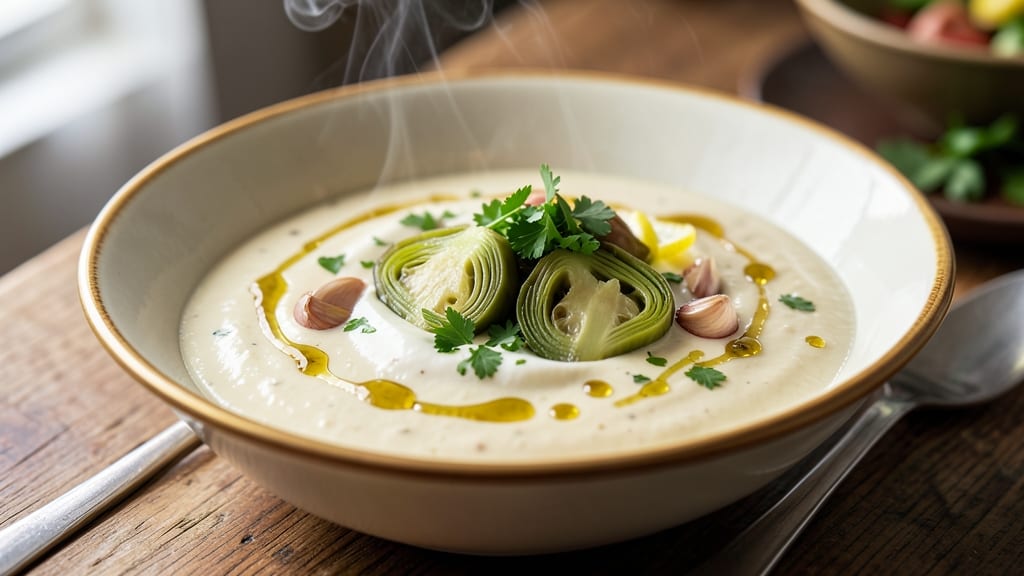
This artichoke cream sauce transforms simple ingredients into a velvety, restaurant-quality condiment that elevates any dish. The secret lies in blending canned artichoke hearts with heavy cream until completely smooth, then enhancing the natural briny flavor with garlic, lemon zest, and fresh herbs.
What makes this sauce exceptional is its silky texture—no lumps, no graininess, just pure, velvety richness that coats every bite.
The process is straightforward but requires patience: simmering the sauce gently to deepen the flavors while maintaining that luxurious creaminess. A splash of lemon juice brightens the earthy artichoke, while a pinch of nutmeg adds subtle warmth.
The result is a sauce so versatile it works as a pasta topping, dipping sauce for grilled meats, or even a creamy soup base.
What sets this recipe apart is the hidden lemon zest, which infuses brightness without overpowering the artichoke’s natural flavor. The sauce thickens beautifully on its own, but you can adjust the consistency with a splash of warm water or extra cream.
It’s the kind of condiment that turns ordinary meals into something special—rich, creamy, and full of depth.
Best of all, this sauce keeps well in the refrigerator for up to 5 days, making it perfect for meal prep. Whether you’re drizzling it over roasted vegetables or using it as a dip, every spoonful delivers that perfect balance of creamy, tangy, and herby goodness.
Let’s make it—your taste buds will thank you.
Ingredients for artichoke cream sauce
Nine ingredients transform into velvety artichoke cream sauce—luxurious, tangy, and restaurant-worthy.
| Ingredient | Amount | Notes |
|---|---|---|
| Canned Artichoke Hearts 🍃 | 14 oz | Drained, quartered artichokes |
| Heavy Whipping Cream 🥛 | 1 ½ cups | Full-fat for luxurious texture |
| Garlic Cloves 🧄 | 3 cloves | Freshly minced, aromatic |
| Lemon Zest 🍋 | 1 tbsp | Bright citrus infusion |
| Fresh Lemon Juice 🍋 | 1 tbsp | Freshly squeezed, tart balance |
| Fresh Parsley 🌿 | ¼ cup | Finely chopped, vibrant |
| Ground Nutmeg 🌶️ | ¼ tsp | Freshly grated for warmth |
| Salt 🧂 | ½ tsp | Diamond Crystal preferred |
| Black Pepper 🌶️ | ¼ tsp | Freshly cracked, subtle heat |
| Unsalted Butter 🧈 | 2 tbsp | Cold, for velvety finish |
The artichokes are the star—look for canned hearts packed in water, not oil or salt, for the cleanest flavor. Whole Foods or Trader Joe's carry the best brands like Muir Glen, which have that perfect briny depth. Fresh garlic and lemon zest are non-negotiable here; nothing dried or bottled compares. For the cream, full-fat heavy cream is essential—it's what gives that signature silky texture. If you're using a high-quality brand like Organic Valley, you can skip the butter entirely, but I always add it for that final touch of richness.
No fresh herbs? Dried parsley at one-third the amount works in a pinch, but the flavor won't be the same. Running low on lemon zest? Substitute 1 tbsp extra lemon juice, but you'll lose that aromatic brightness. The nutmeg is subtle but crucial—omit it only if you're sensitive to warm spices. For a dairy-free version, swap the heavy cream for full-fat coconut milk, though the texture will be slightly lighter. The sauce thickens naturally, but if it's too thin, simmer uncovered for 2-3 minutes—no need for cornstarch or flour.
This sauce is a meal prep dream—stores perfectly for 5 days in the fridge, and freezes beautifully for up to 3 months. To reheat, warm gently on the stove with a splash of water or milk to restore that silky consistency. I always double the batch because it disappears so fast—one jar for dinner, one for lunches. If you're feeling fancy, finish with a swirl of truffle oil or a sprinkle of freshly cracked black pepper before serving.
Why You'll Love This Recipe
- Pantry Magic: I swear by this recipe when I forget to shop—just open a can of artichokes, add cream and garlic, and boom. No wilting greens or last-minute grocery runs, just rich, velvety sauce in 15 minutes.
- Zesty Garlic Kiss: That bright lemon zest and fresh juice cut through the creaminess like a perfect contrast—it’s rich but never heavy, with a little tang that makes every bite feel special. Honestly, the garlic alone sells me.
- Dinner Party Ready: Slather it on grilled chicken, drizzle over pasta, or serve with crusty bread—it works for weeknights or when I’m hosting. The artichokes add a fancy touch without the fuss, and guests always ask for the recipe.
- Leftovers That Don’t Suck: This sauce actually improves the next day—thicker, deeper flavor, and it reheats like a dream. I make double batches, freeze half, and still have my go-to weeknight sauce ready in seconds.
Step-by-step instructions for artichoke cream sauce
Here's how to create a luxurious, velvety artichoke cream sauce with bright citrus notes and perfect texture.
Melt Butter and Sauté Garlic
In a medium saucepan, melt the 2 tablespoons unsalted butter over medium-low heat. Watch carefully as the butter melts completely, then add the 3 cloves freshly minced garlic cloves. The garlic should sizzle gently—if it browns too quickly, reduce the heat to low. Sauté for 1-2 minutes until the garlic becomes fragrant and just begins to turn golden around the edges. This step builds the aromatic foundation of your sauce.
Here's the thing—garlic burns in seconds, so keep your eye on it. You want that sweet, nutty aroma without any bitterness. If you notice any color changes beyond light golden, remove from heat immediately. The butter should coat the garlic evenly, creating a velvety base for the sauce to come.
Add Artichokes and Simmer
Increase the heat to medium and add the 14 oz drained, quartered artichoke hearts. Stir gently to combine with the garlic butter, then pour in the 1.5 cups heavy whipping cream. The mixture will bubble gently—let it come to a simmer and then reduce the heat to low. This sauce needs patience to develop its luxurious texture.
Simmer uncovered for 8-10 minutes, stirring occasionally, until the artichokes are completely tender and the sauce begins to thicken slightly. You'll know it's ready when the sauce coats the back of a spoon and the artichokes can be easily mashed with a wooden spoon. If it reduces too quickly, add 1-2 tablespoons water to maintain the right consistency.
Season with Citrus and Spices
Remove the saucepan from heat and stir in the 1 tablespoon lemon zest, 1 tablespoon fresh lemon juice, 0.5 teaspoon salt, 0.25 teaspoon black pepper, and 0.25 teaspoon ground nutmeg. The lemon zest will brighten the sauce with its citrusy aroma, while the juice adds a subtle tang that balances the richness. Stir well to distribute all the seasonings evenly throughout the sauce.
Here's where the magic happens: the nutmeg adds a warm, earthy depth that complements the artichokes beautifully. Taste and adjust seasoning if needed—you might want to add a pinch more salt or a splash of lemon juice for the perfect balance. The sauce should be rich but not overpowering, with a delicate citrus brightness.
Finish with Parsley and Strain (Optional)
Return the sauce to low heat and stir in the 0.25 cup finely chopped fresh parsley. Let it warm through for 1-2 minutes, just enough to release the parsley's vibrant flavor. For a completely smooth sauce, strain it through a fine-mesh sieve into a clean saucepan. This step removes any artichoke fibers, giving you that luxurious, velvety texture promised in the title.
If you prefer a slightly textured sauce, simply stir and serve without straining. Either way, the parsley adds a fresh, herbaceous note that cuts through the richness. The sauce should now be silky, with a perfect balance of tangy, creamy, and aromatic flavors. Serve immediately over pasta, with seafood, or alongside grilled meats.
Pro Tips For Making Artichoke Cream Sauce
- Drain and Pat Dry: Canned artichoke hearts come packed in water or oil—both will turn your sauce watery or greasy. Dump them into a colander, rinse briefly, then press them between paper towels to remove excess moisture. Trust me, skipping this step means a thinner, less velvety sauce.
- Sauté Garlic Low and Slow: I used to burn garlic in this sauce every time—now I swear by medium-low heat until it’s just golden, not brown. Overheating turns it bitter, and you’ll taste that in every bite. A splash of water or lemon juice can save it if it starts to darken, but prevention is easier.
- Balance the Cream: Heavy cream is rich, and artichokes are briny—if your sauce tastes one-note, it’s unbalanced. Start with half the lemon juice, taste, then add more zest or a pinch of salt. The goal is brightness, not sourness. (Yes, even if you’re tempted to dump it all in at once.)
- Strain for Smoothness: Artichoke hearts break down into tiny fibers that make the sauce grainy. After simmering, pour it through a fine-mesh sieve or cheesecloth for a silky texture—no one likes chunks in their cream sauce. It’s extra work, but the result is restaurant-worthy.
Troubleshooting great artichoke cream sauce
Grainy Texture Fix
If your sauce ends up grainy despite blending, the issue is likely undercooked artichokes or insufficient straining. For a silky finish, simmer the artichokes for an extra 2-3 minutes until completely tender—they should mash easily with a fork.
If using canned artichokes, opt for Muir Glen brand (packed in water) as they break down more smoothly. For a truly velvety result, strain through a fine-mesh sieve after adding cream, pressing with a spoon to extract every last drop of flavor. 💫
Sauce Too Thin?
If your sauce is too thin after simmering, don’t reach for cornstarch—this recipe thickens naturally. Instead, simmer uncovered for 5-7 additional minutes on low heat, stirring occasionally. For a quicker fix, whisk in 1 tablespoon cold unsalted butter (it melts into the sauce without breaking the emulsion).
If you need immediate thickening, mix 1 teaspoon cornstarch with 1 tablespoon cold water, then stir into the sauce and simmer for 1 minute until it reaches the desired consistency.
Lemon Overpowering?
The lemon zest and juice are key for brightness, but too much can dominate. If your sauce tastes overly citrusy, balance it with ½ teaspoon extra ground nutmeg or a pinch of salt to round out the flavors.
For a smoother profile, reduce the lemon juice to ½ tablespoon next time. If you’ve already added too much, stir in 1 teaspoon honey or 1 teaspoon maple syrup to mellow the acidity while keeping the sauce creamy. 🍋
Artichoke Flavor Too Mild
Canned artichokes can lose some of their natural brininess over time. Boost the flavor by using freshly squeezed lemon juice (not bottled) and adding ½ teaspoon smoked paprika or ¼ teaspoon onion powder to deepen the earthy notes.
For an extra punch, stir in 1 tablespoon capers (drained) or 1 teaspoon fish sauce (trust me, it adds umami without overpowering). If your artichokes taste bland, try a different brand like Whole Foods 365—they’re consistently more flavorful.
Sauce Separating?
Separation usually happens when the sauce is heated too quickly or stirred too vigorously. To fix it, whisk the sauce vigorously over low heat for 1-2 minutes to re-emulsify the fat and liquid. For prevention, avoid boiling the sauce—keep it at a gentle simmer (180-190°F).
If the sauce still separates, whisk in 1 tablespoon cold heavy cream or 1 tablespoon unsalted butter to restore its silky texture. Stirring in a ½ teaspoon Dijon mustard can also help stabilize the emulsion. 🔥
Dairy-Free Adaptation Issues
If using coconut milk as a dairy-free substitute, the sauce may curdle or taste too coconutty. For a smoother texture, use full-fat coconut milk and add 1 tablespoon nutritional yeast for depth. To prevent curdling, heat the coconut milk separately before combining with artichokes, and avoid boiling.
For extra richness, stir in 1 tablespoon cashew cream (blend soaked cashews with water) at the end. Taste as you go—adjust with extra lemon juice or salt to balance flavors. 🌱
Nutrition facts
Frequently asked questions
Can I use frozen artichokes instead of canned?
Frozen artichokes work, but they require extra prep time. Thaw them completely first, then trim off any tough stems and quarter them. For best results, simmer them in water with a pinch of salt for 5-7 minutes until tender before blending into the sauce. Frozen artichokes can sometimes be more fibrous, so straining becomes even more important for that silky texture.
How long will this sauce keep in the fridge?
This artichoke cream sauce stays fresh for 5 days when stored in an airtight container in the refrigerator. The flavors actually deepen slightly over time! For longer storage, freeze portions in ice cube trays or small containers—it keeps for up to 3 months. Thaw overnight in the fridge before reheating gently on the stove with a splash of water or milk.
What's the best way to thicken the sauce if it's too thin?
Avoid cornstarch—this sauce thickens naturally when simmered uncovered for 5-7 extra minutes on low heat. For quicker results, whisk in 1 tablespoon cold unsalted butter or 1 tablespoon heavy cream. If you need immediate thickening, mix 1 teaspoon cornstarch with 1 tablespoon cold water, stir into the sauce, and simmer for 1 minute until it reaches the perfect consistency.
Can I make this sauce without dairy?
Yes! Replace the heavy cream with full-fat coconut milk (1:1 ratio) and add 1 tablespoon nutritional yeast for depth. For extra richness, stir in 1 tablespoon cashew cream at the end. Heat the coconut milk separately before combining with artichokes to prevent curdling. Taste and adjust with extra lemon juice or salt to balance flavors—it won't be identical but still delicious!
Why does my sauce taste bland?
Canned artichokes can lose flavor over time. Boost it with ½ teaspoon smoked paprika or 1 tablespoon capers for umami depth. Freshly squeezed lemon juice (not bottled) and a pinch of fish sauce also work wonders. Try a different brand like Whole Foods 365—they're consistently more flavorful. If all else fails, add a splash of white wine while simmering to brighten the sauce.