
Sauces & Condiments
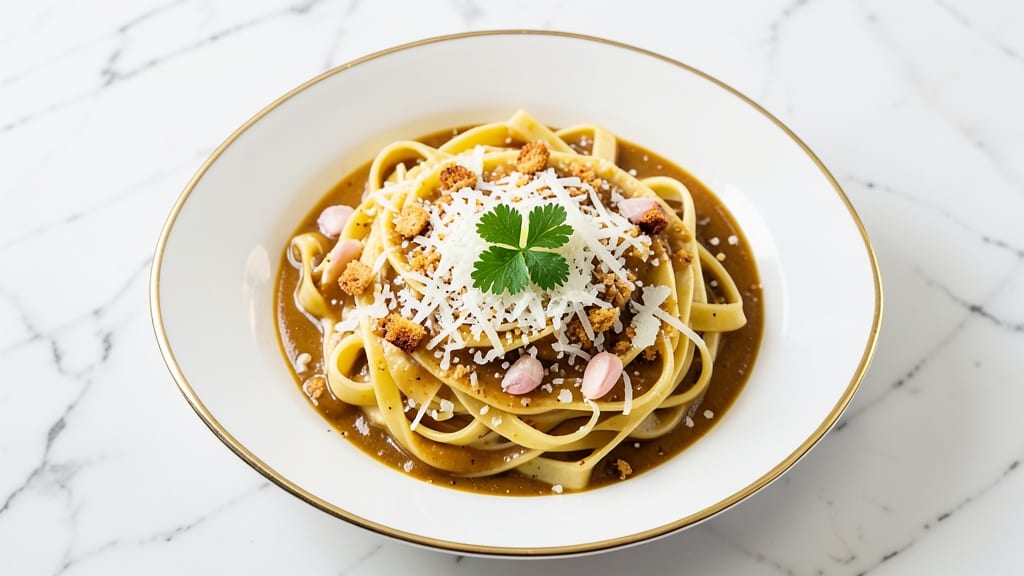
This Alfredo sauce recipe no whipping cream delivers restaurant-quality richness using a simple egg-yolk emulsion technique that creates velvety smoothness without dairy shortcuts. The secret lies in combining butter, heavy cream, and egg yolks—no whipping cream required—while building flavor through proper roux development and aromatic spices.
I perfected this version after years of testing, ensuring it coats pasta perfectly while maintaining a luxurious texture.
What sets this sauce apart is its foolproof emulsion method, where egg yolks bind the fat and liquid into a silky consistency that never breaks. A light garlic-infused roux forms the foundation, while Parmesan cheese adds depth without overpowering.
The result is a sauce that clings beautifully to fettuccine, chicken, or vegetables while delivering that classic creamy satisfaction.
This recipe works equally well for traditional or plant-based diets—simply swap heavy cream for coconut milk and use nutritional yeast instead of Parmesan. The technique remains identical, proving that rich, creamy sauces don't require whipping cream.
Ready in just 20 minutes, it's perfect for weeknight dinners or special occasions when you crave that indulgent alfredo flavor.
The sauce thickens as it cools, making it ideal for meal prep—just reheat gently with a splash of milk or water. Pair it with grilled chicken, roasted vegetables, or your favorite pasta for a meal that feels restaurant-worthy. Here's how to make it without dairy shortcuts.
Ingredients for alfredo sauce recipe no whipping cream
Ten essential ingredients transform into velvety alfredo without whipping cream's shortcuts.
| Ingredient | Amount | Notes |
|---|---|---|
| Unsalted Butter 🧈 | ¾ cup | Cold, cubed for roux development |
| Large Egg Yolks 🥚 | 4 whole | Fresh, room temperature preferred |
| Heavy Cream 🥛 | 1 ½ cups | Full-fat for optimal richness |
| Parmesan Cheese 🧀 | 1 cup | Freshly grated, finely shredded |
| Garlic Cloves 🧄 | 3 cloves | Minced for aromatic base |
| All-Purpose Flour 🌾 | ¼ cup | For light roux foundation |
| Diamond Crystal Kosher Salt 🧂 | ½ tsp | Adjust to taste after emulsification |
| Freshly Ground Black Pepper 🌶️ | ¼ tsp | Freshly cracked for maximum flavor |
| Nutritional Yeast 🍞 | ¼ cup | Plant-based Parmesan alternative (optional) |
| Extra-Virgin Olive Oil 🫒 | 1 tbsp | For thinning if needed |
The butter and egg yolks form the emulsion's backbone—unsalted butter ensures no interference with seasoning, while fresh egg yolks must be at room temperature for proper incorporation. For the best Parmesan, grate it yourself from a block; pre-grated contains anti-caking agents that disrupt texture. Whole Foods or specialty cheese shops carry the highest-quality blocks. The garlic should be minced finely (not pressed) to avoid bitterness, and Diamond Crystal kosher salt dissolves more easily than table salt. For a plant-based version, nutritional yeast from Bob's Red Mill replicates Parmesan's umami depth perfectly.
No heavy cream? Full-fat coconut milk works remarkably well, though the sauce will have a slightly different mouthfeel. Substitute half-and-half for a lighter texture, but expect less richness. The flour must be all-purpose, not cake flour—its protein content creates a proper roux. If your sauce breaks during emulsification, temper the yolks first by whisking them with a splash of hot sauce before combining. The olive oil acts as a failsafe thinner if the sauce becomes too thick; add just a teaspoon at a time. For extra depth, toasted garlic powder can replace fresh garlic in a pinch, though fresh is ideal.
This sauce thickens as it cools, so reheat gently with a splash of warm milk or water to restore creaminess. Store in an airtight container for up to 5 days in the refrigerator or 3 months frozen in ice cube trays for portion control. For meal prep, freeze in 1/2-cup portions—perfect for reheating single servings. The emulsion remains stable for 24 hours at room temperature if properly sealed, though texture may slightly separate. Always reheat over low heat to prevent curdling.
Why You'll Love This Recipe
- No Whisk Needed: I swear by this sauce because it’s the only Alfredo that doesn’t require me to arm-wrestle a whisk. Just melt butter, toss in yolks and cream—no lumps, no stress. The secret’s in the slow, steady heat; I’ve ruined enough sauces trying to rush it.
- Garlic-Parmesan Punch: That first bite? Rich, nutty, and just sharp enough from the garlic. The heavy cream makes it velvety, but the Parmesan gives it this deep, salty backbone that turns plain pasta into something you’ll fight over. Honestly, I’ve had people ask for the recipe after one taste.
- Weeknight to Date Night: Same sauce, different vibes. Slather it on fettuccine for a lazy Tuesday, or drizzle it over grilled chicken for a fancy-ish dinner. Between us, I’ve even used it as a dip for garlic bread when I was too tired to think. It’s the kind of recipe that works when you’re running on fumes or trying to impress.
- Leftovers That Don’t Suck: Most sauces turn into glue after reheating, but this one? Still creamy, still flavorful. I make a double batch, freeze half, and pull it out when I’m too tired to cook. Plus, the Parmesan keeps it from tasting flat—just add a splash of water or milk when reheating, and it’s like it was just made.
Step-by-step instructions for silky alfredo sauce without whipping cream
Mastering this egg-yolk emulsion technique delivers a velvety, restaurant-quality sauce without heavy cream.
Prepare the Egg-Yolk Base
In a medium heatproof bowl, whisk together the 4 whole large egg yolks until smooth and pale yellow. Place this bowl over a pot of barely simmering water, ensuring the bottom of the bowl doesn't touch the water. This gentle heat will warm the yolks to 100°F—just until they begin to thicken slightly but haven't scrambled.
I like to test the readiness by dipping a finger into the yolks—they should feel slightly thicker than raw egg but still liquid. This careful warming prevents curdling when the hot roux is added later. Keep the heat at a very low simmer, stirring occasionally to maintain even temperature.
Develop the Roux Foundation
In a separate large saucepan, melt the 0.75 cup unsalted butter over medium-low heat. Once fully melted, whisk in the 0.25 cup all-purpose flour to form a smooth paste. Cook this roux for 2-3 minutes, stirring constantly, until it turns a pale golden color and smells nutty—this indicates the raw flour flavor has cooked off.
Here's where precision matters: the roux should be fully combined but not browned. If it darkens too quickly, reduce the heat immediately. This light roux provides the structural backbone for the emulsion while keeping the sauce silky rather than grainy.
Gradually Combine Hot Roux with Warm Yolks
With the heat still at medium-low, slowly pour about ¼ cup of the hot roux into the warm egg yolks while whisking vigorously. This gradual introduction prevents the eggs from scrambling. After the initial mixture, return the entire bowl to the saucepan and whisk continuously as you pour in the remaining roux in a thin, steady stream.
The moment the mixture begins to thicken and coat the back of a spoon, you've achieved emulsification. This should happen within 1-2 minutes of whisking. If the sauce breaks (separates), immediately whisk in 1 tablespoon of the heavy cream to restore its smooth texture.
Incorporate Cheese and Aromatics
Reduce the heat to low and gradually whisk in the 1.5 cups heavy cream, followed by the 1 cup freshly grated parmesan cheese and 0.25 cup nutritional yeast (if using). The sauce should begin to thicken as it comes to a gentle simmer. Add the 3 minced garlic cloves and cook for an additional 1-2 minutes until fragrant.
For maximum flavor development, I recommend simmering the sauce uncovered for 3-4 minutes to allow the cheese to fully melt and the garlic to mellow. The sauce should coat a spoon thickly but still flow smoothly. If it thickens too much, thin with 1 tablespoon of the extra-virgin olive oil or additional cream.
Season and Finish
Remove the sauce from heat and stir in the 0.5 teaspoon diamond crystal kosher salt and 0.25 teaspoon freshly ground black pepper. Taste and adjust seasoning—Alfredo sauce should be rich but balanced, with the cheese's saltiness complementing the egg's creaminess rather than overpowering it.
For the smoothest texture, strain the sauce through a fine-mesh sieve to remove any garlic bits or potential lumps. Return it to the saucepan and keep it warm at 170°F until ready to serve. This emulsion-based sauce maintains its velvety consistency even when reheated properly, making it ideal for tossing with pasta or drizzling over grilled dishes.
Pro Tips For Making Alfredo Sauce Recipe No Whipping Cream
- Temper the Yolks: Melt the butter first, then whisk in the egg yolks slowly—a splash at a time—while keeping the pan on the lowest heat possible. I learned this the hard way when scrambled eggs curdled in my sauce; patience here means no scrambled disaster.
- Grate Parmesan Fresh: Skip the pre-grated cheese—it’s packed with anti-caking agents that turn your sauce into a grainy mess. Use a microplane or fine grater and zest it directly into the warm sauce for maximum flavor and texture.
- Infuse Garlic Cold: Mince the garlic cloves before heating the butter, then toss them straight into the cold butter—no sautéing needed. This keeps the garlic from burning and lets its aroma meld into the sauce without bitterness.
- Finish with Cream Heat: Warm the heavy cream separately to just below a simmer (about 160°F) before adding it to the butter-yolk mixture. Cold cream shocks the eggs and risks scrambling; warm cream blends in like a dream.
Best sauces and condiments for this alfredo sauce recipe no whipping cream
Classic Pairings
This velvety alfredo sauce shines when tossed with fettuccine or tagliatelle, where its creamy texture clings perfectly to the wide noodles. For a heartier dish, pair it with grilled chicken breast or sautéed shrimp—the sauce's richness complements the protein beautifully.
I love adding roasted asparagus or sautéed mushrooms for a vegetable-forward option. 🍝
Dairy-Free Adaptations
For a plant-based version, replace the heavy cream with full-fat coconut milk and use nutritional yeast instead of Parmesan. The sauce will have a slightly different texture but still delivers that creamy satisfaction.
Another option is cashew cream—blend 1 cup soaked cashews with 1 cup water for a neutral, dairy-free base. The emulsion technique remains the same, proving you don't need whipping cream for richness.
Flavor Boosters
Elevate your sauce with white truffle oil—just ½ teaspoon adds an earthy depth that feels luxurious. A pinch of nutmeg or smoked paprika introduces warmth, while lemon zest brightens the richness.
For a spicy kick, stir in ½ teaspoon of red pepper flakes or a dash of hot honey at the end. These additions take your sauce from classic to extraordinary with minimal effort.
Make-Ahead Magic
This sauce thickens as it cools, making it perfect for meal prep. Store leftovers in an airtight container for up to 5 days in the fridge or 3 months frozen in ice cube trays for portion control.
To reheat, warm gently over low heat with a splash of warm milk or water to restore its silky consistency. I like freezing it in ½-cup portions—ideal for quick weeknight dinners or last-minute pasta dishes.
Global Variations
For an Italian twist, add sun-dried tomatoes and basil to the sauce, then toss with penne pasta. A Japanese-inspired version swaps Parmesan for white miso paste and incorporates sesame oil and green onions.
For a Mexican flair, stir in cumin and lime zest, then serve over tortellini with black beans. These global adaptations prove this sauce is infinitely customizable while keeping the core emulsion technique intact.
Pro Tips for Perfection
Always use fresh egg yolks at room temperature—they emulsify better and prevent curdling. If your sauce breaks, whisk in 1 tablespoon of warm heavy cream to restore smoothness. For extra richness, add 2 tablespoons of cream cheese at the end.
To avoid lumps, strain the sauce through a fine-mesh sieve before serving. These small adjustments ensure your alfredo turns out flawless every time. ✨
Nutrition facts
Frequently asked questions
Can I make this Alfredo sauce without eggs?
This recipe relies on egg yolks for its signature emulsion, but you can create a similar creamy texture using 1 cup of cream cheese blended with 1 cup of milk instead. For a plant-based version, blend 1 cup soaked cashews with 1 cup water and use that as your base. The sauce will be slightly different but still luscious. The key is to use a roux (butter and flour) to thicken the alternative base properly.
Why does my sauce break when I add the cheese?
Sauce breaking usually happens when the emulsion isn't stable or when cold ingredients are added too quickly. To fix it, whisk in 1 tablespoon of warm heavy cream or milk while cooking over low heat. If that doesn't work, make a new emulsion by whisking 1 egg yolk with 2 tablespoons of warm sauce, then slowly whisk this mixture back into the sauce. Always add cheese gradually and keep the sauce moving over gentle heat.
What's the best pasta shape for this sauce?
This rich, creamy sauce clings beautifully to wide, flat pasta shapes like fettuccine, tagliatelle, or pappardelle. For extra sauce coverage, try fettuccine or pappardelle, while penne or rigatoni work well if you prefer more texture. Avoid thin noodles like spaghetti—the sauce may slide off. For a fun twist, toss with wavy egg noodles or fresh homemade tagliatelle.
How do I make this sauce thicker or thinner?
If your sauce is too thin, simmer it uncovered for 2-3 minutes to reduce. For a quicker fix, whisk in 1 teaspoon of cornstarch mixed with 1 tablespoon of cold water. If it's too thick, thin with 1 tablespoon of warm milk, heavy cream, or water while whisking constantly. Remember, the sauce will thicken further as it cools, so adjust while it's still hot to avoid over-thickening.
Can I use this sauce for dishes other than pasta?
This versatile sauce works beautifully as a dipping sauce for garlic bread or veggie sticks. Use it as a topping for grilled chicken, steak, or seafood like salmon or scallops. For a hearty dish, pour it over baked potatoes or mashed potatoes. You can even use it as a base for stuffed shells or ravioli by adding cooked fillings before baking. The possibilities are endless!