
Sauces & Condiments
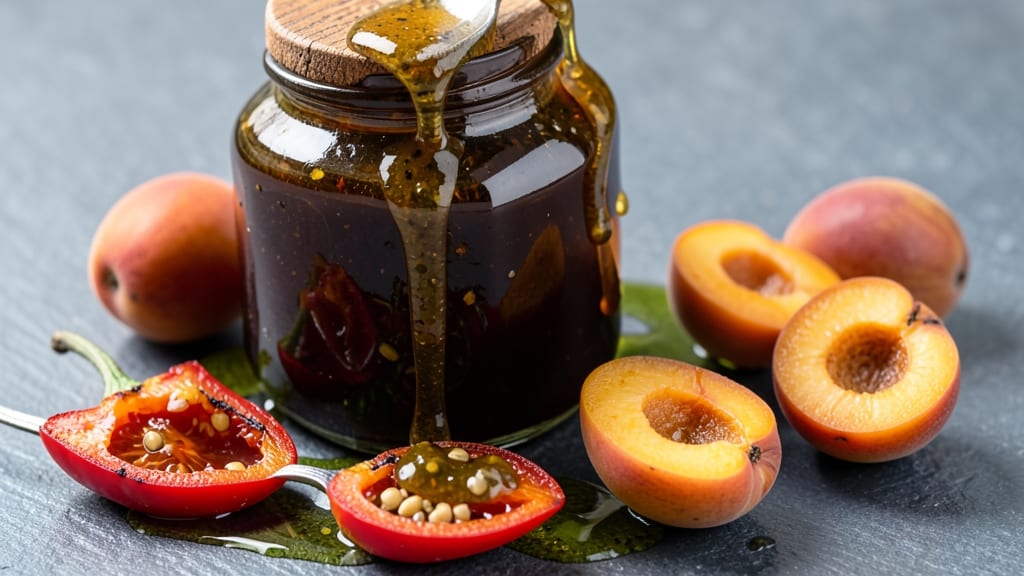
This apricot habanero hot sauce delivers a perfect sweet-fiery balance that elevates everything from tacos to grilled meats. The combination of ripe apricots and fresh habaneros creates a sauce with vibrant heat and natural sweetness that lingers on your palate.
I developed this recipe after years of experimenting with fruit-based hot sauces—balancing acidity, sweetness, and heat is an art, and this version gets it just right.
The process starts with fermenting the habaneros to mellow their intensity while preserving their signature fire, then simmering everything down with apricots, vinegar, and a touch of garlic for depth.
What you end up with is a glossy, medium-bodied sauce that's bright red with flecks of fruit and chili—visually stunning and packed with complex flavor. The heat builds gradually, giving you a slow burn that's far more interesting than capsaicin overload.
This hot sauce transforms simple dishes into restaurant-worthy meals. Drizzle it over grilled chicken, toss it with shrimp skewers, or use it as a marinade for steak—each time, the sweetness of the apricot will tame the habanero's heat while keeping your taste buds engaged.
The sauce keeps well in the fridge for up to three months, making it perfect for batch cooking and gifting.
Safety first: habaneros are potent, so wear gloves when handling them and taste test small amounts before scaling up. The fermentation process also means you'll need patience, but the reward is a sauce that's far more nuanced than anything you'll find in stores.
Let's get started on creating your own sweet-fiery masterpiece.
Ingredients for apricot habanero hot sauce
Nine ingredients transform into a vibrant, sweet-fiery hot sauce that elevates every dish it touches.
| Ingredient | Amount | Notes |
|---|---|---|
| Fresh Habanero Peppers 🌶️ | ½ lb | Wear gloves when handling |
| Ripe Apricots 🍑 | 1 lb | Pitted and chopped |
| White Vinegar 💧 | 1 cup | Distilled preferred |
| Granulated Sugar 🍚 | ½ cup | Light brown sugar for depth |
| Garlic Cloves 🧄 | 4 cloves | Minced for depth |
| Extra-Virgin Olive Oil 🫒 | ¼ cup | For glossy finish |
| Salt 🧂 | 1 tsp | Diamond Crystal preferred |
| Black Peppercorns 🌶️ | ½ tsp | Freshly cracked |
| Apple Cider Vinegar 🍎 | ¼ cup | For tangy balance |
Habaneros are the star here, but freshness is critical—look for vibrant red peppers with no soft spots. Local farmers markets often carry the best, or check the Latin foods aisle at Whole Foods. Apricots should be ripe but firm; Trader Joe's carries great ones year-round. The vinegar is non-negotiable—white vinegar for brightness, apple cider for complexity. Sugar isn't just for sweetness; it helps balance the habanero's heat while caramelizing slightly during simmering. For the garlic, freshly minced makes all the difference—pre-minced lacks punch. Store habaneros in the fridge until ready to use, and keep vinegar in a cool, dark cabinet.
No habaneros? Scotch bonnet or Thai bird's eye peppers work in a pinch, but expect slightly different heat profiles. Substitute dried apricots (soaked in hot water first) if fresh aren't available, though they'll lack that bright fruitiness. For vinegar, rice vinegar at half the amount adds a different dimension. The olive oil isn't just for gloss—it carries the flavors. Extra-virgin has more character than regular, but any good-quality oil will work. Salt is where Diamond Crystal shines; its flaky crystals dissolve beautifully. Black peppercorns should be freshly cracked—pre-ground loses potency fast. If you're sensitive to heat, reduce habaneros to 3 peppers and add a pinch more sugar to compensate.
This sauce develops depth over time—1 week in the fridge is ideal before first use. Store in a clean glass jar with a tight seal, submerged in the sauce to prevent mold. Keeps for 3 months refrigerated or 6 months frozen. For gifting, use small amber bottles to protect from light. The flavor actually improves with age as the habanero's heat mellows. Label everything clearly—this sauce is potent! If you make extra, freeze in ice cube trays for easy single-use portions later.
Why You'll Love This Recipe
- No Blender Needed: I swear by this—just chop, simmer, and strain. The habaneros and apricots release their sweet heat right in the pot, no fancy equipment required. My blender’s been on vacation since I discovered this trick.
- Sweet Heat Magic: That first bite? Apricots tame the habanero’s fire into something luscious, like biting into a sun-warmed peach with a secret kick. Honestly, the sugar and vinegar balance turns it into a sauce I’ll drizzle on everything—even my morning eggs.
- Pantry-to-Table Flex: This stuff transforms from "weeknight sidekick" to "holiday host hero" in a flash. Toss it on grilled chicken, stir into marinades, or serve it in tiny bowls at your next BBQ. Between us, it’s the reason my summer cookouts never feel basic.
- Makes a Month’s Worth: One batch stretches for ages—my jar’s always half-full, and I’m not complaining. The vinegar preserves it beautifully, and the sugar keeps mold at bay. Plus, it’s cheaper than buying specialty hot sauces, so I’m basically printing money with every batch.
Step-by-step instructions for apricot habanero hot sauce
Here's how to craft a perfectly balanced sweet-fiery hot sauce that marries tropical fruit with bold heat.
Prepare the Base Ingredients
Start by cutting the 0.5 lb fresh habanero peppers in half lengthwise, removing seeds and membranes—this controls the heat level while keeping the fruity depth. Wear gloves; habanero oils are potent! Next, pit and chop the 1 lb ripe apricots into small chunks, removing any hard pits that might remain. For the garlic, finely mince the 4 cloves garlic cloves to release their aromatic oils fully.
In a medium saucepan, combine the chopped habaneros, apricots, minced garlic, and 0.5 cup granulated sugar. The sugar will help caramelize the fruit while balancing the habanero's heat. Let this mixture sit for 10 minutes at room temperature—this jumpstarts the flavor extraction before cooking.
Simmer and Reduce the Mixture
Pour in the 1 cup white vinegar and 0.25 cup apple cider vinegar, then bring the mixture to a gentle boil over medium-high heat. Once boiling, reduce heat to medium-low and let it simmer uncovered for 20-25 minutes, stirring occasionally. You're looking for the apricots to soften completely and the liquid to reduce by about one-third—this concentrates the flavors and creates a syrupy base.
Here's the thing—don't rush this step. The longer you simmer, the deeper the fruit flavors develop. The mixture should smell like a cross between tropical fruit and vinegar, with a subtle sweetness lingering beneath the habanero's sharpness. If it starts sticking, add 1-2 tablespoons of water to keep it moving.
Blend and Strain for Smooth Texture
Transfer the simmered mixture to a blender or food processor. Add the 0.25 cup extra-virgin olive oil and blend until completely smooth. The oil will help emulsify the sauce later and add a luxurious mouthfeel. For a finer texture, strain the blended mixture through a fine-mesh sieve into a clean bowl, pressing gently with a spatula to extract every last drop of liquid.
This straining step is crucial—it removes any fibrous bits that could make the final sauce gritty. If you prefer a slightly rustic texture, you can skip straining, but the sauce will be thicker and more textured. Taste the strained mixture now; you should detect sweet apricot notes with underlying habanero heat and vinegary tang.
Season and Finish the Sauce
Return the strained mixture to the saucepan and stir in the 1 tsp salt and 0.5 tsp freshly cracked black peppercorns. Bring the sauce to a gentle simmer over low heat for 5-7 minutes, stirring frequently. This final simmer helps meld all the flavors together while reducing the sauce slightly for better shelf stability.
Real talk: The heat level should now be balanced—sweet from the apricots, fruity from the habanero's non-seeded flesh, and bright from the vinegars. If you want it hotter, add a pinch more habanero seeds (carefully!) or a dash of cayenne. For milder heat, add a splash more apple cider vinegar to dilute slightly. Let the sauce cool completely before bottling.
Bottle and Store for Maximum Flavor
Transfer the finished sauce to clean, sterilized glass bottles or jars. Seal tightly and store in the refrigerator for up to 3 months, or process in a water bath for 10 minutes to extend shelf life to 6 months. The flavors will continue developing over time, with the habanero's heat mellowing slightly and the apricot sweetness becoming more pronounced.
Use this versatile sauce to elevate tacos, grilled meats, or even drizzle over fresh fruit for a sweet-spicy contrast. Start with small amounts—this sauce packs serious flavor! For best results, let the sauce sit at room temperature for 10 minutes before using to fully integrate all the components.
Pro Tips For Making Apricot Habanero Hot Sauce
- CHAR THE APRICOTS FIRST: Pit and quarter those apricots, then toss them in a dry skillet over medium-high heat for 3-4 minutes before adding any liquid. The caramelized edges bring depth the blender alone can’t match—trust me, I’ve made the mistake of skipping this step and ended up with sauce that tasted flat.
- SEED THE HABANEROS WELL: Use a tiny spoon to scrape out every last seed and membrane from those habaneros—don’t just eyeball it. The bitterness hides in those tiny white bits, and if you leave them in, your sauce will taste harsh instead of bright. (I learned this after making a batch that tasted like someone dumped soap in it.)
- LOW AND SLOW FOR BALANCE: Simmer the sauce on the lowest heat possible, uncovered, for at least 20 minutes. Rushing it on high heat makes the vinegar taste sharp and the sugar grainy. Let the flavors marry—this isn’t the time to rush, even if you’re impatient like me.
- GARLIC AFTER SIMMERING: Add the minced garlic after the sauce has simmered for 15 minutes. If you toss it in at the start, it burns before the habanero heat can mellow out, leaving a bitter aftertaste. The last 5 minutes are when it transforms into aromatic magic.
Best sauces and condiments for these flavors
Taco Perfection
This sauce transforms tacos into a flavor explosion. I love drizzling it over al pastor or carnitas tacos—the apricot's sweetness cuts through the fat, while the habanero adds a slow-building heat that keeps your mouth engaged.
For extra depth, warm the sauce slightly before using; this releases its aromatic oils. Serve with pickled red onions and cilantro-lime crema to balance the flavors. 🌶️
Grilled Meats
Brush it on ribeye steaks or pork chops during the last 5 minutes of grilling for a caramelized crust. The sugar in the sauce helps create a beautiful sear while infusing the meat with fruity-spicy notes.
I also use it as a marinade for chicken thighs—simply coat them and let them sit for 2-4 hours before grilling. The result? Juicy, flavor-packed meat with a sticky glaze.
Seafood Elevation
Drizzle over grilled shrimp skewers or blackened fish fillets for a tropical twist. The acidity in the vinegar tenderizes seafood slightly, while the apricot adds natural sweetness that pairs beautifully with garlic butter or lemon wedges.
For extra flair, mix 1 tablespoon of the sauce with 2 tablespoons of mayonnaise to create a quick dipping sauce for fried calamari or oysters.
Breakfast Boost
Start your day with a kick by drizzling this sauce over scrambled eggs or biscuits and gravy. The sweetness balances the richness of eggs, while the habanero adds a surprising depth. I also love adding 1 teaspoon to bloody mary mixes for a fruity-spicy cocktail twist.
For a breakfast hash, toss diced potatoes and sausage with the sauce during the last 2 minutes of cooking.
Dessert Contrast
Yes, you read that right—this sauce works on desserts too! Drizzle it over vanilla ice cream or coconut sorbet for a sweet-spicy contrast. The heat cuts through the richness, while the apricot adds natural sweetness.
For a more decadent treat, warm the sauce slightly and drizzle it over dark chocolate-covered strawberries. The combination of sweet, spicy, and bitter is surprisingly addictive. 🍓
Fermented Variations
For a deeper flavor profile, ferment the habaneros first. Soak the chopped peppers in 2% saltwater solution (20g salt per liter of water) for 3-5 days before using. This process mellows the heat while adding tangy complexity.
After fermenting, rinse and pat dry before proceeding with the recipe. The fermented version works especially well in marinades for pulled pork or as a glaze for grilled vegetables.
Nutrition facts
Frequently asked questions
Why does this sauce need both white and apple cider vinegar?
White vinegar provides the bright acidity that cuts through the sweetness and helps preserve the sauce, while apple cider vinegar adds depth and complexity. The combination creates a balanced tang that enhances both the apricot's fruitiness and the habanero's heat without overpowering either flavor.
Can I adjust the heat level if habaneros are too spicy?
Remove seeds and membranes first to reduce heat, or add 1 extra tablespoon of sugar per batch to naturally balance the spice. For milder heat, strain out some habanero flesh before blending, or thin the finished sauce with 1 teaspoon apple cider vinegar per 2 tablespoons of sauce. Always taste test small amounts first.
How do I prevent the sauce from separating after bottling?
Stir in the 0.25 cup olive oil during blending to help emulsify the sauce naturally. If separation occurs, simply shake the bottle vigorously before use. For extra stability, add 1 teaspoon xanthan gum (mixed with 1 tablespoon water) to the saucepan during the final simmer. Store bottles in the fridge to maintain consistency.
What's the best way to use this sauce on seafood?
Drizzle lightly over grilled or blackened seafood just before serving to prevent overpowering delicate flavors. For shrimp skewers, brush on during the last 2 minutes of grilling. Mix 1 tablespoon sauce with 2 tablespoons mayo for a dipping sauce that pairs perfectly with fried calamari or oysters. The acidity tenderizes seafood while the sweetness complements natural brininess.
Can I make this sauce without a blender?
Yes! Mash the habaneros and apricots with a potato masher, then press the mixture through a fine-mesh sieve to remove skins and seeds. For texture, leave some small fruit pieces in. The sauce will be slightly thicker but still delicious. Simmering longer (30 minutes) will help break down fibers naturally.