
Sauces & Condiments
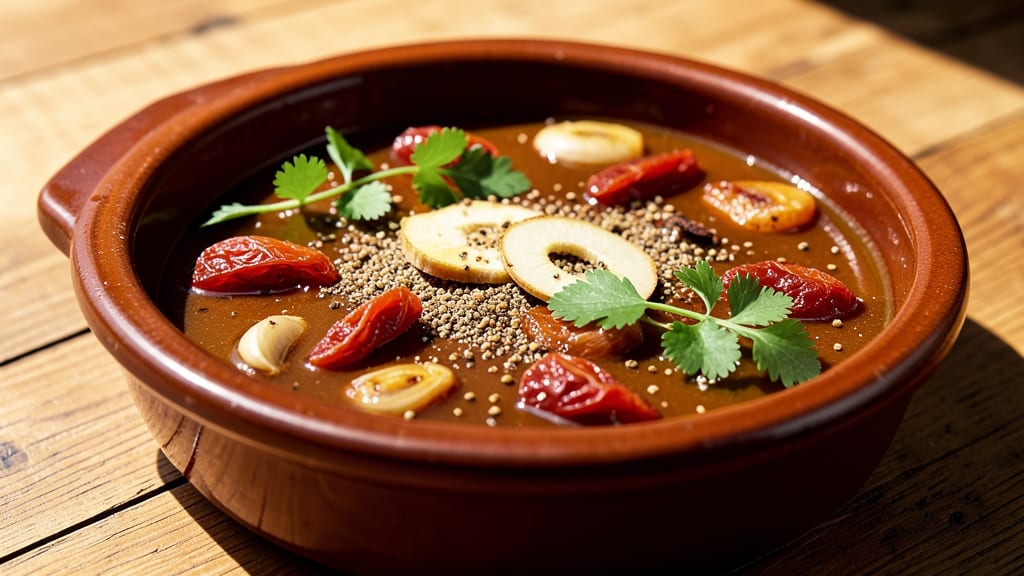
This apricot and coriander tagine sauce recipe transforms ordinary meals into Moroccan-inspired delights with just a few simple ingredients and a single pot. The perfect balance of sweet, tangy, and aromatic flavors comes together through slow simmering, where apricots caramelize and coriander releases its bright, citrusy notes.
What makes this sauce truly special is how effortlessly it elevates grilled meats, couscous, or even roasted vegetables—adding depth and complexity without overpowering the dish.
The foundation of this recipe lies in its simplicity and versatility. You’ll start with dried apricots, which soften beautifully while releasing their natural sweetness, while fresh coriander (or cilantro) adds a vibrant, herbal brightness.
Warm spices like cumin, cinnamon, and a touch of ginger round out the flavor profile, creating a sauce that’s rich yet refreshing. The best part? It requires minimal active time—just 20 minutes of simmering and blending, with flavors deepening as it rests.
What you’ll end up with is a smooth, velvety sauce with pockets of tender apricot and flecks of fresh coriander, ready to drizzle over grilled lamb, chicken, or even as a dip for crusty bread.
The sweetness of the apricots plays beautifully against the earthy warmth of the spices, making this sauce a restaurant-quality condiment that’s surprisingly easy to recreate at home.
It keeps well in the fridge for up to a week, so you can make a big batch and enjoy it throughout the week.
Whether you’re serving a Moroccan feast or simply want to add a touch of exotic flair to a weeknight dinner, this sauce delivers bold, balanced flavors that will have everyone asking for seconds. Let’s get started—your taste buds are about to take a trip to Marrakech.
Ingredients for apricot and coriander tagine sauce
Moroccan-inspired flavors start with these simple yet transformative ingredients for your tagine sauce.
| Ingredient | Amount | Notes |
|---|---|---|
| Dried Apricots 🍑 | ½ cup | Chopped into small pieces |
| Fresh Coriander 🌿 | ½ cup | Stems removed, loosely packed |
| Ground Cumin 🌶️ | 1 tbsp | Toasted for deeper aroma |
| Ground Cinnamon 🌿 | ½ tsp | Ceylon preferred for mild flavor |
| Fresh Ginger 🧄 | 1 tbsp | Finely grated, skin on |
| Garlic Cloves 🧄 | 3 cloves | Minced, skin removed |
| Extra-Virgin Olive Oil 🫒 | ¼ cup | Light fruity variety preferred |
| Vegetable Stock 💧 | 1 cup | Low-sodium preferred |
| Lemon Juice 🍋 | 1 tbsp | Freshly squeezed |
| Sea Salt 🧂 | ½ tsp | Diamond Crystal preferred |
| Black Pepper 🌶️ | ¼ tsp | Freshly cracked |
The dried apricots are the heart of this sauce—look for plump, moist ones in the baking aisle or bulk bins at Whole Foods. Fresh coriander (or cilantro) is non-negotiable; Middle Eastern markets often have the brightest, most vibrant bunches. For the ginger, young, tender roots work best—skip the fibrous older ones. Toast your cumin seeds in a dry pan for 30 seconds before grinding to release their aroma, but pre-ground works in a pinch. The garlic should be freshly minced—jarred minced garlic lacks the bright punch.
No fresh coriander? Dried cilantro at half the amount works, though it won’t have the same vibrancy. Out of apricots? Dried dates or prunes add similar sweetness, though the texture will differ. The olive oil matters—avoid strong, peppery varieties that’ll overpower the delicate flavors. For the stock, homemade is ideal, but even basic low-sodium vegetable stock from a box elevates this sauce. The lemon juice can be bottled, but freshly squeezed brightens the entire dish. Skip the cinnamon if you dislike warmth—cardamom adds a different but equally exotic note.
This sauce tastes even better the next day as flavors meld. Store in an airtight jar in the fridge for up to 7 days, or freeze for 3 months in ice cube trays for single-use portions. The apricots soften further with time, becoming almost jam-like—perfect for drizzling. For extra richness, stir in a spoonful of tahini before serving. The sauce thickens as it cools, so add a splash of water if it becomes too stiff when reheating.
Why You'll Love This Recipe
- No-Fuss Pantry Magic: I swear by this sauce when I’ve got nothing but dried apricots and a handful of spices. Soak those apricots in warm water for 15 minutes—that’s it—then toss them with cumin, cinnamon, and ginger while the kettle boils. The sauce thickens as it simmers, and honestly? I’ve made it twice with the same ingredients, just different proteins.
- Sweet-Savory Balance: That first bite of warm apricot with the bright zing of fresh coriander? It’s like a hug for your taste buds. The cumin and cinnamon ground the sweetness, while the ginger adds a little kick—like dessert and a spice rub had a baby. (Yes, even my kids ask for seconds, and they’re picky.)
- Weeknight to Dinner Party: Slather it on grilled chicken for a quick weeknight dinner, or drizzle it over couscous for guests—it’s that adaptable. I’ll be real: I’ve used it as a glaze for roasted carrots and even as a dip with pita. The sauce keeps well in the fridge, so I make a big batch and stretch it across three meals.
- Budget-Friendly Luxury: Dried apricots and spices cost pennies, but this sauce tastes like I spent hours in the kitchen. Between us, it’s my go-to when I’m broke but still want flavor. Plus, the leftovers? They’re even better the next day—thicker, richer, and just as delicious. No waste, all win.
Step-by-step instructions for apricot and coriander tagine sauce
This Moroccan-inspired sauce delivers perfect balance—sweet dried apricots meet bright coriander and warm spices in a single pot.
Toast the Spices for Depth of Flavor
Heat a small dry skillet over medium-low heat. Add the 1 tablespoon ground cumin and ½ teaspoon ground cinnamon, stirring constantly for 1-2 minutes until fragrant and lightly toasted. You'll smell the warm, earthy aroma of cumin first, then the subtle sweetness of cinnamon—this is your cue to remove the pan from heat immediately.
Transfer the toasted spices to a small bowl and set aside. This quick toasting step enhances their natural flavors and prevents bitterness in the finished sauce. I always toast spices separately before adding them to the pot—it makes a noticeable difference in complexity.
Sauté Aromatics Until Fragrant
In a heavy-bottomed saucepan, heat the ¼ cup extra-virgin olive oil over medium heat until shimmering. Add the 3 minced garlic cloves and 1 tablespoon finely grated fresh ginger (with skin on), cooking for 1-2 minutes until the garlic turns golden and the ginger becomes slightly translucent.
Add the ½ cup chopped dried apricots and cook for another 2 minutes, stirring occasionally. The apricots will begin to soften and release their natural sweetness, which will permeate the entire sauce. Here's where it gets good—watch for the apricots to plump slightly and the mixture to take on a beautiful caramelized hue around the edges.
Build the Sauce with Stock and Spices
Pour in the 1 cup vegetable stock and bring to a gentle simmer. Stir in the toasted spices, then add the ½ cup fresh coriander (stems removed) and ½ teaspoon sea salt. Let the mixture simmer uncovered for 10-12 minutes until the liquid reduces by about ¼, creating a thick, syrupy consistency.
Real talk: This is where the magic happens. The stock should cling to the back of a spoon when you lift it. If it reduces too quickly, add 1-2 tablespoons water to maintain balance. The coriander will soften but retain its bright, citrusy notes—this is what keeps the sauce from becoming too heavy.
Finish with Acid and Pepper
Remove the pan from heat and stir in the 1 tablespoon freshly squeezed lemon juice and ¼ teaspoon freshly cracked black pepper. Taste and adjust seasoning—you might need a touch more salt or lemon to balance the sweetness and spice. The sauce should be vibrant, with bright apricot sweetness, herbal coriander, and warm spice notes.
Let the sauce sit off heat for 5 minutes before serving. This resting period allows the flavors to meld completely. The texture should be thick enough to coat the back of a spoon but still have a silky, velvety quality. Serve warm over couscous, grilled chicken, or with crusty bread for dipping.
Pro Tips For Making Apricot And Coriander Tagine Sauce
- SOAK THE APRICOTS: Dried apricots are stubborn—soak them in warm water for at least 20 minutes before using. I learned this the hard way: dry, chewy apricots turn your sauce into a sad, grainy mess instead of silky sweetness.
- GRIND THE GINGER FINE: A quick pulse in the food processor (not a coarse chop) makes all the difference. Fresh ginger needs to dissolve into the sauce, not sit as stubborn chunks—especially when paired with cinnamon and cumin, which need space to shine.
- SWEAT THE SPICES LOW: Start cumin and cinnamon on medium-low heat for 30 seconds before adding liquids. After burning two batches, I finally realized: these spices need to bloom gently, or they’ll turn bitter and overpower the apricot’s natural sweetness.
- STRAIN THE CORIANDER LAST: Add fresh coriander leaves at the very end, just before serving. Straining them earlier releases bitterness—save the bright, fresh flavor for when the dish hits the plate, where it’ll make the biggest impact. (Yes, even if you’re impatient like me.)
Flavor customization for apricot and coriander tagine sauce
Sweet Heat Balance
Adjust the sweet-to-spice ratio by adding 1-2 teaspoons of harissa paste for a smoky kick or ½ teaspoon of cayenne pepper for a subtle heat. I find that ½ teaspoon harissa enhances the Moroccan flavors beautifully without overpowering the apricot's natural sweetness.
For those who prefer milder heat, a pinch of smoked paprika adds depth without spiciness. 🌶️
Herb Variations
Swap the coriander for fresh mint (about ¼ cup) to create a refreshing twist that pairs perfectly with lamb dishes. For a more Mediterranean touch, blend in 1 tablespoon chopped fresh parsley and ½ teaspoon dried thyme to balance the apricot's sweetness.
Both variations work well when added at the end of cooking.
Citrus Infusions
Brighten the sauce with 1 teaspoon of orange zest or ½ teaspoon of cardamom pods (lightly crushed) to complement the apricot's natural sweetness. I love adding orange zest during the simmering stage—it infuses beautifully and adds a zesty contrast.
For a more intense citrus note, replace the lemon juice with 1 tablespoon of orange juice (freshly squeezed) at the end.
Richness Boosters
Stir in 1 tablespoon of tahini (well thinned with water) or ½ teaspoon of ground fenugreek for a nutty depth that pairs wonderfully with grilled meats. Tahini adds creaminess, while fenugreek introduces a subtle bitterness that rounds out the sweetness.
Both work best when incorporated during the final 5 minutes of simmering to preserve their unique flavors.
Texture Adjustments
For a chunkier texture, blend only half the sauce and leave the other half with visible apricot pieces. Alternatively, add 1-2 tablespoons of toasted almonds (finely chopped) or pomegranate seeds for crunch. These additions work beautifully as a garnish or mixed directly into the sauce for contrast. 💛
Regional Twists
Transform this sauce into a Tunisian-inspired version by adding ½ teaspoon of ground coriander and ¼ teaspoon of saffron threads (steeped in 1 tablespoon warm water). For a Levantine touch, include 1 teaspoon of sumac and ½ teaspoon of allspice to create a tangier, more complex profile.
Both variations elevate the dish while staying true to the original concept.
Nutrition facts
Frequently asked questions
Can I use fresh apricots instead of dried?
Fresh apricots won't work the same way—they'll break down too quickly and make the sauce watery. The dried version provides concentrated sweetness and texture that holds up during simmering. If you must use fresh, blend them into a purée first and reduce it with the stock, but expect less depth of flavor.
How do I make this sauce spicier?
Add ½ to 1 teaspoon of harissa paste during the final simmer or a pinch of cayenne pepper at the end. For smoky heat, stir in ¼ teaspoon of smoked paprika with the spices. Remember: start with less and adjust to taste—this sauce is meant to complement, not dominate, your dish.
Can I prepare this sauce ahead of time?
This sauce actually tastes better the next day as flavors meld. Store in an airtight container in the fridge for up to 7 days, or freeze in ice cube trays for single-use portions (up to 3 months). The texture will thicken further when chilled—just thin with water if needed before reheating.
What's the best way to serve this sauce?
Drizzle over grilled meats like lamb or chicken, spoon onto couscous, or serve as a dip with warm pita bread. For extra presentation, garnish with toasted almonds or fresh coriander. The sauce's sweet-spiced profile works beautifully with roasted vegetables too—try it with eggplant or zucchini for a vegetarian option.
Why does my sauce taste bitter?
Overcooking the spices or using too much cinnamon can cause bitterness. Toast spices lightly (just until fragrant) and use the recommended amounts. If it's too strong, balance with more lemon juice or a splash of water. The sauce should be vibrant, not harsh—taste as you go and adjust gradually.