
Sauces & Condiments
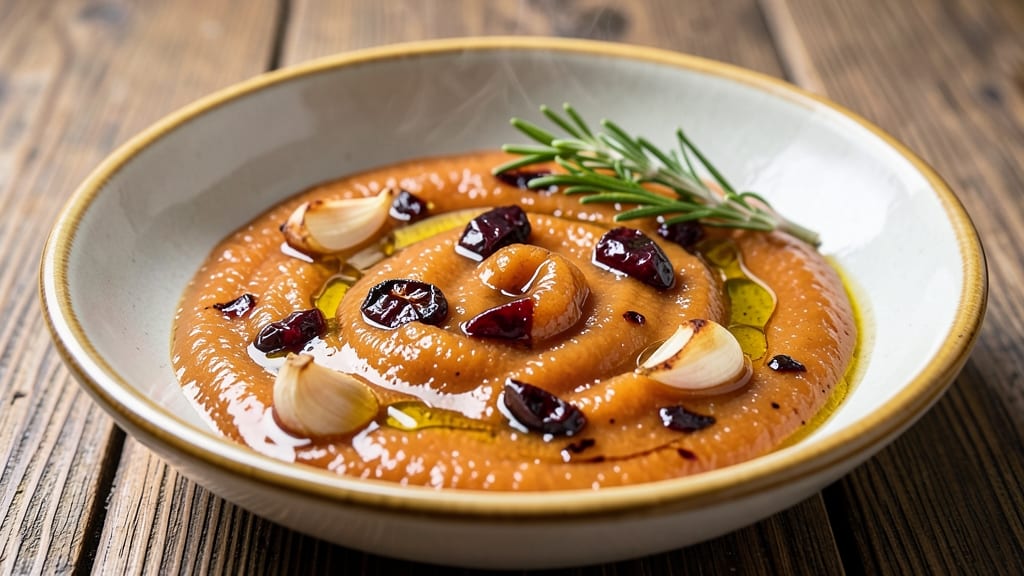
This apricot chipotle sauce recipe transforms grilled meats with a perfect balance of sweet-tangy fruit and smoky heat. The secret lies in simmering apricot purée with chipotle peppers in adobo, creating a rich, velvety sauce that clings beautifully to chicken, pork, or even roasted vegetables.
I developed this after craving a sauce that could stand up to bold flavors without overpowering them—and it delivers every time.
The process is simple yet transformative: blend the ingredients, reduce them into a glossy consistency, and adjust the sweetness to your taste. What makes this sauce special is its versatility—it works as a marinade, a finishing drizzle, or even a dip for tacos.
The apricots provide natural sweetness that caramelizes slightly when heated, while the chipotle adds depth without overwhelming bitterness.
By the end, you’ll have a sauce that’s smooth, aromatic, and deeply flavorful, with just the right amount of heat to complement grilled dishes. The best part?
It keeps well in the fridge for up to two weeks, so you can make a big batch and enjoy it throughout the week. This isn’t just a sauce—it’s a flavor enhancer that turns simple meals into something extraordinary.
Ready to elevate your dishes? Let’s make this sauce—your taste buds will thank you.
Ingredients for apricot chipotle sauce
Eight ingredients, endless flavor—this sauce is your secret weapon for grilled dishes.
| Ingredient | Amount | Notes |
|---|---|---|
| Apricot Purée 🍑 | 1 cup | High-quality, unsweetened preferred |
| Chipotle Peppers in Adobo 🌶️ | 2 whole | With 2 tbsp adobo sauce reserved |
| Extra-Virgin Olive Oil 🫒 | ½ cup | For richness and smoothness |
| Garlic Cloves 🧄 | 3 cloves | Fresh, minced for depth |
| Apple Cider Vinegar 🍎 | 1 tbsp | Brightens the sauce |
| Honey 🍯 | 1 tbsp | Balances heat (adjust to taste) |
| Ground Cumin 🌿 | ½ tsp | Earthy warmth |
| Salt 🧂 | ½ tsp | Diamond Crystal preferred |
| Black Pepper 🌶️ | ¼ tsp | Freshly ground for finish |
The apricot purée is non-negotiable here—store-bought works, but homemade (blend pitted apricots with water) tastes even better. Chipotle peppers in adobo? Trader Joe's or Mexican markets usually carry the best quality. Save that adobo sauce—the extra 2 tbsp adds depth. For the purée, Mott's or Bonne Maman are reliable brands. The olive oil should be fruity, not bitter—California brands like Bertolli are my go-to. Fresh garlic makes all the difference, but if you’re in a pinch, jarred minced works (just rinse it first).
No apricot purée? Mango purée or peach purée works in a pinch, but the caramelization won’t be the same. Short on honey? Maple syrup or agave keeps it vegan-friendly. The adobo sauce can’t be skipped—it’s what gives the sauce that smoky backbone. If you’re sensitive to heat, use just one chipotle pepper and save the rest for next time. The cumin is key for that earthy note, but if you’re out, smoked paprika at half the amount works. Salt is your friend here—taste as you go!
This sauce tastes even better the next day as the flavors meld. Store it in a glass jar in the fridge for up to 2 weeks. Double the batch—it’s perfect for marinades, tacos, or drizzling over grilled veggies. Freezes beautifully for up to 3 months if you want to prep ahead. Just stir before using, and if it thickens, add a splash of water to loosen it up.
Why You'll Love This Recipe
- Five-Ingredient Magic: I swear, this sauce comes together with just a few pantry staples—no fancy techniques, no stress. Simmer the apricot purée and chipotle in adobo until they meld into something rich and smoky, then finish with garlic and vinegar. Honestly? It’s the kind of recipe that makes me feel like I’ve earned my dinner.
- Sweet Heat Balance: That first bite of tangy-sweet with a whisper of smoky chipotle? It’s the kind of flavor that sticks with you. The apricot purée cuts through the heat while the vinegar brightens everything up—like a hug for your taste buds, but with more depth.
- Weeknight to Dinner Party: Slather it on grilled chicken for a weeknight dinner, drizzle it over roasted veggies for a fancy-ish side, or toss it with tofu for a quick weeknight meal. Between us, it’s the secret weapon I pull out when I don’t want to cook but still crave something memorable.
- Leftovers That Last: Make a big batch—it keeps for days in the fridge—and the flavor only gets better. I’ve used it to glaze pork tenderloin, stir into beans, or even mix into yogurt for a dip. Not the prettiest, but the taste makes up for it every time.
Step-by-step instructions for apricot chipotle sauce
This sauce brings together sweet, smoky, and tangy flavors in just minutes—perfect for drizzling over grilled meats.
Toast the Chipotle Peppers and Garlic
Remove the seeds and membranes from the 2 whole chipotle peppers in adobo, but keep the 2 tablespoons of adobo sauce reserved for later. Heat a small skillet over medium heat and add the peppers and 3 cloves garlic cloves, mincing the garlic right in the pan. Toast for 2-3 minutes until the peppers darken slightly and the garlic releases its aroma—this deepens the smoky flavor without burning.
Watch closely after 1 minute—the peppers can char quickly. Once fragrant, transfer the peppers and garlic to a blender or food processor. Here's the thing: toasting the peppers first intensifies their heat and complexity, so don't skip this step. The adobo sauce will add moisture later, but the toasted peppers are the backbone of the sauce's depth.
Blend the Sauce Base
Add the 1 cup apricot purée, 0.5 cup extra-virgin olive oil, 1 tablespoon apple cider vinegar, and the reserved 2 tablespoons adobo sauce to the blender with the toasted peppers and garlic. Blend on high for 30-45 seconds until completely smooth. The sauce should be thick but pourable—like a glossy glaze. If it's too thick, add 1-2 tablespoons water to reach your desired consistency.
Taste the mixture before adding seasonings. The apricot purée should be the sweet foundation, while the chipotle peppers bring the smoky heat. If it tastes too sweet, you can adjust later with vinegar or honey, but starting balanced saves time. The olive oil ensures a silky texture, so don't substitute with lighter oils—they won't emulsify as well.
Season and Simmer
Transfer the blended sauce to a small saucepan and place over medium-low heat. Add the 1 tablespoon honey, 0.5 teaspoon ground cumin, 0.5 teaspoon salt, and 0.25 teaspoon black pepper, stirring constantly to dissolve the spices. Let the sauce simmer for 5-7 minutes, stirring occasionally, until it thickens slightly and coats the back of a spoon. You're looking for a glossy finish—this means the flavors have melded perfectly.
Here's where it gets fun: the honey and vinegar balance the smoky chipotle, while the cumin adds an earthy warmth. If the sauce starts to separate, whisk in another 1 tablespoon of water to help it emulsify. The goal is a smooth, velvety texture that clings beautifully to grilled meats. Don't rush this step—simmering allows the flavors to develop fully.
Strain and Serve
Remove the sauce from heat and let it cool for 5 minutes. Then, strain it through a fine-mesh sieve into a clean bowl or jar to remove any remaining pepper skins or garlic bits. This step ensures a silky texture without any grit. Taste and adjust the seasoning—add more honey if it needs sweetness, or a splash of apple cider vinegar if it needs brightness. The sauce should be bold but balanced, with a perfect harmony of sweet, smoky, and tangy flavors.
This sauce keeps well in the refrigerator for up to 1 week, so make extra for future grilling sessions. It's ideal for drizzling over grilled chicken, pork, or even as a dip for roasted vegetables. The key to its success lies in the balance—too much heat, and the sweetness gets lost; too little, and the smokiness fades. But when it's just right, it's pure magic on a plate.
Pro Tips For Making Apricot Chipotle Sauce
- Simmer Slow and Steady: This sauce isn’t a race—bring it to a gentle simmer and let it bubble for at least 10 minutes. I used to rush it, and the flavors never married right. Low heat keeps the chipotle from turning bitter and lets the apricot’s sweetness soften properly.
- Mince, Don’t Chop, the Chipotle: Finely mince the chipotle peppers with a knife (not a food processor) for even heat distribution. I learned this the hard way—lumps mean uneven spice bursts, and you’ll taste it every bite. A quick pulse in a mini chopper works, but control matters more.
- Roast the Garlic First: Lightly char the garlic cloves in olive oil for 5 minutes before adding them to the sauce. The caramelized depth cuts through the vinegar’s sharpness and adds a smoky layer that balances the chipotle’s heat. (Yes, even if you’re impatient like me.)
- Strain for Smoothness: If you want a silky texture, strain the finished sauce through a fine-mesh sieve. The adobo sauce and seeds can make it gritty, and no one wants to bite into that while eating tacos or drizzling over grilled chicken. Five extra seconds now save frustration later.
Flavor customization for apricot chipotle sauce
Sweet-Smoky Heat Balance
Adjust the chipotle-to-apricot ratio to control heat intensity. For milder heat, reduce chipotle peppers to 1 whole pepper and add ½ teaspoon smoked paprika for depth. If you prefer extra heat, increase to 3 peppers and add ¼ teaspoon cayenne for a fiery kick.
I’ve found that 1:1 ratio (1 cup apricot purée to 2 peppers) gives the perfect balance for grilled meats. 🌶️
For a sweeter profile, add 1 extra tablespoon of honey or 1 teaspoon of maple syrup. If you want more tang, increase the apple cider vinegar to 1½ tablespoons.
The goal is harmony—too much sweetness masks the smoky chipotle, while too much acidity can overpower the fruit’s richness.
Spice Variations
Swap ground cumin for ½ teaspoon coriander and ¼ teaspoon cinnamon for a Middle Eastern twist. This combo adds warmth without overpowering the apricot’s natural sweetness. I’ve used this variation for Moroccan-style grilled lamb with stunning results. The cinnamon also pairs beautifully with the chipotle’s smokiness. 🌿
For a Mexican-inspired kick, add ½ teaspoon dried oregano and ¼ teaspoon onion powder. This works amazingly with grilled shrimp tacos or as a dip for queso fresco and tortilla chips.
The oregano enhances the earthy notes, while the onion powder adds a subtle depth that complements the chipotle.
Fruit Swaps
Replace apricot purée with mango purée for a tropical twist—it’s sweeter and pairs well with grilled pineapple. Use ½ cup mango purée and reduce honey to ½ tablespoon to avoid over-sweetening. The mango’s acidity also balances the chipotle’s heat beautifully. 🍍
For a richer, deeper flavor, try peach purée—it’s less tangy but adds a creamy texture. I’ve used this in grilled chicken salads with avocado and arugula.
The peach’s subtle sweetness lets the chipotle shine without competing. Just be sure to use ripe, fully cooked peaches for the best texture.
Texture Adjustments
For a chunkier sauce, blend only half the ingredients and leave the peppers slightly whole. This works well as a dipping sauce for grilled veggies or spring rolls. The texture adds contrast, and the peppers release their smokiness in every bite. 🥕
For a smooth, glossy finish, simmer the sauce longer—10-12 minutes—until it reaches a thin glaze consistency. This is perfect for drizzling over grilled meats or roasted squash.
The longer simmer caramelizes the apricot sugars, creating a sticky, irresistible glaze. Just watch closely to avoid burning.
Nutrition facts
Frequently asked questions
Can I make this sauce without apricot purée?
Yes! Use ½ cup mango purée for a tropical twist or peach purée for a creamier texture. Just reduce honey to ½ tablespoon if using mango to avoid over-sweetness. The fruit's natural acidity helps balance the smoky chipotle beautifully.
How do I adjust the heat level?
For milder heat, use 1 chipotle pepper and add ½ teaspoon smoked paprika. For extra spice, increase to 3 peppers and add ¼ teaspoon cayenne. The key is maintaining the 1:1 ratio between fruit and peppers for balance. Taste as you go!
Can I use fresh chipotle peppers instead of canned?
Fresh chipotles are much hotter and less smoky than canned. If using them, reduce to ½ pepper and add 1 extra tablespoon of adobo sauce for smokiness. Toast them longer (4-5 minutes) to develop their flavor. Fresh peppers work best in marinades rather than sauces.
What's the best way to store leftover sauce?
Store in an airtight glass jar in the fridge for up to 2 weeks. For longer storage, freeze for 3 months. Thaw in the fridge overnight. If it thickens upon reheating, whisk in 1 tablespoon water to restore smoothness. The flavors actually improve overnight!
What are the best proteins to pair with this sauce?
This sauce shines with grilled chicken, pork chops, or shrimp. It also works as a marinade for tofu or halloumi cheese. For vegetarian options, try drizzling it over roasted eggplant or grilled portobello mushrooms. The sauce's balance makes it versatile!