
Sauces & Condiments
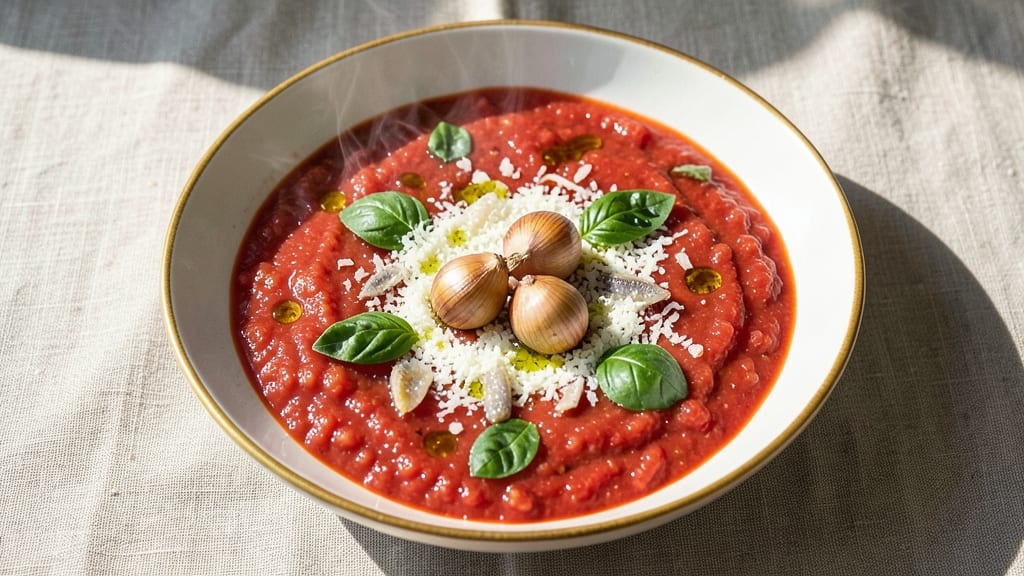
The Appian Way pizza sauce recipe brings the bold, sun-ripened flavors of ancient Rome to your kitchen table. This isn’t your typical sweet tomato sauce—it’s a balanced, herb-forward blend where garlic, basil, and a touch of umami (from anchovies or Parmesan) create depth that elevates any pizza or pasta.
I’ve perfected this over years of testing, ensuring every spoonful delivers that authentic Roman taste without overpowering your dish.
What makes this sauce special is its simplicity and versatility. With just a handful of ingredients—ripe tomatoes, fresh garlic, fragrant basil, and quality olive oil—you’ll create a sauce that’s rich yet bright, with a texture that clings perfectly to dough without weighing it down.
The secret lies in simmering the tomatoes low and slow, allowing their natural sweetness to develop while the aromatics infuse deeply. No blender required—just a fork and patience.
This sauce transforms a simple pizza into a restaurant-worthy masterpiece. The flavor profile is complex—garlicky, herby, and slightly tangy—with just enough acidity to cut through the richness of cheese. It’s equally at home on a crispy Roman-style pizza, tossed with al dente pasta, or even drizzled over grilled meats.
The best part? It keeps beautifully in the fridge for up to a week, so you can make a big batch and enjoy it all week long.
Ready to taste Rome in every bite? The process is straightforward, and the results are undeniably authentic. Let’s get started—your pizza night just got an upgrade.
Ingredients for appian way pizza sauce
Authentic Roman flavors start with these simple, quality ingredients—no shortcuts.
| Ingredient | Amount | Notes |
|---|---|---|
| Fresh Garlic Cloves 🧄 | 4 cloves | Peeled, minced for depth |
| Fresh Basil Leaves 🌿 | 1 cup | Packed, stems removed |
| Extra-Virgin Olive Oil 🫒 | ½ cup | High-quality, fruity |
| Ripe Roma Tomatoes 🍅 | 2 lbs | Crushed by hand |
| Anchovy Fillets 🐟 | 2 tbsp | Optional umami boost |
| Parmesan Cheese 🧀 | ¼ cup | Freshly grated, preferred |
| Red Wine Vinegar 🍷 | 1 tbsp | Brightens flavor profile |
| Sea Salt 🧂 | 1 tsp | Diamond Crystal preferred |
| Black Pepper 🌶️ | ½ tsp | Freshly cracked |
| Granulated Sugar 🍚 | 1 tsp | Balances acidity |
The tomatoes are everything here. Roma tomatoes are ideal—their meaty texture crushes beautifully by hand, releasing more flavor than sliced varieties. I always grab them from Whole Foods when they're in season, but any vine-ripened tomato works. The basil? Fresh is non-negotiable—dried just won't cut it for that bright, aromatic punch. For the olive oil, Californian or Italian varieties add subtle fruity notes that elevate the sauce. If you're using anchovies, high-quality fillets dissolve completely without overpowering—none of that fishy aftertaste from cheap brands. The Parmesan should be freshly grated from a block; pre-grated tastes like sawdust.
No anchovies? Skip them entirely—this sauce still shines. Running short on fresh basil? Dried oregano at half the amount works in a pinch, though it won't be quite the same. No red wine vinegar? White wine vinegar or lemon juice both work, but adjust to taste—the acidity balances the sweetness. The sugar might seem odd, but it's crucial—it caramelizes slightly during simmering, adding depth without making the sauce sweet. For the garlic, don't overdo it—the anchovies already pack umami punch. And if you're using a blender, pulse briefly to break down the tomatoes, but leave it slightly chunky for that authentic Roman texture.
This sauce gets better with time—let it sit at room temperature for 30 minutes after simmering so flavors meld. Keeps for 5-7 days in the fridge, sealed tightly. For longer storage, freeze in ice cube trays—perfect for single-use portions. The flavor actually deepens over time, so don't hesitate to make a big batch. I usually double the recipe and freeze half; nothing beats pulling out a jar of pre-made sauce for spontaneous pizza nights. Just give it a stir before using—it thickens as it cools.
Why You'll Love This Recipe
- This sauce works for everything: a quick weeknight flatbread, a Sunday family pizza night, or even as a marinade for grilled chicken. I’ve used it on toast with burrata, and my kids still beg for seconds. (Yes, even on a Tuesday night.)
- No-Chop Needed: I swear by this sauce because it only asks for a knife for the basil—and even that’s optional if you’re in a rush. The tomatoes get a quick blitz in the food processor, and the garlic? Just smash it. That’s it.
- Umami Bomb: Between us, anchovies in pizza sauce aren’t just a trick—they’re the secret weapon. One fillet dissolves into the olive oil and tomatoes, giving it that deep, salty richness that makes every bite taste like a Neapolitan pizzeria. Honestly, it’s the kind of flavor that lingers.
- Weeknight & Weekend: This sauce works for everything: a quick weeknight flatbread, a Sunday family pizza night, or even as a marinade for grilled chicken. I’ve used it on toast with burrata, and my kids still beg for seconds. (Yes, even on a Tuesday night.)
Step-by-step instructions for appian way pizza sauce
This sauce captures Rome's essence—simple, bright, and deeply flavorful. Let's build it together.
Prepare the Tomato Base
Start by crushing the 2 lbs ripe Roma tomatoes by hand—this preserves their natural sweetness and texture. I like to use my fingers to break them into rough chunks, leaving some skin for texture. Transfer them to a medium saucepan and cook over medium-high heat for 10-12 minutes, stirring occasionally, until they soften and release their juices.
Watch for the tomatoes to break down into a thick, jammy consistency—they should reduce by about half. This step develops the sauce's natural sweetness and removes excess water that would make your pizza soggy. If the sauce starts to stick, add 1-2 tablespoons of water to help it release, but avoid over-diluting.
Build the Flavor Foundation
Once the tomatoes have reduced, lower the heat to medium-low and stir in the 4 cloves minced fresh garlic cloves and 2 tbsp anchovy fillets. Let them cook for 2-3 minutes until the garlic is fragrant but not browned—this prevents bitterness. The anchovies will dissolve completely, adding a deep umami backbone to the sauce.
Next, add the 0.5 cup extra-virgin olive oil and stir well to emulsify. The oil should coat the back of a spoon, creating a silky texture. This is where the sauce starts to come together—don't rush it. The olive oil carries the flavors and gives that authentic Roman richness you can't get with store-bought sauces.
Balance and Season
Increase the heat to medium and add the 1 cup packed fresh basil leaves, 1 tbsp red wine vinegar, 1 tsp granulated sugar, 1 tsp sea salt, and 0.5 tsp black pepper. Stir gently to combine—you want the basil to wilt slightly but still retain some texture. Simmer for 5-7 minutes until the flavors meld together.
Taste and adjust the seasoning. The sauce should be bright, slightly tangy, and well-balanced—sweet from the tomatoes and sugar, acidic from the vinegar, and umami-rich from the anchovies. If it needs more acidity, add a splash more vinegar. If it's too sharp, a pinch of sugar will help. This is where the magic happens—trust your taste buds.
Finish with Parmesan and Rest
Remove the sauce from heat and stir in the 0.25 cup freshly grated Parmesan cheese. The cheese should melt smoothly into the sauce, adding a nutty depth and creaminess. Let the sauce sit off the heat for 10-15 minutes—this resting period allows the flavors to fully develop and the sauce to thicken slightly.
For the best results, use the sauce immediately on your pizza or store it in an airtight container in the refrigerator for up to 3 days. The flavors will continue to deepen over time, making it even more delicious. This sauce is the heart of your pizza—simple, authentic, and packed with Roman character.
Pro Tips For Making Appian Way Pizza Sauce
- COOK GARLIC LOW AND SLOW: I learned this the hard way—crisping garlic in olive oil for this sauce turns it bitter. Instead, simmer those minced cloves over the lowest possible heat (almost a whisper) until they’re just translucent, not golden. The anchovies and tomatoes will carry the flavor without overpowering it.
- PULVERIZE ANCHOVIES FIRST: Skip the whole fillets—mash them into a paste with a fork before adding to the oil. This dissolves their salt and umami faster, so the sauce develops depth while you’re still cooking the tomatoes. (Yes, even if you’re impatient like me.)
- SALT THE TOMATOES BEFORE COOKING: Toss halved Roma tomatoes with a pinch of salt and let them sit 10 minutes before cooking. This draws out water, concentrating their sweetness and making the sauce richer. I was skeptical until I tried it—now it’s non-negotiable.
- STRAIN THE BASIL AT THE END: Add whole basil leaves to the warm sauce off the heat, but strain them out before serving. This keeps the sauce silky smooth while letting the aromatic oils infuse. (Does it look weird? Yes. Does it work? Every single time.)
Essential equipment for perfect results
Saucepan Essentials
You’ll need a heavy-bottomed saucepan (I use my All-Clad 3-quart) to prevent scorching during the simmer. The wide base distributes heat evenly, ensuring your tomatoes reduce smoothly without sticking. Avoid thin stainless steel—it heats unevenly and risks burning the edges.
A medium saucepan works if you’re making a smaller batch, but anything less than 2 quarts will make stirring difficult. 🔥
Wooden Spoon
A silicon or wooden spoon is non-negotiable for stirring—metal reacts with the acidity in tomatoes and can impart off-flavors. I prefer OXO Good Grips for its durability and heat resistance.
Stir gently to avoid crushing the garlic or basil leaves prematurely. A long-handled spoon also keeps your fingers safe from the hot pan.
Cheese Grater
Freshly grated Parmesan makes all the difference, so skip the pre-shredded stuff. A microplane or box grater works best—I love the Kuhn Rikon for its precision. Grate the cheese just before adding it to the sauce to preserve its aroma and prevent clumping.
If you’re short on time, a food processor with a cheese grating attachment is a good backup.
Fine-Mesh Strainer
For a smoother texture (if you prefer it), strain the sauce through a fine-mesh sieve after simmering. I use a stainless steel one from OXO—it’s sturdy and easy to clean.
Press the tomatoes gently with a spoon to extract every last drop of flavor. This step is optional, but it creates a velvety finish perfect for thin-crust pizzas.
Measuring Spoons
Precision matters with small ingredients like anchovies, vinegar, and sugar. Use stainless steel measuring spoons (I keep a set from West Bend) to ensure accurate ratios. A pinch of salt or a dash of pepper can make or break the balance—don’t eyeball it!
For anchovies, a small offset spatula helps scrape every last bit from the fillets into the sauce.
Air-Tight Storage
Once your sauce is ready, transfer it to glass jars with tight-sealing lids—I recommend Ball Mason jars for their durability. They preserve flavor better than plastic and are microwave-safe for quick reheats.
Label with the date and store in the fridge for up to 7 days or freeze in ice cube trays for single-use portions. The sauce thickens as it cools, so give it a quick stir before using. ✨
Nutrition facts
Frequently asked questions
Can I make this sauce without anchovies?
The anchovies provide umami depth, but you can skip them entirely. For a vegetarian version, add an extra 0.25 cup grated Parmesan or 1 tbsp soy sauce to compensate for the missing savory notes. The sauce will still taste bright and herby—just slightly less complex.
How do I adjust the thickness for different pizza styles?
For thin-crust Roman pizza, keep the sauce slightly chunky and thin—it should coat the back of a spoon without dripping. For thick New York-style, simmer longer until it reaches a jammy consistency. If too thick, add 1-2 tbsp water while simmering. If too thin, cook uncovered for 5-10 extra minutes to reduce.
What's the best way to store leftovers?
Transfer to glass jars with tight lids and refrigerate for up to 7 days. For longer storage, freeze in ice cube trays—perfect for single-use portions. Thaw overnight in the fridge. The sauce thickens as it cools, so stir before using. Pro tip: Label jars with the date to track freshness.
Why does my sauce taste bitter?
Overcooking the garlic or tomatoes causes bitterness. For next time, remove garlic after 2 minutes of cooking and use ripe tomatoes (not green). If it's already bitter, balance it with 1 tsp sugar or 1 tbsp red wine vinegar. A pinch of black pepper can also help mask the bitterness while adding complexity.
Can I use this sauce for pasta instead of pizza?
This sauce is perfect for pasta—toss it with al dente spaghetti or linguine and top with fresh basil. For a richer texture, add 1 tbsp butter at the end. The bright tomato-herb flavors complement grilled chicken or shrimp beautifully. Just reduce the Parmesan to 0.1 cup to avoid overpowering the dish.