
Sauces & Condiments
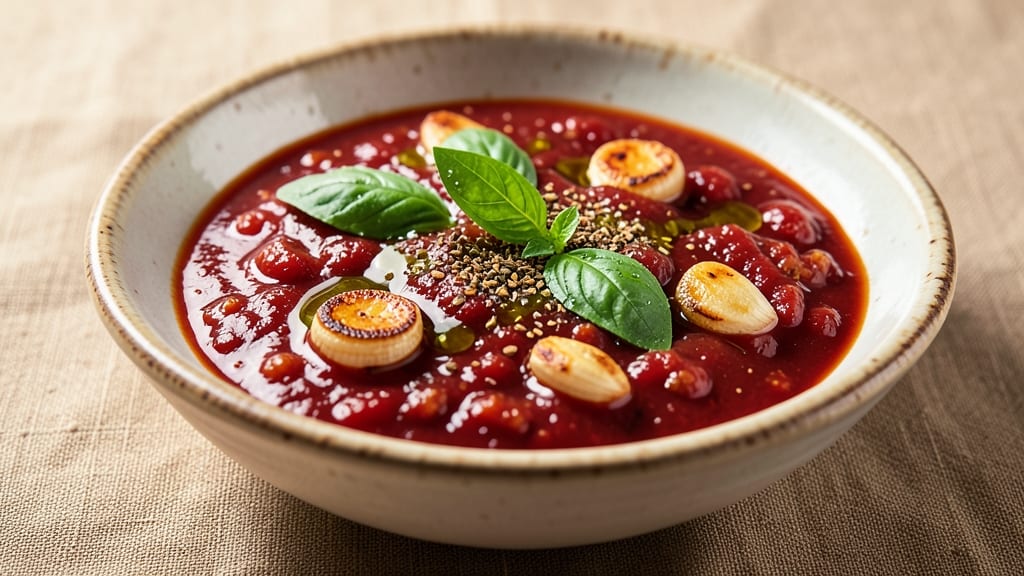
Anthony's spaghetti sauce recipe delivers the deep, rich flavor of a restaurant-quality marinara without the clumping or thin consistency. The secret lies in slow-simmering garlic-infused olive oil with crushed tomatoes, creating a velvety texture that clings perfectly to pasta.
I developed this version after years of testing—no lumps, no aftertaste, just layers of aromatic garlic and fresh herbs that elevate every bite.
What sets this sauce apart is the technique: garlic is bloomed in olive oil until golden (never burned) before tomatoes enter the pot. This creates a flavor base that prevents clumping and deepens the sauce's complexity.
The addition of a small amount of red wine adds brightness, while fresh basil at the end ensures that bright, herbaceous note that defines authentic Italian sauce.
By the time you're done simmering, you'll have a sauce that's rich enough to stand alone but balanced enough to complement any pasta. The texture is smooth yet substantial, with just the right body to coat noodles without weighing them down.
This is the kind of sauce that makes homemade pasta taste like it came from a trattoria.
Use it immediately with your favorite pasta or store it in the fridge for up to 5 days—it actually tastes better the next day as flavors meld. The sauce freezes beautifully too, making it perfect for meal prep. Let's make this sauce that will become your new kitchen staple.
Ingredients for anthony's spaghetti sauce
Eight simple ingredients transform into restaurant-quality spaghetti sauce with velvety texture and deep garlic flavor.
| Ingredient | Amount | Notes |
|---|---|---|
| Extra-Virgin Olive Oil 🫒 | ½ cup | High quality, fruity variety |
| Garlic Cloves 🧄 | 6 whole | Fresh, peeled, thinly sliced |
| Red Wine 🍷 | ¼ cup | Bold, dry variety like Cabernet |
| Crushed Tomatoes 🍅 | 28 oz | San Marzano preferred |
| Tomato Paste 🍅 | 2 tbsp | Squeeze tube preferred |
| Dried Oregano 🌿 | 1 tsp | Crushed between fingers |
| Dried Basil 🌿 | 1 tsp | Or 1 tbsp fresh basil |
| Salt 🧂 | 1 ½ tsp | Diamond Crystal preferred |
| Black Pepper 🌶️ | ½ tsp | Freshly ground preferred |
| Fresh Basil Leaves 🌿 | ¼ cup | Chopped for finishing |
The olive oil is non-negotiable here—high-quality extra-virgin makes all the difference. I grab mine from Trader Joe's or Whole Foods because their cold-pressed varieties have that fruity punch. The garlic? Fresh is a must—never use powdered. Slice it thinly so it blooms beautifully in the oil without burning. For the tomatoes, San Marzano cans are the gold standard (the sweetness and consistency are unmatched), but any good-quality crushed tomatoes will work. The tomato paste? Squeeze tubes are perfect for this recipe—no waste, and they keep for months in the pantry.
No red wine? Dry white wine or extra chicken broth works in a pinch, but the acidity from red wine is key for balancing the richness. Fresh basil is ideal, but dried basil at one-third the amount gets you close if you're out. Want more depth? Add a pinch of red pepper flakes for subtle heat. The oregano should be crushed between your fingers to release its oils—don't use the pre-ground stuff. For the tomato paste, if you're using a tube, just squeeze out what you need (about 2 tbsp) and toss the rest back—no measuring required.
This sauce tastes even better the next day as flavors meld. Store it in an airtight container in the fridge for up to 5 days or freeze for 3 months. I like to portion it into 1-cup containers so I can grab just what I need for a quick weeknight dinner. The sauce thickens as it cools, so if it seems too thick when cold, just stir in a splash of water or pasta water. Always finish with fresh basil—that bright, herbaceous note is what makes this sauce feel authentic.
Why You'll Love This Recipe
- Here’s what sold me: that splash of red wine doesn’t just cook off—it lingers. The acidity brightens the tomatoes while the alcohol softens into a velvety richness. Honestly, it’s the kind of sauce that makes you pause mid-bite and think, “Damn, I should’ve made more.”
- I’ll be real: this recipe costs me about $8 for a big pot, and it stretches to feed four with leftovers. The crushed tomatoes and paste are cheap staples, and the olive oil and wine add just enough luxury to make it feel special without breaking the bank. Plus, it tastes better the next day—always.
Step-by-step instructions for anthony's spaghetti sauce
Here's how to build rich, velvety garlic flavor without a single clump in sight.
Bloom the Garlic in Olive Oil
Heat the 0.5 cup extra-virgin olive oil in a large, heavy-bottomed saucepan over medium-low heat. Add the 6 whole garlic cloves and cook gently for 3-4 minutes until they're golden and fragrant—not browned. This slow cooking infuses the oil with deep garlic flavor without burning.
Watch the pan closely. If the garlic starts to sizzle too aggressively, reduce the heat immediately. Burnt garlic makes the sauce bitter, and we're going for that sweet, mellow garlic taste. Once golden, remove the garlic cloves with a slotted spoon and set them aside—you'll use them later.
Deglaze with Wine and Add Tomatoes
Pour in the 0.25 cup red wine and stir vigorously, scraping up any browned bits from the bottom of the pan. Let it simmer for 2-3 minutes until the wine reduces by about half and the alcohol cooks off. This step forms the flavor base of your sauce.
Add the 28 oz crushed tomatoes and 2 tbsp tomato paste, stirring to combine. The tomato paste will thicken the sauce naturally without clumping. Bring the mixture to a gentle simmer and let it cook uncovered for 15 minutes, stirring occasionally. This allows the raw tomato flavors to meld and soften.
Season and Simmer for Depth
Add the 1 tsp dried oregano, 1 tsp dried basil, 1.5 tsp salt, and 0.5 tsp black pepper. Stir well to distribute the seasonings evenly. Return the golden garlic cloves to the pan and let everything simmer together for 20-25 minutes.
During this time, the sauce will thicken naturally as the tomatoes break down. Give it a taste around the 15-minute mark—if it needs more salt, adjust now. The sauce should be smooth with no clumps. If you notice any lumps forming, use an immersion blender to gently blend them out without over-processing the sauce.
Finish with Fresh Basil
Remove the pan from heat and stir in the 0.25 cup chopped fresh basil leaves. Let the sauce sit off the heat for 5 minutes to allow the flavors to meld completely. The fresh basil adds a bright, aromatic finish that balances the deep tomato flavor.
For the best texture, you can press the sauce through a fine-mesh sieve if you prefer an ultra-smooth consistency. If you like some texture, simply stir well before serving. This sauce tastes even better the next day as the flavors continue to develop, so it's perfect for making ahead.
Pro Tips For Making Anthony'S Spaghetti Sauce
- COOK GARLIC LOW AND SLOW: I learned this the hard way—burnt garlic ruins everything. Once the wine’s reduced, add the minced garlic and keep the heat at a gentle simmer. Stir constantly, and if it starts to sizzle too hard, pull the pot off the heat for 10 seconds. You want flavor, not char.
- SALT THE TOMATO PASTE FIRST: This isn’t just about seasoning—it’s about building depth. Before toasting the tomato paste in the olive oil, sprinkle it with a pinch of salt and let it sit for 30 seconds. The salt breaks down the paste faster and pulls out more richness, so when you deglaze with wine, you’re starting with a deeper base.
- DEGLAZE WITH WINE IMMEDIATELY: Don’t let that browned paste sit. As soon as you add the red wine, scrape every last bit from the bottom of the pot—this is where the magic lives. If you wait, the paste hardens, and you’ll be left with a sauce that’s missing that caramelized umami punch. A wooden spoon helps here; metal can scratch your pot.
- SIMMER UNTIL THICK, NOT JUST BOILING: This sauce needs time to develop, not a quick boil. After adding the crushed tomatoes, reduce the heat to low and let it bubble gently for at least 20 minutes. Stir occasionally, and if it’s too watery, uncover it—trapped steam makes it sluggish. You’re aiming for a consistency where the sauce coats the back of a spoon like syrup, not water.
Troubleshooting this recipe
Clumpy Texture Fix
If your sauce develops clumps, it’s usually from adding tomato paste or herbs too quickly. I find using an immersion blender for 10-15 seconds while the sauce simmers solves this instantly.
For a smoother texture, press the sauce through a fine-mesh sieve after cooking—this removes any lingering lumps while keeping the rich flavor intact. 💫
Overly Thin Sauce
A thin sauce often happens when you skip the tomato paste or simmer too long. To thicken, mix 1 tbsp tomato paste with 1 tbsp water and whisk it into the sauce.
Let it simmer for 5 more minutes—this restores body without altering the flavor. If it’s still too thin, reduce heat to low and simmer uncovered until it reaches your desired consistency.
Burnt Garlic Flavor
Burnt garlic ruins the delicate sweetness we’re aiming for. The fix? Bloom the garlic at medium-low heat and stir frequently. If it starts to brown too quickly, remove the pan from heat and let it cool for 1 minute before continuing.
For extra insurance, peel and slice the garlic just before adding it to the oil—this minimizes exposure to high heat.
Underseasoned Sauce
Sauce that tastes bland often needs more salt or acid. I recommend adding ½ tsp more salt and 1 tbsp red wine vinegar to brighten flavors. If you prefer a sweeter touch, stir in ½ tsp sugar or a pinch of red pepper flakes for depth.
Always taste as you go—adjust gradually to avoid overpowering the sauce.
Sauce Too Acidic
Too much wine or vinegar can make your sauce taste sharp. Balance it by adding 1 tbsp tomato paste or a pinch of sugar to mellow the acidity. Simmer for 5 minutes to let the flavors meld.
If the sauce still tastes tart, stir in ½ cup heavy cream or a splash of pasta water to soften the edges.
Storage Issues
If your sauce develops a skin or separates after refrigerating, stir in 1-2 tbsp water or pasta water to restore its smooth texture. For reheating, warm over low heat and stir frequently to prevent scorching.
Never microwave directly from the fridge—this causes uneven heating and can make the sauce watery. 🔥
Nutrition facts
Frequently asked questions
Can I make this sauce without red wine?
Replace the 0.25 cup red wine with 0.25 cup dry white wine or 0.25 cup low-sodium chicken broth. The acidity helps balance the tomatoes, so if using broth, add ½ tsp red wine vinegar for brightness. The flavor will be slightly different but still delicious.
How do I prevent clumping in the sauce?
Clumping happens when tomato paste or herbs are added too quickly. First, whisk the tomato paste into the tomatoes before adding it to the pan. Second, use an immersion blender for 10-15 seconds while simmering to break up any lumps. For ultra-smooth sauce, press it through a fine-mesh sieve after cooking.
Can I add meat to this sauce?
Yes! Brown 1 lb ground beef, Italian sausage, or pancetta in a separate pan first, then stir it into the sauce after the wine has reduced. For chicken, use 1 lb shredded rotisserie chicken added during the last 10 minutes of simmering. Just reduce the crushed tomatoes to 20 oz to maintain balance.
Why does the sauce taste better the next day?
The flavors deepen as the acidity mellows and the tomatoes continue breaking down during refrigeration. The sauce also thickens naturally, developing a richer mouthfeel. This is why Italian nonnas always make sauce ahead—patience pays off with more complex, layered flavors!
What's the best pasta to pair with this sauce?
Spaghetti is classic, but try bucatini (thick spaghetti) or linguine for extra sauce clinging power. For heartier options, rigatoni or penne work beautifully. Save angel hair for lighter sauces—this rich tomato sauce needs pasta with substance to hold it.