
Sauces & Condiments
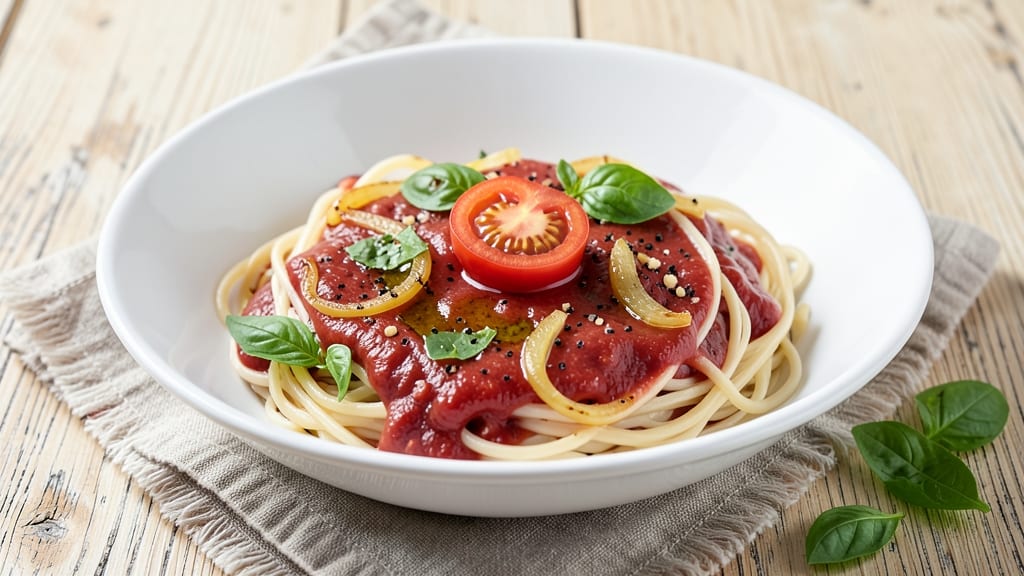
Angel hair pasta with red sauce transforms a simple weeknight dinner into an elegant meal with minimal effort. The secret lies in perfectly cooked pasta—delicate strands that cling to the sauce without breaking—paired with a rich, balanced tomato sauce that enhances rather than overpowers. This recipe delivers restaurant-quality results in under 30 minutes, making it ideal for both busy weeknights and special occasions.
The foundation of this dish is a simple yet flavorful red sauce, built on a classic tomato base with aromatics like garlic and onions. The key technique?
Cooking the pasta just shy of al dente—it finishes cooking in the residual heat of the sauce, ensuring each strand remains tender and light. This method also prevents the pasta from becoming mushy, a common pitfall when combining hot sauce with cooked noodles.
What you’ll end up with is a dish that’s both visually stunning and deeply satisfying: strands of angel hair pasta twirling around a vibrant red sauce, garnished with fresh basil and a sprinkle of Parmesan.
The sauce should coat the pasta evenly, creating a harmonious balance of flavors—sweet, tangy, and slightly savory—without overwhelming the delicate texture of the noodles.
This recipe is versatile enough to work with store-bought or homemade sauce, and it scales effortlessly for larger gatherings. Whether you’re serving it as a light first course or a hearty main dish, the result is always impressive.
Let’s get started on creating a dish that feels both effortless and extraordinary.
Ingredients for angel hair pasta red sauce
Pantry staples meet fresh aromatics for this elegant yet effortless angel hair pasta with red sauce.
| Ingredient | Amount | Notes |
|---|---|---|
| Angel Hair Pasta 🍝 | 8 oz | Uncooked, high quality preferred |
| Canned San Marzano Tomatoes 🍅 | 28 oz | Crushed or diced, no salt added |
| Yellow Onion 🧅 | 1 whole | Medium size, finely diced |
| Garlic Cloves 🧄 | 4 cloves | Fresh, minced finely |
| Extra-Virgin Olive Oil 🫒 | ½ cup | High quality, fruity |
| Fresh Basil Leaves 🌿 | ¼ cup | Packed, chopped |
| Parmesan Cheese 🧀 | ½ cup | Freshly grated from block |
| Salt 🧂 | 1 ½ tsp | Diamond Crystal preferred |
| Black Pepper 🌶️ | ½ tsp | Freshly ground |
| Red Wine 🍷 | ½ cup | Dry, bold variety |
| Tomato Paste 🍅 | 1 tbsp | High quality, smooth |
| Sugar 🍚 | 1 tsp | Granulated, optional |
| Dried Oregano 🍃 | ½ tsp | Italian variety preferred |
The San Marzano tomatoes are non-negotiable for that authentic Italian sweetness. Trader Joe's and Whole Foods carry them year-round, but if you can't find them, any high-quality crushed tomatoes will work. The onion and garlic are your flavor anchors—don't skip the time to mince them finely. Fresh basil? Grab a bunch from the market—half goes in the sauce, half gets torn over top. The Parmesan should be freshly grated from a wedge; pre-grated clumps up and ruins the texture. For the olive oil, look for extra-virgin with a harvest date—older oil loses its fruity notes.
No red wine? Substitute with extra tomato paste plus a splash of balsamic vinegar—it's a chef's trick. Short on basil? Dried oregano at half the amount works in a pinch, but fresh is ideal. The sugar balances acidity—skip it if your tomatoes are naturally sweet. For the pasta, Barilla or De Cecco are my go-tos, but any high-quality brand will work. If you're using store-bought sauce, Rao's or Muir Glen are solid choices, but homemade always tastes better. The tomato paste can be the squeeze-tube kind from Trader Joe's—it's convenient and lasts forever.
Pasta cooks in about 3 minutes—start checking at 2:30. The sauce keeps well for 5 days in the fridge, but it tastes best fresh. For leftovers, toss with a drizzle of olive oil to prevent sticking. Freezes beautifully for 3 months—just reheat gently on the stove. I always make a double batch because it disappears fast. Garnish with extra basil and Parmesan right before serving—that's when it looks restaurant-worthy.
Why You'll Love This Recipe
- No Chopping Nightmares: I’ll be real—this sauce only needs one onion and three garlic cloves, both diced in under 5 minutes. That’s it. No fancy knife skills, no peeling mountains of tomatoes (thanks, San Marzano cans), just pure, stress-free prep.
- Tomato-Garlic Magic: The San Marzano tomatoes simmer down into a velvety, sweet-tart sauce that clings to every strand of angel hair like it’s been kissed. Add a glug of olive oil at the end? Chef’s kiss. That’s the secret—simple, but it hits different.
- Weeknight to Dinner Party: Same sauce, endless uses. Toss it with pasta for a quick weeknight meal, or dress it up with fresh basil and Parmesan for guests. Honestly, I’ve served it at both—no one ever questions why it’s on the menu.
- Leftovers That Don’t Suck: This sauce actually improves the next day. Reheat it with a splash of water, and it’s even richer. Plus, angel hair reheats better than most pasta—no mushy mess. My lunchbox’s new best friend.
Step-by-step instructions for angel hair pasta with red sauce
This method delivers a silky, vibrant red sauce that clings perfectly to delicate angel hair strands.
Sauté Aromatics in Olive Oil
Heat the 0.5 cup extra-virgin olive oil in a large skillet over medium heat until shimmering but not smoking. Add the 1 whole yellow onion, finely diced, and cook for 5 minutes until softened and translucent.
Reduce heat to medium-low and stir in the 4 cloves garlic, minced. Cook for 30 seconds until fragrant—you should smell the garlic's sweet aroma, not see any browning. This gentle cooking preserves the onion's sweetness and prevents bitter garlic flavors. Keep the aromatics moving to avoid sticking.
Build the Sauce Base
Add the 1 tbsp tomato paste and stir for 1 minute until it dissolves completely into the oil. Pour in the 0.5 cup red wine and scrape up any browned bits from the pan's bottom—these contain concentrated flavor. Let the wine simmer for 3 minutes until reduced by half.
Add the 28 oz canned San Marzano tomatoes, crushed or diced, along with 1.5 tsp salt, 0.5 tsp black pepper, 0.5 tsp dried oregano, and 1 tsp sugar. Stir well to combine. The sugar helps balance the tomatoes' acidity while the oregano adds depth. Bring to a gentle simmer and let cook uncovered for 15 minutes until thickened.
Cook the Pasta Al Dente
While the sauce simmers, bring a large pot of water to a rolling boil. Add 1.5 tsp salt and cook the 8 oz angel hair pasta for 4 minutes—it cooks faster than other pastas. Reserve 1 cup pasta water before draining, then return the drained pasta to the pot.
I know it seems counterintuitive, but this step creates the perfect sauce consistency. The starchy pasta water helps emulsify the sauce, making it cling beautifully to each strand. Toss the pasta with 1 tablespoon olive oil to prevent sticking while you finish the sauce.
Finish with Fresh Basil and Parmesan
Return the sauce to a gentle simmer and stir in the 0.25 cup chopped fresh basil leaves. Cook for 2 minutes—just enough to wilt the basil slightly while preserving its bright flavor. Remove from heat and fold in the 0.5 cup freshly grated Parmesan cheese until melted and creamy.
Add the cooked pasta to the sauce and toss gently, adding reserved pasta water 1 tablespoon at a time until the sauce reaches your desired consistency. The sauce should coat the pasta lightly without making it soggy. Let it rest for 2 minutes before serving to allow the flavors to meld completely.
Pro Tips For Making Angel Hair Pasta Red Sauce
- CRUSH THE ONIONS: Dice the onion fine—think rice-sized pieces, not big chunks—so it dissolves into the sauce instead of sitting as tough bits. I used to cut them half-heartedly, and they’d linger like sad, undercooked ghosts in every bite.
- SAUTÉ GARLIC LOW: Once the onion’s soft, pull the pan off the heat before adding the garlic. Let it cool for 10 seconds—hot garlic burns instantly, turning bitter. I learned this after one disastrous batch where the sauce tasted like a chemistry experiment gone wrong.
- SIMMER THE SAUCE LONG: Reduce the San Marzano tomatoes uncovered on medium-low for at least 20 minutes. This isn’t about cooking them down—it’s about letting the acid mellow and the flavors deepen. Skimp here, and your sauce will taste sharp and unfinished.
- SALT THE PASTA WATER HARD: Use 1.5 tablespoons of salt per 4 quarts of water—yes, it’ll taste crazy salty at first, but angel hair pasta is delicate. If the water tastes like the ocean, the pasta will absorb just the right amount of seasoning. I used to under-salt, and the sauce always felt like an afterthought.
Common mistakes when making great angel hair pasta red sauce
Overcooking Pasta
Angel hair pasta cooks in just 4 minutes—any longer and it turns mushy. I’ve ruined countless batches by checking too late. Use a timer and taste-test at 3:30 minutes to catch it perfectly al dente. The strands should be tender but still hold their shape. 🍝
Skipping Pasta Water
Never drain all the pasta water! Reserve 1 cup before draining—it’s the secret to a silky sauce. The starch in the water helps emulsify the sauce, making it cling beautifully.
I’ve seen sauces split like oil and water when this step is missed. Add it 1 tablespoon at a time while tossing.
Overcrowding the Pan
Cooking pasta in a pan that’s too small causes it to steam and stick. Use a large skillet (at least 10-inch diameter) to give the strands room to move.
I’ve had angel hair clump into a single mass when crowded—it’s a nightmare to separate. If needed, cook in batches or use a bigger pot.
Ignoring the Sauce’s Heat
Adding cold pasta to hot sauce causes a temperature shock, making the sauce split. Instead, finish the sauce first, then toss in the pasta while it’s still warm.
I’ve seen sauces curdle when this happens—just a few seconds of cold pasta can ruin the emulsion. Keep everything warm until the very end.
Using Pre-Grated Cheese
Pre-grated Parmesan contains anti-caking agents that make the sauce grainy. Always grate freshly from a block. I’ve tasted the difference—homemade grated cheese melts smoothly, while pre-grated leaves a chalky aftertaste. A microplane makes this step effortless.
Rushing the Resting Time
Letting the pasta sit for 2 minutes after tossing lets the sauce cling better. Skipping this step means the sauce will slide right off. I’ve learned this the hard way—patience here makes all the difference. Use this time to garnish with fresh basil and extra Parmesan.
Nutrition facts
Frequently asked questions
Can I use whole wheat angel hair pasta in this recipe?
Yes, but expect a slightly different texture and cooking time. Whole wheat angel hair takes about 5-6 minutes to cook, so check it at 4:30 minutes—it should be tender but still hold its shape. The nutty flavor pairs well with red sauce, but the strands may be a bit heartier than traditional white pasta.
How can I make this dish vegetarian? Swap the red wine for vegetable broth and use a vegetarian-friendly Parmesan substitute like nutritional yeast or store-bought vegan Parmesan. For extra depth, add 1 tsp smoked paprika to the sauce. The dish will still be rich and flavorful—just
Can I make the sauce ahead of time?
The sauce keeps well in the fridge for 5 days or freezes beautifully for 3 months. Reheat gently on the stove, stirring occasionally, and add a splash of water if it thickens too much. For the best texture, finish with fresh basil and Parmesan right before serving—this keeps the flavors bright and the cheese creamy.
What's the best way to reheat leftovers?
Gently reheat on the stove over low heat with a splash of water or reserved pasta water to prevent drying out. Stir frequently and add more liquid 1 tablespoon at a time until creamy. Microwaving can make the sauce split, so the stovetop method is always better. If the pasta seems dry, toss with a little olive oil and warm water to restore moisture.
Can I add protein to this dish?
Grilled shrimp, chicken breast, or white fish like cod cook beautifully with this sauce. For shrimp, sauté them in olive oil for 2-3 minutes per side until pink, then toss with the pasta. Chicken should be poached or grilled to 165°F before adding. The light protein won't overpower the delicate pasta strands.