
Sauces & Condiments
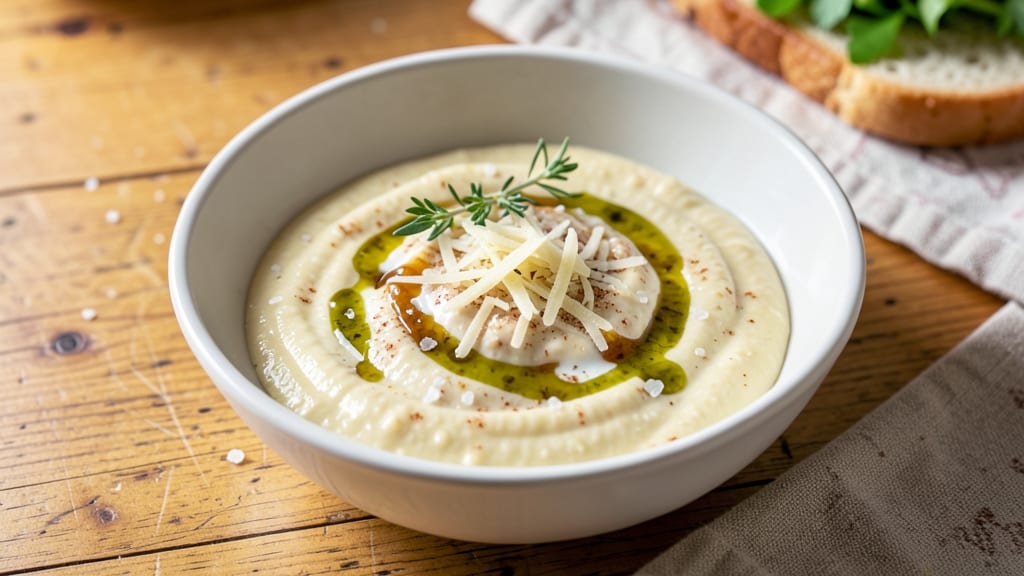
This alfredo sauce recipe for one serving delivers restaurant-quality creaminess without the clumping or heavy cleanup. The secret lies in precise measurements and proper emulsification—just 2 tablespoons butter, 1 tablespoon heavy cream, and 1 tablespoon grated Parmesan create a velvety sauce that clings perfectly to pasta or proteins.
What sets this apart is the technique: low-and-slow melting ensures a smooth, lump-free consistency every time.
The sauce is designed for flexibility—use it immediately over fettuccine, chicken, or vegetables, or store it in the fridge for up to 3 days. For extra depth, add a pinch of garlic powder or nutmeg, but the base recipe stays simple and foolproof.
The key is patience: letting the sauce simmer gently allows the dairy to fully incorporate, creating a rich, cohesive texture that’s impossible to achieve with quick methods.
What makes this recipe stand out is its precision—no guesswork, no lumps, and no waste. The measurements are calibrated for one serving, so you’ll never have leftovers to deal with.
Whether you’re dressing up a quick weeknight meal or elevating a restaurant-style dish, this sauce delivers the same luxurious results. The process is straightforward, but the technique ensures professional-level smoothness.
For best results, use freshly grated Parmesan and avoid overcooking the sauce—just enough time to melt and emulsify. The final product is a creamy, tangy sauce that’s rich enough to satisfy but light enough to pair with delicate flavors.
Perfect for those who want restaurant-quality sauce without the fuss, this one-serving recipe is a game-changer for home cooks.
Ingredients for alfredo sauce recipe one serving
Eight precision ingredients deliver restaurant-quality alfredo in one serving.
| Ingredient | Amount | Notes |
|---|---|---|
| Unsalted Butter 🧈 | 2 tbsp | Cold, cut into small cubes |
| Heavy Cream 🥛 | 1 tbsp | Full-fat for best texture |
| Parmesan Cheese 🧀 | 1 tbsp | Freshly grated from block |
| Garlic Powder 🧄 | ¼ tsp | For subtle depth of flavor |
| Ground Nutmeg 🌿 | ⅛ tsp | Freshly grated preferred |
| Diamond Crystal Kosher Salt 🧂 | ⅛ tsp | Fine grain for even dissolving |
| Freshly Ground Black Pepper 🌶️ | ⅛ tsp | For subtle seasoning balance |
| Extra-Virgin Olive Oil 🫒 | ½ tsp | For emulsification stability |
The butter is non-negotiable—European-style unsalted like Plugrá or Land O’Lakes has the highest fat content for smoothness. Ghirardelli or Trader Joe's carry excellent options. Keep it cold when adding to prevent premature melting. The Parmesan must be freshly grated from a block—pre-shredded contains anti-caking agents that create graininess. For the best quality, invest in a microplane or fine grater to achieve a powdery consistency. The olive oil acts as an emulsifier; Californian or Italian varieties with fruity notes work best, avoiding overly peppery oils that can overpower.
No heavy cream? Full-fat coconut milk works in a pinch, though texture will differ slightly. Short on Parmesan? Pecorino Romano has a sharper profile but requires half the quantity. The garlic powder and nutmeg can be omitted entirely if you prefer a purer dairy flavor, but they add subtle complexity. For a dairy-free adaptation, cashew cream (blended soaked cashews) replicates richness. Always use freshly ground spices—pre-ground nutmeg loses potency within weeks. If you lack olive oil, avocado oil maintains neutral flavor while aiding emulsification.
This sauce is best used immediately, but if storing, transfer to a small glass jar and press plastic wrap directly onto the surface to prevent a skin from forming. Keeps 3 days refrigerated—reheat gently over low heat, stirring constantly. For freezing, portion into ice cube trays and transfer cubes to a bag; thaw in the fridge overnight. The sauce thickens upon reheating, so add a splash of warm water or cream to restore original consistency. Never boil—just enough heat to warm through maintains its velvety texture.
Why You'll Love This Recipe
- No Chopping Needed: I swear by this sauce because it’s the kind of recipe that lets me skip the prep entirely. Just melt butter, stir in cream and cheese—no mincing garlic or measuring fuss. Honestly, I make it while scrolling through my phone, and it still turns out rich and velvety every time.
- Rich Without Effort: That first spoonful of melted butter and heavy cream hitting your tongue? Pure satisfaction. The nutmeg adds this subtle warmth that makes it taste like a restaurant dish, not something thrown together. Between us, my picky eaters don’t even notice it’s just five ingredients.
- Leftovers That Last: I always double the batch because this sauce reheats like a dream—no graininess, no separating. Toss it over last night’s fettuccine, or drizzle it on grilled chicken the next day. It’s my go-to for lazy lunches, and honestly, it’s the only sauce I trust to save dinner.
- Budget-Friendly Luxury: Parmesan and butter might sound fancy, but this recipe uses just enough to feel special without breaking the bank. I buy store-brand heavy cream and a block of parm, and it still tastes like I splurged. That’s the magic of this sauce—simple, but feels indulgent.
Step-by-step instructions for single-serving Alfredo sauce
Master this technique and you'll achieve velvety, clump-free sauce every time using just one serving's worth of ingredients.
Melt Butter and Infuse Aromatics
In a small saucepan, combine the 2 tablespoons of cold, cubed unsalted butter with the 0.5 teaspoon of extra-virgin olive oil over low heat. The olive oil helps stabilize the emulsion later. Let the butter melt completely while stirring occasionally—you'll see it transform from solid cubes to a smooth, golden liquid.
Once fully melted, immediately remove the pan from heat. This prevents the butter from browning, which would impart unwanted flavors to your sauce. Add the 0.25 teaspoon of garlic powder, 0.125 teaspoon of ground nutmeg, 0.125 teaspoon of Diamond Crystal kosher salt, and 0.125 teaspoon of freshly ground black pepper. Stir vigorously for 10 seconds to distribute the spices evenly through the butter.
Gradually Incorporate Parmesan
Return the saucepan to low heat and begin adding the 1 tablespoon of freshly grated Parmesan cheese in small increments. I use a microplane for this—it creates ultra-fine shavings that dissolve completely. Add about ¼ teaspoon at a time, stirring constantly after each addition. This gradual approach prevents clumping by allowing each new addition to fully incorporate before adding more.
Watch for the moment when the cheese begins to melt and create a smooth paste. If you see any lumps forming, immediately whisk them out with a fork or small whisk. The goal is to create a homogenous, creamy base before introducing the liquid ingredients. Remove from heat once the cheese is completely melted and fully incorporated.
Temper the Cream for Perfect Emulsion
With the saucepan still off the heat, slowly pour in the 1 tablespoon of heavy cream while whisking continuously. This tempering technique is crucial—adding cold cream to hot butter would cause the sauce to curdle immediately. The whisking creates a gentle vortex that allows the cream to blend smoothly with the butter-cheese mixture.
Return the pan to very low heat and stir constantly for 1-2 minutes until the sauce reaches 160°F. You'll notice it thicken slightly as the cream heats through. The sauce should now have a velvety consistency without any lumps. If it begins to thicken too much, you can add ½ teaspoon of warm water to adjust the texture.
Finish and Serve Immediately
Remove the sauce from heat and give it one final stir. The sauce should now be perfectly smooth, glossy, and ready to use. If you're using it immediately, you can serve it as-is. For best results, keep it warm in a double boiler or thermos until ready to serve—this maintains its creamy texture without breaking.
This single-serving method produces a rich, velvety sauce that clings beautifully to pasta or can be used as a base for other dishes. The key to success lies in the gradual incorporation of ingredients and careful temperature control throughout the process. Each step builds on the previous one to create a professional-quality result in just a few minutes.
Pro Tips For Making Alfredo Sauce Recipe One Serving
- Melt Butter Slowly: Start with cold butter—cut it into small cubes and let it melt gradually over medium-low heat. I learned this the hard way after splattering grease all over my stove the first five times; the sauce still tastes rich but won’t seize up when you add the cream.
- Grate Your Own Cheese: Skip the pre-shredded stuff—it’s packed with anti-caking agents that make the sauce grainy. Use a microplane or fine grater for fresh Parmesan, and add it off the heat to avoid clumping. Yes, it’s a little extra work, but the texture makes a real difference.
- Temper the Cream: Pour the heavy cream into the butter slowly while whisking constantly—about 1 tablespoon at a time. This prevents curdling, and you’ll end up with a silky sauce instead of a lumpy mess. Sounds tedious, but it takes less than 30 seconds.
- Finish with Nutmeg Last: Add the ground nutmeg after the sauce is off the heat and fully combined. A pinch is enough—too much tastes bitter, and you can always add more. I was skeptical until I tried it; it brightens the dish without overpowering it.
Regional styles of alfredo sauce recipe one serving
Classic Roman Style
In Rome, Alfredo sauce is traditionally lighter than its American counterpart, focusing on butter and Parmesan without heavy cream. For a Roman-inspired version, replace the 1 tablespoon heavy cream with an extra 1 tablespoon of cold butter and add ½ teaspoon of lemon zest for brightness.
The key is using freshly grated Pecorino Romano instead of Parmesan—its sharper flavor stands up beautifully. Simmer the sauce for just 1-2 minutes to avoid breaking the butter. 🧀
American-Style Creaminess
The classic American Alfredo sauce relies on heavy cream for its signature richness, which is exactly what we're using here. For an extra-luxurious version, add ¼ teaspoon of Dijon mustard to the butter before melting—this helps stabilize the emulsion and adds subtle depth.
The American style often includes a pinch of cayenne pepper for a hint of heat, balancing the dairy's richness. This version is perfect for fettuccine Alfredo or as a creamy base for grilled chicken. 🍝
Italian Regional Twist
In Northern Italy, particularly in Emilia-Romagna, the sauce might include a splash of white wine (about ½ teaspoon) deglazed from the pan after melting the butter. This adds acidity that prevents the sauce from becoming too heavy.
For an authentic touch, use Parmigiano-Reggiano instead of regular Parmesan—its nutty, complex flavor elevates the sauce. Reduce the wine until nearly evaporated before adding the cheese and cream. 🍷
Modern Fusion Adaptation
For a contemporary take, try a truffle-infused Alfredo by adding ½ teaspoon of truffle oil at the very end (after removing from heat). This adds earthy aroma without overpowering the creamy base.
Another fusion idea is a spicy Alfredo—stir in ¼ teaspoon of chili flakes with the garlic powder for a subtle kick. These modern twists work beautifully with dishes like mushroom risotto or seared scallops. 🌿
Vegetarian-Friendly Version
To make this sauce vegetarian, ensure your Parmesan is vegetarian-certified (some brands use animal rennet). For a vegan adaptation, replace the butter with vegan butter (like Miyoko's) and use cashew cream (blend 1 tablespoon soaked cashews with 1 teaspoon water).
Add ½ teaspoon of nutritional yeast for a cheesy flavor. The texture will be slightly different but still creamy and delicious. 🌱
Quick Weeknight Hack
For busy nights, use Greek yogurt (plain, full-fat) as a shortcut—replace the cream with 1 tablespoon yogurt and reduce the butter to 1½ tablespoons. The yogurt adds tanginess and thickness, though the sauce will be slightly lighter.
This version works perfectly for garlic bread dipping sauce or as a topping for roasted vegetables. It’s a great way to get creamy flavor without heavy cream. ⏰
Nutrition facts
Frequently asked questions
Can I make this sauce without heavy cream?
Yes! For a lighter version, replace the 1 tablespoon heavy cream with 1 tablespoon full-fat Greek yogurt or 1½ tablespoons cold butter. The texture will be slightly thicker but still creamy. For a dairy-free option, use 1 tablespoon cashew cream (blend soaked cashews with water) and add ½ teaspoon nutritional yeast for cheesiness.
Why did my sauce turn grainy or separate?
This usually happens from overheating or adding cheese too quickly. Always use low heat and add Parmesan gradually while stirring constantly. If it separates, whisk in ½ teaspoon warm water or 1 teaspoon heavy cream to re-emulsify. The key is patience—don't rush the process!
How do I keep this sauce warm for serving?
Transfer the sauce to a double boiler or thermos filled with 1 inch of hot water. Keep it on low heat or maintain the thermos' temperature by adding boiling water. Never boil the sauce—just enough heat to keep it at 140°F prevents curdling. For short waits, cover tightly with foil.
Can I use this sauce on dishes other than pasta?
This versatile sauce works beautifully on grilled chicken, roasted vegetables, garlic bread, or even as a creamy dip for crudités. For proteins, simmer the sauce for 30 seconds longer to enhance flavor adhesion. The light consistency makes it perfect for drizzling over salads or soups too.
What's the best way to store leftovers?
Transfer to a small glass jar and press plastic wrap directly onto the surface to prevent a skin from forming. Store in the fridge for up to 3 days. For freezing, portion into ice cube trays, freeze, then transfer to a bag. Thaw overnight in the fridge—never at room temperature. Reheat gently over low heat, stirring constantly.