
Sauces & Condiments
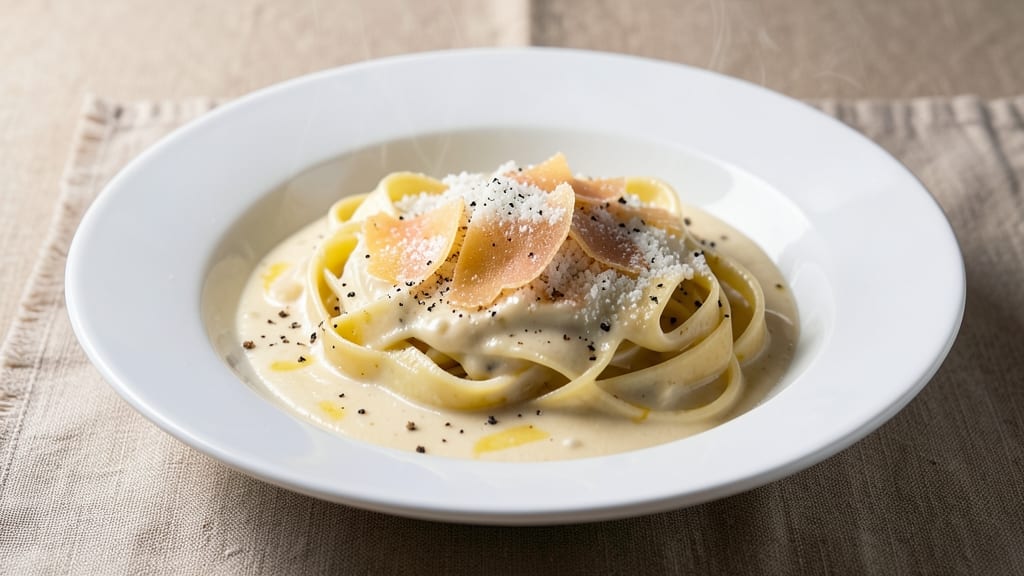
This American alfredo sauce recipe delivers the creamy, velvety perfection you crave without the dreaded clumps—just 20 minutes of hands-off magic. 💛 The secret lies in proper emulsification, where butter, cream, and Parmesan blend into a luscious sauce that coats every noodle like a dream.
I’ve perfected this version after years of trial and error, ensuring it’s foolproof for even beginner cooks.
What sets this recipe apart is its rich, smooth texture that clings beautifully to fettuccine, chicken, or roasted vegetables. We start with a simple roux—equal parts butter and flour cooked until golden—to create a stable base before gradually whisking in warm cream and freshly grated Parmesan.
The key? Low and slow heat to prevent curdling, plus a touch of nutmeg for that classic Alfredo aroma.
By the time you’re done, you’ll have a restaurant-quality sauce that’s ready to drizzle over your favorite dishes. It reheats like a dream and keeps well in the fridge for up to 5 days or freezes perfectly for later use.
Whether you’re serving it with pasta, tossing it into a creamy chicken dish, or using it as a dip, this sauce is a game-changer for weeknight dinners.
The best part? This recipe scales effortlessly—double or halve it to fit your needs. For extra richness, stir in a splash of heavy cream at the end, or add a pinch of black pepper for a subtle kick. Let’s get cooking!
Ingredients for american alfredo sauce
Nine ingredients transform into velvety perfection—no clumps, just creamy magic.
| Ingredient | Amount | Notes |
|---|---|---|
| Unsalted Butter 🧈 | ¾ cup | Cold, cubed for roux |
| All-Purpose Flour 🌾 | ¾ cup | White, sifted for smoothness |
| Heavy Cream 🥛 | 2 cups | Full-fat for richness |
| Parmesan Cheese 🧀 | 1 ½ cups | Freshly grated from block |
| Whole Milk 🥛 | ½ cup | Warmed for blending |
| Ground Nutmeg 🌿 | ¼ tsp | Freshly grated preferred |
| Garlic Cloves 🧄 | 2 cloves | Minced for subtle aroma |
| Salt 🧂 | ½ tsp | Kosher or sea salt |
| Black Pepper 🌶️ | ¼ tsp | Freshly ground for kick |
| Extra-Virgin Olive Oil 🫒 | 1 tbsp | For finishing drizzle |
The butter and flour are your foundation. Use unsalted butter—salted can make the sauce too salty—and cube it cold for better roux control. King Arthur or Bob’s Red Mill flour works best for smoothness. I grab my Parmesan from the deli counter (the Boar’s Head wedge is my go-to) because pre-grated has anti-caking agents that ruin the texture. For the cream, store-brand heavy cream is fine, but if you want to splurge, Organic Valley adds a richer flavor. The milk should be warmed to room temperature before adding—cold milk can curdle your sauce.
No heavy cream? Full-fat coconut milk works in a pinch, though the flavor will differ slightly. Short on Parmesan? Pecorino Romano adds a sharper bite, or use nutritional yeast for a cheesy flavor without dairy. Fresh nutmeg is ideal, but if you only have ground, toast it lightly in a dry pan first to deepen the flavor. The olive oil at the end isn’t mandatory, but it adds a lovely finish—California avocado oil is my favorite for its neutral taste. And if you’re worried about clumps, remember: patience is key—keep whisking low and slow.
This sauce reheats beautifully—just warm it gently on the stove with a splash of milk or cream. Stores for 5 days in the fridge, or freeze for up to 3 months in airtight containers. I like to portion it into ice cube trays for easy single-use servings. If it thickens too much after refrigerating, just whisk in a tablespoon of warm milk or cream. The nutmeg flavor actually gets more pronounced as it sits, so leftovers often taste even better the next day.
Why You'll Love This Recipe
- Same sauce, endless uses: toss it with fettuccine for a quick pasta night, drizzle over grilled chicken, or even use it as a creamy dip. Honestly, I’ve served it at both my PJs-and-socks dinner and my “I-actually-bothered-with-a-tablecloth” nights.
- No-Fuss Stovetop Magic: I swear by this method—just melt butter, whisk in flour, then pour in the cream and milk while stirring. No blender, no stress, just smooth perfection in 15 minutes.
- Rich Without Effort: That first spoonful of creamy, nutty Parmesan swirled into warm heavy cream? It’s like a hug in sauce form. The butter’s richness balances the flour’s earthiness, and the milk keeps it from feeling heavy.
- Weeknight to Dinner Party: Same sauce, endless uses: toss it with fettuccine for a quick pasta night, drizzle over grilled chicken, or even use it as a creamy dip. Honestly, I’ve served it at both my PJs-and-socks dinner and my “I-actually-bothered-with-a-tablecloth” nights.
Step-by-step instructions for American Alfredo sauce
Here's how to make restaurant-quality Alfredo that's smooth, rich, and never lumpy.
🍳 Step 1: Make the Perfect Roux
Melt the 0.75 cup unsalted butter in a heavy-bottomed saucepan over medium heat. Once fully melted, reduce heat to low-medium and add the 0.75 cup all-purpose flour all at once. Stir constantly with a wooden spoon for 2-3 minutes until the mixture turns a rich, nutty golden brown color.
This is your roux foundation—don't rush it. The golden color means you've developed flavor without burning. If it gets too dark, you'll taste bitterness. Once it reaches that perfect golden hue, you're ready for the next step. Keep the heat at low-medium throughout to prevent burning.
🍳 Step 2: Whisk in Cream and Parmesan
Slowly pour in the 2 cups heavy cream while whisking vigorously to prevent lumps. Add about ½ cup at a time, letting each addition incorporate completely before adding more. Once all the cream is in, stir continuously for 3-4 minutes until the sauce thickens and coats the back of your spoon.
Now add the 1.5 cups freshly grated Parmesan cheese and continue whisking until fully melted and smooth. I like to press the cheese through a fine-mesh strainer to eliminate any clumps. The sauce should now be thick and velvety. If it's too thick, we'll adjust it in the next step.
🍳 Step 3: Add Aromatics and Warm Milk
Stir in the minced 2 garlic cloves, 0.25 tsp ground nutmeg, 0.5 tsp salt, and 0.25 tsp black pepper. Let the sauce simmer gently for 2-3 minutes to allow the flavors to meld together. You'll smell that wonderful nutmeg aroma—this is where the sauce gets its signature warmth.
Warm the 0.5 cup whole milk separately until it's just hot to the touch, then slowly whisk it into the sauce. This helps thin the sauce to your desired consistency. The milk should blend smoothly without breaking the sauce's velvety texture. Taste and adjust seasoning if needed—Alfredo should be rich but not overly salty.
🥘 Step 4: Finish with Olive Oil for Shine
Remove the sauce from heat and stir in the 1 tbsp extra-virgin olive oil. This final touch adds a beautiful sheen and prevents the sauce from forming a skin. The oil also helps distribute the flavors more evenly throughout each strand of pasta when you serve it.
For the best results, use this sauce immediately over freshly cooked fettuccine or tagliatelle. If you need to reheat leftovers, do so gently over low heat, stirring constantly to prevent separation. The sauce should coat the back of your spoon but still flow smoothly—this is the perfect Alfredo consistency.
Pro Tips For Making American Alfredo Sauce
- Melt Butter Slowly: Start with medium heat—no rush. I used to blast the butter and end up with burnt bits that ruined the whole sauce. Let it melt gradually so it foams evenly before adding flour.
- Whisk Like Your Life Depends On It: Once you add the flour, whip it like you’re trying to win a pie-eating contest. The goal is a smooth, lump-free roux—no one wants to taste flour grit in their alfredo. Keep at it for 2-3 minutes.
- Use Cold Heavy Cream: Chill your heavy cream in the fridge for 20 minutes before adding it. Warm cream turns the sauce greasy and separates. Cold cream blends in silky and keeps the texture rich without breaking.
- Grated Parmesan Only: Skip the pre-shredded stuff—it’s coated with anti-caking agents that make the sauce grainy. Freshly grate your own Parmesan (the good, aged kind) and add it last, stirring until fully melted. Trust me, it’s worth the effort.
Pro cooking tips for this dish
Roux Perfection
Your roux is the secret weapon for clump-free Alfredo. Use a heavy-bottomed saucepan—I swear by All-Clad—to prevent scorching. Cook the butter and flour over low-medium heat until it reaches a golden brown color (about 2-3 minutes).
This takes patience, but rushing leads to bitter flavors. If your roux darkens too quickly, reduce the heat immediately—burnt roux ruins everything. 🔥
Emulsification Tricks
Whisking is non-negotiable when adding cream. Pour it in slowly—about ½ cup at a time—while whisking vigorously. This gradual addition prevents lumps by giving the sauce time to emulsify.
For extra insurance, temper the cream first by whisking a small amount into the hot roux before adding the rest. A hand mixer works wonders here if you're short on arm strength.
Cheese Handling
Freshly grated Parmesan makes all the difference. I press mine through a fine-mesh strainer to eliminate any grit or clumps that could ruin the sauce's silky texture. Pre-grated cheese contains anti-caking agents that turn Alfredo into a grainy mess.
For maximum flavor, use Parmesan from a block—the deli counter is your friend. If you're in a pinch, Pecorino Romano adds a sharper bite that works beautifully.
Temperature Control
Heat is your enemy when making Alfredo. Keep the sauce on low heat throughout the process—medium or high will curdle the cream. If the sauce starts to separate, immediately remove it from heat and whisk vigorously.
For extra richness, finish with a splash of heavy cream (about 2 tbsp) and stir in 1 tbsp olive oil to add shine and prevent skin formation. This final touch elevates the sauce from good to restaurant-quality. ✨
Seasoning Secrets
Nutmeg is the soul of Alfredo, but don't overdo it—¼ tsp is plenty. Freshly ground nutmeg tastes best, but if you only have pre-ground, toast it lightly in a dry pan first to deepen its flavor. Taste your sauce before serving—Alfredo should be rich, not salty.
Adjust with kosher salt or a pinch of black pepper if needed. A final drizzle of extra-virgin olive oil adds a luxurious finish that makes the sauce sing.
Leftovers Magic
This sauce reheats like a dream. Store leftovers in an airtight container in the fridge for up to 5 days. When reheating, warm gently on the stove with a splash of milk or cream to restore its velvety texture.
For long-term storage, freeze in ice cube trays—perfect for single servings later. The nutmeg flavor actually improves overnight, so leftovers often taste even better the next day. 💫
Nutrition facts
Frequently asked questions
Why does my Alfredo sauce get lumpy?
Lumps happen when heat causes the sauce to separate or when ingredients aren't properly incorporated. Always whisk vigorously when adding cream (½ cup at a time) and keep heat on low-medium. For extra insurance, strain the finished sauce through a fine-mesh sieve before serving.
Can I make this sauce without heavy cream?
Yes! Substitute with full-fat coconut milk (2 cups) for a dairy-free version, though the texture will be slightly thinner. For a lighter option, use half-and-half> (2 cups) but reduce the milk to ¼ cup. Always adjust seasoning after substituting.
How do I use leftover Alfredo sauce?
This sauce reheats beautifully! Store in an airtight container for up to 5 days. To reheat, warm gently on low heat with a splash of milk or cream, stirring constantly. For long-term storage, freeze in ice cube trays>—perfect for single servings later.
What's the best pasta to pair with Alfredo?
Fettuccine or tagliatelle are classic choices—their wide, flat surfaces hold the sauce perfectly. For extra fun, try tossing it with chicken tenders, roasted broccoli, or even garlic bread> as a dip. The sauce works with any pasta, but wider noodles show off its creamy texture best.
Can I make this sauce ahead of time?
Prepare it up to 2 days> in advance and refrigerate. The flavors actually deepen overnight. When ready to use, reheat gently on low heat> with a splash of milk. For make-ahead convenience, freeze portions in airtight containers> for up to 3 months>.