
Sauces & Condiments
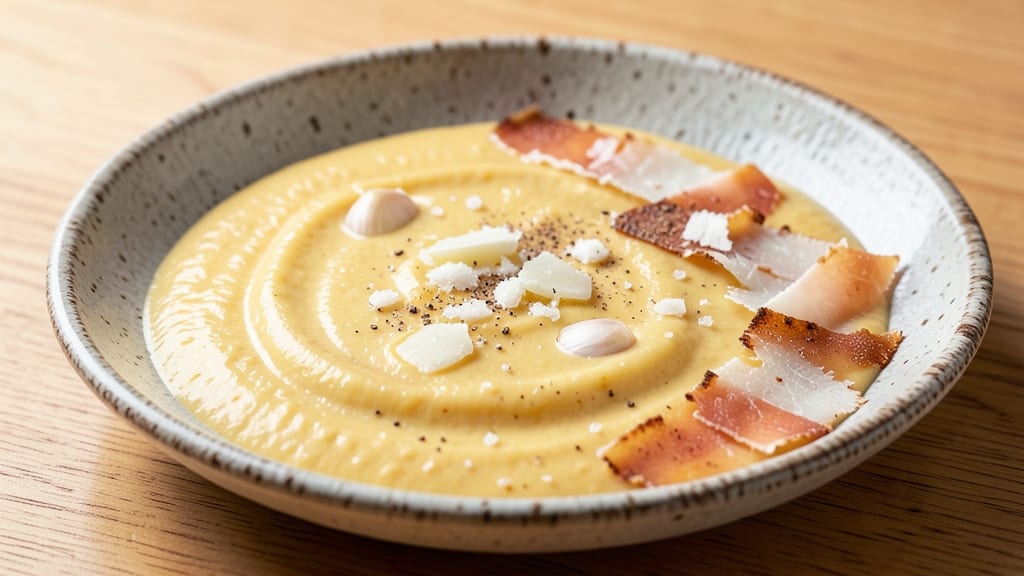
This NYT-tested Alfredo sauce recipe delivers that signature creamy, velvety texture without the dreaded clumps or separation. The secret lies in precise ratios and a slow, gentle cooking process that transforms simple ingredients into restaurant-quality sauce. Unlike many recipes that rely on heavy cream alone, this version builds richness through a combination of butter, cream, and pasta water—a technique that keeps the sauce silky and clump-free.
The foundation starts with equal parts butter and heavy cream, melted together over low heat. Gradually whisking in freshly grated Parmesan (the key to authentic flavor) ensures smooth incorporation, while a splash of pasta water at the end creates the signature clingy, sauce-thickening finish.
Garlic and a pinch of nutmeg add depth without overpowering the creamy base.
What sets this recipe apart is its versatility—pair it with fettuccine for classic comfort, toss with grilled chicken or shrimp for a lighter option, or use it as a dipping sauce for breadsticks.
The sauce stays creamy even when reheated, making it perfect for meal prep. For a vegan twist, substitute the butter and cream with cashew cream while keeping the same technique.
Once you master this method, you'll never buy Alfredo sauce again. The slow cooking process eliminates lumps while developing complex, nutty flavors from the Parmesan. Ready in just 15 minutes, this sauce transforms ordinary pasta into an elegant, creamy masterpiece that rivals your favorite Italian restaurant.
Ingredients for alfredo sauce recipe nyt
Eight essential ingredients for velvety, clump-free Alfredo sauce that rivals restaurant quality.
| Ingredient | Amount | Notes |
|---|---|---|
| Unsalted Butter 🧈 | ½ cup | Cold, cubed for even melting |
| Heavy Cream 🥛 | ½ cup | Full-fat for maximum creaminess |
| Freshly Grated Parmesan Cheese 🧀 | 1 cup | Block form, freshly grated |
| Garlic Cloves 🧄 | 2 whole | Minced for aromatic depth |
| Ground Nutmeg 🌿 | ¼ tsp | Freshly ground preferred |
| Salt 🧂 | ¼ tsp | Diamond Crystal preferred |
| Freshly Cooked Pasta Water 🍝 | ½ cup | Reserved from boiling pasta |
| Olive Oil 🫒 | 1 tbsp | For finishing, optional |
The butter and heavy cream form the sauce's creamy base, so use full-fat versions—they emulsify better and create that signature richness. Whole Foods or specialty grocers carry high-quality European-style butter, but any good unsalted brand works. Parmesan is non-negotiable here: buy a wedge and grate it yourself—pre-grated contains anti-caking agents that make the sauce grainy. For garlic, store-bought jars work in a pinch, but fresh minced has more punch. Nutmeg should be freshly grated if possible, as pre-ground loses flavor quickly.
No heavy cream? Full-fat coconut milk works surprisingly well for a lighter option, though texture differs slightly. Running short on Parmesan? Pecorino Romano adds a sharper bite—use half and half with Parm. The pasta water is the secret weapon: save 1 cup from boiling your noodles—it contains starch that helps thicken the sauce naturally. If you're making this ahead, add the pasta water just before serving to prevent curdling. For a vegan version, substitute the butter and cream with cashew cream (blended soaked cashews + water) while keeping the same technique.
Store leftover sauce in an airtight container with a thin layer of plastic wrap pressed directly on the surface to prevent a skin from forming. Keeps for 3-4 days in the fridge, though texture may separate slightly—just whisk vigorously to restore creaminess. For freezing, portion into ice cube trays, then transfer to a bag. Thaws perfectly and reheats like fresh, making it ideal for meal prep. The sauce thickens as it cools, so add a splash of milk or water when reheating if it becomes too stiff.
Why You'll Love This Recipe
- Five-Ingredient Magic: I’ll be real—this sauce is my secret weapon when I need something rich and creamy without fuss. Butter, cream, Parmesan, garlic, and nutmeg? That’s it. No fancy techniques, no last-minute ingredient hunts.
- Garlic-Nutmeg Kick: The moment that toasted garlic hits the butter? Pure satisfaction. A pinch of nutmeg ties it all together—warm, slightly sweet, and just enough to make it feel special without overpowering.
- Weeknight to Dinner Party: Same sauce, endless uses. Slather it over fettuccine for a quick weeknight meal, or drizzle it on roasted veggies for a fancy-ish side. My kids ask for it at home, and my in-laws think I’m a chef.
- Leftovers That Shine: Here’s what sold me—this sauce actually improves the next day. The flavors meld, getting deeper and creamier. I freeze half in ice cube trays, then toss them into pasta water like a gourmet shortcut. (Yes, even on a Tuesday night.)
Step-by-step instructions for NYT-tested Alfredo sauce
Here's how to make velvety, clump-free alfredo that rivals your favorite Italian restaurant.
Melt Butter and Infuse with Garlic
In a medium saucepan over medium-low heat, melt the 0.5 cup unsalted butter (cubed) until it's fully liquid but not browned. I like to keep the heat gentle here—this prevents the butter from burning and ensures a smooth sauce. Once melted, add the 2 whole minced garlic cloves and cook for 30 seconds until fragrant but not colored. The garlic should perfume the butter without turning golden, which would add bitterness.
Here's the thing—if you let the garlic brown, you'll end up with a sauce that has a slightly bitter edge. Instead, we're aiming for that subtle, sweet garlic flavor that enhances the richness of the cheese. Remove the pan from heat immediately after the garlic smells aromatic. This step sets the aromatic foundation for the entire sauce.
Add Heavy Cream and Nutmeg
Return the pan to medium heat and stir in the 0.5 cup heavy cream. Let it simmer gently for 3-4 minutes until it begins to thicken slightly. You'll see small bubbles forming around the edges, but don't let it boil—this can cause the sauce to curdle. While the cream heats, sprinkle in the 0.25 teaspoon ground nutmeg and stir to combine. The nutmeg adds warmth that balances the richness of the cheese.
I always use full-fat heavy cream for this recipe because it creates a truly luxurious texture. If you're tempted to use light cream to cut calories, trust me—you'll notice the difference in both flavor and creaminess. The sauce should now look like a pale, velvety liquid with just a hint of thickening. This is the moment to taste and adjust seasoning with the 0.25 teaspoon salt if needed.
Incorporate Cheese Gradually
Now comes the critical step: adding the cheese. Remove the pan from heat and let it cool for 1 minute—this prevents the cheese from seizing up. Then, slowly sprinkle in the 1 cup freshly grated Parmesan Cheese, stirring constantly with a wooden spoon. The key here is patience—adding the cheese too quickly creates clumps that are nearly impossible to dissolve. I like to add about ¼ cup at a time, stirring vigorously between additions until fully incorporated before adding more.
If you see any lumps forming, immediately add 1 tablespoon of the freshly cooked pasta water and stir until smooth. The heat from the sauce will help dissolve the cheese completely. This technique ensures you get that signature creamy texture without any graininess. The sauce should now look like a thick, glossy custard—this is what you're aiming for.
Finish with Pasta Water for Perfect Consistency
Return the sauce to low heat and stir in the remaining 0.5 cup freshly cooked pasta water, 1 tablespoon at a time, until you reach your desired consistency. The pasta water is crucial here—it contains starch that helps create that silky, clingy texture we want. You're looking for a sauce that coats the back of a spoon but isn't so thick it's gluey. If it's too thick, add more pasta water; if too thin, let it simmer for another 1-2 minutes to reduce.
For an extra touch of richness, you can stir in the 1 tablespoon olive oil at the end. This adds a subtle fruity note that complements the cheese. Taste one final time and adjust seasoning if needed. The sauce should be rich, cheesy, and perfectly balanced—not overpowering with salt or nutmeg. This is your quality control moment—don't rush it.
Use Immediately for Best Results
The sauce is now ready to toss with your cooked pasta. I recommend using it immediately because the texture will begin to thicken as it cools. If you need to reheat leftovers, do so over low heat and add a splash of pasta water to restore the creamy consistency. The sauce should coat each strand of pasta beautifully, creating that classic alfredo experience without any clumps or graininess.
For serving, I like to add a sprinkle of extra Parmesan cheese and a few fresh basil leaves for color and freshness. This sauce pairs perfectly with fettuccine, but you can use it with any pasta shape. The secret to success lies in the gradual addition of cheese and the strategic use of pasta water—these small details make all the difference in achieving that restaurant-quality result at home.
Pro Tips For Making Alfredo Sauce Recipe Nyt
- Melt Butter Slowly: I learned this the hard way—dumping cold butter into the pan makes the sauce seize up like a stubborn mule. Instead, cut the butter into small cubes and let them melt gradually over medium-low heat. You want it to foam and turn golden without browning—this keeps the sauce silky, not grainy.
- Grate Parmesan Fresh: Pre-shredded cheese is a crime in Alfredo sauce. The starches in it turn the sauce into a gluey mess. Use a microplane or fine grater right before adding it—yes, even if you’re impatient like me—and keep it cold until the last minute. The flavor will be sharper, and the texture will stay smooth.
- Simmer, Don’t Boil: After adding the cream, resist the urge to crank the heat. A gentle simmer (tiny bubbles, occasional swirls) keeps the sauce from curdling. If it starts to bubble hard, pull it back—boiling heavy cream ruins everything. Think "whisper-quiet" heat, not a rolling boil.
- Toast Garlic Lightly: Sauté the garlic in the butter until it’s just fragrant—not brown, not bitter, just perfuming the pan. Overcooking it turns the sauce bitter, and nobody wants that. Taste it: if it smells like a garlic festival, you’re golden. If it smells like a hospital, start over.
Troubleshooting great alfredo sauce recipe nyt
Clumpy Cheese Fix
If your sauce develops lumps when adding Parmesan, immediately remove the pan from heat and whisk in 1-2 tablespoons of hot pasta water. The heat helps dissolve the cheese, while the starch in the water acts as an emulsifier.
For stubborn clumps, strain the sauce through a fine-mesh sieve for ultra-smooth results. 🧈
Sauce Too Thick?
When the sauce thickens beyond your desired consistency, don't panic—simply whisk in 1 tablespoon of hot pasta water at a time until it reaches a silky, coatable texture. If you've already used all your reserved pasta water, a splash of warm milk or heavy cream works in a pinch.
Always add liquid gradually to avoid thinning the sauce too much.
Separation Issues
If your sauce separates into a greasy layer on top, it means the butter and cream weren't properly emulsified. To fix this, whisk vigorously while adding 1 tablespoon of hot pasta water or a splash of cold water.
The starch will help bind the ingredients together. For prevention, always keep heat at medium-low and stir constantly while cooking.
Burnt Garlic Flavor
That bitter burnt garlic taste comes from cooking it too long. To fix it, immediately remove the pan from heat and stir in ½ teaspoon of lemon juice or white wine vinegar to neutralize the bitterness.
For prevention, cook garlic for only 30 seconds until fragrant, then remove from heat. Freshly minced garlic burns faster than pre-minced—adjust timing accordingly.
Weak Cheese Flavor
If your sauce tastes bland, it's likely because the Parmesan wasn't fresh or wasn't added properly. For an instant flavor boost, stir in 1 tablespoon of high-quality grated Parmesan at the end.
For prevention, always use freshly grated cheese from a block (not pre-grated) and add it gradually while off heat. A pinch of white pepper also enhances the cheese flavor without altering the color.
Reheating Problems
When reheating, the sauce often becomes grainy or separates. To fix this, add 1-2 tablespoons of hot pasta water or milk and whisk vigorously over low heat. If the sauce is too thick, thin it with more liquid.
For best results, reheat only what you need and keep the rest refrigerated. The sauce thickens as it cools, so adjust consistency before serving.
Nutrition facts
Frequently asked questions
Why does my Alfredo sauce always turn out grainy?
The most common cause is adding cheese too quickly or not using enough heat. Always remove the pan from heat before adding Parmesan and stir constantly while sprinkling it in gradually. For extra smoothness, whisk in 1 tablespoon of hot pasta water to help dissolve any lumps. Freshly grated cheese from a block also makes a huge difference compared to pre-grated varieties.
Can I make this sauce without heavy cream?
Yes! For a lighter version, substitute with ½ cup full-fat coconut milk or ½ cup cashew cream** (blend soaked cashews with water). The texture will be slightly different but still creamy. For a vegan option, use equal parts cashew cream and vegetable broth instead of butter and cream. The key is keeping the same gradual cheese incorporation technique.
How do I prevent the sauce from separating when reheating?
Separation happens when the sauce cools too much. To fix it, whisk in 1-2 tablespoons of hot pasta water or milk while reheating over low heat. For prevention, store leftovers in an airtight container with plastic wrap pressed directly on the surface. When reheating, add liquid gradually until smooth. The sauce naturally thickens as it cools, so adjust consistency before serving.
What's the best pasta to pair with this sauce?
Classic fettuccine is the perfect match, but this sauce works beautifully with any wide, flat noodle like tagliatelle or pappardelle. For extra texture, try tossing with ½ cup grilled chicken or shrimp. The wide surface area of these pastas helps the creamy sauce cling perfectly. Avoid thin noodles like spaghetti—the sauce may slide off more easily.
Can I make this sauce ahead of time?
Yes, but with a few adjustments. Make the sauce up to 2 days ahead and store it in an airtight container. When reheating, add 2-3 tablespoons of hot pasta water or milk to restore creaminess. For best results, reheat only what you need. The sauce can thicken significantly when chilled, so thin it with liquid before serving. For freezing, portion into ice cube trays and transfer to a bag—thaws perfectly!