
Sauces & Condiments
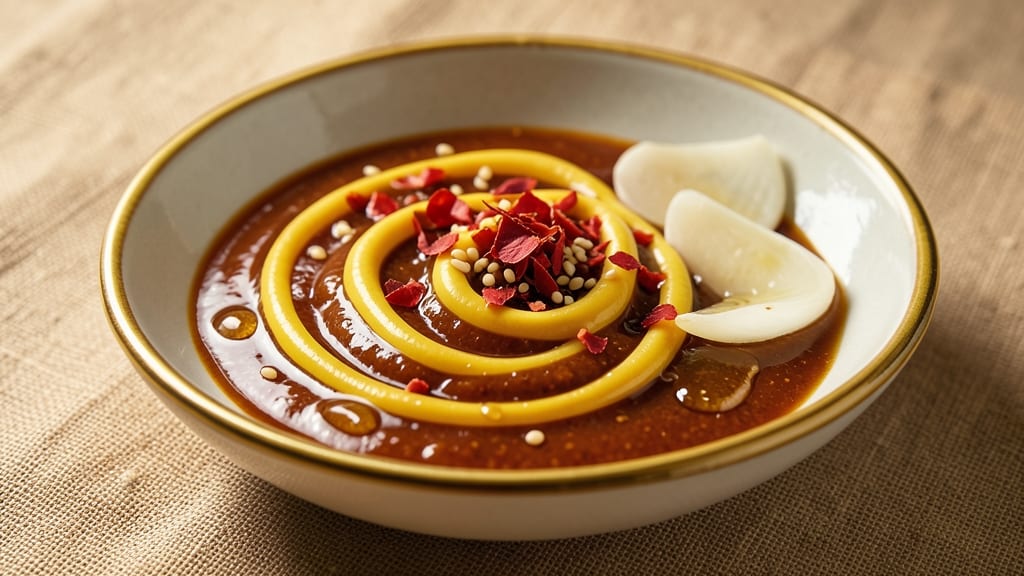
This Asian hot mustard sauce recipe delivers the perfect balance of fiery heat, tangy sweetness, and umami depth—ideal for dipping, glazing, or drizzling over grilled meats and crispy appetizers. 🔥 The secret lies in combining yellow mustard with rice vinegar, a touch of honey for sweetness, and a blend of chili flakes and fresh garlic for complexity. What sets this sauce apart is its versatility: thin enough to drizzle over sizzling wok dishes or thick enough to dip crispy fried chicken into.
What makes this sauce truly special is how it transforms ordinary dishes into something extraordinary. The vinegar brightens the heat, while the honey and soy sauce create a subtle sweet-savory contrast that lingers on the palate.
I’ve tested this recipe countless times, and it never fails to impress—whether you’re using it as a bold marinade, a spicy dip, or a finishing sauce for stir-fries. The best part? It comes together in just 10 minutes with pantry staples, yet tastes like it took hours to perfect.
By the time you’re done, you’ll have a sauce that’s rich, glossy, and packed with layers of flavor—ready to elevate any dish. The heat is controlled but noticeable, the tang is sharp, and the sweetness balances everything just right.
Store it in the fridge for up to 2 weeks, or freeze it for longer shelf life. This isn’t just a condiment; it’s a flavor booster that turns simple meals into showstoppers.
Use it to glaze grilled wings, dip spring rolls, or toss with noodles for an instant flavor upgrade. The possibilities are endless, and the results are always delicious. Let’s make this sauce!
Ingredients for asian hot mustard sauce
Pantry staples with a fiery twist—this sauce packs heat, tang, and sweetness in perfect balance.
| Ingredient | Amount | Notes |
|---|---|---|
| Yellow Mustard 🥬 | ½ cup | High-quality, smooth variety |
| Rice Vinegar 🍶 | ¼ cup | Seasoned or plain works |
| Honey 🍯 | ¼ cup | Light or wildflower preferred |
| Soy Sauce 🍶 | 2 tbsp | Light or dark variety |
| Red Chili Flakes 🌶️ | 1 ½ tbsp | Adjust for desired heat level |
| Garlic Cloves 🧄 | 3 cloves | Freshly minced for best flavor |
| Sesame Oil 🫒 | 1 tbsp | Toasted, for nutty aroma |
| Ginger Root 🌿 | 1 tbsp | Freshly grated, no zest |
| Salt 🧂 | ½ tsp | Kosher or sea salt |
| Water 💧 | ¼ cup | Adjust for desired consistency |
The mustard is the base, so grab the smooth, high-quality kind—none of that thin, watery stuff. French's or Hellmann's work great, but anything labeled 'premium' will give you better texture. Rice vinegar should smell bright and clean—skip the cloudy, funky bottles. Honey matters too: light wildflower or clover keeps the flavor balanced. For the chili flakes, I always reach for Mae Ploy or La Victoria—they're consistent and pack serious heat without dust. Fresh garlic and ginger? Always better than powdered. Toast your sesame oil in a dry pan for 30 seconds first—trust me, it makes all the difference.
No rice vinegar? Apple cider vinegar works in a pinch, but it’ll taste slightly different. Short on honey? Maple syrup or agave keeps things sweet. Want more umami? Add 1 tsp fish sauce (if not vegan) or 1 tbsp miso paste. Chili flakes too mild? Add a pinch of cayenne or a diced fresh Thai chili. The sauce should be glossy but still coat the back of a spoon—if it’s too thick, add water 1 tbsp at a time. Too thin? Simmer it uncovered for 2-3 minutes. The soy sauce can be swapped for coconut aminos if you're avoiding soy.
This sauce keeps for 2 weeks in the fridge, sealed in a jar. The flavors actually deepen over time—perfect for making ahead. For longer storage, freeze it in ice cube trays—just thaw and stir when ready. If it separates, give it a good shake before using. Use it to glaze wings, dip spring rolls, or drizzle over noodles. The heat builds slowly, so start with less chili if you're sensitive. Pro tip: A splash of this sauce in your cocktail mix takes it to the next level.
Why You'll Love This Recipe
- Five-Ingredient Magic: I swear, this sauce is the kind of recipe that makes you question why you ever bought store-bought. Just stir together yellow mustard, rice vinegar, honey, a splash of soy sauce, and a pinch of chili flakes—no fancy techniques, no waiting. Honestly, I’ve made it while microwaving leftovers.
- Sweet Heat Balance: That honey cuts through the tang of rice vinegar while the chili flakes bring the heat—just enough to wake up your taste buds without overwhelming. It’s the kind of flavor that lingers but doesn’t overpower, like a perfect spice kick in every bite.
- Dips, Glazes, Everything: Slather it on spring rolls, drizzle it over grilled chicken, or toss it with noodles—this sauce is my go-to for weeknight dinners, potlucks, or even as a quick marinade. Between us, it’s the secret weapon in my takeout-style meals at home.
- Pantry Staple Power: No weird ingredients, no last-minute grocery runs—just things you already have. A little goes a long way, too; I’ve stretched a batch for days by adding water or vinegar to thin it out. Budget-friendly? Absolutely. Stress-free? Even more so.
Step-by-step instructions for Asian hot mustard sauce
This sauce comes together in minutes—bold, tangy, and perfectly balanced.
🍳 Step 1: Bloom the Chili and Aromatics
Heat a small saucepan over medium-low heat and add the 1 tbsp sesame oil. Once shimmering, add the 1.5 tbsp red chili flakes and toast for 30 seconds until fragrant—you'll smell that deep, spicy aroma. Immediately add the 3 cloves minced garlic and 1 tbsp freshly grated ginger root, stirring constantly for 20 seconds until the garlic turns golden and the ginger loses its raw bite.
Here's the thing—don't walk away. Garlic burns faster than you think, and that would turn your sauce bitter. Watch closely until you see the garlic just starting to color at the edges. Remove the pan from heat immediately after—the aromatics should be fragrant but not dark brown.
🍳 Step 2: Combine Wet Ingredients
Return the pan to medium heat and add the 0.5 cup yellow mustard, 0.25 cup rice vinegar, and 0.25 cup honey. Stir vigorously with a wooden spoon, scraping up any browned bits from the bottom of the pan. These bits are pure flavor—don't miss them!
Let the mixture simmer gently for 2-3 minutes until it thickens slightly and coats the back of your spoon. You're looking for a consistency where the sauce clings together but still flows easily. If it starts to bubble too vigorously, reduce the heat to low to prevent scorching.
🍳 Step 3: Add Soy Sauce and Water
Pour in the 2 tbsp soy sauce and 0.25 cup water, stirring constantly. The soy sauce adds that umami depth while the water helps balance the sweetness and acidity. Taste the sauce now—you should get a bright, tangy hit from the vinegar, sweetness from the honey, and a subtle heat from the chili.
If you want more heat, add a pinch more chili flakes. If it needs more tang, splash in another teaspoon of rice vinegar. This is where you fine-tune the balance. The sauce should be vibrant and glossy, not dull or watery.
🔥 Step 4: Simmer to Perfection
Bring the sauce to a gentle simmer over medium-low heat and let it reduce for 4-5 minutes. You're looking for a syrupy consistency—thick enough to coat the back of a spoon but still pourable. Stir occasionally to prevent sticking, and taste frequently to monitor the balance of flavors.
Here's my pro tip: If the sauce gets too thick, add 1 tablespoon water at a time until it reaches your desired consistency. The final texture should be glossy and clingy, perfect for dipping or glazing. When you're happy with the flavor and thickness, remove from heat immediately.
⏰ Step 5: Rest and Adjust
Let the sauce cool for 5 minutes—this allows the flavors to meld completely. Taste again after cooling, as flavors often intensify as the sauce rests. Add a pinch of salt if needed, or more honey if it needs sweetness. The sauce should be complex: bright from the vinegar, sweet from the honey, spicy from the chili, and savory from the soy sauce.
Transfer to a clean jar or container and store in the refrigerator for up to 2 weeks. This sauce is amazing on everything—dipping for spring rolls, glazing for grilled meats, or drizzling over noodles. The flavors only get better with time!
Pro Tips For Making Asian Hot Mustard Sauce
- STIR CONSTANTLY AT FIRST: The first 30 seconds of mixing are when the honey and mustard fight for dominance—don’t walk away. I used to let it sit while I grabbed a drink, and the sauce would turn clumpy. Keep that whisk or fork moving until everything’s emulsified enough to look smooth, even if it’s still thick.
- USE COLD HONEY: Scoop that honey straight from the fridge—room-temperature honey pours like syrup and can overwhelm the vinegar’s tang. Cold honey integrates cleaner and lets the rice vinegar’s acidity shine without turning the sauce into a sticky mess. (Yes, even if you’re impatient like me.)
- BALANCE THE CHILI GRADUALLY: Taste as you go, starting with just ½ teaspoon of chili flakes. I’ve burned my tongue adding a full teaspoon upfront, only to realize the soy sauce and honey were supposed to mellow it out. Add heat in stages—you can always add more, but you can’t take it out.
- WHISK IN ICE WATER: If the sauce feels too thick or the honey’s dominance is making it cloying, whisk in 1 teaspoon of ice water. It thins the mixture without diluting the flavors—my grandmother swore by this, and she was right. Works like magic for a silky texture without watering down the punch.
Dietary considerations for this dish
Gluten-Free Adaptation
Skip the soy sauce and replace it with 2 tbsp coconut aminos—it delivers the same umami punch without gluten. For extra depth, add 1 tsp fish sauce (ensure it's gluten-free) or 1 tbsp tamari.
The rest of the recipe stays the same, but always check labels on mustard and vinegar to confirm they're gluten-free certified. 🌱
Vegan-Friendly Version
Swap the honey for agave syrup or maple syrup to keep it plant-based, and use gluten-free tamari instead of soy sauce. Sesame oil remains vegan-friendly, but check your mustard brand—some contain honey. The heat and tang stay intact, making it perfect for vegan dipping sauces or stir-fry glazes.
Low-Sugar Options
Reduce the honey to 2 tbsp and add 1 tbsp rice vinegar to compensate for sweetness. For extra umami, stir in 1 tsp miso paste (ensure it's low-sugar). The sauce will still be flavorful but with fewer calories. Taste as you go—adjust vinegar or chili flakes to balance.
Spice Sensitivity Adjustments
Cut the red chili flakes to 1 tbsp and add ½ tsp ground white pepper for warmth without heat. For a smoky depth, toast ½ tsp smoked paprika with the sesame oil. This keeps the sauce vibrant but gentle on sensitive palates while maintaining complexity.
Allergen-Free Tips
Use mustard powder instead of yellow mustard if allergies are a concern—mix 2 tbsp mustard powder with 2 tbsp warm water to replicate the texture. For sesame-free versions, omit the oil and add 1 tbsp neutral oil (like avocado oil)** instead. Always double-check all ingredients for hidden allergens.
Nutrition facts
Frequently asked questions
Can I make this sauce without honey?
Yes! Swap the honey for 2 tbsp maple syrup or agave nectar to keep it vegan-friendly. For a sugar-free option, reduce the honey to 1 tbsp and add 1 tbsp rice vinegar to balance flavors. The sauce will still have sweetness but with fewer calories.
How spicy will this sauce be?
The recipe includes 1.5 tbsp chili flakes, which delivers noticeable heat but not extreme spice. For milder heat, reduce to 1 tbsp chili flakes or add ½ tsp ground white pepper instead. The vinegar and honey help balance the spiciness, so don't worry—it won't overwhelm!
Can I use this sauce as a marinade?
This sauce works wonderfully as a marinade for grilled chicken, pork, or tofu. Let the protein soak for 30-60 minutes before cooking to infuse maximum flavor. For extra tenderness, add 1 tbsp cornstarch to thicken it slightly before marinating.
What's the best way to store leftover sauce?
Transfer the sauce to an airtight container and refrigerate for up to 2 weeks. The flavors actually improve over time! For longer storage, freeze it in ice cube trays—just thaw and stir before using. If it thickens in the fridge, add 1 tsp water to restore consistency.
Is this sauce suitable for seafood?
Yes, but use it carefully. The acidity in rice vinegar can "cook" delicate seafood like shrimp or scallops, so use it as a finishing sauce rather than a marinade. Drizzle it over cooked seafood or mix it with 1 tbsp olive oil to create a light glaze for grilled fish.