
Sauces & Condiments
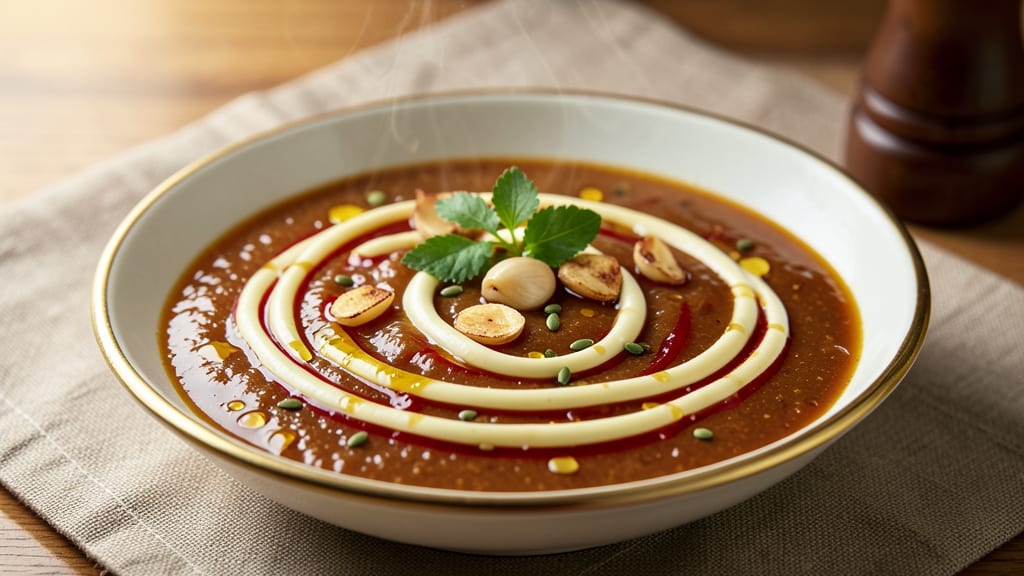
This Asian mustard sauce recipe delivers the perfect balance of tangy, sweet, and umami-rich flavors that elevate everything from grilled meats to fresh spring rolls.
The secret lies in combining yellow mustard with rice vinegar, soy sauce, and a touch of honey—creating a sauce that's bold yet versatile enough for dipping, glazing, or salad dressings.
I developed this recipe after years of perfecting the ratio of heat and sweetness, ensuring it's never overpowering but always unforgettable.
The sauce starts with a simple base of mustard and vinegar, which I gently warm to mellow the sharpness before adding soy sauce for depth and honey for balance. A splash of sesame oil and minced garlic add layers of aroma, while fresh ginger rounds out the flavors.
The result is a smooth, glossy sauce that clings beautifully to food without overwhelming it.
What makes this sauce truly special is its versatility—use it as a dipping sauce for spring rolls or dumplings, a glaze for grilled chicken or pork, or even a tangy dressing for salads.
It keeps well in the refrigerator for up to two weeks, making it a perfect pantry staple. The key is letting the flavors meld for at least 30 minutes before using it, allowing the ingredients to harmonize perfectly.
Once you try this sauce, you'll never reach for store-bought again. It's the kind of recipe that transforms simple dishes into restaurant-quality meals with just a few spoonfuls. Let's get started—your taste buds will thank you.
Ingredients for asian mustard sauce
Nine simple ingredients transform into this bold, umami-packed Asian mustard sauce.
| Ingredient | Amount | Notes |
|---|---|---|
| Yellow Mustard 🥫 | ½ cup | High-quality, smooth variety |
| Rice Vinegar 🍶 | ½ cup | Seasoned preferred for depth |
| Soy Sauce 🥢 | ⅓ cup | Light or dark, to taste |
| Honey 🍯 | ¼ cup | Wildflower preferred for complexity |
| Sesame Oil 🫒 | 1 tbsp | Toasted for nutty aroma |
| Garlic Cloves 🧄 | 3 cloves | Minced for smooth texture |
| Fresh Ginger 🌿 | 1 tbsp | Finely grated, not minced |
| Water 💧 | ¼ cup | Adjust for desired consistency |
| Salt 🧂 | ½ tsp | Kosher or sea salt |
| Black Pepper 🌶️ | ¼ tsp | Freshly ground for warmth |
The mustard is the star here—Kraft Golden or French's are my go-tos for that smooth, tangy base. Grab seasoned rice vinegar from the Asian aisle at Trader Joe's or H Mart for that extra depth of flavor. The honey? Wildflower adds complexity, but any good-quality honey works. Toasted sesame oil is a must—Kadoya or La Tourangelle brands are my favorites. For the ginger, look for fresh, firm roots with no soft spots. If you can't find fresh, dried ginger powder works at half the amount, but fresh is ideal.
No sesame oil? Toasted peanut oil gives a similar nutty depth. Short on honey? Maple syrup or agave nectar work in a pinch, though honey's floral notes are unique. The garlic can be roasted for a sweeter taste—just toss whole cloves in oil at 400°F for 10 minutes. For extra heat, add a dash of sriracha or gochujang. If the sauce feels too thick, add more water or rice vinegar to thin it out. The soy sauce can be swapped for tamari if you're gluten-free, but it'll have a slightly different profile.
This sauce keeps beautifully for 2 weeks in the fridge, sealed in a jar. The flavors actually improve after a day or two as everything melds together. For longer storage, freeze in ice cube trays—perfect for single-use portions. Before using, give it a quick whisk to re-emulsify. The sauce works wonders on grilled chicken, pork, or tofu, and it's amazing for dipping spring rolls or dumplings. Make a double batch—you'll want it on hand for everything from salads to stir-fries.
Why You'll Love This Recipe
- I’ll be real: this sauce costs me pennies to make, and it stretches farther than you’d think. A little goes a long way, so you’re not drowning in leftovers you’ll never use. Plus, if you already have soy sauce and honey, you’re halfway there—no specialty shopping required. That’s the kind of recipe that actually saves money.
- Five-Ingredient Magic: I swear, this is the kind of sauce that makes me feel like a cooking genius—just stir, taste, adjust. No fancy techniques, no waiting for reductions, just five pantry staples that come together in minutes. The yellow mustard gives it that tangy backbone, while the honey and soy sauce balance it into something dangerously addictive.
- Umami Bomb: Between us, that combo of soy sauce and sesame oil is pure flavor alchemy. It’s sweet, salty, and nutty all at once, with the rice vinegar cutting through like a bright little wake. Drizzle it over grilled chicken or toss it with noodles, and suddenly everything tastes like it’s been kissed by a food truck in Taipei.
- Weeknight Workhorse: This sauce is my secret weapon for lazy nights—it elevates whatever’s on the menu. Slather it on burgers, mix it into marinades, or even use it as a quick glaze for roasted veggies. Honestly, I’ve had it last me all week in tiny jars, and it never gets boring. (Yes, even on a Tuesday night.)
Step-by-step instructions for Asian mustard sauce
This sauce comes together faster than you'd expect—just a few minutes of mixing and simmering.
Combine Wet Ingredients in a Saucepan
In a medium saucepan over medium-low heat, whisk together the 0.5 cup yellow mustard, 0.5 cup rice vinegar, and 0.33 cup soy sauce. Let the mixture warm through for 2-3 minutes—you'll notice it starts to bubble gently and smell deeply aromatic. This warming step helps the flavors meld before adding the honey.
I like to use a whisk here to ensure everything is fully incorporated, especially the mustard which can be thick. If you see any lumps, press the mixture through a fine-mesh strainer to create a smooth base. This is your flavor foundation, so don't rush this step—let those umami notes from the soy sauce and vinegar really develop.
Add Honey and Aromatics
Next, stir in the 0.25 cup honey, 1 tbsp sesame oil, 3 minced garlic cloves, and 1 tbsp finely grated ginger. The honey will help balance the acidity from the vinegar while adding natural sweetness. Let the mixture simmer gently for 3-4 minutes until it thickens slightly—you'll see it go from a loose sauce to something that coats the back of a spoon.
Here's where the magic happens: the garlic and ginger should become fragrant but not bitter. If you smell any sharpness developing, reduce the heat to low immediately. The sesame oil will add that nutty aroma that's so characteristic of Asian flavors—just don't let it burn, as that would turn bitter.
Balance with Water and Seasonings
Pour in the 0.25 cup water and add the 0.5 tsp salt and 0.25 tsp black pepper. Stir well to combine, then taste the sauce. This is your chance to adjust the balance—if it's too tangy, add a touch more honey; if it needs more umami, stir in a little more soy sauce. The sauce should have a complex flavor profile with sweet, salty, tangy, and umami notes all working together.
Let the sauce simmer for another 2 minutes to let all the flavors meld completely. You're aiming for a consistency that's thick enough to coat but still pourable. If it's too thick, add a splash more water; if too thin, simmer longer to reduce it. The perfect consistency should be like a glossy, velvety glaze that clings beautifully to whatever you're dipping or glazing.
Cool and Adjust for Perfect Texture
Remove the saucepan from heat and let the sauce cool to room temperature. This cooling step is crucial—it allows the flavors to fully develop and the sauce to thicken slightly as it sits. I like to give it about 10-15 minutes before using it, especially if I'm planning to glaze proteins or vegetables.
Before serving, give it one final taste and adjust the seasoning if needed. The sauce should be bold but balanced, with each ingredient contributing to the overall flavor profile. If you're using it immediately, you can serve it warm, but I find it works beautifully at room temperature too—perfect for dipping spring rolls or drizzling over grilled meats.
Pro Tips For Making Asian Mustard Sauce
- Mix in stages: Start by whisking the yellow mustard and rice vinegar together—this keeps the sauce from curdling when the honey and soy sauce go in later. I learned this after watching my first batch separate like a sad salad dressing.
- Use warm honey: Dollop the honey directly into the warm mustard-vinegar mix—it dissolves instantly instead of clumping like cold honey does. Trust me, scraping globs off your whisk is not fun.
- Balance the soy sauce: Add the soy sauce last and taste as you go—too much turns it salty, too little leaves it flat. I now keep a small bowl of plain water nearby to dilute if needed (yes, even after mixing).
- Finish with cold oil: Let the sauce cool slightly before adding sesame oil—hot oil can cook off its nutty aroma. Drizzle it in at the end and give it a quick stir; this keeps the flavor bright and aromatic.
Common mistakes when making perfect results
Overcooking the Mustard
Mustard is delicate—heating it too long or too high turns it bitter. I've ruined batches by simmering beyond 3-4 minutes after adding honey. Keep heat at medium-low and watch closely. If it starts to bubble vigorously, reduce to low immediately. The goal is to warm, not cook. 🌡️
Skipping the Cooling Step
Rushing to use the sauce right after simmering means missing the flavor development that happens during cooling. Let it sit for 10-15 minutes—this lets the mustard's sharpness mellow and the sauce thicken naturally. I've learned this the hard way when I've been too eager to glaze my food immediately.
Ignoring the Straining Step
If your mustard has lumps, don't just whisk them in—strain through a fine-mesh sieve. I use a Heston Blumenthal Microplane for this purpose, but a regular kitchen strainer works too. Skipping this creates an uneven texture that's noticeable when drizzling or dipping. The straining ensures a silky, professional finish.
Using Low-Quality Ingredients
Cheap mustard, vinegar, or soy sauce will make your sauce taste flat. I always use Kraft Golden mustard and seasoned rice vinegar from Trader Joe's. The difference in flavor is night and day. Don't cut corners—these ingredients are the foundation of your sauce's depth.
Forgetting to Taste Test
Never assume the sauce is balanced after mixing. Taste at each stage—after simmering, after cooling, and before serving. Adjust with more honey for sweetness, soy sauce for umami, or vinegar for tang.
I keep a small bowl of the sauce nearby while making it to test as I go. This is how you achieve that perfect harmony of flavors. 💡
Adding Heat Too Late
If you want spice, add it at the very end—after cooling. I like to stir in ½ tsp sriracha or 1 tsp gochujang just before serving. Adding heat earlier can make the sauce too sharp and overpower the other flavors. The heat should complement, not dominate.
Nutrition facts
Frequently asked questions about Asian mustard sauce
Can I use Dijon mustard instead of yellow mustard?
Yes, but with adjustments! Dijon has a stronger, more complex flavor, so reduce the amount to 0.25 cup and add 1 tsp lemon juice to balance the tang. The texture will be slightly smoother, but the sauce will have a more pronounced European twist.
How do I make this sauce spicier?
Add 1-2 tsp gochujang or ½ tsp chili flakes at the very end (after cooling). For heat without color, stir in ½ tsp sriracha or a dash of Asian chili crisp. Always add spice gradually—you can't remove it once it's in!
Can I make this sauce without honey?
Swap honey for 0.25 cup maple syrup or agave nectar for a vegan option. For a fruitier profile, try 0.25 cup mango puree or 0.15 cup apricot jam (strain out seeds). The sauce will still balance the tang, but the flavor will shift slightly sweet.
What's the best way to store leftover sauce?
Transfer to an airtight container and refrigerate for up to 2 weeks. For longer storage, freeze in ice cube trays—thaw overnight in the fridge before using. The sauce actually improves with time as flavors meld! Always give it a whisk before serving to restore smoothness.
Is this sauce gluten-free?
Only if you use tamari instead of soy sauce. Regular soy sauce contains wheat, so check labels if you're avoiding gluten. The rest of the ingredients are naturally gluten-free, making this an easy adaptation for dietary needs.