
Sauces & Condiments
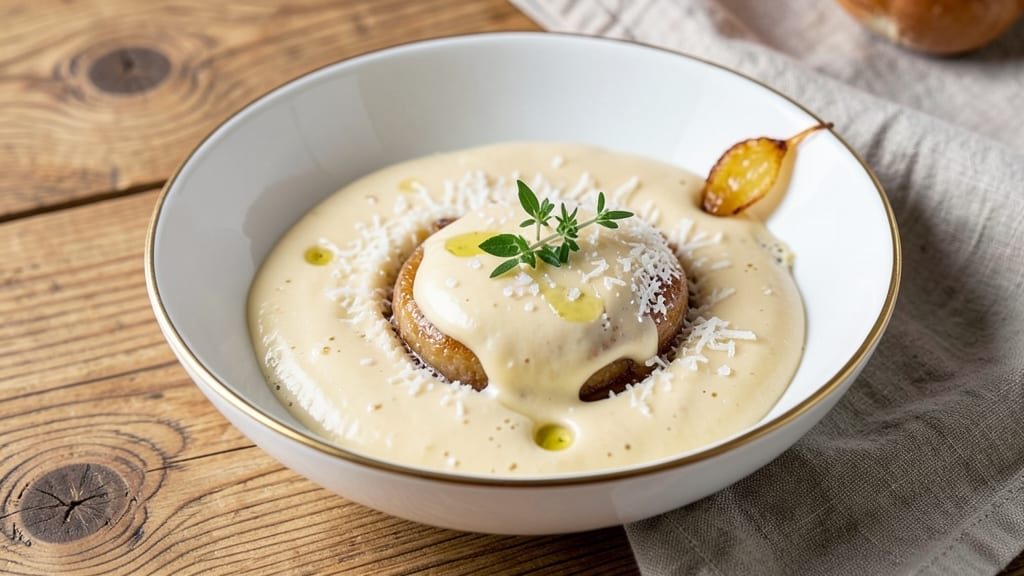
This Alfredo sauce recipe for one person delivers restaurant-quality creaminess without the fuss of making a full batch.
The secret lies in balancing rich ingredients—just 2 tablespoons of butter, ¼ cup heavy cream, and ¼ cup freshly grated Parmesan—to create a velvety sauce that clings perfectly to pasta.
I developed this version after realizing how often I needed a single serving but couldn’t justify making an entire pot.
What sets this apart is the emulsification technique: heating the butter and cream together, then whisking in the Parmesan while still hot. This creates a smooth, lump-free sauce that’s rich but not overly heavy, with just enough garlic for depth.
The result? A sauce so luxurious it feels indulgent, yet takes just 10 minutes to prepare.
The beauty of this single-serving recipe is its versatility—use it to coat 2 ounces of fettuccine, drizzle over grilled chicken, or even toss with roasted vegetables. The sauce thickens beautifully when tossed with pasta water, ensuring every bite is coated in that signature creamy goodness.
No leftovers? No problem—it keeps well in the fridge for up to 3 days or freezes perfectly for later.
For an extra touch of sophistication, finish with a sprinkle of fresh parsley or a crack of black pepper. The simplicity of the ingredients belies the restaurant-worthy results, making it ideal for weeknight dinners or quick lunches. Let’s get cooking!
Ingredients for alfredo sauce recipe for one person
Nine ingredients transform into restaurant-quality Alfredo sauce for one—rich, velvety perfection in minutes.
| Ingredient | Amount | Notes |
|---|---|---|
| Unsalted Butter 🧈 | 2 tbsp | Cold, cut into small cubes |
| Heavy Cream 🥛 | ¼ cup | Full-fat for optimal richness |
| Freshly Grated Parmesan Cheese 🧀 | ¼ cup | High-quality, freshly grated |
| Garlic Cloves 🧄 | 1 whole | Minced, for subtle depth |
| Extra-Virgin Olive Oil 🫒 | ½ tbsp | For emulsification finish |
| Diamond Crystal Kosher Salt 🧂 | ⅛ tsp | Fine grain preferred |
| Freshly Ground Black Pepper 🌶️ | ⅛ tsp | Freshly cracked for aroma |
| Fresh Basil Leaves 🌿 | ⅛ cup | Chopped, for garnish |
| Pasta Water 🍝 | ¼ cup | Reserved from cooking pasta |
The Parmesan and butter form the sauce's luxurious foundation. Freshly grated Parmesan from a wedge (not pre-shredded) is non-negotiable—it melts smoothly and delivers authentic flavor. For butter, unsalted European-style (like Plugrá) creates a richer emulsion than salted. The heavy cream must be full-fat; anything lighter compromises the velvety texture. Garlic should be minced finely—just enough to add depth without overpowering. I source my Parmesan from Whole Foods or specialty Italian markets where they keep it aged properly.
No heavy cream? Half-and-half with an extra tablespoon of cream cheese works in a pinch, though texture will differ slightly. Substituting Parmesan? Pecorino Romano has a sharper bite that pairs beautifully. For garlic aversion, asafetida powder at 1/8 tsp mimics the savory note without the flavor. The olive oil acts as an emulsifier—don't skip it. Fresh basil is ideal, but dried basil at 1/4 tsp suffices if you're out. The pasta water's starch is crucial for binding; never use tap water as a substitute.
This sauce reheats beautifully—simply warm with a splash of pasta water. Store in an airtight container for up to 3 days in the fridge, or freeze for 3 months using ice cube trays for single portions. For restaurant-quality results, always whisk the Parmesan into the hot cream mixture—never cold. The emulsion forms instantly when combined with pasta water, creating that signature cling. Garnish with black pepper immediately before serving to preserve its aroma.
Why You'll Love This Recipe
- No-Fuss Ingredients: I keep a block of butter, a stick of cream, and a wedge of Parmesan in my fridge just for this. Three ingredients—plus garlic—mean no crowded pantry runs or forgotten spices. Honestly, the only prep is grating cheese and mincing one clove. That’s it.
- Creamy Garlic Kiss: The moment the butter and garlic bloom in olive oil? Rich, nutty, and immediately fragrant. Then the cream comes in—silky, velvety, with that sharp Parmesan finish. It’s the kind of sauce where every spoonful feels like a hug.
- Single-Serving Flexibility: Too much for one? Freeze half in an ice cube tray for future fettuccine nights. Not enough? Double it in the same pot. Works over pasta, roasted veggies, or even grilled chicken—no rules, just flavor.
- Budget-Friendly Luxury: Heavy cream and Parmesan might sound fancy, but they stretch further than you’d think. A single serving costs pennies, yet tastes like a restaurant’s handcrafted version. Here’s what sold me: I can treat myself without blowing my grocery budget.
Step-by-step instructions for single-serve Alfredo sauce
Master this elegant sauce in minutes with precise technique and rich ingredients.
Melt Butter and Infuse with Garlic
In a small saucepan, melt the 2 tbsp unsalted butter over medium heat. Once fully melted and foaming subsides, add the 1 whole minced garlic cloves and stir constantly for 30 seconds—just until fragrant but not browned. Overcooking garlic turns bitter, so watch closely. The butter should take on a golden hue and emit a nutty aroma, signaling it's ready for the next step.
This initial infusion creates the aromatic foundation. I use cold butter cubes to prevent rapid browning, which would compromise the sauce's delicate flavor. Keep the heat at medium—too high causes the butter to burn before the cream comes to temperature.
Add Cream and Parmesan for Richness
Pour in the 0.25 cup heavy cream and bring to a gentle simmer over medium-low heat. Immediately add the 0.25 cup freshly grated Parmesan cheese, whisking vigorously until fully incorporated. The sauce should thicken slightly as it heats, forming a velvety consistency. Simmer for 2-3 minutes, stirring occasionally, until the mixture reaches 170°F on an instant-read thermometer.
This is where the sauce develops its signature richness. The Parmesan must be freshly grated—pre-shredded contains anti-caking agents that prevent proper emulsification. If the sauce looks too thick, we'll adjust it in the next step, but proper technique here ensures optimal texture from the start.
Season and Finish with Olive Oil
Remove the saucepan from heat and stir in the 0.125 tsp Diamond Crystal kosher salt, 0.125 tsp freshly ground black pepper, and 0.5 tbsp extra-virgin olive oil. The olive oil serves a dual purpose: it enhances the sauce's silky texture and adds a subtle fruity depth that balances the richness. Whisk vigorously for 10 seconds to fully emulsify the mixture.
This finishing step is crucial for achieving that restaurant-quality sheen. The olive oil also helps stabilize the sauce, preventing it from breaking when combined with pasta. Taste and adjust seasoning—Alfredo should be rich but not overly salty, with a clean peppery finish.
Adjust Consistency with Pasta Water
Return the sauce to low heat and gradually whisk in 0.25 cup pasta water, 1 tablespoon at a time, until you reach a smooth, coatable consistency. The sauce should cling to a spoon but still flow freely. This step ensures the sauce won't be too thick when tossed with pasta, which absorbs moisture as it cooks.
Here's the professional secret: the starchy pasta water acts as a natural thickener while maintaining the sauce's creamy texture. If you find the sauce too thin after tossing with pasta, simply reheat it with another splash of pasta water. The key is balance—thick enough to coat but fluid enough to cling to each noodle.
Garnish and Serve Immediately
Transfer the sauce to a serving bowl and stir in the 0.125 cup chopped fresh basil leaves. The basil adds a bright, herbal note that cuts through the richness. Serve immediately over hot pasta, tossing gently to ensure even coating. The sauce should form a glossy, creamy layer that clings beautifully to each strand.
Remember, Alfredo sauce is best enjoyed fresh. The moment it sits, it begins to separate, so have your pasta ready before you finish the sauce. For an extra touch, sprinkle additional Parmesan cheese on top just before serving—this adds both visual appeal and a final burst of umami flavor.
Pro Tips For Making Alfredo Sauce Recipe For One Person
- Melt Butter Slowly: Start with medium-low heat—high heat burns butter before the cream even hits the pan. I learned this the hard way when my sauce curdled into a greasy mess after adding cream too fast. Let the butter foam gently, then add the garlic so it infuses without turning bitter.
- Grind Parmesan Fresh: Pre-grated cheese is a shortcut, but it hides sawdust and moisture that ruin texture. Use a microplane or fine grater right before adding it to the sauce—it releases oils that make the sauce richer and clump-free. (Yes, even if you’re impatient like me.)
- Don’t Boil the Cream: Alfredo separates when cream boils—just simmer it gently until it’s hot enough to melt the butter but not so hot it bubbles. If it starts to thicken too fast, pull the pan off heat for 10 seconds. This keeps the sauce silky, not grainy.
- Add Olive Oil Last: A splash of olive oil at the end (about 1 teaspoon) cuts through the richness and adds brightness. Skip it, and the sauce feels heavy. Stir it in off the heat—it blends better without breaking the emulsion. (Your future self will notice the difference.)
Common mistakes when making your alfredo sauce recipe for one person
Overcooking Butter
Butter burns faster than you think, and once it turns brown, your sauce will taste bitter. I’ve ruined more Alfredo sauces than I’d like to admit by letting the butter get too hot.
Keep the heat at medium and watch closely—it should foam gently before you add garlic. If you see golden flecks forming, your sauce is already compromised. 🔥
Using Pre-Shredded Cheese
Pre-shredded Parmesan contains anti-caking agents that prevent proper emulsification, leading to a grainy, clumpy sauce. I learned this the hard way when my first attempt turned out like cottage cheese.
Always use freshly grated Parmesan from a wedge—it melts smoothly and delivers that authentic, luxurious texture. If you’re short on time, buy pre-grated blocks at specialty stores.
Skipping the Olive Oil
The olive oil isn’t just for flavor—it acts as an emulsifier, stabilizing the sauce and giving it that signature silky sheen. Without it, your Alfredo will separate or feel heavy.
I add ½ tablespoon of extra-virgin olive oil at the end, whisking vigorously to bind everything together. This step is non-negotiable for restaurant-quality results.
Ignoring Pasta Water
Pasta water is the secret weapon for adjusting consistency. Using tap water or skipping this step entirely can leave your sauce too thick or clumpy. The starch in pasta water helps the sauce cling to noodles beautifully.
Start with ¼ cup and add more as needed—it’s the only way to achieve that perfect, coatable texture. 🍝
Over-Salting Early
Alfredo sauce is rich, so you don’t need much salt. Adding it too early can make the sauce taste flat or overly salty as the flavors develop. I wait until the very end to season, then taste and adjust carefully.
A ¼ teaspoon of kosher salt is plenty—remember, Parmesan is already salty! Always taste before serving.
Letting It Sit Too Long
Alfredo sauce separates when it cools, and there’s no bringing it back once it does. Serve it immediately over hot pasta to maintain that creamy, velvety texture. If you need to reheat leftovers, add a splash of pasta water and whisk vigorously over low heat.
The goal is to keep it smooth and cohesive—never let it rest unattended.
Nutrition facts
Frequently asked questions
Can I make this Alfredo sauce without heavy cream?
Yes, but the texture will differ slightly. Replace the ¼ cup heavy cream with ¼ cup half-and-half plus 1 tablespoon cream cheese for a lighter version. For a dairy-free option, use ¼ cup full-fat coconut milk, though the flavor will be less rich. The key is maintaining enough fat to create that signature creamy consistency.
How do I prevent the sauce from breaking when reheating?
Always reheat gently over low heat and add 1-2 tablespoons of pasta water at a time while whisking. Never microwave it directly—this causes separation. For leftovers, store in an airtight container with a thin layer of plastic wrap pressed against the surface to minimize contact with air. The sauce should reheat to 165°F for safety.
Is this sauce suitable for gluten-free pasta?
The sauce itself is naturally gluten-free, but always check your pasta label. Gluten-free noodles absorb sauce differently, so you may need 1-2 extra tablespoons of pasta water to achieve the right consistency. Toss the sauce with the pasta immediately after cooking to prevent drying. The rich, creamy texture works beautifully with gluten-free options like brown rice or chickpea pasta.
Can I make this sauce ahead of time?
While it's best served fresh, you can prepare it up to 24 hours ahead if stored properly. Cool it completely, then refrigerate in an airtight container. When ready to use, reheat gently with pasta water and whisk vigorously. For longer storage, freeze in ice cube trays—thaw and reheat with a splash of water. The sauce may separate slightly when reheated, but whisking will restore its creamy texture.
What's the best way to clean my saucepan after making Alfredo?
Let the saucepan cool slightly, then fill with hot water and add 1 tablespoon baking soda. Let it soak for 10 minutes before scrubbing with a sponge—the fat and cheese residue will lift right off. For stubborn bits, sprinkle a pinch of salt while scrubbing. Avoid soaking in cold water, as the fat will solidify and become harder to remove. The key is heat and alkaline (baking soda) to break down the dairy proteins.