
Sauces & Condiments
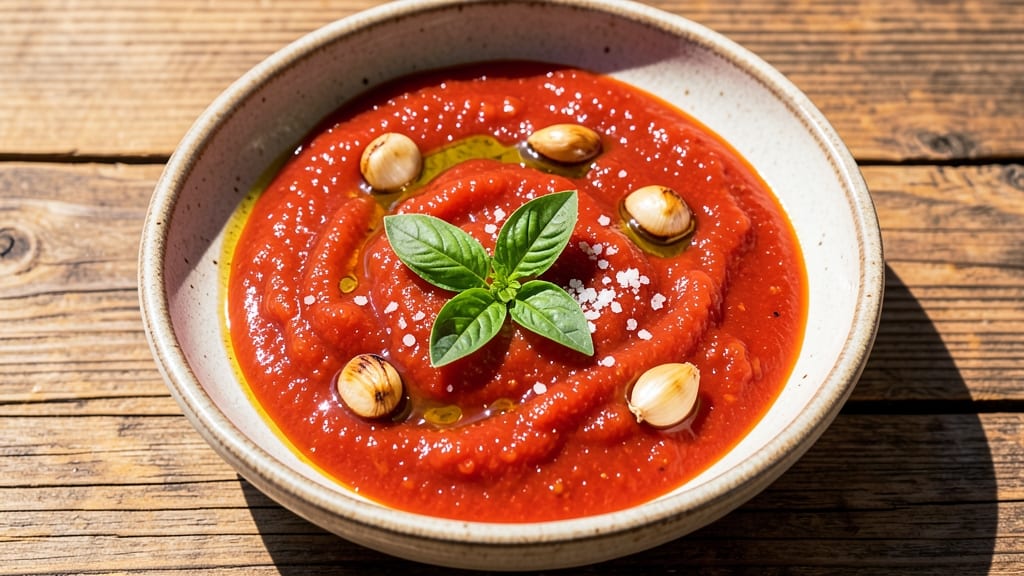
This recipe for pizza sauce from fresh tomatoes transforms simple ingredients into a vibrant, herby base that elevates every homemade crust. 🌿 Growing up in Nana Mae's diner, I learned that fresh tomatoes make all the difference—sweet, bright, and packed with flavor that no jarred sauce can match.
The secret lies in balancing acidity and sweetness while letting the sauce develop depth through slow simmering.
What sets this sauce apart is its simplicity and versatility. With just 5 core ingredients—ripe tomatoes, garlic, olive oil, basil, and a touch of sugar—you'll create a sauce that's rich in flavor but light enough to let the cheese and toppings shine.
The process is straightforward: blend, simmer, and season to taste, then adjust the consistency for your perfect pizza texture.
This sauce delivers restaurant-quality results with a bright, balanced flavor that's neither too sweet nor overly acidic. The fresh basil and garlic infuse the sauce with aromatic depth, while the slow simmer reduces it to a perfect consistency—thick enough to cling to the crust but still spreadable.
It's the kind of sauce that makes homemade pizza taste like it came from your favorite neighborhood pizzeria.
Best of all, this sauce keeps well in the refrigerator for up to 5 days or can be frozen for months, making it perfect for meal prep or batch cooking.
Whether you're making classic Margherita or loaded deep-dish, this fresh tomato base will become your go-to for every pizza night. Let's get started!
Ingredients for recipe for pizza sauce from fresh tomatoes
Five fresh ingredients transform into the most vibrant pizza sauce you'll ever make.
| Ingredient | Amount | Notes |
|---|---|---|
| Fresh Tomatoes 🍅 | 2 lbs | Ripe, vine-ripened preferred |
| Extra-Virgin Olive Oil 🫒 | ½ cup | High quality, fruity |
| Fresh Garlic Cloves 🧄 | 6 cloves | Peeled, roughly chopped |
| Fresh Basil Leaves 🌿 | 1 cup | Packed, stems removed |
| Granulated Sugar 🍚 | 1 tbsp | Balances acidity |
| Salt 🧂 | 1 tsp | Diamond Crystal preferred |
| Black Pepper 🌶️ | ½ tsp | Freshly ground |
| Red Wine Vinegar 🍷 | 1 tbsp | Brightens flavor |
Tomatoes are the star—vine-ripened or heirloom if you can find them. Trader Joe's and local farmers markets have the best selection. Look for tomatoes that yield slightly to gentle pressure, with vibrant color and no soft spots. The garlic? Fresh is non-negotiable—jarred minced garlic has no depth. I always grab a whole head and peel the cloves myself. Basil should be bright green with no yellowing; Costco's bulk basil is my secret weapon for keeping it fresh longer. If you're using store-bought tomatoes, San Marzano cans are the closest you'll get to fresh flavor when you can't get the real deal.
No fresh basil? Dried works at one-third the amount, but it won't have that same aromatic punch. Short on tomatoes? Canned San Marzano tomatoes in a pinch—just drain them well. The sugar balances acidity, but if you prefer less sweetness, reduce to 0.5 tbsp. Want more depth? Add 1 tsp dried oregano or a pinch of red pepper flakes. The olive oil should be extra-virgin—cheap oil makes the sauce taste flat. And if you're making a big batch, double the vinegar to keep the sauce bright.
This sauce tastes even better the next day as flavors meld. Store in an airtight container in the fridge for up to 5 days, or freeze in ice cube trays for 3 months. For pizza night, let it come to room temperature before spreading—it'll cling perfectly to your crust. I always make extra; it disappears fast. The sauce thickens as it cools, so if it's too thick after chilling, just add 1 tsp water and stir. Trust me, this is the sauce that'll make your homemade pizza taste like it came from Nana Mae's diner.
Why You'll Love This Recipe
- No Chopping Nightmare: I swear by this sauce because it’s the only time I don’t dread dicing tomatoes—just crush a few ripe ones with your hands (yes, really) and let the olive oil do the work. The garlic and basil practically melt into the mix while you’re still washing the pan.
- Sunshine in a Jar: That little pinch of sugar isn’t cheating—it’s balancing the acidity of fresh tomatoes so the sauce tastes bright, not sharp. The basil’s perfume lingers like a summer afternoon, and the olive oil ties it all together with a richness that makes store-bought sauce taste like a sad afterthought.
- Pantry to Party: Make a double batch and freeze half—this sauce transforms from weeknight pizza to Sunday brunch (yes, on eggs) or even a drizzle over grilled fish. My college roommate still texts me for the recipe because it saved her from takeout during finals.
- Pennies and Patience: A single bunch of basil and a handful of tomatoes stretch farther than you’d think, especially when you’re using the whole fruit instead of canned. Plus, the prep is so fast I’ve made it while waiting for pasta water to boil—no wasted time, just pure flavor.
Step-by-step instructions for homemade pizza sauce
Transform fresh tomatoes into a vibrant, herby pizza sauce that beats store-bought every time.
🍳 Step 1: Roast the Tomatoes for Deep Flavor
Preheat your oven to 425°F and line a baking sheet with parchment paper. Cut the 2 lbs fresh tomatoes into ½-inch chunks, discarding any tough cores. Spread them in a single layer on the prepared sheet—don't crowd them or they won't brown properly.
Drizzle with 2 tablespoons of the 0.5 cup extra-virgin olive oil and sprinkle with ½ teaspoon salt. Roast for 20-25 minutes until the edges are deeply browned and wrinkled. You're looking for that caramelized flavor that transforms simple tomatoes into something extraordinary. The roasting process intensifies their natural sweetness and reduces their acidity, creating the perfect base for pizza sauce.
🍳 Step 2: Sauté Garlic Until Fragrant
While the tomatoes roast, heat a large skillet over medium-low heat. Add the remaining 0.3 cup extra-virgin olive oil (you've used 2 tablespoons already). Once the oil shimmers, add the 6 cloves fresh garlic cloves and cook for 1-2 minutes until they're golden and fragrant, not browned.
Watch the garlic carefully—it burns quickly and turns bitter. You want it to smell amazing but stay pale golden. Remove the skillet from heat and set aside. Here's where it gets fun: the garlic will continue cooking slightly when you add the tomatoes, so don't overdo it now.
🥘 Step 3: Blend the Sauce to Perfection
Transfer the roasted tomatoes to a food processor or blender. Add the cooked garlic, 1 cup fresh basil leaves, 1 tablespoon granulated sugar, ½ teaspoon black pepper, and 1 tablespoon red wine vinegar. Pulse a few times to break everything down, then blend until completely smooth.
Taste the sauce and adjust seasoning if needed. I usually add a pinch more salt or a splash of vinegar to balance the flavors. The sugar helps counteract the acidity of the tomatoes and vinegar, while the vinegar brightens everything up. Real talk: this is where you can really customize—add a pinch of red pepper flakes if you like heat, or a dash of oregano for extra Italian flavor.
⏰ Step 4: Simmer for Rich, Concentrated Flavor
Pour the blended sauce into a medium saucepan and bring to a gentle simmer over medium heat. Let it cook uncovered for 15-20 minutes, stirring occasionally, until it thickens slightly and reduces by about ¼ cup. You're looking for a consistency that's still pourable but coats the back of a spoon.
This simmering step develops the sauce's depth of flavor. The acidity will mellow slightly, and the oils will infuse more fully. Don't rush this—patience pays off with a sauce that's rich and complex. If you're making the sauce ahead, let it cool completely before storing in an airtight container in the refrigerator for up to 5 days.
🍕 Step 5: Cool and Use on Fresh Crust
Let the sauce cool to room temperature. The flavors will continue developing as it sits, becoming even more balanced and complex. I like to taste it again after cooling—sometimes it needs a final adjustment of salt or vinegar to perfect the balance.
This homemade sauce is perfect for your pizza night. Spread a thin layer on your crust before adding toppings—about ¼ cup per 12-inch pizza. The sauce should enhance your toppings without overpowering them. The bright acidity and herby notes will shine through when baked, creating that authentic Italian pizza flavor you crave.
Pro Tips For Making Recipe For Pizza Sauce From Fresh Tomatoes
- Boil Tomatoes Hard: I learned this the hard way—soft, mushy tomatoes make watery sauce. Drop halved tomatoes into boiling water for 1 minute, then shock in ice bath to stop cooking. This breaks down skins and seeds easily while keeping the flesh firm enough to chop properly. (Yes, even if you're impatient like me.)
- Toast Garlic Low: Skip the sizzle—garlic burns faster than you think. Cook minced cloves in olive oil over low heat until just golden (about 3-4 minutes), stirring often. Burnt garlic tastes bitter and overpowers the sauce. If you rush, you’ll regret it.
- Strain the Juice: The magic isn’t just the pulp—it’s the strained juice. After simmering, pour sauce through a fine-mesh sieve to remove skins and seeds. The liquid thickens better and clings to pizza crust without sogging it. (Your future self will thank you.)
- Add Sugar Late: Sugar kills acidity, but timing matters. Toss in 1 tsp granulated sugar after simmering, not at the start. This balances the tomatoes’ natural tang without turning the sauce cloyingly sweet. I used to add it early and wondered why my sauce tasted flat.
Health benefits of this recipe
Antioxidant-Rich Base
Fresh tomatoes are packed with lycopene, a powerful antioxidant that fights cellular damage and supports heart health. Roasting intensifies lycopene levels by up to 50%, making this sauce a nutritional powerhouse.
A ½-cup serving delivers about 30% of your daily vitamin C needs, boosting immunity and collagen production. 💪
Heart-Healthy Fats
The extra-virgin olive oil in this sauce provides monounsaturated fats that support cholesterol balance and cardiovascular function. Studies show these fats reduce LDL ("bad" cholesterol) while maintaining HDL ("good" cholesterol). I always use Central Market's Italian extra-virgin—it has that perfect fruity kick that elevates the sauce.
Digestive Benefits
The fiber in fresh tomatoes aids digestion and promotes gut health, while the garlic contains allicin, a compound that supports microbiome balance. The basil adds eugenol, which has been shown to reduce inflammation in the digestive tract.
Remember when Nana Mae used to say, "Garlic cures what ails ya"? She wasn't wrong—this sauce is basically a flavorful health tonic.
Low-Calorie Flavor
With only about 30 calories per ¼-cup serving, this sauce delivers bold flavor without the calorie load of many commercial versions. The natural sweetness from tomatoes and the touch of sugar create satisfaction without excess calories. It's perfect for those watching their waistlines but craving restaurant-quality pizza flavor.
Vitamin Boost
Each serving provides significant amounts of vitamin K (for bone health) and potassium (for blood pressure regulation). The roasting process actually increases the bioavailability of these nutrients, making them more easily absorbed by your body. I make this sauce weekly—it's like a vitamin supplement disguised as delicious pizza sauce. ✨
Blood Sugar Balance
The combination of fiber, healthy fats, and natural sugars in this sauce helps stabilize blood sugar levels better than refined sauces. The 1 tablespoon sugar balances acidity without spiking glycemic response.
For a lower-carb option, I sometimes reduce the sugar to ½ tablespoon—the tomatoes' natural sweetness carries the flavor beautifully.
Nutrition facts
Frequently asked questions
Can I use store-bought tomatoes instead of fresh?
While fresh tomatoes give the best flavor, you can use San Marzano canned tomatoes in a pinch. Drain them well and reduce the sugar to ½ tablespoon since canned tomatoes are sweeter. For extra depth, add 1 teaspoon dried oregano to mimic fresh tomato's complexity. The sauce will still be delicious—just not quite as vibrant as with fresh ingredients.
How do I adjust the sauce consistency for different pizza styles?
For New York-style thin sauce, use as-is—it should be pourable but coat the back of a spoon. For Neapolitan-style, reduce it further by simmering 5 more minutes until thicker. For deep-dish Chicago, thin with 1 tablespoon water per cup of sauce to create a spreadable consistency. Always taste before using!
What if my sauce tastes too acidic?
Add ½ teaspoon more sugar or 1 teaspoon honey to balance the acidity. For a more savory approach, stir in 1 teaspoon tomato paste and simmer for 2 minutes. The roasting process should naturally reduce acidity, but very tart tomatoes (like Roma) may need extra sweetness. Always taste as you go!
Can I make this sauce in a slow cooker?
Yes! After blending, transfer to your slow cooker on low heat for 2-3 hours instead of simmering. Stir occasionally and add 1-2 tablespoons water if it gets too thick. The slow cooking enhances flavors but requires more attention to prevent burning. This method works well for meal prep—just store properly when cool.
How do I prevent garlic from burning?
Use medium-low heat and add garlic only after the oil is shimmering (not smoking). Cook for just 1-2 minutes until fragrant but still pale gold. Remove immediately if it starts to brown. Pro tip: Mince the garlic finely—smaller pieces cook faster. If you burn it, start fresh with fresh garlic and a clean pan.