
Sauces & Condiments
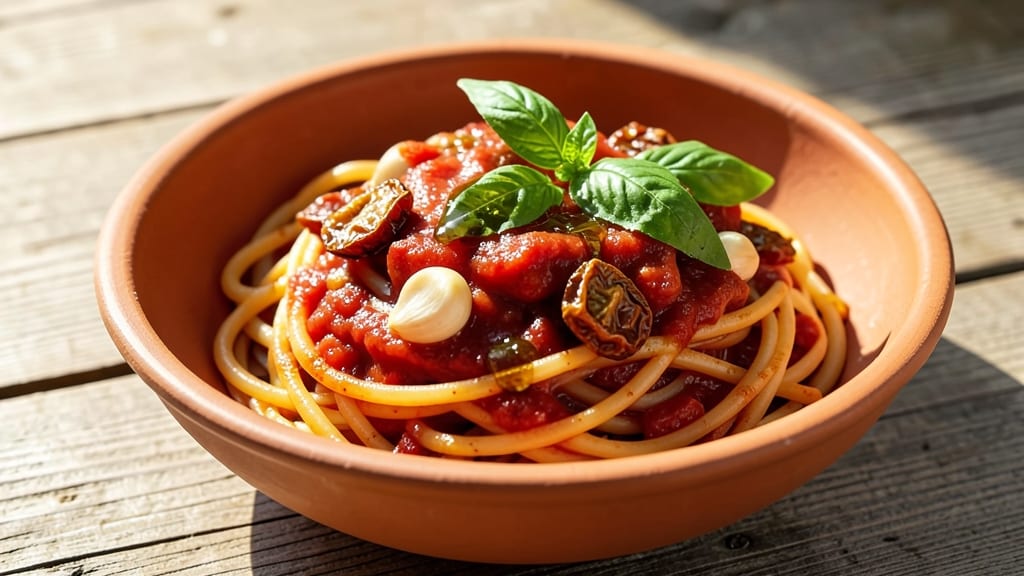
This authentic Italian spaghetti sauce transforms simple fresh tomatoes into a rich, layered sauce that captures the essence of Italian cooking. The secret lies in slow simmering vine-ripened tomatoes with garlic, sun-dried umami, and just the right balance of acidity—no shortcuts, just time-honored technique.
I developed this recipe after years of testing, ensuring every spoonful delivers that perfect harmony of bright tomato flavor and deep, savory notes.
The foundation begins with fresh tomatoes—ripe, juicy, and bursting with natural sweetness—simmered until their flavors concentrate into a velvety base. Sun-dried tomatoes add depth, while garlic and olive oil infuse aromatic richness.
What makes this sauce truly authentic is the patience: letting it reduce slowly on the stove transforms ordinary ingredients into something extraordinary, with a texture that clings beautifully to pasta without being overly thick or watery.
What you'll achieve is a sauce that's vibrant yet complex, with layers of flavor that build as it simmers. The acidity from tomatoes balances perfectly with sweetness, while herbs like basil add freshness at the end.
This isn't just a sauce—it's the heart of an Italian meal, packed with restaurant-quality depth that elevates any dish it touches.
The best part? This sauce keeps improving over time, developing even more depth when refrigerated. Store it in the fridge for up to 5 days or freeze for months, ready to transform a simple plate of pasta into a taste of Italy. Let's create this sauce that tastes like home.
Ingredients for authentic italian spaghetti sauce recipe with fresh tomatoes
Ten ingredients transform simple tomatoes into restaurant-quality Italian spaghetti sauce.
| Ingredient | Amount | Notes |
|---|---|---|
| Fresh Vine-Ripened Tomatoes 🍅 | 2 ½ lb | Ripe, juicy, cored and quartered |
| Extra-Virgin Olive Oil 🫒 | ½ cup | High-quality, fruity variety |
| Garlic Cloves 🧄 | 6 cloves | Peeled, thinly sliced |
| Sun-Dried Tomatoes in Oil 🌿 | ¼ cup | Drained, chopped finely |
| Red Wine 🍷 | ½ cup | Bold, dry variety |
| Tomato Paste 🍅 | 2 tbsp | San Marzano preferred |
| Fresh Basil Leaves 🌿 | ½ cup | Packed, chopped finely |
| Red Wine Vinegar 🍶 | 1 tbsp | For acidity balance |
| Diamond Crystal Kosher Salt 🧂 | 1 ½ tsp | Adjust to taste |
| Freshly Ground Black Pepper 🌶️ | ½ tsp | Freshly cracked |
The tomatoes are the heart of this sauce—vine-ripened with vibrant color and natural sweetness. Local farmers markets often carry the best varieties, but any ripe, juicy tomato works. Look for San Marzano tomatoes if available, though fresh vine-ripened will give you that authentic brightness. Sun-dried tomatoes from Trader Joe's or Whole Foods provide that concentrated umami depth without overpowering. The olive oil should be extra-virgin with noticeable fruity notes—California or Italian varieties work best. For the red wine, Cabernet Sauvignon or Chianti are ideal, but any bold, dry red will contribute depth. Always use fresh garlic—pre-minced loses its aromatic punch quickly.
No sun-dried tomatoes? Dried porcini mushrooms rehydrated and finely chopped make a worthy substitute. Short on fresh basil? Dried basil at one-third the amount works, though fresh adds that essential brightness. Running low on red wine? Dry white wine or additional vinegar can bridge the gap, though the sauce will be slightly lighter. The tomato paste is non-negotiable—San Marzano is the gold standard, but any quality canned paste will do. For a deeper flavor, toast the tomato paste in olive oil for 2 minutes before adding other ingredients. The vinegar might seem like an afterthought, but it's crucial for balancing sweetness—balsamic vinegar adds complexity if you prefer a sweeter note.
This sauce develops over time, so make it a day ahead for maximum flavor. Store in an airtight container in the fridge for up to 5 days, or freeze for 3 months in portion-sized containers. The texture will thicken as it cools—stir in a splash of water or broth if it becomes too stiff. For restaurant-quality results, simmer uncovered during the final reduction to concentrate flavors. The sauce pairs perfectly with al dente spaghetti or freshly baked garlic bread, making it the ideal centerpiece for any Italian meal.
Why You'll Love This Recipe
- I swear by this trick: just toss halved vine-ripened tomatoes straight into the pot. No peeling, no seeding—just the sweet, juicy goodness that simmers into something rich. My lazy Sundays thank me every time.
- No-Chop Necessary: I swear by this trick: just toss halved vine-ripened tomatoes straight into the pot. No peeling, no seeding—just the sweet, juicy goodness that simmers into something rich. My lazy Sundays thank me every time.
- Wine-Infused Depth: That splash of red wine isn’t just flavor—it’s the secret to a sauce that tastes like it simmered all day. The sun-dried tomatoes add a chewy, umami punch, while the garlic? Oh, it caramelizes into pure magic. Not fancy, just good.
- Leftovers That Beg for More: This sauce actually improves overnight—yes, really. I make a double batch on Sundays, and by Wednesday, it’s still the star of my weeknight pasta. Freezes like a dream too, so I’m never stuck without a backup.
Step-by-step instructions for authentic Italian spaghetti sauce
The secret to this sauce lies in patience and proper technique—we'll build deep, layered flavor starting with fresh tomatoes and finishing with bright, balanced acidity.
Sweat the Garlic in Olive Oil
Heat the 0.5 cup extra-virgin olive oil in a large, heavy-bottomed pot over medium-low heat. Add the 6 cloves peeled garlic cloves and cook gently for 3-4 minutes until they're pale golden and fragrant—not browned. This slow cooking prevents bitterness and develops the garlic's sweetness.
Watch the garlic closely—it burns quickly at higher temperatures. You'll know it's ready when the oil shimmers around the edges but doesn't smoke. Remove the pot from heat temporarily while you prepare the tomatoes, but keep the garlic in the oil so it infuses fully.
Build the Tomato Base
Return the pot to medium heat and add the 2.5 lb fresh vine-ripened tomatoes, cutting them into 1-inch chunks as you go. Stir in the 2 tbsp tomato paste and cook for 5 minutes until the paste dissolves completely. This creates a smooth foundation for the sauce.
Add the 0.25 cup chopped sun-dried tomatoes in oil and 0.5 cup red wine, scraping up any browned bits from the bottom of the pot. These bits contain concentrated flavor that will deepen your sauce. Let the wine simmer until it reduces by half, about 3-4 minutes. This step develops the sauce's complexity and removes alcohol sharpness.
Season and Simmer for Depth
Add the 1 tbsp red wine vinegar, 1.5 tsp diamond crystal kosher salt, and 0.5 tsp freshly ground black pepper. The vinegar brightens the sauce while balancing the richness. Bring to a gentle simmer and cook uncovered for 30-40 minutes, stirring occasionally, until the tomatoes break down and the sauce thickens.
Here's the key: maintain a steady simmer, not a rolling boil. You want the sauce to reduce gradually, concentrating flavors. After 20 minutes, taste and adjust seasoning—you may need additional salt as the tomatoes release their water. The sauce should coat the back of a spoon but still be loose enough to cling to pasta.
Finish with Fresh Basil
Remove the pot from heat and stir in the 0.5 cup chopped fresh basil leaves. Let the sauce sit for 5 minutes to allow the basil's oils to infuse. This final step adds freshness that balances the deep umami from the sun-dried tomatoes and wine.
For serving, you can either use the sauce immediately or let it rest at room temperature for 15 minutes before reheating. This resting period allows flavors to meld completely. The sauce should have a vibrant red color with visible tomato pieces and a silky texture. Serve over al dente spaghetti with a sprinkle of additional basil and a drizzle of olive oil.
Pro Tips For Making Authentic Italian Spaghetti Sauce Recipe With Fresh Tomatoes
- CHAR THE TOMATOES FIRST: I learned this the hard way—skipping this step means your sauce will taste raw and one-note. Cut the fresh tomatoes in half, drizzle them with a splash of olive oil, and sear them cut-side down in a dry pan over medium-high heat for 2-3 minutes until they release their juices and develop a slight char. This unlocks their natural sweetness and deepens the flavor.
- DRAIN THE SUN-DRIED TOMATOES WELL: Those sun-dried tomatoes packed in oil are convenient, but the excess oil can make your sauce greasy and dull the bright acidity of the fresh tomatoes. Pat them dry with a paper towel before adding them to the pot—yes, it’s tedious, but it makes a real difference in balancing the sauce.
- LOW AND SLOW WITH THE WINE: After deglazing with red wine, resist the urge to crank up the heat to boil it off faster. Let it simmer gently—just a few bubbles breaking the surface—so the alcohol dissipates without cooking off the delicate fruit flavors. I used to rush this, and the sauce always tasted harsh.
- SALT THE TOMATOES BEFORE COOKING: Sprinkle a generous pinch of salt (about 1/2 teaspoon per pound of tomatoes) directly over the cut tomatoes while they char. This draws out moisture, concentrates their flavor, and prevents a watery sauce later. It’s a trick I picked up from a Neapolitan chef, and it’s non-negotiable for me now.
Perfect pairings for authentic italian spaghetti sauce recipe with fresh tomatoes
Pasta Pairings
This sauce is a match made in heaven with al dente spaghetti—the classic choice—but don’t stop there. Try it with linguine for a slightly wider surface area to hold the sauce, or bucatini for that rustic, hollow-pasta experience.
For a heartier bite, rigatoni or penne work beautifully, especially if you toss in a few grilled chicken pieces or crispy pancetta at the end. 🍝
For a lighter option, serve over whole wheat spaghetti or gluten-free brown rice linguine—just be sure to cook it perfectly to avoid a mushy texture. I’ve also had great success with farfalle (bow-tie pasta) when I want to add a touch of elegance to the dish.
The key is always to toss the sauce with the pasta while it’s still hot, letting it cling to each strand like a second skin.
Bread Pairings
A warm, crusty focaccia or ciabatta is a must when serving this sauce—dip slices into the simmering pot for a quick, flavorful appetizer. I love using garlic-infused olive oil to brush the bread before baking, then topping it with fresh rosemary and a sprinkle of sea salt while it cooks.
The bread soaks up any leftover sauce beautifully, making it a perfect side.
For a more rustic touch, try grilled sourdough or baguette slices toasted in the oven. The crispy crust contrasts perfectly with the silky sauce, and the tangy sourdough adds another layer of depth.
Pro tip: Save a few slices of bread from your loaf, toast them in the sauce for a minute, and serve them alongside your pasta for a hands-off eating experience.
Cheese Pairings
While this sauce is delicious on its own, a sprinkle of freshly grated Parmigiano-Reggiano or Pecorino Romano takes it to the next level. I like to use a microplane for the finest texture, then toss it with the pasta and sauce at the very end.
The cheese’s nutty, salty notes cut through the sauce’s acidity, creating a perfect balance. 🧀
For a creamy twist, stir in a dollop of ricotta cheese or mascarpone at the end—just enough to add richness without overpowering the tomato flavor. Another great option is mozzarella di bufala, which melts beautifully and adds a subtle sweetness.
Always add cheese at the last minute to prevent it from breaking down too much, keeping those gorgeous, gooey strands intact.
Drink Pairings
A crisp Chianti Classico or Sangiovese is the classic Italian wine pairing—its bright acidity and earthy notes complement the sauce’s depth. I recommend a 2018-2020 vintage for the right balance of fruit and tannins.
For a lighter option, a Pinot Grigio from Friuli-Venezia Giulia offers a refreshing contrast without overpowering the dish. 🍷
If you prefer beer, a light Italian lager like Peroni or Moretti cleanses the palate beautifully. For craft beer lovers, a Belgian witbier with its citrusy, spicy notes adds an unexpected but delightful twist.
Avoid heavy, hoppy beers—they’ll clash with the sauce’s delicate flavors. A non-alcoholic option? Try a sparkling blood orange soda for a refreshing, citrusy kick that brightens every bite.
Nutrition facts
Frequently asked questions
Can I substitute canned tomatoes for fresh?
Fresh tomatoes give the brightest, most authentic flavor, but you can use canned in a pinch. For best results, choose San Marzano canned tomatoes (no salt added) and simmer them slightly longer—about 10-15 extra minutes—to concentrate their flavor. Drain them well first to avoid a watery sauce. Skip the sun-dried tomatoes if using canned, as their texture won't break down the same way.
Why does my sauce taste too acidic?
Acidity comes from the fresh tomatoes and vinegar, but too much can overwhelm. Balance it by adding a pinch of sugar (½ tsp) or a splash of red wine to mellow the sharpness. For a richer flavor, stir in a teaspoon of tomato paste—it adds depth without extra acid. Let the sauce rest for 10 minutes before tasting again; flavors often mellow as they cool.
How do I make this sauce less chunky?
For a smoother texture, blend half the cooked sauce with an immersion blender before mixing it back in. If you prefer small tomato pieces, simmer the sauce longer (45-60 minutes)—the tomatoes will naturally break down. Avoid over-blending, as some texture keeps the sauce authentic. For extra silkiness, stir in 1 tablespoon of heavy cream at the end (optional).
Can I make this sauce in a slow cooker?
Yes! Follow the same steps but transfer everything to the slow cooker after the wine reduction. Cook on low for 6-8 hours or high for 3-4 hours, stirring occasionally. The slow cooker enhances the umami flavors, but you may need to add 1-2 tablespoons of water toward the end if it gets too thick. The texture will be slightly different but still delicious.
What’s the best way to store leftovers?
Let the sauce cool completely, then transfer to an airtight container. It keeps in the fridge for 5-7 days, where flavors deepen over time. For freezing, portion into ziplock bags (remove excess air) and freeze for up to 3 months. Thaw overnight in the fridge—never microwave directly from frozen. Stir in a splash of water or broth when reheating to restore texture.