
Sauces & Condiments
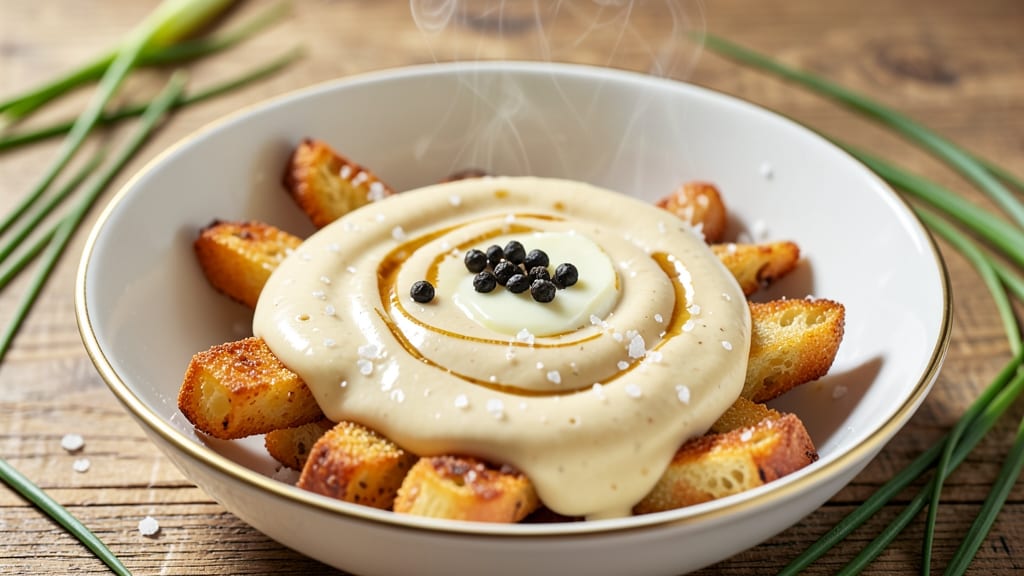
This powdered cheese sauce recipe transforms a simple pantry staple into velvety perfection for mac and cheese, nachos, or dips. After years of kitchen experiments—including one infamous clumpy disaster—I perfected a foolproof method that delivers smooth, creamy results every time.
The secret lies in gradual mixing and proper heating, ensuring no lumps ever ruin your dish again.
What sets this recipe apart is its versatility and ease. With just three ingredients—powdered cheese mix, milk, and a pinch of butter—you can create restaurant-quality sauce in minutes. The key technique involves whisking the powder into warm liquid slowly, then thickening on the stove until silky smooth.
This method works for any brand of powdered cheese sauce, making it a kitchen essential.
By the time you're done, you'll have a creamy, velvety sauce that coats pasta perfectly, melts over nachos, or enhances dips without a trace of graininess. The texture is so smooth it rivals homemade cheese sauce, but with none of the fuss.
My grandmother used to make this for Sunday dinners, and now it's my go-to for quick weeknight meals when time is tight.
This sauce keeps beautifully in the fridge for up to 5 days, making it perfect for meal prep or entertaining. Whether you're covering mac and cheese, topping baked potatoes, or making a cheesy dip, this recipe delivers professional results with minimal effort.
Let's get started on creating your new favorite kitchen shortcut.
Ingredients for powdered cheese sauce
Three ingredients, endless possibilities. No clumps, just velvety perfection every time.
| Ingredient | Amount | Notes |
|---|---|---|
| Powdered Cheese Sauce Mix 🧀 | 1 package | Any brand, 1 oz package |
| Whole Milk 🥛 | 2 cups | Room temperature preferred |
| Unsalted Butter 🧈 | 1 tbsp | Full-fat for creaminess |
| Salt 🧂 | ¼ tsp | Adjust to taste |
| Freshly Ground Black Pepper 🌶️ | ⅛ tsp | Optional, for extra flavor |
The powdered cheese mix is where quality matters most. Kraft or Velveeta are reliable brands, but any boxed mix works—just avoid the ultra-cheap store brands if you can. That said, Trader Joe's or Walmart usually carry solid options. Milk temperature is key: room temp blends smoother than cold. The butter? Full-fat is non-negotiable here—it's what gives that restaurant-quality richness. Pro tip: shake the powdered mix well before opening to avoid clumping from moisture.
No powdered mix? Shredded cheese plus cornstarch works in a pinch—mix 1 cup shredded cheddar with 2 tbsp cornstarch, then proceed with the recipe. Short on milk? Half-and-half or light cream gives a silkier texture, but whole milk is foolproof. Butter substitute? Olive oil or vegan butter keeps it dairy-free, though texture will differ slightly. The salt and pepper are just for seasoning—adjust based on your mix's saltiness (some brands are saltier than others).
This sauce reheats beautifully—just warm on the stove with a splash of milk if it thickens too much. Keeps 5 days in the fridge, sealed tightly in an airtight container. For longer storage, freeze portions in ice cube trays (thaw in the fridge overnight). I always make extra—it disappears fast on mac and cheese nights. The secret to no clumps? Low-and-slow heat while whisking constantly. Trust me on this one.
Why You'll Love This Recipe
- Five-Ingredient Magic: I swear by this—just mix, melt, and serve. Three minutes of stirring, no measuring cups, no stress. The powdered mix does all the heavy lifting while I focus on whatever else is happening in the kitchen.
- Creamy Without the Hassle: That velvety texture? It’s the butter and milk working their magic, but honestly, the powdered cheese takes it to another level. One taste and you’ll forget it’s even a mix—it’s just cheese sauce perfection.
- Game for Any Meal: Slather it on nachos, toss it with pasta, or drizzle it over roasted veggies. I’ve even used it to turn plain grilled cheese into a gourmet sandwich. (Yes, even on a Tuesday night.)
- Leftovers That Don’t Suck: This stuff reheats like a dream—no graininess, no weird textures. I make a big batch on Sundays, stash it in the fridge, and pull it out all week. Budget-friendly, foolproof, and always welcome.
Step-by-step instructions for creamy powdered cheese sauce
Here's how to make velvety, no-clump cheese sauce every time—smooth, rich, and ready in minutes.
Warm the Milk and Butter Together
Pour the 2 cups whole milk into a medium saucepan and place it over medium-low heat. Add the 1 tablespoon unsalted butter and stir gently until the butter melts completely. You'll see small bubbles forming around the edges—that's your signal the milk is starting to warm through.
Keep the heat at medium-low and let the mixture heat through for 2-3 minutes until it reaches 160°F on an instant-read thermometer. This gentle warming prevents scorching and ensures the powdered mix dissolves smoothly. If you notice any skin forming on the surface, simply stir it back into the milk.
Whisk in the Powdered Cheese Sauce Mix
Remove the saucepan from heat and let it sit for 30 seconds to cool slightly. This prevents the powdered cheese mix from clumping when added. Sprinkle the 1 package powdered cheese sauce mix evenly over the surface of the warm milk—don't dump it all at once or you'll create lumps.
Using a whisk, gently stir the mix into the milk in a circular motion. Start with small movements to break up any powder clumps, then gradually increase the speed. You'll notice the mixture will thicken immediately as the powder dissolves. If you see any small clumps forming, simply press them against the side of the pan with the whisk to break them up completely.
Season and Simmer for Creaminess
Return the saucepan to low heat and stir continuously for 1-2 minutes until the sauce reaches 170°F. This gentle simmer helps develop the sauce's velvety texture. Add the 0.25 teaspoon salt and 0.125 teaspoon freshly ground black pepper, stirring well to distribute the seasoning evenly.
For extra richness, you can add 1 tablespoon additional butter now and stir until melted. Taste the sauce and adjust the seasoning if needed—this is your chance to make it perfectly to your liking. Remember, the sauce will continue to thicken slightly as it cools, so don't over-thicken it at this stage.
Strain for Ultra-Smooth Texture (Optional)
For the absolute smoothest sauce, line a fine-mesh strainer with a clean cheesecloth or coffee filter. Pour the cheese sauce through the strainer into a clean saucepan, pressing gently with a rubber spatula to extract every last drop. This step removes any microscopic powder particles that might affect the texture.
If you're serving the sauce immediately, you can skip this step—the sauce will still be delicious. But for special occasions or when making ahead, straining ensures that velvety consistency that's perfect for dipping, drizzling, or mixing with other dishes. Return the strained sauce to the saucepan and keep it warm over low heat until ready to serve.
Pro Tips For Making Powdered Cheese Sauce
- Melt Butter Slowly: Dump cold butter into the pan first, then turn the heat to medium-low before adding milk. I learned this the hard way—burnt butter ruins everything, and you’ll taste it even in cheese sauce. Let it melt completely before stirring in the powder.
- Whisk in Stages: Add the powdered mix gradually while whisking constantly—don’t just dump it all in. I used to rush it, and the sauce would clump like glue. A little at a time keeps it silky smooth.
- Use Warm Milk: Heat the milk to just below a simmer (160°F) before mixing—cold milk makes the sauce grainy. I skip the thermometer and just watch for tiny bubbles forming around the edges. No need to boil it, though.
- Pepper at the End: Hold off on the black pepper until the very last stir—it burns off faster than you think. Freshly cracked pepper tastes better, but if you’re lazy, pre-ground works fine. Just don’t let it sit in the heat.
Creative variations of this powdered cheese sauce
Spicy Cajun Twist
Turn your basic cheese sauce into a Cajun-inspired dip by adding 1 teaspoon Cajun seasoning (like Tony Chachere's) and ½ teaspoon smoked paprika to the warm milk before whisking in the powder. For extra heat, stir in ¼ teaspoon cayenne pepper at the end.
Serve this with crudité veggies or as a topping for loaded baked potatoes. My grandmother used to make this for Mardi Gras parties—it disappears faster than you can say "laissez les bons temps rouler!"
Buffalo Chicken Dip
Combine ½ cup cooked shredded chicken with the finished cheese sauce, then mix in 2 tablespoons buffalo sauce (like Franks RedHot). Top with ¼ cup crumbled blue cheese and a sprinkle of chopped green onions.
Bake at 350°F for 10 minutes until bubbly. This dip is perfect for game day or parties—guests will beg for the recipe! 🌶️
Mac and Cheese Upgrade
For a restaurant-worthy mac and cheese, stir ½ cup cooked bacon bits and ¼ cup chopped chives into the warm sauce before mixing with your pasta. Add ½ cup shredded cheddar to the sauce for extra richness.
The bacon adds smoky depth, while the chives bring freshness—just like my grandmother's Sunday dinner. Pro tip: Toss the sauce with hot pasta for maximum cling.
Nacho Bar Sauce
Divide the cheese sauce into two portions. Stir ½ teaspoon garlic powder and ¼ teaspoon onion powder into one portion for classic nacho flavor. For the other, add ½ teaspoon taco seasoning and ¼ cup salsa for a fiesta-inspired twist.
Serve both with tortilla chips, jalapeños, and sour cream for a build-your-own nacho bar. This is my go-to for movie nights—easy and always a hit! 🧀
Vegan Cheesy Sauce
Swap the milk for 2 cups unsweetened almond milk and use vegan butter instead of dairy butter. For the powdered mix, choose a vegan cheese sauce (like Follow Your Heart) or make your own by combining 1 cup nutritional yeast with 2 tablespoons cornstarch.
The result is a creamy, dairy-free sauce perfect for vegan mac and cheese or dips. Trust me, even non-vegans won’t miss the dairy!
Breakfast Casserole Base
Use this cheese sauce as the foundation for a breakfast casserole by mixing it with 2 cups shredded hash browns and 1 cup cooked sausage. Pour over 4 cups beaten eggs in a greased baking dish, then top with ½ cup shredded cheddar.
Bake at 350°F for 30-35 minutes until set. This is my favorite lazy weekend breakfast—no one will guess it started with powdered cheese! 🍳
Nutrition facts
Frequently asked questions
Why does my powdered cheese sauce get clumpy?
The #1 cause is adding the powder too quickly or to cold milk. Always sprinkle the mix evenly over warm milk (160°F) and whisk gently in a circular motion. For stubborn clumps, press them against the pan with a whisk while stirring. My grandmother swore by this method—it works every time!
Can I make this sauce without milk? What substitutes work?
Yes! For a lighter version, use half-and-half or light cream (same measurements). For dairy-free, try unsweetened almond milk or cashew milk—just add 1 extra tablespoon cornstarch to thicken. The sauce will be slightly thinner but still delicious. I once used coconut milk for a Thai-inspired dish—it added a lovely tropical twist!
How do I adjust the thickness for different uses?
For dips or nachos, keep it slightly thinner by adding 1-2 tablespoons extra milk while heating. For mac and cheese, let it thicken more naturally—it will coat better when cooled. If too thick, whisk in 1 tablespoon warm milk at a time. The key is patience: low heat and constant stirring prevent lumps and give you control over texture.
Is powdered cheese sauce healthier than homemade?
It depends! Store-bought versions often contain preservatives and less real cheese (sometimes just 20% actual cheese). Homemade versions with shredded cheese + cornstarch give you more control over ingredients. That said, powdered sauce is lower in fat (no butter needed) and convenient for weeknights. For balance, I use it for quick meals but make homemade sauce for special occasions.
Can I freeze leftover cheese sauce?
Portion into ice cube trays, freeze, then transfer to a bag. Thaw overnight in the fridge—never at room temperature. The texture stays creamy when reheated gently on low heat with a splash of milk. I always make extra because it disappears fast during game day parties!