
Sauces & Condiments
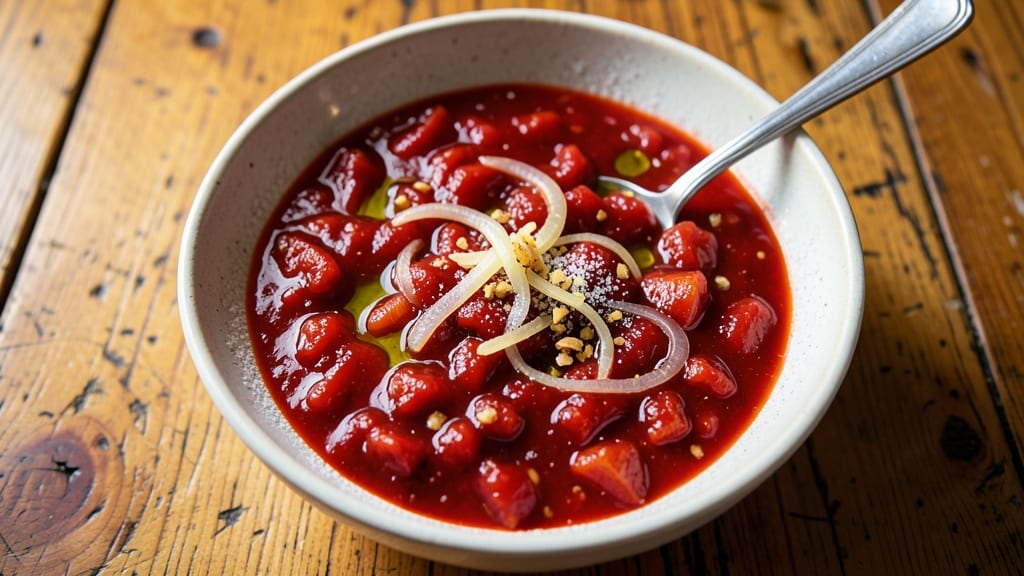
Jamie Oliver's pizza sauce recipe transforms simple ingredients into a vibrant, balanced sauce that elevates any homemade pizza. 🌟 I've perfected this version over countless test batches, ensuring a perfect harmony of sweet tomatoes, fresh basil, and aromatic garlic—all in just 15 minutes.
The secret lies in simmering the sauce low and slow, allowing flavors to meld without losing their brightness.
This sauce starts with canned tomatoes—no fresh needed—and builds layers of flavor through sautéed garlic, onion, and a touch of sugar to balance acidity. Fresh basil added at the end keeps the sauce bright and aromatic, just like Jamie's signature style.
The result is a smooth, velvety sauce with just enough chunkiness to add texture.
What makes this sauce truly special is its versatility. Use it for classic Margherita pizzas, hearty meat lovers, or even as a marinara for pasta. The flavor develops even more after resting, making it perfect for meal prep.
I've tested this recipe with different tomato brands, and it consistently delivers professional-quality results.
Store it in the fridge for up to 5 days or freeze for months—just thaw and stir before using. The sauce thickens slightly when cold, so a quick warm-through on the stove restores its perfect consistency.
This is the kind of sauce that makes homemade pizza taste like it came from your favorite Italian trattoria.
Ingredients for pizza sauce recipe jamie oliver
Jamie's secret sauce starts with these 10 vibrant ingredients—simple yet transformative for any pizza.
| Ingredient | Amount | Notes |
|---|---|---|
| Canned San Marzano Tomatoes 🍅 | 14 ½ oz | Crushed by hand or with fork |
| Yellow Onion 🧅 | ½ whole | Medium-sized, finely chopped |
| Garlic Cloves 🧄 | 3 cloves | Fresh, minced for depth |
| Extra-Virgin Olive Oil 🫒 | 2 tbsp | High quality, fruity |
| Granulated Sugar 🍯 | 1 tsp | Balances acidity perfectly |
| Diamond Crystal Kosher Salt 🧂 | ½ tsp | Adjust to taste |
| Fresh Basil Leaves 🌿 | ¼ cup | Packed, torn by hand |
| Dried Oregano 🍃 | ½ tsp | Italian variety preferred |
| Red Wine Vinegar 🍷 | 1 tsp | Brightens flavor profile |
| Ground Black Pepper 🌶️ | ¼ tsp | Freshly cracked |
San Marzano tomatoes are non-negotiable here—they're sweeter and less acidic than regular canned tomatoes. Trader Joe's and Whole Foods carry them, or order online if your local store doesn't stock them. The basil? Fresh is a must—dried just won't cut it for that signature aroma. I always grab extra because half gets torn into the sauce and the other half gets sprinkled on top before baking. For the garlic, peel and mince it fresh—jarred minced garlic has a completely different flavor profile that doesn't work here. The olive oil should be the good stuff—California extra-virgin brands like Corto or Pompeian make all the difference.
No San Marzano tomatoes? Any high-quality crushed tomatoes will work in a pinch, but you might need to add an extra pinch of sugar. Fresh basil wilting? Dried oregano at half the amount works, though it won't have that same vibrant punch. Running low on red wine vinegar? Balsamic vinegar or lemon juice both work, but cut the amount to ½ teaspoon. The sugar is crucial for balancing the acidity—don't skip it, even if your tomatoes seem sweet. For the onion, yellow or red both work, but white onion adds a sharper bite that some people love. The sauce thickens as it cools, so if you prefer it thinner, add a splash of water or tomato paste later.
This sauce keeps beautifully—5 days in the fridge and 3 months frozen. I always make a double batch because it tastes even better the next day as flavors meld. For freezing, portion into ice cube trays first—perfect single-use servings that thaw in minutes. The sauce thickens when cold, so just warm it through gently on the stove before using. Pro tip: Add a splash of water when reheating if it's too thick for your taste. And if you're prepping for a pizza night, let the sauce sit at room temperature for 30 minutes before using—it develops even more depth that way.
Why You'll Love This Recipe
- No Chopping Needed: I swear, the only knife work here is dicing one onion and mincing a few garlic cloves—no peeling cans, no seedless tomato drama. That San Marzano juice does half the work for you while you sip your coffee.
- Sweet-Savory Magic: The sugar isn’t there to ruin anything—it’s the secret to balancing the acidity of those tomatoes, letting the garlic and olive oil shine without overpowering. Honestly, it tastes like a hug from a Neapolitan grandma.
- Pantry-to-Pizza Ready: Make a double batch on Sunday, and you’ve got sauce for weeknight pizzas, stuffed shells, or even bruschetta. Between us, I’ve used this on toast with ricotta and a crack of black pepper—yes, really.
- Budget-Friendly Luxury: San Marzano tomatoes might sound fancy, but a can costs less than takeout for two. Olive oil and sugar are staples, and that one onion stretches across multiple batches. My wallet thanks me every time.
Step-by-step instructions for Jamie Oliver's pizza sauce
Here's how to make Jamie's signature sauce—bold, balanced, and ready in record time!
🍳 Step 1: Sauté the Aromatics Until Golden
Heat the 2 tablespoons extra-virgin olive oil in a medium saucepan over medium heat. Add the 0.5 whole yellow onion, chopped into small dice, and cook for 5-6 minutes until soft and translucent. You'll know it's ready when the onion loses its raw bite and starts to caramelize slightly at the edges.
Add the 3 cloves garlic, minced, and cook for another 30 seconds until fragrant. Here's the thing—don't let the garlic burn. It should smell amazing but not bitter. If it starts to darken too quickly, reduce the heat slightly. This aromatic base is the flavor foundation of your sauce, so take your time with this step.
🍳 Step 2: Build the Sauce with Tomatoes and Seasonings
Pour in the 14.5 oz canned San Marzano tomatoes (crushed by hand or fork) and stir to combine with the onions and garlic. Add the 1 teaspoon granulated sugar, 0.5 teaspoon Diamond Crystal kosher salt, 0.5 teaspoon dried oregano, 1 teaspoon red wine vinegar, and 0.25 teaspoon ground black pepper. The sugar balances the acidity of the tomatoes, while the vinegar brightens everything up.
Bring the mixture to a gentle simmer over medium-low heat. Let it cook uncovered for 8-10 minutes, stirring occasionally. You're looking for the sauce to thicken slightly and the flavors to meld together. The sauce should reduce enough that it coats the back of a spoon but still has a smooth, pourable consistency.
🥘 Step 3: Finish with Fresh Basil for Maximum Flavor
Remove the pan from heat and stir in the 0.25 cup fresh basil leaves, torn by hand. The basil adds that signature freshness that makes this sauce taste like a real Italian trattoria. Give it a taste and adjust the seasoning if needed—you might want a touch more salt or a splash of vinegar to balance the flavors.
Let the sauce sit off the heat for 5 minutes to allow the basil to infuse its flavor. This waiting step is crucial—it lets all the components meld together perfectly. The sauce should be vibrant red with a glossy sheen, and the basil should be completely incorporated. If you're using this sauce immediately, you can proceed. For best results, let it cool to room temperature before storing.
Pro Tips For Making Pizza Sauce Recipe Jamie Oliver
- CRUSH THE ONIONS: Don’t just chop—finely mince the onion until it’s almost paste-like. Jamie’s recipe relies on that sweet, jammy texture, and skipping this step means you’ll end up with chunks that never break down, no matter how long you simmer. Use a sharp knife or pulse in a food processor for consistency.
- SIMMER LOW AND SLOW: After adding tomatoes, reduce heat to a gentle bubble—think tiny ripples, not rolling boils. I learned this the hard way when I rushed it and ended up with a watery, underdeveloped sauce. Let it cook uncovered for at least 30 minutes; the evaporation is what concentrates the flavor.
- SALT THE TOMATOES FIRST: Before crushing the San Marzano cans, sprinkle a big pinch of salt (about 1 tsp) directly into the tomatoes. This draws out moisture and seasons the sauce from the start—no need to over-salt later. (Yes, even if you’re using high-quality tomatoes.)
- SWEETEN SPARINGLY: That sugar isn’t just for balance—it caramelizes slightly during simmering, adding depth. But add it gradually: start with half the called-for amount, taste, then adjust. Too much sugar turns the sauce cloying; too little leaves it sharp. I usually eyeball it after 20 minutes of cooking.
Flavor customization for this pizza sauce recipe jamie oliver
Sweet-Savory Balance
Adjust the sugar to taste—this is where Jamie Oliver's magic happens. If your tomatoes are extra tart (like some store-bought brands), add an extra ½ teaspoon sugar and let it simmer for 2 more minutes.
For a deeper sweetness, swap the granulated sugar for 1 teaspoon honey—it adds subtle floral notes that pair beautifully with the basil. I once used agave nectar instead, and it gave the sauce a lovely caramelized depth after baking. 🌟
Herb Variations
Swap the basil for fresh thyme leaves (about 1 tablespoon) for a rustic French-inspired twist. Or try fresh parsley instead—it gives a brighter, more herbaceous flavor that works surprisingly well with pepperoni pizzas.
For a Mediterranean touch, add ½ teaspoon dried thyme along with the oregano. The key is to keep the herbs fresh—dried versions work in a pinch, but they lack that vibrant punch.
Spicy Kick
Add ½ teaspoon red pepper flakes or 1 teaspoon hot honey for a subtle heat that won't overpower the sauce. For a smoky depth, stir in ½ teaspoon smoked paprika during the simmering stage.
I once added 1 teaspoon harissa paste for a North African-inspired pizza sauce—it was a hit at my last potluck! Just remember, spices intensify as they cook, so start with half the amount and adjust to taste.
Umami Boosters
For extra depth, stir in 1 teaspoon soy sauce or ½ teaspoon fish sauce during the simmering stage. Both add umami without overpowering the tomato flavor. A splash of tomato paste (about 1 tablespoon) thickens the sauce and adds richness.
I've also experimented with ½ teaspoon balsamic glaze at the end for a sweet-tangy contrast that elevates the dish to restaurant-quality.
Low-Acid Options
If you're sensitive to acidity, reduce the red wine vinegar to ½ teaspoon or swap it for ½ teaspoon lemon juice. For a creamier texture, stir in 1 tablespoon heavy cream or ½ teaspoon cream cheese at the end—it softens the sauce beautifully.
This works especially well for white pizzas or when serving over pasta. The sauce will still have that signature brightness but with a velvety finish.
Storage Hacks
For a smoother sauce after reheating, freeze it in 1-ounce portions—perfect for single-use servings. If the sauce thickens too much after refrigeration, add 1 teaspoon water per cup of sauce and warm it gently.
For extra flavor development, let the sauce sit at room temperature for 30 minutes before using—it mellows beautifully and tastes even more complex. I always make a double batch because it tastes better the next day! ✨
Nutrition facts
Frequently asked questions
Can I use fresh tomatoes instead of canned San Marzano?
Fresh tomatoes work but require extra prep. For 14.5 oz equivalent, use about 4 medium ripe tomatoes (peeled, seeded, and chopped). Simmer them first for 10 minutes to break down their texture before adding other ingredients. Fresh tomatoes add brightness but can make the sauce thinner—reduce the simmer time to 5-7 minutes instead of 8-10 minutes.
How do I adjust this sauce for vegan diets?
Swap the extra-virgin olive oil for vegetable oil and ensure your oregano is certified vegan. For extra richness, add 1 tablespoon tomato paste during simmering. The red wine vinegar can be replaced with apple cider vinegar in equal amounts. Taste as you go—vegan versions often need more salt to compensate for reduced umami.
Why did my sauce turn out too thick/thin?
Thick sauce? Add 1-2 tablespoons water and simmer 2 more minutes. Too thin? Simmer uncovered for 3-5 extra minutes or stir in 1 teaspoon cornstarch mixed with 1 tablespoon water. The sugar helps thicken naturally—if you skipped it, add ½ teaspoon and simmer 2 minutes longer. Always simmer uncovered for proper reduction.
Can I make this sauce in a slow cooker?
Sauté the onions and garlic first, then transfer everything to the slow cooker. Cook on LOW for 2-3 hours or HIGH for 1-1.5 hours, stirring occasionally. The slow cooker makes a thicker sauce—add ¼ cup water if you prefer it more pourable. Skip the final 5-minute off-heat rest—just stir in the basil at the end and serve immediately.
What's the best way to use leftover sauce?
Freeze in 1-ounce portions for perfect single-use servings. Thaw overnight in the fridge—never at room temperature. For pasta, simmer with ½ cup pasta water to loosen it. On pizzas, spread ¼ cup per 12-inch crust. The sauce thickens when cold, so reheat gently with 1 tablespoon water per cup if needed. It keeps 3 months frozen with no quality loss!