
Sauces & Condiments
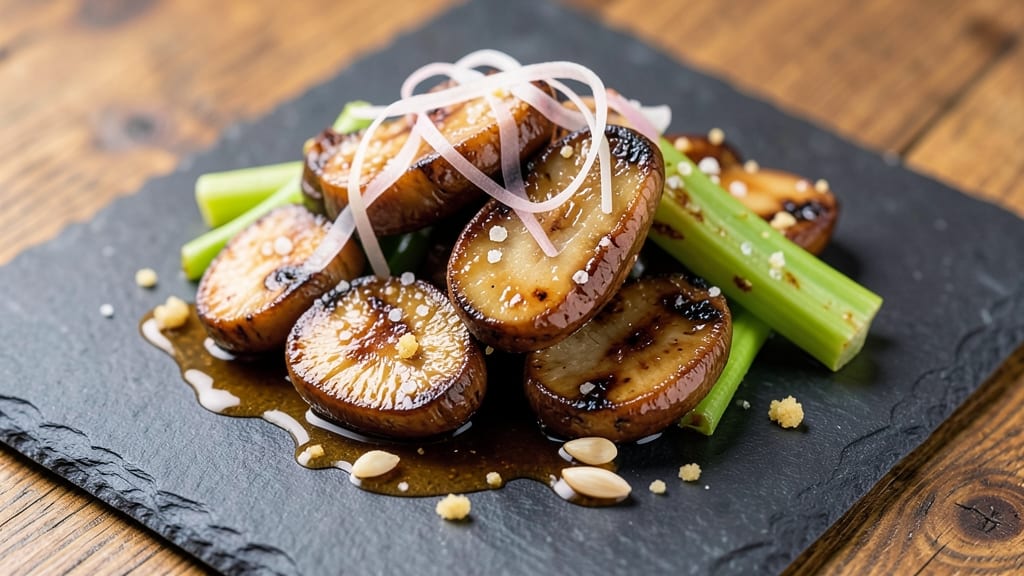
This mushroom oyster sauce recipe transforms ordinary stir-fries into umami-packed masterpieces with just five simple ingredients. The secret lies in simmering oyster mushrooms with traditional oyster sauce, creating a rich, velvety glaze that clings to every bite.
I developed this version after realizing store-bought sauces lacked the depth of homemade—especially when you add that unexpected celery crunch at the end.
The process is straightforward: sauté aromatics, add mushrooms and sauce, then reduce until thick and glossy. What makes this sauce special is the balance of sweetness from sugar and the earthy depth of mushrooms, which amplify the umami naturally found in oyster sauce.
The celery topping adds a satisfying crunch that cuts through the richness, making it perfect for drizzling over noodles or tossing with vegetables.
What you'll end up with is a sauce that's far more complex than anything store-bought—deep, savory, and slightly sweet with that signature umami kick. It keeps beautifully in the fridge for up to two weeks, so you can make a big batch and use it all week.
This isn't just a sauce; it's the kind of condiment that transforms simple meals into restaurant-quality dishes.
The possibilities are endless: use it as a glaze for grilled meats, a stir-fry sauce for tofu or chicken, or even a dipping sauce for spring rolls. The celery topping adds a fresh, crisp element that makes every bite exciting. Let's get started—your taste buds will thank you.
Ingredients for mushroom oyster sauce
Five ingredients create restaurant-quality umami depth with that signature celery crunch.
| Ingredient | Amount | Notes |
|---|---|---|
| Oyster Mushrooms 🍄 | 1 lb | Fresh, sliced into 1/2-inch pieces |
| Traditional Oyster Sauce 🍶 | ½ cup | High-quality, not low-sodium |
| Celery Stems 🥬 | ¼ cup | Finely chopped for topping |
| Granulated Sugar 🍚 | 2 tbsp | White or brown for caramelization |
| Garlic Cloves 🧄 | 3 cloves | Minced for aromatic base |
| Ginger Root 🌿 | 1 tbsp | Freshly grated, not powdered |
| Sesame Oil 🫒 | 1 tbsp | Toasted, for finishing |
| Vegetable Oil 🫒 | 2 tbsp | Neutral, high smoke point |
| Low-Sodium Soy Sauce 🍶 | 1 tbsp | For depth, optional |
| Cornstarch 🌾 | 1 tsp | For thickening, mixed with water |
The mushrooms are the heart of this sauce—oyster mushrooms have that meaty texture and earthy flavor that store-bought sauces can't replicate. Grab the freshest you can find (the ones still closed are best), and slice them yourself for maximum flavor. Whole Foods or Asian markets usually carry the best selection, but the regular grocery store works too. If you're using dried mushrooms, soak them first—they need rehydrating for full flavor. The oyster sauce? Lee Kum Kee or Pearl River Bridge are my go-tos, but any brand with no added MSG works. And trust me, the fresh ginger and garlic make all the difference over powdered versions.
No oyster sauce? Soy sauce plus a splash of mirin gets you close, though you'll lose some of that deep umami. Short on mushrooms? Shiitake mushrooms work in a pinch, but they're more expensive. The celery topping is non-negotiable—it's what makes this sauce stand out. Fresh celery only (the pre-chopped kind gets soggy). For the cornstarch slurry, mix it with 1 tbsp cold water first—that's key for smooth thickening. And if you're making a big batch, double the cornstarch for extra insurance against splatters. The sesame oil? Toast it first—heat it in a dry pan for 30 seconds until fragrant.
This sauce keeps like a dream—2 weeks in the fridge sealed tightly. I like to make a big batch and freeze half in ice cube trays for easy portions. When reheating, add a splash of water to restore that glossy texture. The celery topping is best added fresh right before serving—it wilts fast. For extra richness, stir in a spoonful of the sauce before drizzling over dishes. And if it gets too thick? Thin with a little water—it's better to have it too runny than too stiff.
Why You'll Love This Recipe
- Pan-Fry Magic: I swear by the caramelized garlic and celery stems—just 5 minutes in the pan, and you’ve got that deep, savory foundation. The oyster mushrooms soak it up like sponges, turning tender without any fuss.
- Umami Bomb: That oyster sauce? It’s the star—salty, sweet, and rich all at once. Add a pinch of sugar, and suddenly your stir-fry has that restaurant-quality depth that makes everyone pause mid-bite.
- Leftovers That Shine: This sauce keeps for days in the fridge, and it’s better the next day. Toss it with rice, noodles, or even eggs—it’s my lazy Sunday lunch secret weapon when I’m too tired to cook fresh.
- Budget Stretch: Oyster mushrooms are cheap, and a little sauce goes a long way. I make a big batch, freeze half, and still have enough for stir-fries, dumplings, or even a quick pasta sauce. Zero waste, all flavor.
Step-by-step instructions for mushroom oyster sauce
Here's how to transform simple ingredients into a restaurant-quality sauce with perfect umami depth.
Sauté the Mushrooms Until Golden
Heat the 2 tablespoons vegetable oil in a large skillet over medium-high heat until shimmering. Add the 1 pound oyster mushrooms, sliced into ½-inch pieces, and spread them out evenly in the pan. Let them cook undisturbed for 3-4 minutes until they begin to release moisture and develop golden brown spots.
I stir occasionally after that initial sear, breaking up any large clusters as they cook. You'll know they're ready when they're deeply browned and slightly crispy around the edges, with most of the moisture evaporated. This step builds the sauce's rich, earthy foundation—don't rush it. If the mushrooms start sticking, reduce the heat slightly but keep them moving.
Build the Flavor Base with Aromatics
Push the mushrooms to one side of the skillet and add the 2 tablespoons granulated sugar to the empty space. Let it melt and caramelize for 1-2 minutes until it turns a light amber color. This adds natural sweetness that balances the sauce's savory depth.
Add the 3 minced garlic cloves and 1 tablespoon freshly grated ginger root to the caramelized sugar. Stir for 30 seconds until fragrant—you should smell that bright, zesty aroma. Then add the 1 tablespoon low-sodium soy sauce and mix everything together. Pour in the ½ cup traditional oyster sauce and bring to a gentle simmer, stirring constantly to combine all the flavors into one cohesive mixture.
Thicken the Sauce to Perfection
In a small bowl, whisk together the 1 teaspoon cornstarch with 2 tablespoons water until completely dissolved. Pour this slurry into the simmering sauce while stirring continuously. Let it cook for 2-3 minutes until it thickens noticeably and coats the back of a spoon. The sauce should be glossy but still pourable—like a thick gravy rather than a paste.
Taste and adjust seasoning if needed. I usually find it needs a touch more salt at this point, but since we're using low-sodium soy sauce, you might need to add a pinch of salt or another dash of soy sauce. Keep the heat at medium-low to prevent the sauce from separating or burning. Once it reaches your desired consistency, remove it from heat immediately.
Finish with Crispy Celery Topping
While the sauce rests, heat the 1 tablespoon sesame oil in a small pan over medium heat. Add the ¼ cup finely chopped celery stems and stir-fry for 2-3 minutes until they soften slightly and develop a beautiful golden color. This crisp-tender topping adds a refreshing contrast to the rich sauce.
To serve, spoon the warm sauce over your protein of choice and top with the crispy celery. The texture contrast—silky sauce against crisp celery—elevates this simple preparation to something truly special. Each bite delivers that perfect balance of umami, sweetness, and fresh crunch that makes this sauce so addictive.
Pro Tips For Making Mushroom Oyster Sauce
- Sear Mushrooms First: Hit the pan with a splash of oil and medium-high heat before adding mushrooms—this draws out moisture and builds flavor. I used to skip this, and the final dish tasted dull; now it’s rich and caramelized.
- Trim Celery Properly: Cut celery stems into ½-inch chunks after removing the tough outer strings—no one wants to bite into fibrous celery in their sauce. A quick scrape with a knife works faster than peeling.
- Balance Sweetness Early: Add half the sugar with the oyster sauce, then taste before finishing. Sugar burns fast, and you’ll regret dumping it all at once. Start with 1 teaspoon, adjust as you go.
- Crush Garlic Coarsely: Smash garlic cloves with the flat side of your knife instead of mincing—it releases more flavor without turning bitter. Fine minced garlic burns too quickly in this dish.
Regional styles of this mushroom oyster sauce
Chinese Cantonese Roots
This sauce traces back to traditional Cantonese cuisine, where oyster sauce originated as a thick, savory condiment made from oyster extracts and soy sauce. The original version was much simpler—just oysters, soy sauce, and sugar—but modern adaptations like this one incorporate local ingredients like mushrooms for depth.
In Hong Kong, you'll find it used generously in stir-fries and noodle dishes, often finished with fresh herbs or scallions. My first taste of this style came from a tiny Cantonese restaurant in Boston's Chinatown, where the chef drizzled it over steamed fish. 🍜
Japanese Umami Twist
Japanese chefs took oyster sauce and elevated it with dashi and mirin, creating a lighter, more delicate version perfect for sushi rice or tempura.
While this recipe uses oyster mushrooms (a Japanese pantry staple), the technique mirrors how they'd build umami in sauces—starting with a sweet-savory base before adding aromatic depth.
In Tokyo, you'd find this sauce drizzled over yakitori or grilled vegetables, often paired with a sprinkle of bonito flakes for extra umami. The celery topping here replaces those flakes, offering a fresh crunch instead of fishy notes. 🍱
Thai-Inspired Balance
Thai cuisine brings sweet, spicy, and sour elements to oyster sauce, often blending it with fish sauce and lime. This version keeps the Thai philosophy of balance but simplifies it for home cooks.
In Bangkok, you'd see oyster sauce used in pad kra pao (stir-fried basil chicken) or massaman curry, where its richness cuts through the heat. The sugar in this recipe mirrors Thai nam prik pao (chili jam), adding a subtle sweetness that prevents the sauce from being overpoweringly salty. 🌶️
American Home Cook Adaptations
Here in the U.S., we've made oyster sauce our own—often thickening it with cornstarch (like this recipe) or mixing it into BBQ sauces for a smoky-umami kick. Southern cooks use it in fried chicken batters, while West Coast chefs drizzle it over grilled salmon or avocado toast.
The celery topping is my own twist, inspired by New England slaw—a nod to my Boston roots. It’s the kind of adaptation that makes this sauce feel familiar yet exciting, perfect for weeknight dinners. 🥗
Korean Fermented Depth
Korean cuisine adds fermented elements like doenjang (soybean paste) to oyster sauce for complexity. While this recipe uses low-sodium soy sauce, the technique mirrors how Koreans build layers of flavor—starting with a sweet caramelized base before adding umami-rich ingredients.
In Seoul, you'd find oyster sauce used in bibimbap or tteokbokki, where its glossy texture clings to rice and noodles. The mushrooms here replace fermented seafood (like jeotgal), offering a vegetarian-friendly umami boost. 🍜
Vegetarian-Friendly Global Appeal
What makes this sauce universally adaptable is its vegetarian base—mushrooms and soy sauce make it accessible worldwide. In India, it might be used in dal tadkas for richness, while in Italy, it could replace hoisin in egg rolls.
The celery topping works globally: in Mexico, you’d swap it for cilantro, while in France, chervil would add a delicate anise note. This is the beauty of oyster sauce—it’s a blank canvas for regional flavors. 🌍
Nutrition facts
Frequently asked questions
Can I substitute oyster mushrooms for other types?
While oyster mushrooms give that signature meaty texture, shiitake mushrooms work beautifully for a deeper earthy flavor. For a milder taste, cremini or white button mushrooms will work in a pinch—just be prepared for less umami richness. If you're vegetarian, king oyster mushrooms (the giant ones) are fantastic as they hold their shape well when cooked.
How do I prevent the sauce from getting too thick?
If your sauce thickens too much, simply add 1-2 teaspoons of water at a time while stirring gently over low heat. The key is to keep the temperature steady—never let it boil vigorously. For extra insurance, reduce the cornstarch to ½ teaspoon next time. This sauce should be glossy but still pourable, like a thick gravy rather than a paste.
Can I make this sauce without cornstarch?
Yes! If you're avoiding cornstarch, try arrowroot powder instead (use the same amount). For a grain-free option, simmer the sauce longer—about 10-15 minutes—to let the natural starches in the mushrooms thicken it. Just remember it won't be as glossy as the cornstarch version, but it'll still be delicious and perfectly usable for stir-fries or dipping.
What's the best way to store leftovers?
Store the sauce in an airtight container in the fridge for up to 2 weeks. For longer storage, freeze it in ice cube trays—just thaw and reheat with a splash of water to restore its glossy texture. The celery topping should be added fresh right before serving, as it wilts quickly when reheated. If the sauce separates when reheating, stir vigorously to recombine.
How can I use this sauce beyond stir-fries?
This versatile sauce works as a glaze for grilled meats, a dipping sauce for spring rolls, or even a marinade for tofu. Try drizzling it over ramen, mixing it into fried rice, or using it as a base for homemade dumpling sauce. The celery topping adds great texture to noodle dishes or as a garnish for baked potatoes. For extra richness, stir in a spoonful of the sauce before serving.