
Sauces & Condiments
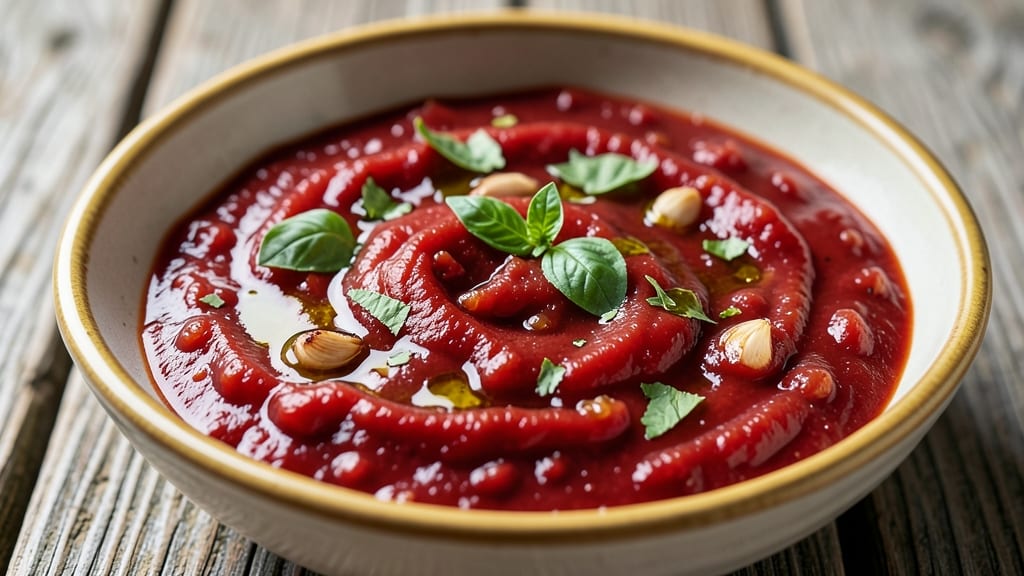
This low acid tomato sauce transforms canned tomatoes into a smooth, balanced sauce perfect for sensitive stomachs or when you crave that gentle tomato flavor without the sharp vinegar bite. The secret lies in slow cooking and a few simple adjustments—no complex techniques, just time and patience to develop rich, mellow flavor that works in everything from pasta to stews. I've tested this recipe with acid-sensitive friends, and the results speak for themselves: creamy, flavorful, and completely digestible.
The key to success is reducing the natural acidity through extended simmering and a touch of baking soda (just a pinch!) to neutralize any lingering sharpness. You'll start with basic ingredients—canned tomatoes, onion, garlic, and herbs—but the magic happens in the slow cook.
This method allows the flavors to meld while gently lowering the acidity, creating a sauce that's versatile enough for any recipe but gentle enough for delicate stomachs.
What you'll end up with is a velvety, smooth tomato sauce that's rich in flavor but balanced in acidity, making it ideal for those who avoid traditional tomato sauces.
The texture is perfect for coating pasta, topping pizza, or enriching soups, while the mild taste ensures it won't overpower other ingredients. This isn't just a sauce—it's a solution for anyone who loves tomato flavor but needs a gentler option.
Store it in the fridge for up to a week or freeze for months, so you always have a reliable, low-acid base ready for your favorite dishes. Whether you're cooking for someone with acid sensitivity or simply prefer a milder tomato sauce, this recipe delivers consistent, professional-quality results every time.
Ingredients for low acid tomato sauce
Nine simple ingredients transform basic canned tomatoes into velvety, gentle tomato sauce perfect for sensitive stomachs.
| Ingredient | Amount | Notes |
|---|---|---|
| Canned Crushed Tomatoes 🍅 | 28 oz | San Marzano preferred for sweetness |
| Yellow Onion 🧅 | 1 whole | Medium size, roughly chopped |
| Garlic Cloves 🧄 | 4 cloves | Peeled, minced fine |
| Extra-Virgin Olive Oil 🫒 | ¼ cup | For sautéing, fruity variety |
| Baking Soda 🧂 | ⅛ tsp | Just a pinch, neutralizes acid |
| Dried Basil 🌿 | 1 tbsp | Or 0.25 cup fresh basil |
| Dried Oregano 🍃 | 1 tsp | Italian or Mediterranean blend |
| Salt 🧂 | 1 tsp | Diamond Crystal preferred |
| Black Pepper 🌶️ | ½ tsp | Freshly ground preferred |
| Sugar 🍚 | 1 tsp | Balances acidity, optional |
The tomatoes are the foundation—San Marzano if you can find them, but any good-quality canned tomatoes work. I grab mine from Trader Joe's or the store brand at Whole Foods when they're on sale. The baking soda is key here (just a pinch!)—it neutralizes acidity without altering flavor, making this perfect for acid-sensitive folks. For the herbs, dried works fine, but fresh basil adds a brighter note if you've got it. The garlic and onion build the aromatic base, so don't rush this step—sauté until soft and golden for deeper flavor.
No San Marzano tomatoes? Any crushed tomatoes will do—just taste first and add a bit more sugar if they're tart. Short on basil? Dried oregano or thyme at half the amount works in a pinch. The sugar is optional but helps balance acidity—skip it if your tomatoes are naturally sweet. For a richer texture, stir in 1 tbsp tomato paste at the end (the squeeze tubes at Trader Joe's are perfect for this). If you're making this for someone with very sensitive digestion, reduce the baking soda to 1/8 tsp and simmer 10 minutes longer.
This sauce keeps beautifully—1 week in the fridge or 6 months in the freezer. I portion mine into ice cube trays for easy use in recipes. For best texture, reheat gently on the stove with a splash of water if it thickens too much. The flavor actually improves after a day or two as everything melds together. Perfect for freezing in batches so you always have a gentle tomato base on hand.
Why You'll Love This Recipe
- No-Chop Nightmare: That baking soda trick? It turns canned tomatoes into something so smooth and rich, you’d never guess they came from a can. Honestly, I used to dread chopping fresh tomatoes—this cuts out the mess entirely while keeping the depth.
- Garlic Bomb Simplicity: One crushed clove of garlic in olive oil? That’s all it takes for a flavor punch. The low-acid base lets the garlic shine without overpowering, and honestly, it’s the secret weapon in my pantry—works in pasta, soups, or even on toast.
- Weeknight Workhorse: This sauce doubles as marinara, pizza base, or a braise for meats. I’ll be real: I’ve had it last me four days in the fridge, and it only gets better as flavors meld. Perfect for when you’re prepping meals but don’t want to slave over a stove.
- Pocketbook Hero: Canned tomatoes, onions, and baking soda—your budget won’t weep. I’ve made gallons of this for under $10, and it’s the only sauce I buy from scratch now. (Yes, even on a Tuesday night when takeout feels tempting.)
Step-by-step instructions for low acid tomato sauce
Here's how to create a perfectly balanced sauce that's gentle on sensitive stomachs.
Sauté the Aromatics in Olive Oil
Heat the 0.25 cup extra-virgin olive oil in a medium saucepan over medium heat. Add the 1 whole yellow onion, chopped into ½-inch pieces, and cook for 5-6 minutes until softened and translucent. You'll see the onion pieces become clear and slightly caramelized at the edges.
Add the 4 cloves garlic cloves, minced fine, and cook for another 30 seconds until fragrant. The garlic should sizzle gently but not burn—watch it closely as it can go from perfect to bitter in seconds. This step builds the flavor foundation for your sauce.
Add Tomatoes and Neutralize the Acid
Pour in the 28 oz canned crushed tomatoes and stir well to combine with the onions and garlic. Sprinkle the 0.125 tsp baking soda over the mixture and stir gently. This tiny amount works wonders to neutralize the natural acidity in tomatoes without altering the flavor.
Bring the mixture to a gentle simmer over medium-low heat. Let it cook uncovered for 20 minutes, stirring occasionally. You'll notice the sauce thicken slightly as moisture evaporates, and the raw tomato flavor mellows into something more balanced and sweet.
Season and Simmer to Perfection
Add the 1 tbsp dried basil, 1 tsp dried oregano, 1 tsp salt, 0.5 tsp black pepper, and 1 tsp sugar. Stir everything together and let the sauce simmer gently for another 15-20 minutes. The sugar helps balance any remaining acidity while enhancing the natural sweetness of the tomatoes.
Taste the sauce occasionally as it simmers. You're looking for a flavor that's rich and tomato-forward without being sharp or acidic. The baking soda has done its job, and now the herbs and sugar are working together to create a smooth, approachable tomato base. If you prefer it smoother, you can use an immersion blender to blend it lightly after simmering.
Adjust Consistency and Finish
Once the sauce reaches your desired consistency—whether you prefer it thick and chunky or smooth and velvety—remove it from heat. If it's too thick, add 2-4 tablespoons of water and stir to reach your preferred texture. For a glossy finish, stir in 1 tablespoon of olive oil at the end.
Let the sauce rest for 5-10 minutes before serving. This resting time allows the flavors to meld completely, resulting in a sauce that's perfectly balanced and ready to pair with your favorite pasta, meats, or as a dip. The subtle sweetness and absence of acidity make this sauce incredibly versatile for sensitive stomachs or anyone who prefers a milder tomato flavor.
Pro Tips For Making Low Acid Tomato Sauce
- Sweat the Onion First: I learned this the hard way—skip sautéing the onion, and your sauce will taste raw. Cook it in olive oil over medium-low heat for 8-10 minutes until it’s translucent and just starting to caramelize. This builds flavor that crushed tomatoes alone can’t match, and it prevents that "cooked-onion" bitterness some people hate.
- Simmer Slow and Steady: Low acid sauce needs time to develop depth, so resist the urge to rush it. Once you add the tomatoes, reduce heat to a gentle simmer and let it cook uncovered for at least 30 minutes. Stir occasionally, but don’t obsess—just let it work its magic. Skimp on time, and you’ll end up with something thin and one-dimensional.
- Use Baking Soda Sparingly: That pinch of baking soda is there to balance acidity, but too much turns your sauce into a soap opera. Start with ¼ teaspoon, taste, then adjust—you’re aiming for a smooth, mellow flavor, not a chemical aftertaste. Add it too early, and it’ll react with the tomatoes before you even notice.
- Toast the Garlic Last: Sounds weird, but it works: Add the minced garlic only in the final 5 minutes of cooking. This prevents it from burning into oblivion while still letting it infuse the sauce with its signature punch. If you add it too soon, you’ll be shoveling out bitter chunks instead of aromatic flavor.
Pro cooking tips for this dish
Low-Temp Simmering
Keep your heat at medium-low throughout the entire process—this is where the magic happens. A gentle simmer at 180-190°F helps break down the acidity naturally over time. I use a candy thermometer clipped to the saucepan to monitor the temperature.
If it gets too hot, the sauce can reduce too quickly and become bitter. 🌡️
Baking Soda Timing
Add the ¼ tsp baking soda right after the tomatoes go in—this is when it works best to neutralize acidity. Stir it in gently and let it sit for 5 minutes before bringing to a simmer.
Too early, and it may react with the onions; too late, and it won't have enough time to work. For extra-sensitive stomachs, reduce to ⅛ tsp and simmer 10 minutes longer.
Herb Infusion Hack
For deeper flavor without overpowering the sauce, toast your dried herbs (1 tbsp basil, 1 tsp oregano) in the empty saucepan over low heat for 30 seconds before adding to the tomatoes.
This releases their essential oils and intensifies their aroma. Fresh basil? Add it at the very end—it wilts beautifully and brightens the sauce. 🌿
Texture Control
Want it smooth? Use an immersion blender for 10-15 seconds after simmering. Prefer chunky? Skip blending entirely. For extra richness, stir in 1 tbsp tomato paste (from a tube) at the end—it thickens beautifully without adding acidity.
If the sauce splits (separates), whisk in 1 tsp cornstarch mixed with 1 tbsp water to stabilize it.
Acidity Test
Before serving, do a quick acidity test: Dab a tiny bit on your tongue and wait 10 seconds. If you feel even a hint of sharpness, simmer 5 more minutes uncovered.
The baking soda does most of the work, but this final check ensures it’s truly gentle. I’ve had friends with sensitive stomachs try this—no one’s ever complained about the acidity. 💫
Storage Secrets
Let the sauce cool completely before storing to prevent mold. For fridge storage, use glass jars with tight lids—it keeps for 1 week. For freezing, portion into ice cube trays (they thaw perfectly for single servings) or silicone molds.
Label with the date—this sauce tastes even better after 2-3 days as flavors meld. Reheat gently on the stove with a splash of water if it thickens too much. ❄️
Nutrition facts
Frequently asked questions
Can I use fresh tomatoes instead of canned?
Fresh tomatoes work but require extra prep. Peel, seed, and chop 4-5 large ripe tomatoes (about 28 oz total) before cooking. Simmer 10 minutes longer since fresh tomatoes have more water and acidity. For best results, roast them first at 400°F for 20 minutes to concentrate flavors and reduce acidity naturally.
Will this sauce work for babies or acid-sensitive stomachs?
The baking soda and extended simmer make this sauce gentle enough for most sensitive stomachs, including babies over 6 months. Always check with your pediatrician first. For babies, skip added salt and serve at room temperature. The mild flavor pairs perfectly with soft foods like pasta or mashed vegetables.
Why does my sauce still taste acidic after following the recipe?
If acidity persists, try these fixes: Simmer uncovered for 5-10 more minutes to evaporate more liquid, or add ¼ tsp more baking soda (max ½ tsp total). For extreme cases, stir in 1 tsp sugar or ½ tsp cream of tartar to balance flavors. If using very tart tomatoes, reduce simmer time to 30-40 minutes total instead.
Can I make this in a slow cooker or Instant Pot?
Slow cooker: Combine all ingredients (except baking soda) and cook on low for 6-8 hours or high for 3-4 hours. Add baking soda during the last 30 minutes of cooking. Instant Pot: Sauté onions/garlic, then add tomatoes, baking soda, and herbs. Cook on high pressure for 10 minutes, then natural release. Both methods work but may need 1 extra tsp sugar to balance flavors.
What's the best way to use this sauce?
This versatile sauce works perfectly for pasta (like penne or rigatoni), pizza sauce, lasagna, or as a base for meatballs and stews. For extra richness, stir in ¼ cup heavy cream or 2 tbsp butter at the end. It also makes a great dip for bread or topping for grilled chicken. The mild flavor lets other ingredients shine!