
Sauces & Condiments
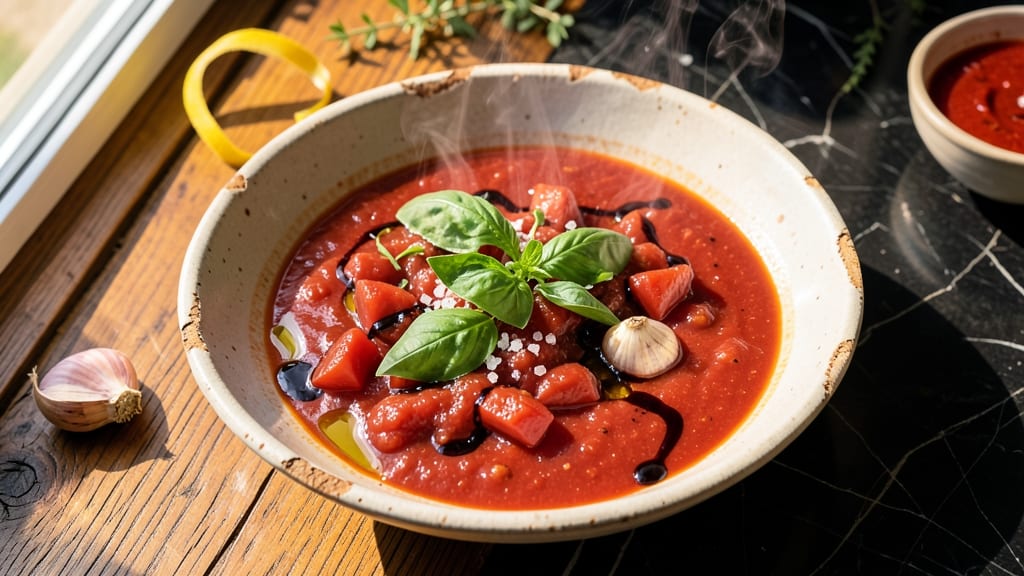
This all-natural pizza sauce recipe delivers restaurant-quality depth without artificial additives or preservatives. The secret lies in simmering fresh tomatoes with aromatic herbs until their natural sweetness and acidity perfectly balance—no shortcuts, just pure flavor development.
I've perfected this version after years of testing, and it's become my go-to for homemade pizza nights that taste like they came from a Neapolitan trattoria.
What sets this sauce apart is the 30-minute simmering process, which concentrates the tomato flavors while developing rich caramel notes. We use simple ingredients—ripe tomatoes, fresh basil, garlic, and olive oil—but the technique transforms them into something extraordinary.
The sauce thickens naturally as it reduces, creating that perfect consistency for pizza that's neither too watery nor too thick.
By the time you're done, you'll have a vibrant red sauce with layers of tomato sweetness, herby brightness, and subtle garlic warmth. This isn't just pizza sauce—it's the foundation that makes your homemade pizza taste like it belongs on a gourmet menu.
The best part? It keeps beautifully in the refrigerator for up to 5 days, so you can make a big batch and enjoy fresh sauce all week.
The recipe requires just 15 minutes of prep and 30 minutes of active cooking, making it perfect for weekend pizza nights or meal prep. Whether you're making classic Margherita or loaded deep-dish, this sauce will elevate every bite.
Let's get started with the ingredients—you'll want to make a double batch after the first taste.
Ingredients for all natural pizza sauce
Nine simple ingredients transform into restaurant-quality pizza sauce with just 30 minutes of simmering.
| Ingredient | Amount | Notes |
|---|---|---|
| San Marzano Plum Tomatoes 🍅 | 28 oz | Whole, crushed by hand |
| Extra-Virgin Olive Oil 🫒 | ⅓ cup | High-quality, fruity variety |
| Fresh Basil Leaves 🌿 | ½ cup | Packed, stems removed |
| Garlic Cloves 🧄 | 4 cloves | Peeled, roughly chopped |
| Red Wine Vinegar 🍷 | 1 tbsp | For acidity balance |
| Fine Sea Salt 🧂 | 1 ½ tsp | Diamond Crystal preferred |
| Freshly Ground Black Pepper 🌶️ | ½ tsp | For subtle heat |
| Granulated Sugar 🍚 | 1 tsp | Enhances tomato sweetness |
| Dried Oregano 🍃 | ½ tsp | Mediterranean variety |
The tomatoes are the star—San Marzano for their natural sweetness and low acidity, but any ripe, vine-ripened tomatoes work in a pinch. Trader Joe's carries them year-round, or hit the farmers market for the freshest batch. Fresh basil? Grab a big bunch—you'll use half now, save the rest for pesto or garnishes. The olive oil should be fruity and peppery; California extra-virgin brands like Corto or Pompeian deliver that authentic flavor. For the garlic, smash the cloves with the flat side of your knife before chopping—this releases more flavor into the oil. The vinegar is key here; Bragg's or a good Italian brand keeps the sauce bright without overpowering.
No San Marzano tomatoes? Roma tomatoes are your next best bet—peel and crush them for a smoother texture. Short on fresh basil? Dried oregano at half the amount works, but you'll miss that bright herbal note. The sugar might seem odd, but it's essential—it enhances the natural sweetness of the tomatoes, balancing the acidity. For a deeper flavor, add 1 tbsp of tomato paste to the simmering sauce. And if you're feeling adventurous, swap the red wine vinegar for balsamic vinegar—it adds a richer, slightly sweet complexity that pairs beautifully with the tomatoes. Always taste as you go; adjust salt, sugar, or vinegar to your preference.
This sauce tastes even better the next day as the flavors meld. Store it in an airtight glass jar in the fridge for up to 5 days, or freeze portions in ice cube trays for 6 months. To reheat, warm gently on the stove—never microwave, as it can break down the texture. Double the recipe; you'll want to make extra for future pizza nights. The sauce thickens as it cools, so add a splash of water if it seems too stiff before using. Trust me, the first time you taste this sauce on a fresh-baked crust, you'll never buy store-bought again.
Why You'll Love This Recipe
- No-Cook Simplicity: I swear by this sauce because it’s effortless—just crush tomatoes, toss in garlic and oil, and let it sit. No blender, no stove, no fuss. My lazy Sundays thank me every time.
- Sunshine in a Jar: That first taste of San Marzano tomatoes sweetened with a splash of red wine vinegar? Pure brightness. The basil finishes it with a freshness that makes store-bought sauce feel like a sad imitation.
- Weeknight Magic: Dinner parties or Tuesday takeout? This sauce works both. Slather it on crusts, drizzle over grilled chicken, or toss with pasta—it’s the one pantry staple that never lets me down.
- Budget Bright Spot: A single can of San Marzano tomatoes stretches into four meals, and the rest of the ingredients cost pennies. Honestly, I’ve never found a better flavor-per-dollar deal in my kitchen.
Step-by-step instructions for all-natural pizza sauce
This sauce delivers restaurant-quality depth with simple, wholesome ingredients—no shortcuts.
Crush the San Marzano Plum Tomatoes
Begin by crushing the 28 oz San Marzano plum tomatoes using your hands or a wooden spoon in a large saucepan. I prefer hand-crushing for better texture control—it breaks the tomatoes into small chunks while preserving some natural structure. Avoid over-crushing, as you want some texture in your finished sauce. Place the pan over medium heat and let the tomatoes warm through for 5 minutes, stirring occasionally.
This initial warming helps release their natural juices and softens the skins slightly. You'll notice the tomatoes darken slightly as they break down, which is perfect for developing that rich, concentrated flavor. Keep the heat steady—too high will cause the sauce to boil too quickly and lose nuance.
Sweat the Garlic and Build Flavor
Add the 0.33 cup extra-virgin olive oil to the warm tomatoes and stir to combine. Then add the 4 peeled garlic cloves and cook for 2-3 minutes until they're fragrant but not browned. The key here is patience—garlic burns in seconds, and that bitter flavor will ruin your sauce. Stir constantly and watch closely.
Next, add the 1 tbsp red wine vinegar, 1 tsp granulated sugar, 1.5 tsp fine sea salt, and 0.5 tsp freshly ground black pepper. The vinegar brightens the tomatoes while the sugar enhances their natural sweetness. Stir well to distribute these ingredients evenly throughout the mixture. Let the sauce simmer gently for 10 minutes, uncovered, allowing the flavors to meld.
Simmer for Depth and Concentration
Reduce the heat to low and let the sauce simmer uncovered for 25-30 minutes. This slow reduction develops the sauce's complexity and intensifies its flavor. Stir occasionally to prevent sticking, but avoid over-stirring, which can break down the texture. You're looking for a sauce that coats the back of a spoon but still has some body.
Real talk: This is where the magic happens. The tomatoes will darken further, and their natural sweetness will concentrate. The sauce should reduce by about one-third in volume, becoming thicker and more vibrant. If it reduces too quickly, lower the heat slightly—you want control, not a boil.
Finish with Fresh Basil and Oregano
Remove the sauce from heat and let it cool slightly for 5 minutes. Then stir in the 0.5 cup fresh basil leaves (stems removed) and 0.5 tsp dried oregano. The basil adds a bright, fresh finish, while the oregano provides an earthy depth. Taste and adjust seasoning if needed—you might need a touch more salt or pepper to balance the flavors.
Let the sauce sit at room temperature for 10-15 minutes before using. This resting period allows the flavors to fully integrate. The sauce should be smooth, vibrant, and full of layered tomato goodness—perfect for spreading on your pizza dough or using as a marinara for pasta.
Pro Tips For Making All Natural Pizza Sauce
- CRANK THE HEAT FIRST: San Marzano tomatoes release their sweetness when seared—start your sauce in a cold pan, then turn the burner to medium-high and let them blister for 5-7 minutes before crushing. I used to simmer them gently, and the sauce always tasted dull. High heat breaks down the skins better and caramelizes the natural sugars.
- PEEL THE GARLIC WRONG: Smash those garlic cloves flat with the side of your knife instead of mincing them—this way, they infuse the oil without burning. I learned this after charring three batches of sauce and having to fish out bitter cloves. A quick press with the flat of the blade keeps the flavor smooth.
- SALT THE TOMATOES BEFORE COOKING: Sprinkle a pinch of flaky sea salt directly over the crushed tomatoes while they simmer—this draws out excess water and intensifies their flavor. I skipped this for years, and my sauce always ended up thin and watery. Do it early, and you’ll save time not straining later.
- STIR IN THE BASIL LAST: Tear the basil leaves and fold them in just before serving—this keeps their bright green color and fresh aroma intact. I used to add them at the start, and by the time the sauce was done, they turned to mush. A handful at the end makes all the difference.
Regional styles of this dish
Neapolitan Tradition
The original pizza sauce from Naples is all about simplicity and freshness. This version uses San Marzano tomatoes (the gold standard) and just a touch of garlic, olive oil, and basil—no vinegar or sugar.
The secret is letting the sauce simmer uncovered on the stove for 20-25 minutes to develop that signature depth. Neapolitan cooks often finish with a sprinkle of fresh basil right before serving. 🍕
For authenticity, use a heavy-bottomed saucepan and keep the heat at a gentle simmer. The sauce should reduce naturally without boiling. If you're making pizza, spread it thinly—Neapolitan style focuses on quality over quantity. The result? A bright, tangy sauce that lets the cheese and toppings shine.
New York Style
New York pizza sauce is sweeter and thicker than its Neapolitan cousin, thanks to a longer simmer and added sugar. For this regional take, increase the simmer time to 30-35 minutes and add 1 extra teaspoon of sugar to balance the acidity.
The sauce should coat the back of a spoon but still hold its shape when spread.
New Yorkers also love a touch of dried oregano (up to 1 teaspoon) for that familiar flavor. Spread it generously—New York slices are built for bold flavors.
Pro tip: Use a wooden spoon to stir and prevent sticking. The deeper color and thicker consistency are key to that classic NYC taste.
California Fusion
West Coast pizza sauce often incorporates balsamic vinegar instead of red wine vinegar, adding a richer, slightly sweet depth. Swap the 1 tablespoon red wine vinegar for 1 tablespoon balsamic vinegar and add 1 teaspoon of honey to enhance the sweetness. Simmer for 25 minutes to let the flavors meld.
California-style sauce also benefits from a pinch of red pepper flakes (about ¼ teaspoon) for a subtle heat. This sauce pairs perfectly with toppings like goat cheese, arugula, and roasted vegetables. The result is a vibrant, slightly sweet sauce with a hint of spice—ideal for gourmet pizzas.
Italian-American Classic
This regional style leans into bold flavors with a longer simmer (35-40 minutes) and extra herbs. Add 1 teaspoon of dried basil along with the oregano, and increase the garlic to 5 cloves. The sauce should be thick enough to cling to the crust but still spread easily.
Italian-American sauce often includes a splash of tomato paste (about 1 tablespoon) for extra richness. This style works beautifully with pepperoni, sausage, and mozzarella. The deeper flavor and thicker texture make it a staple for deep-dish and New Haven-style pizzas.
Southern Italian Rustic
In rural Southern Italy, pizza sauce is often made with heirloom tomatoes and a splash of white wine instead of vinegar. Replace the red wine vinegar with 1 tablespoon dry white wine and simmer for 20 minutes.
The result is a lighter, more delicate sauce that highlights the natural tomato flavor.
Finish with a generous amount of fresh basil and a sprinkle of flaky sea salt. This rustic style is perfect for thin-crust pizzas with simple toppings like olive oil, rosemary, and cherry tomatoes. The sauce’s brightness cuts through the richness of the cheese beautifully.
Nutrition facts
Frequently asked questions
Can I substitute canned tomatoes for fresh?
Yes, but choose high-quality canned tomatoes like crushed San Marzano for the best results. Drain them well to avoid excess liquid, and simmer the sauce slightly longer (about 5 extra minutes) to achieve the same thickness. For a smoother texture, blend the canned tomatoes briefly before adding to the sauce.
How do I adjust the thickness for different pizza styles?
For Neapolitan-style pizza, use the sauce as-is—it's bright and thin enough to let toppings shine. For New York slices or deep-dish, simmer the sauce 5-10 minutes longer until it coats the back of a spoon. If it thickens too much, stir in 1-2 tablespoons of water or tomato juice to loosen.
Can I make this sauce without sugar?
The sugar enhances natural sweetness, but if you prefer no added sugar, simply omit it. The sauce will still taste balanced, though you might need to add an extra pinch of salt to compensate. For extra depth, try a small amount of honey or maple syrup instead.
Why does my sauce turn out too acidic?
This usually happens if your tomatoes were underripe or if you used too much vinegar. To fix it, stir in ½ teaspoon of sugar or honey to balance the acidity. For future batches, use fully ripe tomatoes and reduce the vinegar to ½ tablespoon if you prefer a milder taste.
How can I make this sauce spicier?
Add ¼ teaspoon of red pepper flakes during the final simmer or stir in ½ teaspoon of hot sauce after removing from heat. For a smoky kick, add a pinch of smoked paprika. Adjust to taste—start small, as spices intensify as the sauce cools.