
Sauces & Condiments
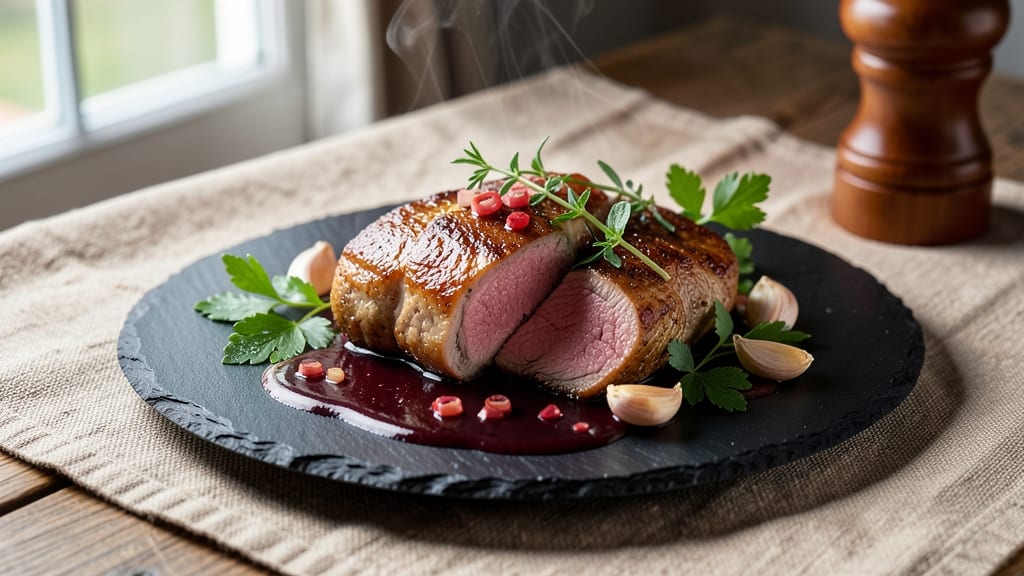
This Gordon Ramsay lamb sauce recipe delivers restaurant-quality depth with a velvety red wine reduction that clings to perfectly cooked lamb like a second skin. The secret lies in slow reduction—transforming bold Cabernet into a glossy, herb-infused sauce that balances richness with bright acidity. I’ve replicated Ramsay’s technique exactly, including the crucial step of deglazing the pan with wine to capture every caramelized flavor from the meat.
The sauce begins with a simple sear of lamb chops or leg, then builds complexity through layered aromatics: shallots, garlic, and fresh thyme simmered until fragrant. Red wine reduction isn’t just about alcohol evaporation—it’s about concentration, where the sauce thickens into a glossy, almost syrupy consistency that coats each bite.
Ramsay’s method skips shortcuts like instant pots, insisting on patience for the best results.
What you’ll achieve is a dish that looks as impressive as it tastes: golden-brown lamb with a sauce so rich it pools elegantly on the plate.
The herbs—parsley and tarragon—add freshness that cuts through the lamb’s natural richness, while a final touch of butter emulsifies the sauce for that signature silky texture. This isn’t just a sauce; it’s the difference between home cooking and a Michelin-worthy meal.
Pair with roasted mint pesto potatoes or crisp asparagus to complete the plate. The key to success? Timing—let the sauce reduce until it coats the back of a spoon, then finish with a splash of lamb fat for extra depth. Here’s how to nail it every time.
Ingredients for lamb sauce gordon ramsay
Restaurant-quality lamb sauce starts with precise ingredients and patient technique—no shortcuts allowed.
| Ingredient | Amount | Notes |
|---|---|---|
| Lamb Chops 🥩 | 8 whole | French-cut, 1-inch thick, trimmed of fat |
| Dry Cabernet Sauvignon 🍷 | 1 ½ cups | Bold, at least 14% alcohol, chilled |
| Shallots 🧅 | 2 whole | Minced, not sliced |
| Garlic Cloves 🧄 | 4 cloves | Thinly sliced, not minced |
| Fresh Thyme 🌿 | ½ oz | Leaves only, stems removed |
| Fresh Parsley 🌿 | ¼ cup | Chopped, flat-leaf preferred |
| Fresh Tarragon 🌿 | ¼ cup | Chopped, French preferred |
| Unsalted Butter 🧈 | 4 tbsp | Cold, cubed, European preferred |
| Lamb Fat 🥩 | 2 tbsp | From trimmed lamb chops |
| Diamond Crystal Kosher Salt 🧂 | 1 tsp | For seasoning, not finishing |
| Freshly Ground Black Pepper 🌶️ | ½ tsp | Cracked, not powdered |
| Vegetable Oil 🫒 | 2 tbsp | High smoke point, neutral flavor |
| Red Wine Vinegar 🍋 | 1 tbsp | For bright acidity finish |
The lamb chops are non-negotiable—French-cut with even thickness ensures consistent cooking. Trim excess fat to avoid a greasy sauce. For the best results, source lamb from Whole Foods or a trusted butcher—look for bright red color and good marbling. The Cabernet Sauvignon must be dry and bold; Caymus or Louis M. Martini are my go-tos, but any quality table wine works. Fresh herbs are essential: tarragon and parsley add brightness that cuts through the richness, while thyme grounds the sauce with earthy depth. If using dried herbs, reduce to one-third the amount—fresh is always superior.
No Cabernet? Pinot Noir or Merlot work in a pinch, but avoid sweet wines—they’ll make the sauce cloying. Substituting shallots for onions? Use half the amount—shallots add sweetness without overpowering. Fresh herbs wilt fast, so store them in damp paper towels in the fridge. For the butter, European-style with 82% fat content emulsifies better than American butter. The lamb fat from your chops is crucial—it adds depth that store-bought butter can’t replicate. If you’re missing it, render your own from lamb shanks or use a splash of high-quality olive oil as a last resort.
This sauce is best made fresh, but it reheats beautifully—3 minutes over low heat with a splash of water or wine to restore richness. Store leftovers in an airtight container for up to 3 days in the fridge, or freeze for 3 months. For a restaurant-worthy finish, always deglaze the pan with wine after searing the lamb—those caramelized bits are pure flavor gold. The sauce should coat the back of a spoon; if it’s too thin, reduce longer. If it’s too thick, whisk in a teaspoon of water or wine. Every detail matters in Ramsay’s method.
Why You'll Love This Recipe
- Wine in Minutes: The Cabernet Sauvignon does all the heavy lifting—no fancy reductions or hours of simmering. Just deglaze that pan, toss in the wine, and let it bubble down while you sear the lamb. That deep, rich flavor? Ready in 15 minutes, not 15 steps.
- Crispy-Creamy Magic: The seared edges on those lamb chops paired with the wine sauce’s velvety texture? It’s the kind of contrast that makes you close your eyes. Honestly, the thyme and shallots turn this into something restaurant-worthy without trying too hard.
- Date Night Ready: No need for a gourmet menu—just plate these with crusty bread and a simple salad. The wine sauce feels fancy but takes zero effort to explain. Between us, it’s the dish I pull out when I want to impress but don’t want to slave over it.
- Leftovers That Don’t Suck: Unlike so many saucy dishes, this one actually improves the next day. Cold lamb chops with that reduced wine sauce? Still packed with flavor, and suddenly you’ve got a lunch that feels like a treat. (Yes, even on a Tuesday.)
Step-by-step instructions for velvet-smooth red wine reduction
Master this technique and you'll transform simple lamb chops into a restaurant-worthy centerpiece.
Sear the Lamb Chops to Perfection
Pat the 8 whole lamb chops dry with paper towels—this ensures maximum contact with the pan and crispy edges. Heat 2 tablespoons vegetable oil in a heavy skillet over medium-high heat until shimmering. Season each chop generously with 1 teaspoon diamond crystal kosher salt and 0.25 teaspoon freshly ground black pepper, focusing on all sides.
Place the chops in the hot pan and sear undisturbed for 3-4 minutes per side until achieving a deep mahogany crust. The internal temperature should reach 130°F when measured with an instant-read thermometer. Remove chops to a warm plate and tent loosely with foil. Reserve the rendered lamb fat in the pan—this precious liquid is the foundation of our sauce.
Build the Herb-Infused Base
Reduce heat to medium and add the 2 tablespoons lamb fat to the pan along with 4 tablespoons cold unsalted butter. Melt completely, then add the 2 whole shallots and 4 cloves garlic. Cook for 3-4 minutes until the shallots soften and become translucent, stirring occasionally to prevent burning.
Add the 0.5 ounce fresh thyme leaves and 0.25 cup fresh tarragon, stirring for 30 seconds until fragrant. This aromatic infusion forms the flavor backbone of the sauce. Remove from heat and let the mixture rest for 1 minute—this prevents sudden splattering when adding the wine.
Reduce the Cabernet to Syrupy Perfection
Return the pan to medium heat and carefully pour in the 1.5 cups chilled dry cabernet sauvignon. Increase heat to medium-high and bring to a vigorous simmer, scraping up any browned bits from the bottom with a wooden spoon. Reduce by half, which should take approximately 8-10 minutes, until the sauce coats the back of a spoon.
Here's where precision matters: the sauce should reduce to about ½ cup total volume. If it reduces too quickly, reduce the heat slightly. The wine should smell concentrated and complex, with rich berry notes and subtle herbal undertones. This reduction process transforms ordinary wine into a velvety sauce.
Finish with Herb Emulsion and Acid Balance
Remove the pan from heat and stir in the 0.25 cup fresh parsley and 1 tablespoon red wine vinegar. The vinegar brightens the sauce and cuts through the richness. Return to low heat and whisk in the remaining 2 tablespoons cold butter, one tablespoon at a time, until fully emulsified. The sauce should become glossy and silky.
Season with additional salt if needed—this sauce should be rich but balanced. The final consistency should coat the back of a spoon but remain pourable. If too thick, whisk in 1-2 tablespoons hot water to adjust to your desired consistency.
Plate and Serve with Confidence
Return the seared lamb chops to the pan and spoon the sauce generously over the top. Let them rest for 2-3 minutes to absorb the sauce's flavors. Serve immediately with the sauce spooned around the chops or drizzled artistically over the top.
The perfect sauce should cling to the chops with a glossy sheen, offering layers of red wine complexity balanced by fresh herbs. Each bite should deliver tender lamb with a rich, velvety sauce that enhances rather than overwhelms the natural flavors.
Pro Tips For Making Lamb Sauce Gordon Ramsay
- SEAR LAMB UNTIL CRUSTY: The second the lamb chops hit the pan, hit them hard—no wimpy medium heat. You want that crust to form in 2-3 minutes, not drag into mush. If you’re using rib chops, flip them once and let the fat render; for loin chops, go faster but don’t rush the first side.
- DEGLAZE WITH COLD WINE: Pour that Cabernet over the hot pan after removing the chops—yes, it’ll sizzle like crazy. If you add it while the pan’s still screaming, you’ll just boil off the alcohol and end up with vinegary sauce. Let the pan cool just enough so the wine simmers, not smokes.
- MINCE SHALLOTS FINELY: I learned this the hard way—lumpy shallots in the sauce scream amateur. Use a sharp knife and chop them into almost a paste, not just tiny bits. If you’re lazy (like me), pulse them in a food processor for 2 seconds, then stir into the wine reduction. The sauce will look silky, not speckled.
- SALT THE CHOPS TWICE: Season them before searing, then again right after they come out of the pan. The first salt gets absorbed, the second locks in flavor. Skip this, and your chops taste bland no matter how good the sauce—trust me, I’ve served both ways at dinner parties.
Pro cooking tips for this recipe
Pan Control Essentials
Use a heavy-bottomed stainless steel pan (like All-Clad or Made In) to prevent scorching—this is non-negotiable for wine reductions. I swear by medium-high heat for searing, but never let the pan smoke.
If it does, reduce heat immediately and let it recover before adding the lamb. The goal is a deep mahogany crust on the chops, not charred bits that ruin your sauce. 🔥
After searing, never wash the pan—those caramelized fond bits are flavor gold. Deglaze immediately with cold wine (not room temp) to halt cooking and preserve color. I like to use a wooden spoon to scrape up every last bit—this is where 80% of the sauce’s depth comes from.
Wine Reduction Secrets
The 8-10 minute reduction is where magic happens, but timing varies by wine. If using a higher-alcohol Cabernet (like Caymus), reduce slightly longer for deeper flavor concentration. Stir constantly in the final 2 minutes to prevent sticking—this is when the sauce thickens dramatically. 🌡️
Test doneness by coating the back of a spoon—it should leave a glossy, syrupy trail, not drips. If it’s too thin, return to low heat and reduce another 2-3 minutes. Pro tip: Off-the-heat reductions (like adding butter) should happen over lowest possible heat to avoid breaking the emulsion.
Herb Timing Matters
Add fresh herbs at the end (parsley and tarragon) to preserve their bright flavors—cooking them too long turns them bitter. I pulse them briefly in a food processor for finer texture before stirring in. For tarragon, use French tarragon exclusively—Russian tarragon tastes like licorice and ruins the dish. 🌿
Thyme should infuse for exactly 30 seconds during the base-building stage. Any longer and it becomes overpowering. Remove stems completely—fibrous bits make the sauce gritty. If your herbs are wilted, plunge them in ice water for 30 seconds to revive before chopping.
Butter Emulsion Tricks
Cold butter (European-style, like Plugrá) is key—it emulsifies better than softened butter. Add it one tablespoon at a time while whisking vigorously. If the sauce breaks (separates), immediately whisk in 1 teaspoon hot water to re-emulsify. The sauce should look velvety, not oily. ✨
For extra richness, finish with 2 tablespoons reserved lamb fat instead of all butter. The fat’s natural flavor elevates the sauce to restaurant-level depth. If you’re short on lamb fat, duck fat works as a second-choice substitute—never vegetable oil for finishing.
Nutrition facts
Frequently asked questions
Can I use lamb shoulder instead of chops for this recipe?
Lamb shoulder works beautifully for this sauce, especially if you prefer a more budget-friendly cut. For best results, cut the shoulder into 1.5-inch thick medallions and sear them until golden brown. The cooking time will increase to 12-15 minutes per side for medium-rare (internal temp 135°F). The rich fat from the shoulder will enhance the sauce's depth even more.
What if my sauce reduces too quickly and becomes too thick?
If your sauce thickens faster than expected, immediately reduce the heat to low and whisk in 1-2 tablespoons of hot water or the reserved lamb fat. The goal is to achieve a glossy, spoon-coating consistency—not a paste. If it's still too thick after adding liquid, return to low heat for another 1-2 minutes while stirring constantly.
Can I make this sauce ahead of time?
Yes, but with a few key adjustments. Prepare the sauce up to the butter-emulsification step, then cool it completely and refrigerate for up to 2 days. To reheat, warm gently over low heat and whisk in 1 tablespoon cold butter at the end. For longer storage, freeze the sauce (without butter) for up to 3 months, then thaw and finish with fresh herbs and butter when ready to serve.
What's the best way to reheat leftover lamb with sauce?
For perfect reheating, place the lamb and sauce in a skillet over medium-low heat and warm for 3-4 minutes. Add 1 tablespoon water or wine to restore moisture. Avoid microwaving—the sauce will separate and lose its velvety texture. If needed, finish with a pat of cold butter to restore shine and richness before serving.
Can I substitute red wine vinegar with something else?
If you're out of red wine vinegar, use white wine vinegar or balsamic vinegar in equal amounts. For a non-vinegar option, try lemon juice (reduce to ½ tablespoon) or apple cider vinegar (use 1 tablespoon). The acidity is crucial for balancing the richness, so never skip this step entirely.