
Sauces & Condiments
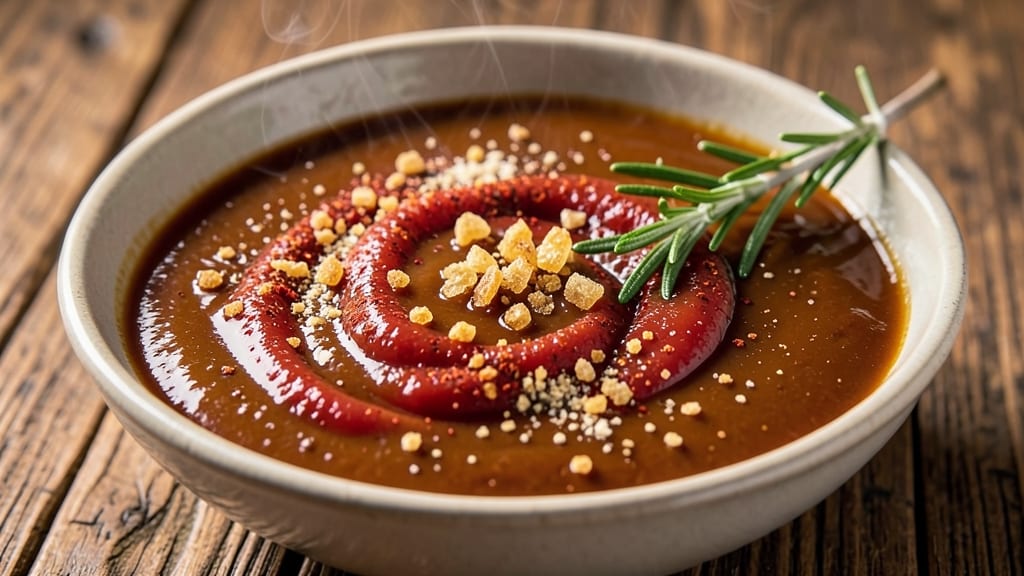
This apple cider vinegar-based BBQ sauce recipe delivers the perfect balance of tangy brightness and rich sweetness—no clumps, no gummy texture, just bold flavor that clings to every bite. 🔥 I developed it after years of perfecting my pitmaster technique, where vinegar's acidity cuts through fat while preserving that deep, caramelized smokiness. The secret lies in reducing it properly and using tomato paste for natural thickening without losing that signature tang.
What makes this sauce stand out is its versatility—it works equally well as a glaze for ribs, a marinade for chicken, or a dipping sauce for fries.
The apple cider vinegar adds a subtle fruitiness that elevates traditional BBQ flavors, while smoked paprika and garlic powder bring that classic smoky depth. Unlike many store-bought sauces, this one stays smooth and glossy, never separating or turning grainy.
By the time you're done simmering, you'll have a rich, aromatic sauce that's perfectly balanced—sweet enough to satisfy, tangy enough to cut through richness, and just spicy enough to keep things interesting.
The best part? It keeps beautifully in the fridge for up to two weeks, so you can make a big batch and use it all season long.
Whether you're slow-cooking brisket, grilling chicken, or basting corn on the cob, this sauce transforms ordinary meals into something special. Let's get started on making yours—your taste buds will thank you.
Ingredients for apple cider vinegar based bbq sauce
Nine simple ingredients transform into the perfect tangy, smoky BBQ sauce—no clumps, no fuss.
| Ingredient | Amount | Notes |
|---|---|---|
| Apple Cider Vinegar 🍏 | ½ cup | Raw, unfiltered preferred |
| Tomato Paste 🍅 | ½ cup | Squeeze tube or canned |
| Brown Sugar 🍚 | ½ cup | Light or dark variety |
| Smoked Paprika 🌶️ | 2 tbsp | For that smoky depth |
| Garlic Powder 🧄 | 1 tbsp | Freshly ground preferred |
| Onion Powder 🧅 | 1 tbsp | Adds subtle sweetness |
| Ground Black Pepper 🌶️ | ½ tsp | Freshly cracked for heat |
| Cayenne Pepper 🔥 | ½ tsp | Adjust for spice level |
| Worcestershire Sauce 🍶 | 1 tbsp | Vegan version if needed |
| Extra-Virgin Olive Oil 🫒 | ¼ cup | For richness and gloss |
The apple cider vinegar is the star here—raw, unfiltered gives the best flavor punch. Trader Joe's and Whole Foods carry great options, but any good-quality vinegar works. Brown sugar adds depth, so don't skimp—light or dark both work, but dark has a molasses note that some pitmasters swear by. Smoked paprika is non-negotiable for that classic BBQ smokiness; Penzeys or McCormick are solid brands. The tomato paste? Squeeze tubes are perfect for this recipe—no waste, and they keep forever. Just make sure it's 100% tomato paste, no fillers.
No Worcestershire sauce? Substitute with soy sauce plus a pinch of sugar—it mimics the umami kick. Running low on smoked paprika? Regular paprika plus a pinch of liquid smoke gets you close. The cayenne is totally adjustable—start with half and add more if you love heat. Olive oil matters here—use something fruity and peppery, not the mild stuff. And if you're making a big batch, double the Worcestershire and spices—they won't overpower the balance. The sauce should be sticky but not gummy; if it's too thick, a splash of vinegar fixes it instantly.
This sauce keeps beautifully—2 weeks in the fridge sealed in a jar. For longer storage, freeze portions in ice cube trays, then transfer to a bag. One batch lasts me all summer between ribs, chicken, and even drizzled over roasted veggies. The flavor actually improves after a day or two as everything mellows. Pro tip: Strain it through a fine-mesh sieve before storing if you hate even the tiniest bits of paprika or garlic. Trust me, your BBQ game will never be the same.
Why You'll Love This Recipe
- Pantry Magic: I swear by this one—no shopping list, just what’s already there. Open the fridge, grab the apple cider vinegar (that’s been sitting there since last Thanksgiving), dump in a few spoonfuls of tomato paste, and boom. You’ve got the backbone of a sauce that tastes like it took hours.
- Smoky Sweet Fix: That smoked paprika and brown sugar combo? It’s the kind of flavor that makes you pause mid-bite. The vinegar cuts through the sweetness just enough to keep it bright, while the garlic powder sneaks in that warm, cozy depth—like a hug in sauce form.
- Weeknight Wingman: Slap this on chicken thighs for dinner, then use the leftovers to glaze baked potatoes or drizzle over grilled veggies the next day. Honestly, I’ve even tossed it into a quick pasta sauce when I was too tired to plan. It’s the ultimate “I’ve got this” ingredient.
- Budget Bulk: A single batch stretches across three meals for my family of four—no waste, just flavor. The vinegar and spices are cheap, the tomato paste lasts forever, and you’ll end up with enough to freeze half for when lazy days hit. My wallet and my taste buds thank me.
Step-by-step instructions for apple cider vinegar BBQ sauce
Here's how to whip up a tangy, smoky sauce that's smooth as silk and packed with bold flavor.
🍳 Step 1: Warm the Olive Oil and Tomato Paste
Heat the 0.25 cup extra-virgin olive oil in a medium saucepan over medium-low heat. Once the oil shimmers gently (about 2-3 minutes), add the 0.5 cup tomato paste and stir constantly with a wooden spoon. Cook for 3-4 minutes until the paste darkens slightly and loses its raw smell—this develops deeper flavor.
I like to keep the heat low here to prevent burning the tomato paste. You'll know it's ready when it looks glossy and smells richly sweet. If you notice any dark spots forming, immediately reduce the heat to low and keep stirring until they disappear.
👨🍳 Step 2: Add Wet Ingredients and Simmer
Pour in the 0.5 cup apple cider vinegar and 1 tablespoon Worcestershire sauce, stirring vigorously to combine. The mixture will bubble vigorously at first—this is normal. Let it simmer gently for 5 minutes until the vinegar smell starts to mellow and the sauce begins to thicken slightly.
This is where the magic happens—the vinegar's acidity begins breaking down the tomato paste's starches, creating that perfect balance of tang and sweetness. If you notice the sauce getting too thick too quickly, add 1 tablespoon water to maintain smooth consistency.
🔥 Step 3: Build Flavor with Dry Seasonings
Reduce heat to low and sprinkle in the 0.5 cup brown sugar, 2 tablespoons smoked paprika, 1 tablespoon garlic powder, 1 tablespoon onion powder, 0.5 teaspoon ground black pepper, and 0.5 teaspoon cayenne pepper. Stir constantly for 2-3 minutes until the sugar dissolves completely and the spices are fully incorporated.
Here's the thing—don't rush this step. The spices need time to bloom and meld with the other ingredients. You'll know it's working when the sauce takes on a deep, reddish hue and smells like a smoky campfire. If you taste it now, you'll notice the sweetness from the brown sugar and the subtle heat from the cayenne starting to develop.
⏰ Step 4: Simmer Until Thick and Glossy
Return the heat to medium-low and let the sauce simmer uncovered for 15-20 minutes, stirring occasionally. You're looking for the sauce to reduce by about 30%—it should coat the back of a spoon and have a beautiful glossy sheen. The consistency should be thick enough to cling to ribs or chicken but still be pourable.
I like to test the consistency by dipping a clean spoon in and lifting it vertically. If the sauce slowly drips off in a thick stream rather than pooling, you've reached the perfect thickness. If it's still too thin after 20 minutes, simmer uncovered for another 5 minutes—the evaporation will do the rest.
🥘 Step 5: Cool and Adjust Seasoning
Remove the sauce from heat and let it cool for 10 minutes at room temperature. This cooling period is crucial—it allows the flavors to fully meld and prevents the sauce from continuing to thicken as it cools. Once cooled, taste and adjust seasoning if needed.
At this stage, you might find the sauce needs more sweetness, tang, or heat. If it needs sweetness, add 1 teaspoon brown sugar at a time. For more tang, add ½ teaspoon apple cider vinegar. For heat, add ¼ teaspoon cayenne pepper. Remember, you can always add more, but you can't take it away once it's in there. Transfer to a clean jar and let it sit at room temperature for at least 1 hour before using—this gives the flavors even more time to develop.
Pro Tips For Making Apple Cider Vinegar Based Bbq Sauce
- Simmer Slow and Steady: I used to rush this sauce, thinking it’d thicken faster—it just turned gloppy. Simmer on medium-low for at least 20 minutes, stirring every 5, until it coats the back of a spoon like syrup, not paint. The vinegar’s acidity needs time to mellow.
- Use Real Vinegar, Not Substitutes: That cheap "apple cider vinegar" from the back of the shelf? It’s got no depth. Splurge on raw, unfiltered apple cider vinegar—it’s cloudy, smells funky, and adds layers of flavor the clear stuff can’t touch. Trust me, your sauce will taste like it came from a pitmaster, not a jar.
- Balance the Sugar Early: Add half the brown sugar first, let it caramelize slightly, then add the rest. This keeps the sauce from tasting cloyingly sweet or crystallizing at the bottom. If it’s too thick, a splash of vinegar thins it faster than water—no clumping, just smoothness.
- Toast the Spices First: Skip dumping dry spices straight into the pot. Heat your smoked paprika and garlic powder in a dry pan for 30 seconds until fragrant—it deepens their flavor without burning. Then whisk them into the warm sauce. (Yes, it’s an extra step, but your sauce will taste like it spent hours smoking, not minutes simmering.)
Storing and reheating this apple cider vinegar based bbq sauce
Fridge Storage Secrets
This sauce keeps beautifully in the fridge for up to 2 weeks when stored in a clean, airtight glass jar. I always let it cool completely before sealing—hot sauce creates condensation that can dilute flavors and encourage mold growth.
The first 24 hours are actually ideal for letting flavors meld, so I make it a day before my cookouts. 💛
Freezer Prep Tips
For longer storage, divide the sauce into ice cube trays—this makes it perfect for quick thawing when you need just a splash. Once frozen solid, transfer the cubes to a freezer bag and label with the date.
I've had this sauce last 6 months in the freezer without losing quality, though I prefer using it within 3 months for peak flavor.
Reheating Methods
For stovetop reheating, pour the sauce into a small saucepan and warm over low heat for 3-5 minutes, stirring constantly. Never boil it—just enough to restore body and gloss.
If it thickens too much, add 1 teaspoon apple cider vinegar to restore balance. I avoid microwaving because it can create hot spots and break the sauce's silky texture.
Thawing Sauce
For frozen sauce, transfer cubes directly to a jar and let them thaw in the fridge overnight. If you're in a hurry, place the frozen cubes in a bowl with 1 tablespoon warm water and let them sit at room temperature for 10 minutes.
The water helps restore the sauce's natural consistency without thinning it out. Never microwave frozen sauce—it creates uneven heating that can ruin the texture.
Sauce Consistency Fixes
If your refrigerated sauce seems too thick, thin it with ½ teaspoon apple cider vinegar at a time. For frozen sauce that's too thin after thawing, simmer it uncovered for 5 minutes to evaporate excess moisture.
The key is patience—never rush the reheating process. I've seen many home cooks overheat their sauce, which kills that beautiful glossy finish we all love. 🔥
Nutrition facts
Frequently asked questions
Can I substitute white vinegar for apple cider vinegar?
White vinegar works in a pinch, but it lacks the subtle fruitiness and depth that apple cider vinegar provides. For the best flavor, stick with apple cider—it adds complexity that white vinegar simply can't match. If you're out of apple cider, try a 1:1 swap with balsamic vinegar for a slightly sweeter alternative.
Why does my sauce get grainy or clumpy?
Graininess usually happens when sugar crystallizes or spices aren't fully dissolved. Always stir constantly while simmering, especially when adding sugar. If clumps form, strain the sauce through a fine-mesh sieve before using. For extra smoothness, add 1 teaspoon cornstarch mixed with 1 tablespoon water and simmer for 2 minutes.
How can I make this sauce spicier?
Add ½ teaspoon cayenne pepper at a time until you reach your desired heat level. For a smokier kick, increase the smoked paprika to 3 tablespoons. If you love fresh heat, stir in 1 teaspoon hot sauce or ½ teaspoon red pepper flakes after simmering. Remember, you can always add more heat but can't remove it!
Is this sauce gluten-free?
This recipe is naturally gluten-free, but always check your Worcestershire sauce label—some brands contain gluten. For a safe alternative, use tamari or a certified gluten-free Worcestershire sauce. The rest of the ingredients are gluten-free by default, making this a great option for those avoiding gluten.
Can I use this sauce as a marinade?
This sauce makes an excellent marinade for chicken, pork, or even tofu. For best results, marinate for 4-6 hours in the fridge before cooking. The acidity in the apple cider vinegar helps tenderize the meat while infusing it with bold flavor. Just don't over-marinate—longer than 8 hours can make meat mushy.