
Sauces & Condiments
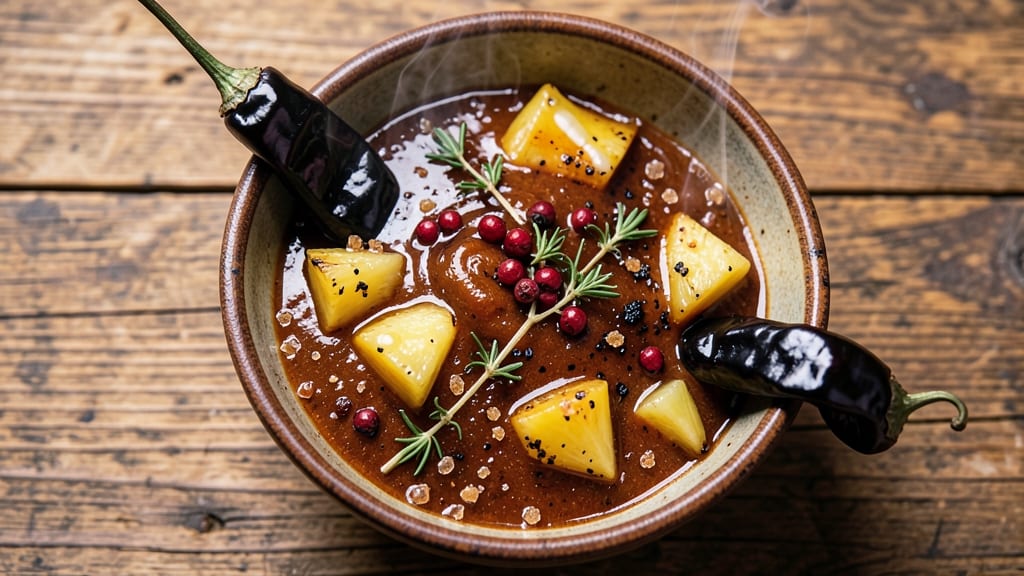
This jerk barbecue sauce recipe brings the bold flavors of Jamaica to your grill or kitchen, blending fiery Scotch bonnet peppers with sweet pineapple and aromatic spices.
The magic happens when allspice, thyme, and brown sugar meld together in a rich, tangy sauce that's perfect for chicken, pork, or even tofu. I've perfected this version after countless batches—it's the kind of sauce that turns simple grilled meat into a restaurant-worthy masterpiece.
The process is straightforward but requires patience: simmering the ingredients until they develop deep, complex flavors, then blending until smooth. A quick strain ensures no bits remain, giving you a silky, ready-to-use sauce that's packed with heat and sweetness.
The key is balancing the Scotch bonnet's intensity with the natural sweetness of pineapple and brown sugar, creating a sauce that's both bold and approachable.
What you'll end up with is a vibrant, aromatic sauce that's fiery yet balanced, with layers of smoky allspice, bright thyme, and a touch of tang from the vinegar.
It's the kind of sauce that makes every bite unforgettable—whether you're slathering it on grilled chicken, drizzling it over jerk pork, or using it as a marinade. The best part?
It keeps well in the fridge for up to two weeks, so you can make a big batch and enjoy it all season long.
This sauce is a game-changer for anyone who loves bold, spicy flavors but wants something more nuanced than store-bought options. The combination of Scotch bonnet and pineapple creates a perfect harmony of heat and sweetness, while the allspice and thyme add depth that makes it truly special.
Let's get started on making your own batch—your taste buds will thank you.
Ingredients for jerk barbecue sauce
Bold flavors start here—Scotch bonnet peppers and pineapple lead the way.
| Ingredient | Amount | Notes |
|---|---|---|
| Scotch Bonnet Peppers 🌶️ | 2 whole | Seeds removed for less heat |
| Fresh Pineapple 🍍 | 1 cup | Juiced and strained for sweetness |
| Brown Sugar 🍚 | ½ cup | Light or dark variety |
| Allspice Berries 🌿 | 1 ½ tbsp | Ground for intense flavor |
| Fresh Thyme 🌿 | 1 tbsp | Leaves only, finely chopped |
| White Vinegar 💧 | ½ cup | For tangy balance |
| Garlic Cloves 🧄 | 4 cloves | Minced for aromatic depth |
| Ground Ginger 🌿 | 1 tsp | Freshly grated preferred |
| Salt 🧂 | 1 ½ tsp | Kosher or sea salt |
| Extra-Virgin Olive Oil 🫒 | ¼ cup | For richness and silkiness |
The Scotch bonnet is the star—handle with care! Wear gloves when working with it, as the oils can burn your skin. Trader Joe's and Latin markets usually carry them, but if you can't find them, habanero peppers work in a pinch—just halve the amount. Pineapple should be ripe but firm; Dole brand is my go-to for consistency. Brown sugar? Light or dark doesn't matter here—pick based on what you have. Allspice berries are a must; Penzeys Spices sells them whole if you want to grind them fresh for maximum flavor. Fresh thyme is ideal, but dried works at half the amount if you're in a bind.
No Scotch bonnet? Habanero or Thai bird's eye chili can step in, but reduce to 1 pepper and remove seeds to dial down heat. Vinegar substitutes? Apple cider vinegar or lime juice both work, but white vinegar keeps the classic tang. Garlic can be roasted for a sweeter touch—wrap whole cloves in foil, bake at 400°F for 20 minutes. Ginger is non-negotiable for that signature jerk warmth, but if you're out, a pinch of cinnamon and nutmeg can mimic some of its depth. The olive oil matters here—use something fruity and peppery, not the cheap stuff. Trust me, you'll taste the difference.
This sauce keeps beautifully—up to 2 weeks in the fridge, 6 months frozen. For freezing, portion into ice cube trays for easy use later. The flavors actually improve with time, so make a double batch if you can. Store in a glass jar with a tight lid to preserve the aroma. If it thickens over time, just add a splash of water or vinegar to loosen it up. Leftovers? Perfect for marinades, glazes, or even a quick stir-fry sauce.
Why You'll Love This Recipe
- No Blender Needed: I’ll admit, the first time I made this, I reached for my immersion blender—until I realized you can just smash the Scotch bonnet and pineapple chunks against the pot with a wooden spoon. Five minutes saved, and the texture’s still perfect.
- Sweet Heat Balance: That first bite where the brown sugar caramelizes with the Scotch bonnet’s fire? Honestly, it’s the kind of flavor that makes you pause mid-chew. The pineapple’s tang cuts through the allspice’s warmth like a cool breeze after a spicy meal.
- Weeknight to BBQ Hero: Slather it on grilled chicken for Tuesday dinners or toss it in a marinade for Sunday roasts. Between us, I’ve even drizzled it over store-bought wings when I’m too tired to plan. It’s my lazy-day secret weapon.
- Makes a Month’s Worth: A single batch stretches across four meals—grilled meats, baked beans, even as a glaze for roasted veggies. Freezes like a dream, so I whip up a big batch and thank myself later when I’m not staring at a blank fridge on a Friday night.
Step-by-step instructions for jamaican jerk barbecue sauce
Here's how to build bold, balanced jerk sauce that dances with fire and sweetness.
Blister and Grind the Scotch Bonnet Peppers
Heat a dry skillet over medium-high heat. Add the 2 whole Scotch Bonnet peppers (seeds removed) and cook for 3-4 minutes per side until the skins blacken and blister. You're looking for charred spots—this deepens the smoky flavor. Immediately transfer the peppers to a bowl and cover with plastic wrap to steam for 10 minutes.
After steaming, peel off the charred skins by rubbing the peppers between your palms. Place the peeled peppers in a spice grinder and pulse until you achieve a coarse powder. The texture should be somewhere between sand and fine granules—this ensures proper heat distribution without overwhelming bitterness. Set aside 1 teaspoon of this pepper powder for later if you prefer milder sauce.
Build the Flavor Base with Aromatics
In a medium saucepan, combine the 0.25 cup extra-virgin olive oil, 4 minced garlic cloves, 1 tbsp finely chopped fresh thyme, and 1.5 tbsp ground allspice berries. Cook over medium heat for 2-3 minutes until the garlic becomes golden and fragrant—this is where the magic happens. You'll smell that warm, spicy aroma that defines jerk seasoning.
Add the 1 cup strained pineapple juice and 0.5 cup white vinegar to the pan. Bring to a gentle simmer, then reduce heat to low. Let it cook uncovered for 5 minutes to allow the acidity to mellow slightly and the aromatics to meld together. This step prevents a harsh, vinegary finish in your final sauce.
Sweeten and Thicken the Sauce
Stir in the 0.5 cup brown sugar, 1 tsp ground ginger, and 1.5 tsp salt. Increase heat to medium-low and let the mixture simmer gently for 10-12 minutes, stirring occasionally. You'll notice the sauce gradually thicken as the sugar caramelizes slightly and the liquid reduces. The color should deepen to a rich amber hue.
After 10 minutes, taste and adjust the balance. If it's too acidic, add a pinch more brown sugar. If it needs more heat, stir in the reserved 1 teaspoon pepper powder. The sauce should sing with sweet, tangy, spicy, and smoky notes—each element should be distinct yet harmonious. This is where you fine-tune your creation.
Finish and Test for Perfection
Remove the sauce from heat and let it cool for 5 minutes. This resting period allows the flavors to truly meld together. Give it another taste—now you can appreciate the full depth of the jerk profile. The sauce should coat your tongue with heat that lingers, sweetness that brightens, and acidity that cuts through the richness.
For best results, let the sauce sit at room temperature for 1 hour before using. This additional time allows the flavors to develop even further. Store any leftovers in an airtight container in the refrigerator for up to 2 weeks, though I guarantee you'll use it all on grilled meats, roasted vegetables, or even as a marinade.
Pro Tips For Making Jerk Barbecue Sauce
- CHAR THE PEPPERS LOW: If you’re using fresh Scotch Bonnet peppers, simmer them in water for 10 minutes before blending—it softens the flesh and mellows the raw heat without losing flavor. I learned this the hard way after burning my mouth on a batch where I skipped this step.
- CRUSH ALLSPICE WHOLE: Don’t pre-crush allspice berries—toss them into the sauce whole and let them bloom in the simmer. They’ll release their aroma gradually, giving you that deep, earthy jerk spice without overpowering the pineapple’s sweetness.
- STRAIN THE PINEAPPLE: Blend the pineapple with the skin on for natural pectin, but strain out the fibrous pulp afterward. It keeps the sauce silky smooth and prevents clumps—no one wants to deal with that while slathering ribs.
- SIMMER NOT BOIL: Reduce the heat to a gentle simmer after 15 minutes. Boiling burns the sugar and turns the sauce bitter, while simmering lets the flavors meld without sacrificing sweetness. (Yes, even if you’re impatient like me.)
Pro cooking tips for jerk barbecue sauce
Heat Control Secrets
Scotch bonnet peppers are the heart of jerk sauce, but handling them properly is key. I always blister the peppers first—this caramelizes their natural sugars and deepens their smoky flavor.
Use a dry skillet over medium-high heat and cook until blackened spots appear. The steam step afterward helps remove residual capsaicin from your hands, so wear gloves throughout this process. 🔥
Balancing Sweet and Tang
The magic happens when you balance the pineapple's sweetness with the vinegar's tang. I recommend simmering the aromatics first—garlic, thyme, and allspice—before adding the acidic components. This prevents a harsh, vinegary flavor that can overpower the other ingredients.
Let the mixture reduce for 5 minutes before adding sugar; this allows the acidity to mellow slightly.
Thickening Without Glue
Brown sugar isn't just for sweetness—it's your thickening agent. When simmered with the sauce, it caramelizes slightly, creating a natural gloss and body. For best results, use medium-low heat during the thickening phase.
If your sauce reduces too quickly, add 1 tablespoon of water or vinegar to maintain consistency. The goal is a coatable but pourable texture that clings beautifully to meat.
Allspice Grinding Matters
Freshly ground allspice makes all the difference. I prefer whole berries from Penzeys Spices because they release more complex flavors than pre-ground versions. Pulse them in a spice grinder until you get a coarse powder—this ensures even distribution without bitterness.
If you're short on time, dried allspice works at half the amount, but it lacks the same depth of flavor.
Resting for Flavor Fusion
Never use jerk sauce immediately after making it. Let it rest for 5 minutes off the heat, then an additional 1 hour at room temperature. This allows the flavors to fully meld and the heat to mellow slightly.
The first batch I made without resting was way too sharp—now I always follow this step religiously. The patience pays off with a sauce that's perfectly balanced. ✨
Adjusting Heat Levels
If your sauce is too fiery, strain out some of the pepper powder or add a pinch of brown sugar to mellow the heat. For extra depth, I sometimes add ½ teaspoon of cinnamon or nutmeg to complement the allspice.
Always taste as you go—this is where you fine-tune your creation. The perfect jerk sauce should make your tongue dance with heat, sweetness, and smoky warmth all at once.
Nutrition facts
Frequently asked questions
Can I use habanero peppers instead of Scotch bonnet?
Yes, but adjust carefully! Use 1 habanero pepper (seeds removed) for every 2 Scotch bonnet peppers to match the heat level. The key is removing seeds and membranes to reduce spiciness. For milder sauce, halve the habanero amount. Remember, habaneros have a slightly different flavor profile—more citrusy than the smoky depth of Scotch bonnet.
How do I make this sauce less spicy?
Start by removing seeds and membranes from your peppers before cooking. If it's still too hot, strain out some of the pepper powder or add 1-2 tablespoons of pineapple juice or brown sugar to balance the heat. For a milder version, reduce the pepper amount by half in future batches. The sauce will still have great flavor without overwhelming spice!
Can I substitute pineapple juice with another fruit?
While pineapple is ideal for its sweet-tart balance, you can try mango puree or orange juice in a pinch. Use 1 cup of fruit puree/juice and add 1 extra tablespoon of sugar to compensate for lower natural sweetness. Avoid overly acidic fruits like lemon or lime—they'll make the sauce too sharp. The texture may also be slightly thinner with these substitutes.
How should I store leftover jerk sauce?
Store in an airtight glass jar in the fridge for up to 2 weeks. The flavors actually improve with time! For longer storage, freeze in ice cube trays (thaw as needed) or small portions in freezer bags for up to 6 months. When reheating, warm gently on the stove—never microwave directly as it can alter the texture and flavors.
What's the best way to use this sauce?
This versatile sauce works best as a marinade (use ½ cup sauce per pound of meat for 2-4 hours before cooking), glaze (brush on during last 5-10 minutes of grilling), or dipping sauce. Try it on chicken, pork, shrimp, or even grilled vegetables. For extra flavor, let the meat rest 5 minutes after cooking before serving with the sauce.