
Sauces & Condiments
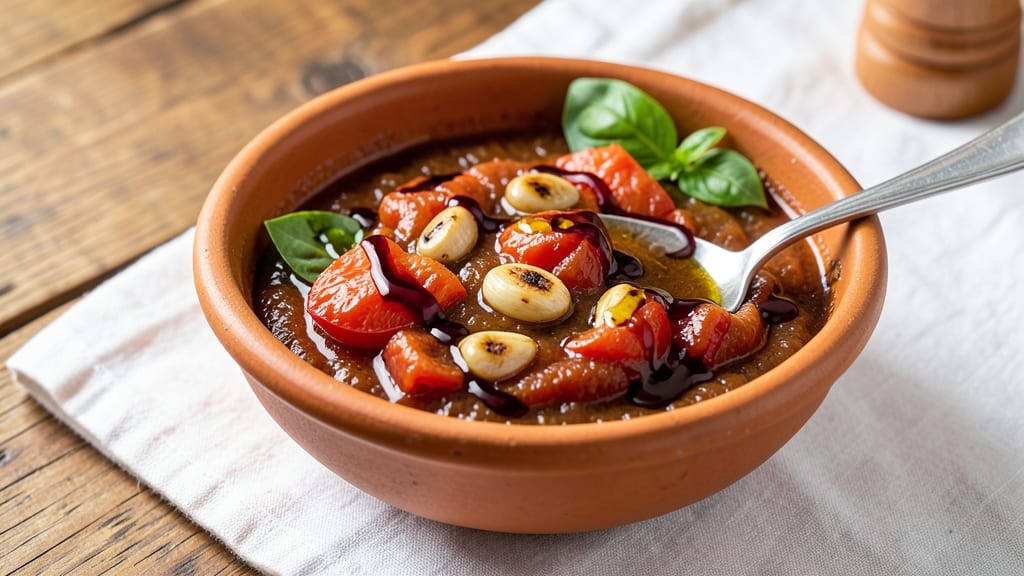
Alice Jo's spaghetti sauce recipe transforms simple pantry ingredients into a deeply flavorful, slow-simmered sauce that clings to every strand of pasta. The secret lies in a balance of rich umami from tomatoes and garlic, brightened by a touch of vinegar that cuts through the richness without overpowering. This isn't just sauce—it's the foundation of a meal that tastes like it's been simmering all day, even if you only have an hour.
The magic happens during the slow simmer, where flavors meld and deepen over time. You'll start with a simple blend of canned tomatoes, garlic, and herbs, then let them cook down until thick and velvety.
The vinegar—just a splash—adds a subtle tang that elevates the sauce from ordinary to extraordinary, making each bite more complex than the last. It's the kind of sauce that improves with reheating, so you'll find yourself making extra to stash in the freezer.
What makes this sauce truly special is its versatility. Use it as a base for classic spaghetti, toss it with meatballs, or serve it over zucchini noodles for a lighter twist.
The texture is perfect—thick enough to coat, thin enough to drizzle—and the flavor is bold but balanced, with just the right amount of acidity to keep it vibrant.
It's the kind of recipe that becomes a staple in your rotation, the one you reach for when you want something comforting yet refined.
Best of all, it's adaptable to your needs. Add ground beef for a meaty depth, or keep it vegetarian for a lighter option.
Either way, the result is a sauce that's rich, aromatic, and packed with layers of flavor—proof that the best dishes often start with just a few key ingredients and a little patience. Let's get cooking.
Ingredients for alice jo's spaghetti sauce
Ten simple ingredients that build layers of umami and tangy brightness for sauce that tastes like it's been simmering all day.
| Ingredient | Amount | Notes |
|---|---|---|
| San Marzano Tomato Paste 🍅 | ½ cup | High-quality, no sugar added |
| San Marzano Whole Canned Tomatoes 🍅 | 28 oz | Crushed by hand, no liquid |
| Garlic Cloves 🧄 | 6 cloves | Minced, not powdered |
| Extra-Virgin Olive Oil 🫒 | ¼ cup | Fruity, peppery variety |
| Red Wine 🍷 | ½ cup | Bold, dry red like Cabernet |
| Red Wine Vinegar 🍋 | 1 tbsp | For that hidden zing |
| Dried Oregano 🌿 | 1 tsp | Mediterranean blend preferred |
| Dried Basil 🌿 | 1 tsp | Fresh if available |
| Salt 🧂 | 1 ½ tsp | Diamond Crystal preferred |
| Black Pepper 🌶️ | ½ tsp | Freshly cracked |
The tomatoes are everything here. San Marzano is worth the splurge—sweeter, meatier, and no weird aftertaste. Grab a 28-oz can for the perfect balance of acidity and sweetness. If you're using regular canned tomatoes, crush them by hand (no blender!) to keep the texture just right. The paste? No-sugar-added is a must—it's the base for all that deep, caramelized flavor. I always grab mine from Whole Foods or Trader Joe's—their canned tomatoes are consistently great. For the garlic, fresh is non-negotiable. Powdered won't give you that sweet, mellow depth you're after.
No red wine? Dry white wine or extra chicken broth works in a pinch, but you'll lose some of that rich complexity. The vinegar is where the magic happens—red wine vinegar adds brightness without overpowering, but apple cider vinegar gives a slightly sweeter tang. Fresh basil? Double the dried amount if you're using it. The oregano should be Mediterranean blend—it's got that earthy, slightly bitter note that balances the sweetness. For the olive oil, avoid the cheap stuff. A good fruity, peppery oil makes all the difference in the final sauce. And yes, you can skip the wine entirely if needed—just add a splash of balsamic at the end for depth.
This sauce only gets better with time—simmer it for at least 45 minutes to let flavors meld. Store in the fridge for up to 5 days in an airtight container, or freeze for up to 3 months. I always make a double batch because it reheats beautifully and tastes even richer the next day. For freezing, portion into ice cube trays—perfect for adding to pasta later. The texture thickens as it cools, so add a splash of water or broth when reheating if it gets too stiff.
Why You'll Love This Recipe
- No-Fuss Simmer: I swear by this sauce because it’s literally dump-and-simmer. The San Marzano tomatoes handle all the work—just crush them in, add the paste and wine, and let the garlic melt into sweetness. No blenders, no peeling, no stress.
- Wine-Infused Depth: That splash of red wine isn’t just flavor—it’s the secret to a sauce that tastes aged, not rushed. The acidity cuts through the richness, and the olive oil keeps it velvety. Honestly, my non-wine-drinking husband licks the pot clean.
- Meal Prep MVP: This sauce doubles (or triples) like a champ, and it improves with time. Freeze half for lazy Mondays or serve it fresh at a potluck—no one will guess it’s not homemade from scratch. My college-aged kid texts me for the recipe every time he’s broke.
- Budget Luxury: San Marzano tomatoes and red wine sound fancy, but they stretch far. A single can of tomatoes makes four servings, and the paste adds depth without costing a fortune. Between us, this is the sauce I serve when I want to feel like I’ve splurged—but didn’t.
Step-by-step instructions for alice Jo's spaghetti sauce
This sauce builds deep flavor through patience and precision—every step matters for that perfect balance of umami and vinegar brightness.
Bloom the Tomato Paste in Olive Oil
Heat the 0.25 cup extra-virgin olive oil in a heavy-bottomed pot over medium-low heat until shimmering but not smoking. Add the 0.5 cup San Marzano tomato paste and stir constantly for 5-7 minutes until it darkens to a deep mahogany color and releases its rich, caramelized aroma.
This blooming step develops the sauce's foundation—don't rush it. The paste should coat the back of a spoon and smell intensely sweet and earthy. If it starts to brown too quickly, reduce the heat slightly to prevent burning. This is where all the deep umami flavors begin to form.
Add Aromatics and Wine
Push the tomato paste to one side of the pot and add the 6 minced garlic cloves to the empty space. Stir for 30 seconds until fragrant but not browned—garlic burns in seconds. Pour in the 0.5 cup red wine and scrape up any browned bits from the bottom with a wooden spoon.
Let the wine simmer for 2-3 minutes until reduced by half. This step deglazes the pot, capturing all those concentrated flavors that would otherwise stick to the bottom. The sauce should smell complex now—wine, garlic, and tomato working together. If it smells flat, you haven't cooked it long enough.
Build the Sauce with Tomatoes and Vinegar
Add the 28 oz San Marzano whole canned tomatoes (crushed by hand) to the pot. Stir in the 1 tbsp red wine vinegar, 1 tsp dried oregano, 1 tsp dried basil, 1.5 tsp salt, and 0.5 tsp black pepper. Bring to a gentle simmer over medium heat.
Here's where the magic happens: let it simmer uncovered for 45-60 minutes, stirring occasionally. The sauce should reduce until it coats the back of a spoon and thickens to a rich consistency. You're looking for a deep, glossy sauce that smells intensely of tomatoes with just a hint of vinegar brightness. If it's too thin, simmer longer—patience pays off here.
Finish and Adjust Seasoning
After simmering, taste the sauce and adjust seasoning if needed. Add a pinch more salt if it tastes flat, or a splash more vinegar if the umami needs that bright contrast. Let the sauce cool slightly—it will thicken further as it rests.
This sauce tastes even better after resting for 30 minutes at room temperature. The flavors meld completely, and the texture becomes perfectly balanced—neither too thick nor too thin. Serve it warm over al dente spaghetti, and don't forget to pass that extra sauce. It's that good.
Pro Tips For Making Alice Jo'S Spaghetti Sauce
- Sweat the Garlic Low: I used to blast the garlic in olive oil until it burned—don’t. Once the oil shimmers, drop in the minced garlic and reduce the heat to medium-low. Let it cook until fragrant but not golden (about 3-4 minutes), or it’ll turn bitter and overpower the sauce.
- Bloom the Tomato Paste: Skip the direct heat dump. First, toast the San Marzano paste in the pot with a splash of olive oil for 2-3 minutes—just until it darkens slightly. This deepens the flavor before adding wine or tomatoes, making the sauce richer without extra sugar or salt.
- Deglaze with Patience: After the wine hits, let it simmer until almost evaporated before adding tomatoes. Scraping up browned bits takes longer, but those bits hold more flavor. Use a wooden spoon to work in circles—you’ll get every last drop.
- Crush Tomatoes by Hand: Ditch the can opener’s easy-out. Drain the San Marzanos, then crush them with your fingers in the pot. The broken skins release more juice and body, giving the sauce a silkier texture. (Yes, it’s messier—but worth it.)
Storing and reheating this alice jo's spaghetti sauce
Fridge Storage Tips
Let your sauce cool completely before transferring to an airtight glass container—I love using 8-ounce Mason jars for portion control. Store in the fridge for up to 5 days, but trust me, the flavor actually deepens overnight as the vinegar and herbs meld with the tomatoes. 🌿
When reheating, add 2-3 tablespoons of water or pasta water to prevent thickening. Warm over medium-low heat for 5-7 minutes, stirring occasionally, until bubbly. If it's too thick after reheating, thin with a splash more liquid—this sauce is forgiving!
Freezer Magic
For long-term storage, freeze in quart-sized freezer bags or silicone ice cube trays—perfect for adding to pasta later. Leave 1-inch headspace to prevent expansion cracks. Label with the date—this sauce stays amazing for 3 months in the freezer.
Thaw overnight in the fridge or use the microwave defrost setting for quick meals. If it separates, just stir vigorously to recombine. The texture might look thicker after freezing, but a splash of water brings it back to perfection. ❄️
Reheating Perfection
For the best results, reheat on the stovetop in a heavy-bottomed pot—it prevents scorching and maintains even heat. Bring to a gentle simmer for 8-10 minutes, stirring occasionally. The sauce should be hot but not boiling to preserve its texture.
If you're short on time, microwave in 30-second bursts, stirring between each, until heated through. Avoid microwaving directly from frozen—this can make the sauce watery. A quick stovetop warm-up always wins for texture and flavor. 🔥
Portion Control
Divide into 1-cup servings before freezing or refrigerating—this makes it easy to grab just what you need. I keep a small jar in my fridge for quick pasta nights, and the rest goes into the freezer for future meals.
When reheating portions, add a pinch of salt or vinegar if needed—the flavors can mellow slightly after storage. The sauce thickens as it cools, so adjust with a splash of water or broth if it's too stiff after reheating. 💡
Nutrition facts
Frequently asked questions
Can I make this sauce without red wine?
Replace the 0.5 cup red wine with 0.5 cup dry white wine or 0.5 cup chicken broth for similar depth. For extra richness, add 1 tbsp balsamic vinegar at the end. The vinegar in the recipe will still give that bright zing you love!
How do I know when the sauce is done simmering?
The sauce is ready when it coats the back of a spoon and smells intensely of tomatoes with just a hint of vinegar. It should take 45-60 minutes to thicken properly. If it's still too thin after that time, simmer uncovered for another 10-15 minutes—patience is key!
Can I add meat to this sauce?
Yes! Brown 1 pound ground beef or Italian sausage first, then drain excess fat before adding to the sauce. For a lighter option, try mushrooms or lentils instead. Just add them after the wine reduction step to let their flavors meld.
Why does my sauce taste flat after refrigerating?
This happens when the vinegar and herbs need to rebalance. Add ½ tsp more red wine vinegar or a pinch of salt when reheating. Also, let it warm up slowly on low heat—rushing it can mute flavors. The sauce always tastes better after resting overnight!
Can I use fresh tomatoes instead of canned?
Fresh tomatoes work but require extra prep. Roast 4-5 large tomatoes at 400°F for 30 minutes until soft, then blend until smooth. Use 1 cup tomato puree to replace the canned tomatoes. The texture will be slightly different but still delicious!