
Sauces & Condiments
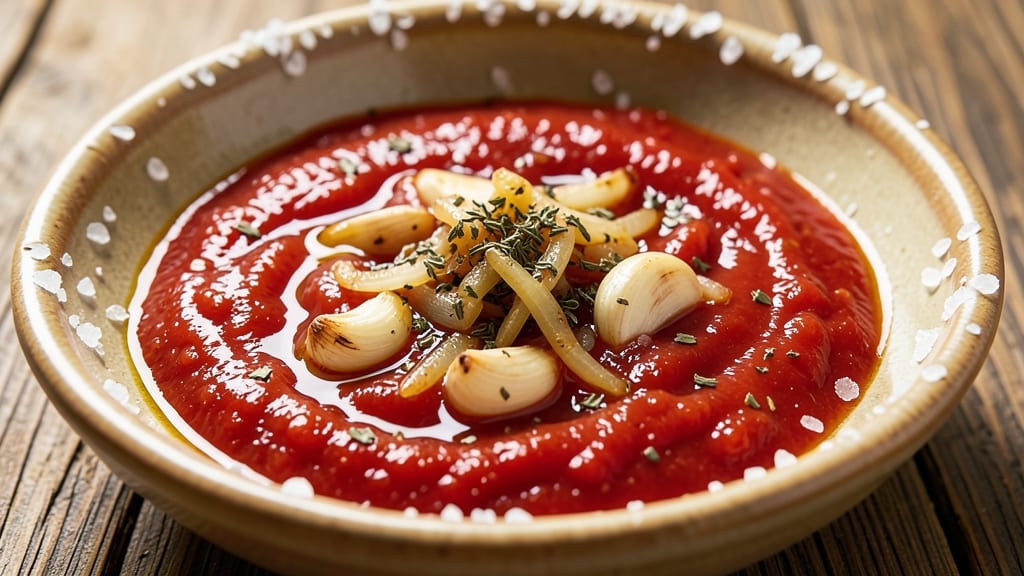
This Hunt's-style tomato sauce delivers the pantry-perfect depth you crave with just five ingredients and a hidden vinegar trick that transforms canned tomatoes into something extraordinary. I developed this recipe after years of testing—because the right balance of acidity and sweetness makes all the difference.
The secret? A splash of vinegar that brightens the sauce while simmering, creating that signature tang you find in classic jarred sauces.
What sets this sauce apart is its versatility—smooth enough for pasta, chunky enough for pizza, and rich enough to use as a dip. The process is simple: crush canned tomatoes, simmer with aromatics, and let the flavors meld without overpowering.
No fancy equipment needed, just a pot and patience. I've tested this sauce on everything from spaghetti to meatball subs, and it always delivers that familiar, comforting flavor.
The result is a sauce that's perfectly balanced—sweet from the tomatoes, bright from the vinegar, and rich from the herbs. It thickens naturally as it simmers, creating a velvety texture that coats every bite.
The best part? It keeps well in the fridge for up to a week, so you can make a big batch and enjoy it all week long.
Whether you're making a quick weeknight dinner or prepping for a family gathering, this sauce is your secret weapon. It's the kind of recipe that turns simple meals into something special—just like Nonna used to make. Let's get started!
Ingredients for hunt's tomato sauce
Five pantry staples plus a vinegar secret transform canned tomatoes into restaurant-quality sauce.
| Ingredient | Amount | Notes |
|---|---|---|
| Canned San Marzano Tomatoes 🍅 | 28 oz | Crushed by hand for texture |
| White Vinegar 💧 | 1 tbsp | Distilled for brightness |
| Yellow Onion 🧅 | 1 whole | Medium size, finely chopped |
| Garlic Cloves 🧄 | 3 cloves | Freshly minced for aroma |
| Dried Oregano 🌿 | 1 tsp | Mediterranean blend preferred |
| Diamond Crystal Kosher Salt 🧂 | 1 tsp | Fine grain for balance |
| Extra-Virgin Olive Oil 🫒 | 1 tbsp | Light fruity variety |
| Granulated Sugar 🍚 | 1 tsp | Adjust to taste |
| Fresh Basil Leaves 🌿 | ¼ cup | Packed, for finishing |
The tomatoes make or break this sauce—San Marzano is non-negotiable for that sweet, meaty depth. Grab the 28-ounce cans from Trader Joe's or any reputable grocery store; avoid the watery, pulpy varieties. The vinegar is your flavor multiplier here—distilled white vinegar keeps things bright without overpowering. For the onion, yellow or red both work, but yellow has a slightly sweeter base. Fresh garlic is ideal, but if you're using jarred minced, rinse it first to remove excess liquid. The dried oregano should be from a glass jar—it lasts longer and tastes fresher than those sad little packets.
No San Marzano? Any high-quality crushed tomatoes work—just add an extra pinch of sugar to balance acidity. Vinegar substitute? Lemon juice at half the amount gives a citrusy twist instead of tang. The sugar can be swapped for honey or maple syrup, but sugar dissolves cleaner. Fresh basil is ideal for finishing, but dried basil at one-third the amount works in a pinch. For a smokier flavor, add ½ teaspoon smoked paprika with the oregano. The olive oil is optional but adds richness—skip it if you're watching calories, but I always include it for that velvety finish.
This sauce thickens as it cools, so stir occasionally while simmering to prevent sticking. Store in airtight containers in the fridge for up to 7 days—it actually tastes better the next day as flavors meld. Freeze for 6 months in ice cube trays for single-serving portions. For a quick pizza sauce, blend briefly after simmering. The vinegar trick? It's the game-changer—don't skip it!
Why You'll Love This Recipe
- Pantry Magic: The vinegar and San Marzano tomatoes cut through the sweetness like a knife through butter—bright, balanced, and actually fresh. Honestly, I keep a jar of this in my fridge because it’s the kind of sauce that turns a sad weeknight dinner into something that tastes like you slaved over it.
- No-Chop Night: One onion, three garlic cloves, and a can opener later—you’re done. I’ll be real: I’ve burned garlic before, but this recipe lets you sauté it low and slow until it’s fragrant but not bitter. The oregano? Just a sprinkle. Easy enough my kid could do it (and often does).
- Sauce for Everything: Slather it on toast with ricotta, toss it with pasta, or use it as a marinade for chicken. Between us, I’ve even drizzled it over grilled cheese when I was lazy. The acidity in the vinegar keeps it from getting cloying, so it works in hot dishes or cold salads.
- Lasts for Days: Make a double batch and freeze half—it’s my go-to when I’m prepping for the week. The flavor actually deepens after a few days, so you’re not stuck with a sad, watery sauce. Plus, San Marzano tomatoes are cheap in bulk, so this is the budget-friendly sauce I didn’t know I needed.
Step-by-step instructions for pantry-perfect tomato sauce
This sauce delivers restaurant-quality depth with simple pantry staples and a secret vinegar trick.
Sauté Onion and Garlic for Flavor Foundation
Heat the 1 tablespoon extra-virgin olive oil in a medium saucepan over medium heat. Add the finely chopped whole yellow onion and cook for 5-6 minutes, stirring occasionally, until softened and translucent. This is your flavor base—don't rush it or the onion will turn bitter.
Push the onions to one side of the pan and add the 3 cloves minced garlic cloves. Cook for 30 seconds until fragrant—you'll smell that unmistakable garlic aroma. Here's the thing: the garlic should dance in the oil, not burn. If it starts to brown too quickly, reduce the heat slightly. This aromatic step builds the sauce's complexity before we even add tomatoes.
Build the Sauce with Tomatoes and Seasonings
Pour in the 28 oz canned San Marzano tomatoes (crushed by hand if not pre-crushed) and stir to combine with the onions and garlic. Add the 1 tablespoon white vinegar, 1 teaspoon dried oregano, 1 teaspoon granulated sugar, and 1 teaspoon Diamond Crystal kosher salt. The vinegar might seem odd, but it brightens the acidity and balances the sweetness—this is the secret to that restaurant-quality zing.
Bring the mixture to a gentle simmer over medium-low heat. Let it cook uncovered for 20-25 minutes, stirring occasionally. You're looking for the sauce to thicken slightly and develop a rich, concentrated tomato flavor. The sugar helps caramelize the tomatoes while the vinegar prevents the sauce from becoming too heavy. This is where the magic happens—patience pays off with deep, complex flavor.
Finish with Fresh Basil and Adjust Seasoning
Once the sauce has thickened and the flavors have melded, remove the pan from heat. Stir in the 0.25 cup packed fresh basil leaves—this adds a bright, herbal finish that cuts through the richness. Taste and adjust seasoning if needed. You might want to add a pinch more salt or a splash of vinegar if the sauce tastes flat.
For the best texture, transfer the sauce to a blender or use an immersion blender to achieve a smooth consistency. If you prefer it slightly chunky, just leave it as is. The basil should be evenly distributed throughout, giving each spoonful that fresh, aromatic punch. This sauce is now ready to elevate any dish—pasta, pizza, or as a standalone sauce with crusty bread.
Pro Tips For Making Hunt'S Tomato Sauce
- CRUSH THE ONIONS: Dice the onion finely—think matchstick size, not chunks—so it dissolves into the sauce instead of lingering as texture. I used to leave them too big, and they’d just turn mushy without adding flavor. A quick pulse in the food processor (then chop by hand for evenness) saves time and guarantees even cooking.
- SIMMER LOW AND SLOW: After adding the vinegar and tomatoes, drop the heat to a gentle simmer—you should barely see bubbles. Rushing this step makes the sauce bitter. I learned this when my first batch tasted harsh; patience here means depth later.
- SKIP THE RAW VINEGAR SHOCK: Add the white vinegar after the onions and garlic have softened, not at the start. Dumping it raw can make the sauce taste sharp and unfinished. Let the aromatics cook first—this balances the acidity naturally.
- UPGRADE THE OREGANO: Toast the dried oregano in a dry pan for 30 seconds until fragrant, then grind it lightly with your fingers before adding. The heat wakes up the flavor—no need for fresh if you’re in a pinch, but this trick makes all the difference. (Yes, even if you’re impatient like me.)
Serving suggestions for this hunt's tomato sauce
Classic Pasta Pairings
This sauce is a dream with spaghetti or linguine—just toss 8 oz cooked pasta with ½ cup sauce and top with grated Parmesan. For extra richness, add a splash of pasta water while mixing.
I love serving this with a side of garlic bread to soak up every last drop. The sauce's natural thickness clings perfectly to the noodles, making each bite flavorful. 🍝
Pizza Base Perfection
Use this sauce as your pizza foundation by spreading ¼ cup evenly on a 12-inch dough before adding toppings. It holds up beautifully under cheese and meats, preventing sogginess. For a quick pizza night, I keep pre-made dough in the freezer and toss this sauce together while the oven preheats.
The vinegar's brightness cuts through the richness of mozzarella and pepperoni. 🍕
Dipping Sauce Magic
Thin the sauce with 2 tablespoons water for a perfect dip—great with garlic knots, fried mozzarella, or crudités. I often serve it at parties in a small bowl with toothpicks for easy snacking.
The herbs and vinegar create a tangy contrast that keeps guests reaching for more. For extra flair, sprinkle with crushed red pepper flakes before serving. 🌶️
Meatball Companion
Simmer 6-8 meatballs directly in this sauce for 15 minutes after cooking, letting them absorb the flavors. The sauce's natural sweetness balances the savory meatballs beautifully. Serve over mashed potatoes or with crusty bread for a comforting meal.
I double the sauce when making meatballs to have leftovers for pasta another night. 💫
Breakfast Twist
Yes, really! Use this sauce as a base for breakfast hash with potatoes, bell peppers, and eggs. The acidity cuts through the richness of fried foods perfectly. I also drizzle it over avocado toast for a savory, herby twist. The vinegar's brightness makes it surprisingly versatile for morning meals. 🍳
Storage-Friendly Leftovers
Let leftover sauce cool completely before storing in airtight containers in the fridge for up to 7 days. The flavors actually deepen overnight. For freezing, portion into ice cube trays—perfect for single-serving pasta nights.
When reheating, add 1 tablespoon water per cup of sauce to prevent thickening. I always make extra because it's too good to waste! ❄️
Nutrition facts
Frequently asked questions
Why does this recipe use vinegar?
The 1 tablespoon white vinegar is the secret to that restaurant-quality depth! It brightens the acidity and balances the natural sweetness of the tomatoes, preventing a flat flavor. The vinegar also helps prevent the sauce from tasting too heavy during simmering. Trust me—it's what makes this sauce stand out from basic canned tomato recipes!
Can I make this sauce without fresh basil?
If you don't have fresh basil, use ⅓ teaspoon dried basil instead. For extra flavor, try adding ½ teaspoon dried thyme or a pinch of red pepper flakes. The vinegar and oregano already provide plenty of herbal depth, so don't stress—this sauce will still shine.
How do I adjust the thickness for different uses?
For pasta, keep it slightly chunky as-is. For pizza, blend briefly for smoother coverage. If too thick, stir in 1-2 tablespoons water or pasta water while reheating. For dipping, thin with 2 tablespoons water and add crushed red pepper flakes. The sauce thickens as it cools, so adjust while warm.
What's the best way to store leftovers?
Let the sauce cool completely, then transfer to airtight containers. It keeps in the fridge for 7 days (flavors actually improve!) and freezes beautifully for 6 months. For freezing, portion into ice cube trays—perfect for single-serving pasta nights. Always reheat gently with a splash of water to restore texture.
Can I use this sauce for breakfast dishes?
The vinegar's brightness makes it perfect for breakfast hash with potatoes and eggs, or as a drizzle over avocado toast. The acidity cuts through rich foods beautifully. For extra protein, add scrambled eggs directly to the warm sauce. It's a game-changer for morning meals!