
Sauces & Condiments
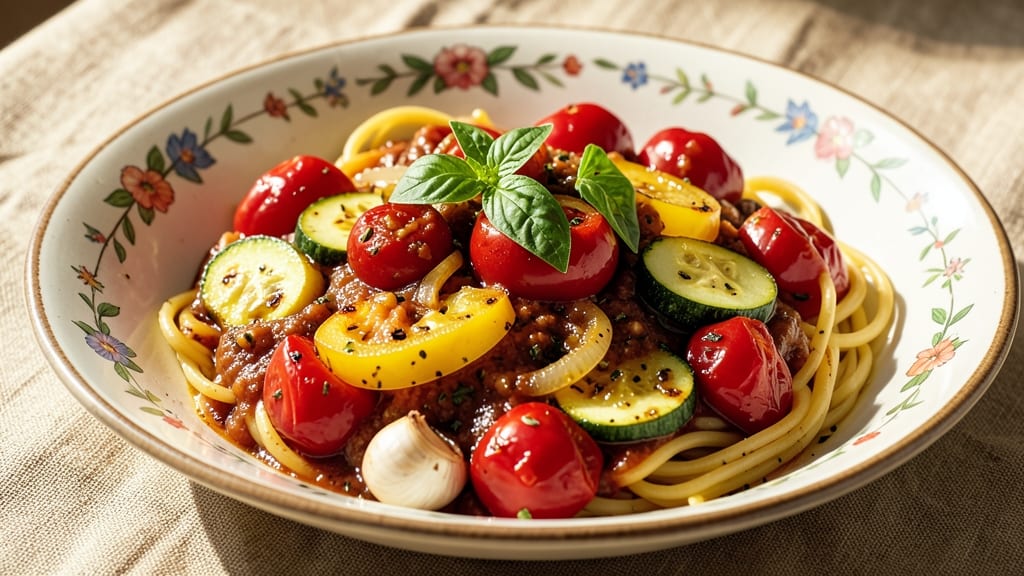
This garden vegetable spaghetti sauce transforms summer's bounty into a rich, herb-infused sauce that's perfect for pasta or as a standalone dish. 🌿 I developed it after realizing how much flavor fresh garden vegetables could bring to a classic tomato sauce—no meat needed, just vibrant, vegetable-forward goodness that tastes like a summer sunset in every spoonful.
The secret lies in simmering a blend of ripe tomatoes, zucchini, bell peppers, and onions until they're tender enough to blend into a velvety sauce. Fresh basil and oregano add layers of aromatic depth, while garlic and onion powder create a savory foundation that builds as it simmers.
The sauce reduces naturally, intensifying the flavors without needing thickeners.
What you'll end up with is a sauce that's bright yet rich, with pockets of tender vegetables adding texture to every bite. It clings beautifully to pasta, but also works as a hearty soup when served with crusty bread.
The best part? Every ingredient comes from your garden or local market, making this one of the most satisfying sauces you'll ever make.
Perfect for weeknight dinners, meal prep, or impressing guests with a homemade sauce that's far more flavorful than anything store-bought. Let's create this garden-inspired sauce that brings summer flavors to your table all year round.
Ingredients for garden vegetable spaghetti sauce
Fresh garden veggies and aromatic herbs make this vibrant, meat-free sauce taste like summer in every bite.
| Ingredient | Amount | Notes |
|---|---|---|
| Fresh Roma Tomatoes 🍅 | 2 lb | Ripe, halved for quick cooking |
| Zucchini 🥒 | 1 ½ lb | Medium size, sliced into half-moons |
| Yellow Bell Pepper 🌶️ | 1 whole | Seeds removed, sliced |
| Yellow Onion 🧅 | 1 whole | Medium size, diced |
| Garlic Cloves 🧄 | 4 cloves | Fresh, minced for depth |
| Fresh Basil Leaves 🌿 | ½ cup | Packed, stems removed |
| Fresh Oregano Leaves 🌿 | ¼ cup | Chopped, or 1 tsp dried |
| Onion Powder 🧅 | 1 tsp | For extra savory punch |
| Garlic Powder 🧄 | ½ tsp | To complement fresh garlic |
| Extra-Virgin Olive Oil 🫒 | ½ cup | High quality, fruity |
| Red Wine Vinegar 🍷 | 1 tbsp | Brightens the sauce |
| Sea Salt 🧂 | 1 ½ tsp | Adjust to taste |
| Black Pepper 🌶️ | ½ tsp | Freshly ground preferred |
The tomatoes are the heart of this sauce—heirloom or Roma work best for their sweetness and low water content. Grab a bunch from your garden or hit the farmers market for the freshest. Zucchini and bell pepper add natural sweetness, but any summer squash (like yellow squash) works too. The onions? Yellow or red both bring depth, but yellow has a slightly sweeter profile. Fresh basil and oregano are non-negotiable here—they're what make this sauce sing. I always grab extra basil because half goes in the sauce and half gets torn over the top for garnish.
No fresh basil? Dried oregano at half the amount keeps the flavor profile close. Short on zucchini? Substitute with extra bell pepper or mushrooms for umami. The red wine vinegar might seem like an odd addition, but it brightens the sauce beautifully—think of it like a little flavor bomb. No vinegar? Extra lemon juice or balsamic vinegar works in a pinch. For the olive oil, stick with extra-virgin—it's worth the splurge for the fruity notes that elevate everything. The powders (onion and garlic) might seem redundant if you're using fresh, but they add another layer of savory depth that builds as the sauce simmers.
This sauce tastes even better the next day as the flavors meld. Store in an airtight container in the fridge for up to 5 days or freeze for 3 months. I like to freeze it in 1-cup portions so I can pull out exactly what I need. The sauce thickens as it cools, so if it seems too thick when cold, just add a splash of water or broth when reheating. Perfect for meal prep—make a big batch and keep it on hand for quick weeknight dinners.
Why You'll Love This Recipe
- No-Waste Ingredients: I swear by this recipe when my garden overflows with zucchini and peppers—no sad, wilted veggies going to waste. The bell pepper adds a sweet crunch that balances the creamy tomatoes, and the zucchini soaks up the flavor like a sponge.
- Weeknight Magic: Honestly, this sauce is my secret weapon for nights when I’m too tired to think. Toss in chopped veggies while I prep pasta, let it simmer, and boom—homemade sauce in 25 minutes. The garlic and onions caramelize just enough to give it depth without extra effort.
- Leftover Goldmine: Between us, this sauce only gets better the next day. I make a big batch on Sunday, and by Wednesday, it’s even richer—like the veggies melded into something deeper. Freeze half for when I’m too lazy to cook, and it thaws perfectly for a quick pasta fix.
- Budget-Friendly Flex: Fresh tomatoes and garden veggies stretch my grocery dollars, and this sauce feels fancy without the price tag. Swap in whatever’s cheap and seasonal—still tastes like I spent hours on it. My college-student friends call it my “poor man’s restaurant sauce,” and they’re not wrong.
Step-by-step instructions for garden vegetable spaghetti sauce
Transform your garden harvest into a vibrant, herb-infused sauce that bursts with summer flavors.
🍳 Step 1: Sauté Aromatics Until Fragrant
Heat the 0.5 cup extra-virgin olive oil in a large Dutch oven over medium heat. Add the 1 whole yellow onion and 1 whole yellow bell pepper (sliced), cooking for 5-6 minutes until softened and the onion becomes translucent. Here's the thing—you want to see the edges just starting to caramelize slightly, but don't let it burn.
Add the 4 cloves garlic cloves (minced) and cook for 30 seconds until fragrant—you'll smell that wonderful garlic aroma filling your kitchen. Immediately add the 1 tsp onion powder and 0.5 tsp garlic powder, stirring to coat the vegetables. This layer of spices will form the flavor base for your entire sauce.
🍳 Step 2: Cook the Vegetables to Perfection
Increase heat to medium-high and add the 1.5 lb zucchini (sliced into half-moons). Cook for 4-5 minutes until the zucchini softens but still holds its shape—you want it tender-crisp, not mushy. Real talk: if you see moisture pooling in the pan, reduce heat slightly to evaporate it before adding tomatoes.
Here's where it gets fun—toss in the 2 lb fresh roma tomatoes (halved) and cook for another 3-4 minutes until they begin to break down. You'll see their juices release and create a beautiful, glossy sauce. The tomatoes should soften but not completely disintegrate—this ensures a thick, chunky texture in your final sauce.
🥘 Step 3: Build the Herb-Infused Base
Reduce heat to low and stir in the 1 tbsp red wine vinegar. This brightens the flavors and cuts through the richness of the olive oil. Add the 0.5 cup fresh basil leaves (packed) and 0.25 cup fresh oregano leaves (chopped), stirring gently to incorporate.
Season with the 1.5 tsp sea salt and 0.5 tsp black pepper, then taste immediately. You'll want to balance the acidity from the vinegar with salt—this is your flavor calibration point. The sauce should taste vibrant and fresh, with bright tomato acidity and herbal notes. If it needs more depth, add a pinch more salt or a squeeze of lemon juice.
⏰ Step 4: Simmer for Rich, Concentrated Flavor
Cover the Dutch oven and let the sauce simmer gently for 20-25 minutes over low heat. Here's the moment that matters: you want the sauce to reduce slightly but maintain its chunky texture. Stir occasionally, scraping up any browned bits from the bottom of the pan—these are packed with flavor.
After simmering, taste again and adjust seasoning if needed. The sauce should be thick enough to coat the back of a spoon but still have a pleasant texture. If it's too thick, add 1-2 tablespoons water to loosen it. The final sauce should be vibrant red with visible vegetable pieces and a glossy sheen from the olive oil.
🍽️ Step 5: Finish and Serve
Remove from heat and let the sauce sit for 5 minutes to allow flavors to meld. Give it one final taste and adjust seasoning—this is your last chance to perfect it. The sauce should be bright, herbaceous, and perfectly balanced between sweet tomatoes and savory herbs.
Serve immediately over freshly cooked spaghetti, tossing generously to coat each strand. The sauce will cling beautifully, delivering layers of fresh garden flavors with every bite. For extra richness, top with additional fresh basil leaves and a drizzle of olive oil. This sauce tastes even better the next day, so make extra for leftovers!
Pro Tips For Making Garden Vegetable Spaghetti Sauce
- Sear the Onion First: I learned this the hard way—skip the slow cook, and your sauce will taste bland. Get that onion in a hot pan with a splash of olive oil until it’s golden brown, not just soft. The caramelized flavor sticks to everything else, and it’s the base of a great sauce.
- Roast the Tomatoes: Cut those Roma tomatoes in half, drizzle with olive oil, and roast at 400°F (200°C) for 15 minutes before adding them to the sauce. The concentrated sweetness and deep flavor make a huge difference—no blender tricks needed.
- Salt the Zucchini: Toss sliced zucchini with a pinch of salt and let it sit for 10 minutes before cooking. This draws out the water, so it doesn’t turn your sauce into soup later. Trust me, it’s worth the wait.
- Simmer Low and Slow: After adding all your veggies, keep the heat at a gentle simmer for at least 20 minutes. Rushing it leaves the flavors raw, and you’ll end up with a mushy mess instead of a rich, layered sauce. Patience pays off here.
Troubleshooting your garden vegetable spaghetti sauce
Sauce Too Thin?
If your sauce ends up too thin after simmering, don't panic—this is easily fixed. The most common reason is undercooked vegetables releasing too much water. Simmer uncovered for an additional 10-15 minutes to evaporate excess moisture.
For a quicker fix, stir in 1 tablespoon cornstarch mixed with 2 tablespoons water, simmering for 2-3 minutes until thickened. I've also had success adding 1-2 tablespoons tomato paste for instant body and depth. 💫
Vegetables Too Mushy?
Overcooking zucchini or tomatoes is the usual culprit here. Cook vegetables separately—sauté zucchini first until just tender (4-5 minutes), then remove and set aside before adding tomatoes. For tomatoes, cook them for only 3-4 minutes before adding herbs and simmering.
If you've already overcooked, blend the sauce and strain through a fine-mesh sieve to remove excess liquid. The result will be a smoother, more controlled texture. 🥒
Flavor Too Mild?
Fresh garden vegetables can sometimes lack the depth of store-bought sauces. Boost umami by adding 1 teaspoon soy sauce or ½ teaspoon miso paste during simmering. For extra brightness, stir in 1 teaspoon balsamic vinegar at the end.
I also recommend toasting the onion powder in a dry pan for 30 seconds before adding to the sauce—this deepens its flavor dramatically. 🌿
Sauce Too Acidic?
If the red wine vinegar or tomatoes make the sauce taste too sharp, sweeten it naturally. Stir in 1 teaspoon honey or ½ teaspoon sugar and simmer for 2 minutes to let it dissolve.
For a savory balance, add ½ teaspoon smoked paprika or a pinch of ground cinnamon—both work surprisingly well in tomato sauces. Taste frequently to avoid overcorrecting. 🍯
Herbs Not Shining?
Fresh herbs can lose their vibrancy if cooked too long. Add basil and oregano only in the last 5 minutes of simmering. For extra potency, blanch the herbs in boiling water for 10 seconds before adding to the sauce.
If you're using dried herbs, double the amount (e.g., ½ teaspoon dried oregano instead of ¼ cup fresh). Pro tip: Reserve ¼ cup fresh basil to garnish after serving—this keeps the dish looking fresh and adds a bright finish. 🌿
Leftover Sauce Too Thick?
Sauces often thicken as they cool, which can make reheating tricky. Loosen with liquid—add 1-2 tablespoons water, broth, or even pasta water while reheating. For a smoother texture, blend briefly before serving.
If the sauce separates, stir vigorously or blend until smooth. I like to reheat garden vegetable sauces on low heat to prevent the herbs from turning bitter. 🔥
Nutrition facts
Frequently asked questions
Can I make this sauce without fresh basil?
If you don't have fresh basil, use 1 teaspoon dried basil instead. For extra flavor depth, combine it with ½ teaspoon dried thyme—this mimics the herbal complexity. The sauce will still taste amazing, though fresh basil gives that unmistakable bright, sweet aroma that's hard to replicate.
How do I adjust this recipe for a vegan version?
This recipe is already vegan-friendly, but if you want to ensure no accidental dairy, double-check your olive oil is 100% plant-based and verify your vinegar and spices have no animal-derived additives. For extra richness, stir in 1 tablespoon nutritional yeast during simmering—it adds a cheesy, umami note that vegans love.
What's the best way to store leftovers?
Store in an airtight container in the fridge for up to 5 days. The flavors actually improve overnight as the vegetables meld! For freezing, portion into 1-cup containers and freeze for up to 3 months. Thaw in the fridge overnight—never microwave directly from frozen to preserve texture.
Can I use canned tomatoes instead of fresh?
Yes, but fresh tomatoes give the best flavor. If using canned, choose whole peeled tomatoes (not crushed) and add 1 extra tablespoon vinegar to compensate for the lower acidity. For a smoother sauce, blend half the tomatoes before adding to the pot. The fresh version has more vibrant sweetness, but canned works in a pinch.
How can I make this sauce spicier?
Add ½ teaspoon red pepper flakes during the initial sauté or stir in 1 teaspoon hot sauce at the end. For smoky heat, add ½ teaspoon smoked paprika with the onion powder. For a slow build, include 1 chopped jalapeño (seeds removed) with the other vegetables—it'll mellow as it cooks but keep the sauce warm.