
Sauces & Condiments
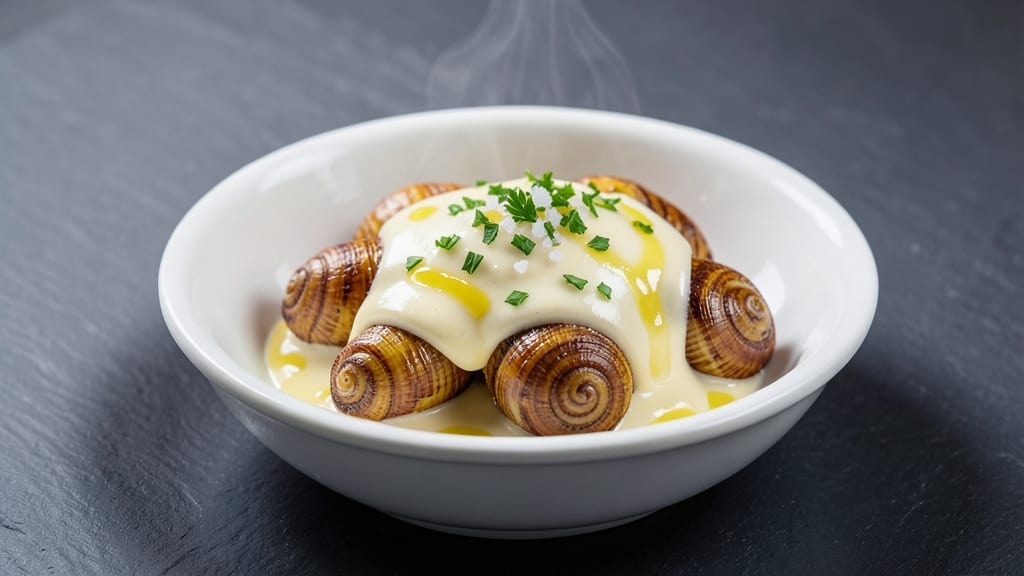
This escargot cream sauce recipe transforms a simple sauce into the luxurious, velvety richness that makes escargot unforgettable. 🌟 The secret lies in balancing butter and cream while infusing it with aromatic garlic and fresh parsley, creating a sauce that's both elegant and deeply flavorful.
Perfect for preparing ahead, this recipe ensures you're ready to elevate your escargot experience with minimal last-minute effort.
The foundation of this sauce is a classic French technique: gently melting butter with garlic to create a fragrant base before adding cream. This method ensures the sauce remains silky smooth without curdling, while a touch of lemon juice brightens the richness.
Fresh parsley adds a vibrant pop of color and freshness, balancing the sauce's decadent qualities.
What sets this sauce apart is its ability to be made in advance, allowing flavors to meld and deepen over time. Simply reheat gently before serving to maintain its luxurious texture.
The result is a sauce that's creamy, aromatic, and perfectly balanced—ideal for pairing with tender escargot or even drizzling over other dishes for an instant touch of sophistication.
With just a few simple ingredients and a straightforward process, you'll achieve a sauce that rivals the finest restaurant versions. Store it in the refrigerator for up to 5 days or freeze for longer storage, making it a versatile addition to your culinary repertoire.
Let's create this indulgent sauce that will elevate any meal.
Ingredients for escargot cream sauce
Eight ingredients transform into a restaurant-worthy escargot sauce that's elegant yet simple to prepare.
| Ingredient | Amount | Notes |
|---|---|---|
| Unsalted Butter 🧈 | ¾ cup | Cold, cubed for even melting |
| Fresh Garlic Cloves 🧄 | 4 cloves | Minced, not pressed |
| Heavy Cream 🥛 | 1 ½ cups | Full-fat for richness |
| Fresh Parsley Leaves 🌿 | ¼ cup | Finely chopped, stems removed |
| Lemon Juice 🍋 | 1 tbsp | Freshly squeezed |
| Diamond Crystal Kosher Salt 🧂 | ½ tsp | Adjust to taste |
| Freshly Ground Black Pepper 🌶️ | ¼ tsp | Light hand preferred |
| Extra-Virgin Olive Oil 🫒 | 1 tbsp | For finishing drizzle |
The butter and garlic form the aromatic base of this sauce, so quality matters. European-style unsalted butter like Plugrá or President melts beautifully, creating a velvety texture. For garlic, freshly minced cloves release more flavor than jarred minced garlic—take the time to peel and chop them yourself. Heavy cream should be full-fat (36% or higher) for that luxurious mouthfeel. If you're short on time, cold butter cubes melt more evenly than softened butter, preventing scorching. The parsley adds freshness, so grab the brightest bunch you can find—farmers markets often have superior quality compared to grocery store containers.
No heavy cream? Half-and-half with an extra splash of cream works in a pinch, though the texture will be slightly lighter. Fresh parsley wilting? Dried parsley at one-third the amount gets you close, though it lacks the vibrant color. Short on butter? Olive oil or ghee can replace up to half the butter, but the flavor will shift slightly. The lemon juice is crucial for balancing richness—bottled lemon juice works if fresh isn't available, but it lacks the same bright acidity. For a vegan version, substitute the butter with vegan butter and use coconut cream instead of heavy cream, though the texture will differ slightly.
This sauce reheats beautifully—simply warm it gently on the stove or microwave until just hot. For best results, reheat covered at low heat to prevent skin formation. Store in an airtight container in the fridge for 5 days, or freeze for 3 months. The flavors actually improve overnight as the garlic and herbs infuse deeper. For serving escargot, keep the sauce warm in a slow cooker on the lowest setting. A drizzle of extra-virgin olive oil before serving adds an elegant finishing touch that enhances the sauce's velvety texture.
Why You'll Love This Recipe
- Five-Ingredient Magic: This sauce comes together with just butter, garlic, cream, parsley, and a splash of lemon—no fancy gadgets or last-minute grocery runs. Honestly, I keep a jar of parsley in my fridge just for this, because the freshness makes all the difference.
- Rich Without Effort: The heavy cream and butter melt into something velvety in minutes, while the garlic sizzles into a golden, aromatic base. That bright lemon finish cuts through the richness just enough to keep it from feeling heavy—like a hug from a chef.
- Dinner Party Ready: Slather it over grilled fish, toss it with roasted veggies, or drizzle it over steak—it’s the kind of sauce that makes even simple meals feel special. Between us, I’ve used it to impress guests who thought I’d spent hours slaving away.
- Leftover Luxury: Make a double batch and stash it in the fridge for up to five days. Warm it gently with a splash of milk or extra butter, and it’s just as luscious as the first time—no sad, watery sauces here. My go-to for lazy weeknights when I’m craving something indulgent.
Step-by-step instructions for escargot cream sauce
This velvety sauce delivers the perfect balance of buttery richness and aromatic garlic.
🍳 Step 1: Melt the Butter and Infuse with Garlic
In a medium saucepan, melt the 0.75 cup unsalted butter over medium-low heat. Watch carefully as it transforms from solid to liquid—you want it to foam gently without browning. Once fully melted, add the 4 cloves minced fresh garlic cloves and cook for 1-2 minutes until fragrant but not browned.
This is where the magic begins. The butter should be bubbling gently but not vigorously—if it starts to sizzle too much, reduce the heat slightly. The garlic will release its pungent aroma, creating the aromatic foundation for your sauce. Don't rush this step; undercooked garlic will taste raw and unpleasant, while overcooked garlic turns bitter.
🍳 Step 2: Add Heavy Cream and Simmer Gently
Pour in the 1.5 cups heavy cream and bring to a gentle simmer over medium heat. Stir occasionally with a wooden spoon, being careful not to let it boil vigorously—this can cause the cream to curdle. You're looking for a steady, small bubble at the edges of the pan, not a full rolling boil.
Simmer for 8-10 minutes until the sauce has thickened noticeably—it should coat the back of a spoon smoothly. The sauce will reduce slightly, intensifying its flavor. If you notice any skin forming on the surface, simply stir it back in. This step is crucial for developing the sauce's velvety texture and rich flavor profile.
👨🍳 Step 3: Season and Finish with Lemon Juice
Remove the saucepan from heat and stir in the 0.5 tsp diamond crystal kosher salt, 0.25 tsp freshly ground black pepper, and 1 tbsp lemon juice. The lemon juice brightens the sauce, cutting through the richness of the butter and cream. Taste and adjust the seasoning—you might need a touch more salt or pepper depending on your preference.
Here's the thing—this sauce should be rich but not overpowering. The lemon juice is key; it adds a subtle acidity that makes the flavors sing. If you find the sauce too heavy after tasting, you can add a splash more lemon juice or a pinch of salt to balance it. Let the sauce rest for 2-3 minutes off the heat to allow the flavors to meld completely.
🥘 Step 4: Finish with Parsley and Olive Oil
Return the sauce to low heat and stir in the 0.25 cup finely chopped fresh parsley leaves and 1 tbsp extra-virgin olive oil. The parsley adds a fresh, vibrant note that complements the buttery garlic base. The olive oil, added at the end, gives the sauce a silky finish and helps distribute the parsley evenly throughout.
Stir gently for 30 seconds to incorporate everything, then immediately remove from heat. The sauce should be smooth, glossy, and perfectly balanced—creamy with just the right amount of brightness. If you're serving immediately, ladle it over your escargot while still warm. For best results, keep the sauce warm in a slow cooker or double boiler until ready to serve.
Pro Tips For Making Escargot Cream Sauce
- Melt Butter Slowly: Low heat is your friend here—if you rush the butter, you’ll end up with a burnt garlic flavor instead of nutty depth. I learned this the hard way after turning my first batch into a sad, bitter mess.
- Minimize Garlic Burn: Peel and smash the cloves flat before adding them—this increases surface area and prevents them from clumping into a single burnt lump. A quick pulse in a food processor works if you’re impatient, but chopping them finely does the job too.
- Strain the Cream: After cooking the cream, strain it through a fine-mesh sieve to remove any garlic bits or parsley stems—it makes the sauce silky and professional-looking. I skip this sometimes, and the texture suffers (but no one will judge you if you don’t).
- Finish with Cold Cream: Let the cream cool slightly before adding lemon juice and parsley—hot cream curdles when acid hits it, and you’ll spend more time fixing it than making the sauce. A 5-minute wait changes everything.
Common mistakes when making this dish
Overcooking the Garlic
One of the most common mistakes is letting the garlic brown or burn while cooking in the butter. When garlic turns golden or darker, it releases bitter compounds that completely ruin the delicate balance of flavors in your sauce.
I’ve seen this happen when people walk away from the stove or increase the heat too quickly. To avoid this, keep the heat at medium-low and watch the pan closely—garlic should be fragrant but still pale in color after 1-2 minutes.
If you notice any browning, immediately remove the pan from heat and stir in the cream to stop the cooking process. 🌶️
Boiling the Cream
Another frequent issue is letting the cream boil vigorously, which causes it to curdle and separate. The heat-sensitive proteins in cream can break down when exposed to high temperatures, leading to a grainy or lumpy texture.
To prevent this, maintain a gentle simmer—small bubbles should form at the edges of the pan, but not a full rolling boil. If you see the cream starting to bubble rapidly, reduce the heat to low and stir constantly until it settles.
A wooden spoon is best for this because it won’t scratch your saucepan like metal utensils. 🥛
Skipping the Lemon Juice
Some cooks overlook the lemon juice, thinking the sauce is already balanced with butter and cream. But this bright acidity is what cuts through the richness and prevents the sauce from tasting flat or overly heavy. Without it, the garlic flavor can become one-dimensional.
Always add the 1 tablespoon of fresh lemon juice as directed—it’s the secret to that restaurant-quality finish. If you’re short on time, bottled lemon juice works, but fresh is always better. 🍋
Using Low-Quality Ingredients
The quality of your ingredients makes a huge difference in the final result. Using margarine instead of unsalted butter, light cream instead of heavy cream, or dried parsley instead of fresh will compromise the sauce’s velvety texture and vibrant flavor.
For example, margarine has a lower melting point and can make the sauce separate when reheated. Stick to European-style unsalted butter like Plugrá for the best results, and always choose fresh, high-quality cream. The extra cost is worth it for that luxurious mouthfeel. 🧈
Not Resting the Sauce
Rushing to serve the sauce right after cooking is another common mistake. Letting the sauce rest for 2-3 minutes off the heat allows the flavors to meld and the texture to thicken slightly.
If you serve it immediately, the garlic and herbs might taste disjointed, and the sauce could be too thin. This resting period also gives you time to taste and adjust the seasoning before finishing with the parsley and olive oil. Trust me, those extra minutes make all the difference! ⏳
Storing Improperly
Many people store the sauce incorrectly, leading to separation or off flavors. Always let the sauce cool to room temperature before transferring it to an airtight container—this prevents condensation from forming in the fridge, which can dilute the flavors.
Store it in the refrigerator for up to 5 days or freeze it for 3 months. When reheating, do it gently on the stovetop over low heat or in the microwave at 50% power to avoid breaking the emulsion. Stirring occasionally while reheating helps maintain that silky texture. ❄️
Nutrition facts
Frequently asked questions
Can I make this sauce ahead of time for escargot? This sauce actually tastes better when made 1-2 days ahead. Store it in an airtight container in the fridge, and reheat gently before serving. The flavors deepen as the garlic and herbs infuse longer, creating a more complex taste. Just
What if I don't have fresh parsley?
Use 1 tablespoon dried parsley instead, but it won't be as vibrant in color or flavor. For best results, try fresh parsley from a grocery store—even the stems can be finely chopped and added (just remove the tough outer layer). If you're completely out of parsley, a pinch of dried thyme or basil works as a substitute, though the flavor profile will differ slightly.
Can I use this sauce for dishes other than escargot?
Yes! This versatile sauce pairs beautifully with grilled fish, steamed vegetables, or even as a dipping sauce for crusty bread. The rich garlic-herb flavor works well with dishes like shrimp scampi or roasted chicken. Just adjust the seasoning slightly to match the main dish—add a pinch more salt if serving with salty foods.
Why did my sauce turn grainy when reheating?
This usually happens when the sauce was reheated too quickly or at too high a temperature. Always reheat over low heat and stir constantly. If it's already grainy, blend it briefly with an immersion blender or whisk vigorously to restore the smooth texture. For next time, store the sauce in a shallow container to cool evenly, which helps prevent separation.
How do I make this sauce vegan?
Replace the butter with vegan butter or olive oil and use coconut cream instead of heavy cream. Add 1 tablespoon nutritional yeast for a cheesy flavor, and adjust the seasoning—vegan versions often need more salt. The texture will be slightly lighter, but still delicious when paired with vegan escargot or plant-based proteins.