
Sauces & Condiments
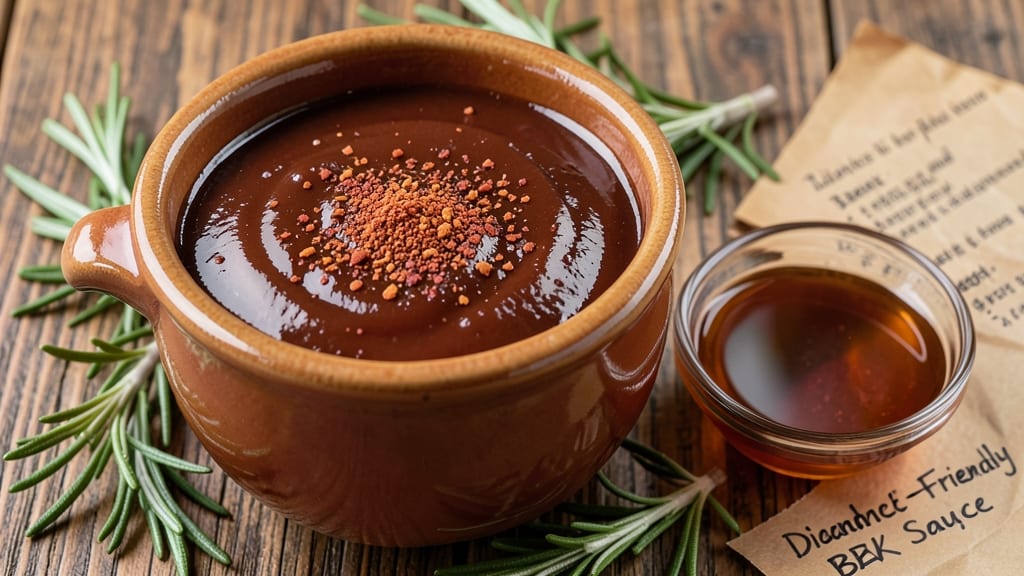
This diabetic BBQ sauce recipe delivers all the smoky-sweet flavor you love without the sugar spike—perfect for grilling, slow-cooking, or dipping. The secret lies in balancing tangy vinegar, rich tomato base, and carefully measured sugar substitutes like erythritol or monk fruit to mimic that classic caramelized depth.
I developed this after years of testing diabetic-friendly versions that still pack bold BBQ punch, and it’s now my go-to for ribs, pulled pork, or even baked beans.
The foundation starts with a rich tomato base—simmered with apple cider vinegar for tang and smoked paprika for that signature depth. Instead of sugar, we use a blend of erythritol and a pinch of stevia to achieve just the right sweetness without spiking blood sugar.
The sauce thickens naturally as it reduces, creating that ideal glossy consistency without added cornstarch or gums. What makes this recipe stand out is how it maintains that authentic BBQ flavor while being completely sugar-free.
By the end, you’ll have a sauce that’s smoky, tangy, and just sweet enough—ideal for glazing meats, basting vegetables, or serving as a dipping sauce. The best part?
It keeps well in the fridge for up to 2 weeks or can be frozen for 3 months, so you’ll always have a healthy, flavorful option on hand. No artificial sweeteners or aftertaste here—just pure, balanced BBQ flavor that won’t derail your diet.
Whether you’re managing diabetes or simply cutting back on sugar, this sauce proves you don’t have to sacrifice taste for health. It’s the kind of recipe that transforms ordinary meals into something special—without the guilt. Let’s get started on making yours today.
Ingredients for diabetic bbq sauce
This smoky-sweet diabetic BBQ sauce starts with tomato paste and vinegar—no sugar crash here.
| Ingredient | Amount | Notes |
|---|---|---|
| Tomato Paste 🍅 | ½ cup | High-quality, no added sugar |
| Apple Cider Vinegar 🍏 | ¼ cup | Raw, unfiltered preferred |
| Water 💧 | ½ cup | Filtered or bottled |
| Erythritol 🍬 | ¼ cup | Granulated, sugar-free |
| Stevia Powder 🌿 | ½ tsp | Pure, no fillers |
| Smoked Paprika 🌶️ | 1 tbsp | High-quality, smoky flavor |
| Garlic Powder 🧄 | 1 tsp | Freshly ground preferred |
| Onion Powder 🧅 | 1 tsp | Fine grind for smooth texture |
| Mustard Powder 🍯 | ½ tsp | Yellow or Dijon preferred |
| Ground Black Pepper 🌶️ | ½ tsp | Freshly cracked for intensity |
| Salt 🧂 | 1 tsp | Diamond Crystal kosher salt |
| Monk Fruit Sweetener 🍯 | ¼ tsp | Optional, for extra sweetness |
The tomato paste is your flavor foundation—Mueller's or Hunt's no-sugar-added are my go-tos, but any quality canned paste works. Apple cider vinegar adds that signature tang, and raw, unfiltered brands like Bragg's have more depth than distilled. For the sweeteners, erythritol is my staple—it mimics sugar's texture perfectly, while stevia boosts sweetness without bulk. Wholesale clubs like Costco often have bulk erythritol at great prices, but the small jars at Trader Joe's are perfect for occasional use. Monk fruit is optional but adds a natural caramel note without glycemic impact.
No erythritol? Allulose or xylitol work too, but erythritol is the closest to real sugar in texture. Skip the vinegar? Lemon juice at half the amount gives brightness, though it lacks that BBQ depth. The smoked paprika is non-negotiable—Penzeys or Gourmet Garden brands have the richest smoke flavor. For extra tang, a splash of red wine vinegar (1 tsp) works in a pinch. The powders (garlic, onion, mustard) can be swapped for fresh if you're feeling fancy—just sauté them first to develop flavor. Pre-ground spices are fine, but toasting whole spices briefly before grinding takes this to restaurant level.
This sauce thickens as it reduces, so no cornstarch needed. Store in a clean glass jar with a tight seal—keeps for 2 weeks in the fridge or 3 months frozen. For freezing, portion into ice cube trays first, then transfer to a bag. The flavors actually deepen overnight, so double the batch if you're using it for a big cookout. Leftovers? Perfect for quick marinades or stir-fry glazes—just thin with a splash of water or broth.
Why You'll Love This Recipe
- Five-Ingredient Magic: I swear by this—just tomato paste, vinegar, water, and two sweeteners. That’s it. No fussing with onions or garlic if you don’t want to, and the erythritol-stevia combo keeps it sweet without the sugar crash. Honestly, my lazy Sundays just got better.
- Smoky-Sweet Balance: The apple cider vinegar cuts through the richness of the tomato paste, while the erythritol gives that caramelized depth without spiking blood sugar. Slather it on grilled chicken or baked beans, and you’ll taste that perfect tangy-sweet harmony every time. (Yes, even on a Tuesday night.)
- Meal Prep MVP: Make a big batch—this sauce lasts forever in the fridge. Use it for slow-cooker pulled pork, drizzle it over roasted veggies, or toss it with cabbage slaw. I’ll be real: I’ve had it last three weeks in my fridge, and it’s still the star of whatever I’m cooking.
- Budget-Friendly Flex: Tomato paste and vinegar are cheap staples, and erythritol goes a long way. You’re not just saving money—you’re getting a sauce that works for barbecues, weeknight dinners, or even as a marinade. Not the prettiest, but the taste makes up for it every time.
Step-by-step instructions for diabetic BBQ sauce
Here's how to craft a rich, smoky sauce that balances bold flavor without sugar spikes.
Bloom the Spices in Tomato Paste
In a medium saucepan over medium heat, add the 0.5 cup tomato paste and let it sit undisturbed for 2-3 minutes. This step develops depth of flavor as the paste warms and releases its natural oils. Stir occasionally to prevent scorching—you're looking for a smooth, thick base that coats the back of a spoon.
Once the paste begins to bubble gently, add the 1 tbsp smoked paprika, 1 tsp garlic powder, 1 tsp onion powder, 0.5 tsp mustard powder, 0.5 tsp ground black pepper, and 1 tsp salt. Stir continuously for 1-2 minutes until the spices are fully incorporated and the mixture smells richly aromatic. This is where the sauce's smoky backbone forms, so don't rush it.
Deglaze and Simmer the Base
Pour in the 0.25 cup apple cider vinegar and scrape the bottom of the pan vigorously with a wooden spoon to release all the browned bits. These caramelized particles carry intense flavor—don't miss this step. Let the mixture bubble vigorously for 1 minute to cook off the sharpness of the vinegar.
Next, add the 0.5 cup water and bring everything to a gentle simmer. Reduce the heat to low and let it cook uncovered for 10-12 minutes, stirring occasionally. You're aiming for a thick, syrupy consistency—if it gets too thin, the sauce won't coat properly. The sauce should reduce enough to coat the back of a spoon but still be pourable.
Sweeten with Sugar-Free Alternatives
In a small bowl, whisk together the 0.25 cup erythritol, 0.5 tsp stevia powder, and 0.25 tsp monk fruit sweetener until fully combined. This sugar-free blend will provide the same caramelized depth as traditional sugar without spiking blood glucose levels. Sprinkle the sweetener mixture into the simmering sauce and stir well to dissolve completely.
Let the sauce simmer for another 5-7 minutes, stirring frequently, until it reaches your desired thickness. The erythritol will crystallize slightly as it cools—this is normal and doesn't affect flavor. Taste and adjust seasoning if needed, adding a pinch more salt or smoked paprika if the sauce needs more depth. The final product should be thick enough to cling to ribs or chicken but still glaze properly.
Finish and Store Properly
Remove the sauce from heat and let it cool for 5 minutes. The texture will thicken further as it cools—this is expected. For a smoother finish, transfer the sauce to a blender and blend briefly to eliminate any graininess from the erythritol. If you prefer a slightly chunkier texture, skip blending.
Store the sauce in an airtight container in the refrigerator for up to 2 weeks or freeze for up to 3 months. When ready to use, reheat gently on the stove or microwave until warmed through. This sauce works beautifully on grilled meats, baked beans, or as a dip for veggie sticks—just avoid boiling it after it's cooled to prevent sugar crystallization.
Pro Tips For Making Diabetic Bbq Sauce
- Simmer Slow and Steady: I learned this the hard way—rushing the sauce on high heat turns it into glue. Keep it at a gentle simmer (3-5 minutes) so the tomato paste blends smoothly without burning. You’re not making jam here.
- Bloom the Vinegar First: Skip the immediate mixing—heat the apple cider vinegar alone for 30 seconds first. This chases away the sharp edge so it integrates into the sauce like a smooth tang, not a punch to the throat. (Yes, even if you’re impatient like me.)
- Measure Sweeteners Pre-Simmer: Dumping erythritol and stevia powder in at the end? You’ll end up with clumps or uneven flavor. Whisk them into the water first, then add the mixture to the pot. This guarantees they dissolve completely—no gritty surprises later.
- Taste Early, Adjust Late: After 5 minutes of simmering, take a spoonful. The vinegar and tomato paste can trick you into thinking it’s too sweet or sour. Wait another 2 minutes before tweaking—your palate will thank you for not overcorrecting. (Your future self will too.)
Serving suggestions for this diabetic bbq sauce
Grilled Meat Glazes
This sauce transforms grilled meats into showstoppers. Brush it on pork ribs during the last 10-15 minutes of cooking for a sticky, caramelized crust. For chicken thighs, apply a thin layer after searing and grill skin-side down until the sauce darkens slightly.
I love using it on beef brisket too—just add a splash of beef broth to thin it slightly before basting. 🔥
Slow-Cooked Comfort
Perfect for pulled pork or beef short ribs, this sauce adds depth without overpowering. Toss 2 cups cooked pulled pork with ¼ cup sauce and let it sit for 5 minutes before serving.
For baked beans, simmer 1 can of beans with ½ cup sauce and a pinch of cinnamon for 20 minutes—the flavors meld beautifully. The key is patience: let the sauce penetrate the meat gradually.
Dipping Sauce Magic
Serve with crispy baked chicken tenders, cauliflower wings, or veggie sticks for a healthier dip option. Thin with 2 tbsp water for a dippable consistency, then chill for 30 minutes to let flavors meld.
I keep a small jar in my fridge for quick snacks—it’s a game-changer for kids’ meals too. Add a sprinkle of crumbled feta for a tangy twist.
Breakfast Twist
Use it as a glaze for breakfast sausages or drizzle over scrambled eggs with smoked paprika. For a smoky omelet, stir 1 tbsp sauce into the eggs before cooking.
Even pancakes get a BBQ upgrade—just brush a thin layer on warm stacks. The sweetness balances the richness of eggs perfectly. 💫
Salad Dressing Upgrade
Whisk 2 tbsp sauce with 3 tbsp olive oil and 1 tbsp apple cider vinegar for a bold salad dressing. Toss with arugula, cherry tomatoes, and grilled chicken for a smoky-sweet contrast.
For a creamy version, mix with ¼ cup Greek yogurt and a dash of lemon juice. This dressing elevates simple greens to restaurant-worthy levels.
Storage Hacks
Double the batch and freeze half for future use. Portion into ice cube trays, then transfer to a bag—thaw just what you need. Reheat gently on the stove with 1 tsp water to restore consistency.
The sauce thickens when cooled, so thin with a splash of water if needed. Keep a small jar in your fridge for quick glazing or dipping. ✨
Nutrition facts
Frequently asked questions
Can I substitute erythritol with another sweetener?
Yes! You can use allulose or monk fruit sweetener in a 1:1 ratio, though erythritol gives the closest texture to sugar. For a more intense sweetness, try stevia liquid drops (reduce by half) or xylitol (use 3/4 the amount). Always taste as you go—some sweeteners have aftertastes that may need balancing with extra spices like smoked paprika or a pinch of cinnamon.
Why does my sauce turn grainy after cooling?
This happens when erythritol crystallizes as it cools—completely normal! To prevent it, blend the warm sauce briefly or stir in 1 tsp water while hot to dissolve the crystals. For a smoother finish, reheat gently and stir until fully combined. The texture won't affect flavor, but blending removes any visible graininess.
How do I make this sauce spicier?
Add ½ tsp cayenne pepper or 1 tsp chipotle powder while simmering for heat. For a smoky kick, increase smoked paprika to 2 tbsp total. If you prefer fresh heat, stir in 1 tbsp finely chopped jalapeño at the end. Always taste first—spices intensify as the sauce cools.
Can I use this sauce on vegetables?
Toss roasted brussels sprouts, asparagus, or sweet potatoes with 1 tbsp sauce per pound and roast at 400°F for 20-25 minutes. The smoky-sweet flavor pairs beautifully with grilled zucchini or eggplant. For extra richness, drizzle with 1 tsp olive oil before applying the sauce.
Will this sauce work in a slow cooker?
Yes! Combine all ingredients in your slow cooker and cook on LOW for 3-4 hours, stirring occasionally. The longer cook time enhances flavors but may require thinning with 1-2 tbsp water if it gets too thick. For a quicker version, use HIGH for 1.5 hours. The slow cooker method is perfect for making large batches ahead of time.