
Sauces & Condiments
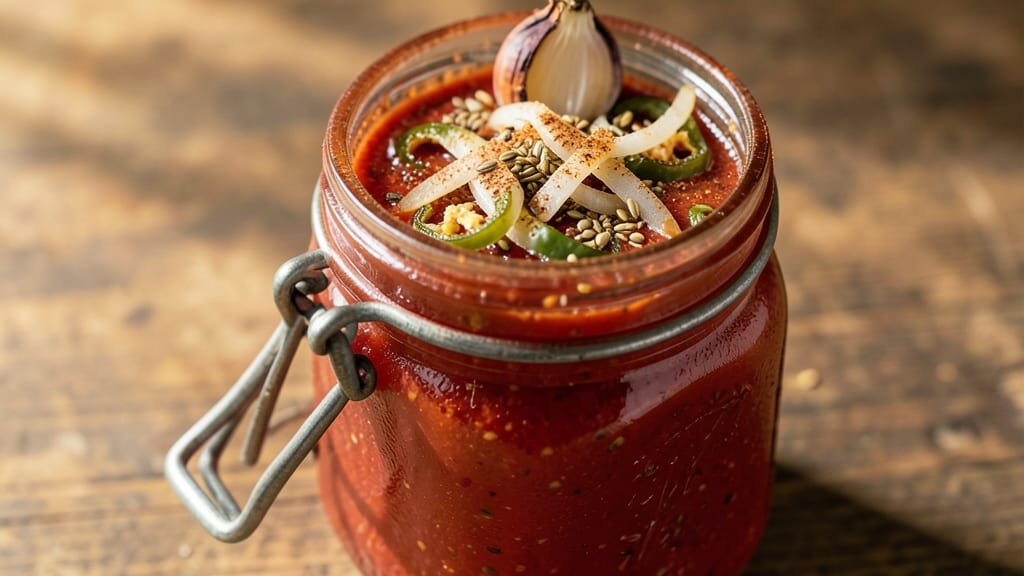
This homemade canned picante sauce delivers bold, smoky heat that rivals store-bought versions—but with fresh ingredients and customizable spice levels. The process is straightforward: simmer tomatoes, peppers, and aromatics until tender, then blend and can for long-term storage.
I’ve perfected this recipe over years of testing, ensuring every batch delivers that signature tangy, spicy kick without artificial additives.
The foundation of great picante sauce lies in balancing acidity, heat, and depth. A mix of vinegar and citrus brightens the flavor, while smoked paprika and cayenne add layers of complexity.
Unlike jarred sauces, this version keeps its vibrant color and intense flavor for months. The sterilization process ensures safety while preserving the sauce’s fresh taste—no bland aftertaste here.
What you’ll end up with is a versatile, restaurant-quality sauce that elevates tacos, grilled meats, or even dips. The texture is smooth yet slightly textured, with a heat that builds gradually. Best of all, you control the spice level—adjust cayenne to your tolerance while keeping the tangy-sweet balance intact.
This isn’t just a pantry staple; it’s a flavor booster that transforms everyday meals.
Once canned, the sauce stays fresh for up to a year, making it perfect for bulk prep. Use it in cooking or as a condiment—just remember, the longer it sits, the deeper the flavors develop. Let’s get started on a batch that’ll keep your kitchen stocked with bold, homemade heat.
Ingredients for canned picante sauce
Fresh tomatoes, peppers, and aromatic spices transform into bold picante sauce—ready to can and savor for months.
| Ingredient | Amount | Notes |
|---|---|---|
| Roma Tomatoes 🍅 | 6 lb | Ripe, firm, and unblemished |
| Jalapeño Peppers 🌶️ | 4 whole | Seeds removed for mild heat |
| Serrano Peppers 🌶️ | 2 whole | Seeds removed for medium heat |
| White Onions 🧅 | 2 whole | Medium size, roughly chopped |
| Garlic Cloves 🧄 | 6 cloves | Fresh, peeled and minced |
| Smoked Paprika 🌶️ | 3 tbsp | High-quality for smoky depth |
| Ground Cayenne Pepper 🔥 | 1 tbsp | Adjust for desired heat level |
| Apple Cider Vinegar 🍎 | ½ cup | White vinegar works too |
| Fresh Lime Juice 🍋 | ¼ cup | Freshly squeezed for brightness |
| Salt 🧂 | 2 tbsp | Diamond Crystal preferred |
| Cumin Seeds 🌿 | 1 tsp | Toasted for deeper flavor |
| Coriander Seeds 🌿 | 1 tsp | Toasted and ground |
The tomatoes are the backbone here—Roma tomatoes are ideal because they’re meaty and less watery than other varieties. Local farmers markets often have them in season, but the grocery store usually carries them year-round. Look for ones that are firm but yield slightly to pressure. The peppers are where you control the heat: jalapeños for mild kick and serranos for medium heat. If you want extra smokiness, add a pinch of chipotle powder, but the smoked paprika already delivers that depth. For the spices, Penzeys or bulk bins at Whole Foods offer the best quality—freshly toasted cumin and coriander make all the difference.
No Roma tomatoes? San Marzano canned tomatoes work in a pinch, but they’ll dilute the sauce slightly. Skip the seeds in your peppers for a milder heat, or keep them for extra spice—just adjust the cayenne accordingly. Fresh lime juice is non-negotiable for that bright tang, but if you’re out, lemon juice at the same amount works fine. The vinegar balances everything, so don’t skimp. For the spices, if you don’t have coriander seeds, ground coriander at half the amount is a decent swap. And if you’re canning a large batch, double the spices to keep the flavor consistent across jars.
This sauce is made to last—properly canned, it stays vibrant for up to 1 year in a cool, dark pantry. The sterilization process is key, so don’t rush it. I like to label my jars with the date and spice level (mild/medium/hot) so I can track batches. Once opened, transfer any leftovers to the fridge and use within 2 weeks. The flavor actually deepens over time, so the longer it sits, the better it gets. Store extra in the freezer for up to 6 months if you’re not canning a huge batch.
Why You'll Love This Recipe
- No Chopping Needed: I swear by this trick—just dump whole Roma tomatoes and jalapeños into the pot. The heat softens them perfectly, so you’re not stuck dicing anything. My lazy days just got a flavor upgrade.
- Smoky Heat Magic: That char from the serrano peppers and garlic? It’s the secret weapon. The onions caramelize just enough to balance the fire, and honestly? It’s the kind of sauce that makes you reach for it twice before you even leave the table.
- Weeknight Meal MVP: Tacos, eggs, grilled cheese—this sauce does it all. I keep a jar in the fridge because it turns even the simplest meal into something special. (Yes, even on a Tuesday night when you’re too tired to think.)
- Dollar Stretch Wonder: Roma tomatoes and onions are cheap, and a few peppers go a long way. You’ll end up with enough sauce to feed the family for days, and the best part? It tastes like you slaved over it—even though you didn’t. Budget win.
Step-by-step instructions for homemade picante sauce
Transforming fresh ingredients into rich, smoky picante sauce takes just a few focused steps.
Toast the Spices for Maximum Flavor
In a dry skillet over medium heat, toast the 1 teaspoon cumin seeds and 1 teaspoon coriander seeds for 2-3 minutes until fragrant and lightly golden. You'll smell their nutty aroma filling your kitchen—this is where the depth of flavor begins. Immediately transfer the toasted seeds to a spice grinder or mortar and pestle and grind them into a fine powder. Set aside for now; we'll use this aromatic foundation later.
Toasted spices develop complex flavors that store-bought powders simply can't match. If you don't have a grinder, let the seeds cool slightly and crush them with a rolling pin on a cutting board—just be patient for that coarser texture. The key is to work quickly before the spices lose their heat and aroma.
Roast Tomatoes, Peppers, and Onions for Sweet Depth
Preheat your oven to 450°F. On two separate baking sheets, spread the 6 pounds Roma tomatoes (halved), 4 whole Jalapeño peppers (seeds removed), 2 whole Serrano peppers (seeds removed), and 2 whole white onions (roughly chopped) in a single layer. Roast for 25-30 minutes until the tomatoes are blistered and the onions are caramelized at the edges. You'll know they're perfect when the tomatoes smell sweetly concentrated and the peppers develop deep, smoky char marks.
Roasting intensifies natural sugars and develops complex flavors that raw ingredients can't achieve. I like to rotate the pans halfway through for even browning. Watch them carefully—they'll continue cooking after you remove them from the oven. Let everything cool slightly before handling; the skins will be delicate after roasting.
Blister the Garlic and Build the Base
While the vegetables cool, heat a large pot over medium heat and add the 6 cloves minced garlic. Cook for 1-2 minutes until fragrant but not browned—you want that sweet garlic aroma without bitterness. Immediately add the roasted vegetables to the pot along with the 3 tablespoons smoked paprika and 1 tablespoon ground cayenne pepper. Stir well to combine all ingredients.
This is where the magic happens—the smoky paprika and cayenne mingle with the roasted vegetables to create an aromatic base. The garlic should be just cooked through but still vibrant in color. If you notice any raw garlic pieces, give them another 30 seconds to cook through completely. The heat from the pot will help release the juices from the roasted vegetables.
Simmer and Reduce for Concentrated Flavor
Pour in the 0.5 cup apple cider vinegar and 0.25 cup fresh lime juice, then add the toasted spice powder. Bring the mixture to a boil, then reduce heat to low and simmer uncovered for 45-60 minutes, stirring occasionally. You'll notice the sauce gradually thicken as it reduces, developing a deep, glossy consistency. The aroma should become more intense, with layers of smoky, tangy, and slightly sweet notes.
This long simmering time is crucial—it allows all the flavors to meld together and develop complexity. I like to taste the sauce occasionally (after the initial boil) to monitor the heat level. If it's too spicy for your taste, add a pinch more salt or a splash of water to mellow it out. The sauce should coat the back of a spoon with a velvety texture by the end.
Finish with Salt and Adjust Consistency
Remove the sauce from heat and stir in the 2 tablespoons salt. Let it cool for 10 minutes, then taste and adjust seasoning if needed. For a smoother texture, blend the sauce using an immersion blender or transfer to a countertop blender. If you prefer some texture, leave it slightly chunky. The sauce should be thick enough to coat the back of a spoon but still pourable—if it's too thick, thin it with 1-2 tablespoons water at a time until you reach your desired consistency.
This homemade picante sauce will keep in the refrigerator for up to 2 weeks or can be canned for longer storage. The flavors actually improve over time as they continue to meld. Serve it with grilled meats, tacos, or as a dip for tortilla chips—just remember, the heat builds as it cools, so start with small portions if you're sensitive to spice.
Pro Tips For Making Canned Picante Sauce
- CHAR THE TOMATOES FIRST: I learned this the hard way—skipping the char on the tomatoes makes your sauce taste dull. Blacken the Roma tomatoes over a gas flame or in a screaming-hot skillet for 2-3 minutes per side before peeling. That smoky depth is what turns good picante into great picante.
- PEEL AND SEED JALAPEÑOS: Whole jalapeños? Nope. The seeds and membranes pack bitterness that overpowers the sauce. Slit them open, scrape out the seeds with a spoon, then peel off the skin after blanching—it’s fiddly, but your sauce will thank you. (Yes, even if you’re impatient like me.)
- SWEAT THE ONIONS LOW: After burning three batches, I finally figured out: onions caramelize before they burn. Cook them on medium-low heat for 8-10 minutes until translucent but not brown—just soft enough to blend into oblivion. Rushed onions = gritty sauce.
- USE FROZEN GARLIC FOR FLAVOR: Sounds weird, but it works: frozen garlic cloves release flavor more evenly than raw minced garlic, which can taste sharp and unfinished. Toss 4-5 cloves (peeled) into the pot with the tomatoes—they’ll soften and infuse without overpowering. (Your future self will thank you.)
Best sauces and condiments for this recipe
Classic Pairings
This homemade picante sauce shines best with grilled meats like skirt steak or chicken thighs—its smoky depth complements charred surfaces beautifully. I love drizzling it over tacos al pastor or using it as a marinade base for carne asada.
The acidity also cuts through rich dishes like black beans or refried beans, making it perfect for breakfast burritos. 🌶️
Dips and Spreads
Thin it slightly with water or broth to create a tortilla chip dip that’s tangy, spicy, and irresistible. I serve it at parties with baked tortilla chips and a side of queso fresco for dipping.
It also works as a guacamole companion—the heat balances the creamy avocado perfectly. For a smoky twist, add a dollop to queso dip before baking.
Sauce Enhancements
Boost the sauce’s complexity by stirring in 1 tablespoon of honey or agave for a sweet-spicy balance. I also like adding 1 teaspoon of chipotle powder for extra smokiness or a pinch of cinnamon for warmth.
For a creamy version, whisk in 2 tablespoons of sour cream or Greek yogurt per cup of sauce—great for drizzling over tostadas or enchiladas.
Global Twists
Transform it into a picante mayo by mixing equal parts with mayonnaise for sandwiches or burgers. In Vietnamese-style, stir in fish sauce and lime zest for a bold dipping sauce.
For a Mexican street corn twist, blend it with cotija cheese and chili powder—perfect for grilled corn on the cob. The possibilities are endless! ✨
Storage Hacks
After canning, store jars in a cool, dark pantry for up to 1 year. For quick access, freeze individual portions in ice cube trays—thaw and use directly in recipes.
If the sauce thickens after opening, thin it with warm water or broth to restore consistency. Label jars with the spice level (mild/medium/hot) to track batches easily.
Flavor Boosters
Add 1 teaspoon of liquid smoke for deeper smokiness or 1 tablespoon of coffee for a mocha-chili kick. For a fruitier profile, blend in ½ cup of mango purée—great for salsa or marinades.
If you love umami, stir in 1 teaspoon of soy sauce or miso paste per batch. These tweaks let you customize the sauce to match any dish! 💡
Nutrition facts
Frequently asked questions
Why does my homemade picante sauce taste too thin?
The sauce should naturally thicken during the 45-60 minute simmer. If it's too thin, reduce it further over low heat for another 15-20 minutes, stirring occasionally. For immediate results, blend the sauce and then simmer again to evaporate excess liquid. If you prefer a thicker consistency, use Roma tomatoes (they have less water than other varieties) and avoid adding extra water during blending.
Can I use canned tomatoes instead of fresh?
Yes, but you'll need to adjust the recipe slightly. Use 4 (28 oz) cans of crushed tomatoes instead of fresh, and reduce the simmering time to 30-40 minutes since canned tomatoes are already cooked. Skip the roasting step and add 1 tablespoon of tomato paste for better thickness. The flavor will be slightly different but still delicious—just expect less depth from roasted vegetables.
How do I adjust the heat level?
Start with the 1 tablespoon cayenne pepper for medium heat, then adjust by adding ½ teaspoon more for extra spice or reducing to ½ tablespoon for milder sauce. For heat control, remove pepper seeds before roasting—jalapeños with seeds give more kick than seedless. If your sauce is too spicy, balance it with 1 extra tablespoon of lime juice or ½ teaspoon sugar to mellow the heat.
What's the best way to sterilize jars for canning?
Boil jars and lids in water for 10 minutes before filling, then keep them hot until ready to use. For lids, boil them separately for 5 minutes to ensure a proper seal. After filling, wipe jar rims with a clean cloth to remove any residue, then place lids on and screw bands tightly. Process in a water bath for 15 minutes (adjust for altitude if needed). Proper sterilization prevents spoilage and preserves the sauce's freshness for up to 1 year.
Can I make this sauce without a blender?
For a chunkier texture, simply mash the roasted vegetables with a potato masher or fork after simmering. Strain through a fine-mesh sieve if you prefer a smoother sauce without blending. The key is to ensure all ingredients are well combined—simmering helps break down the vegetables naturally. If you want extra smoothness, transfer the sauce to a food mill or use a ricer for a silky consistency.