
Sauces & Condiments
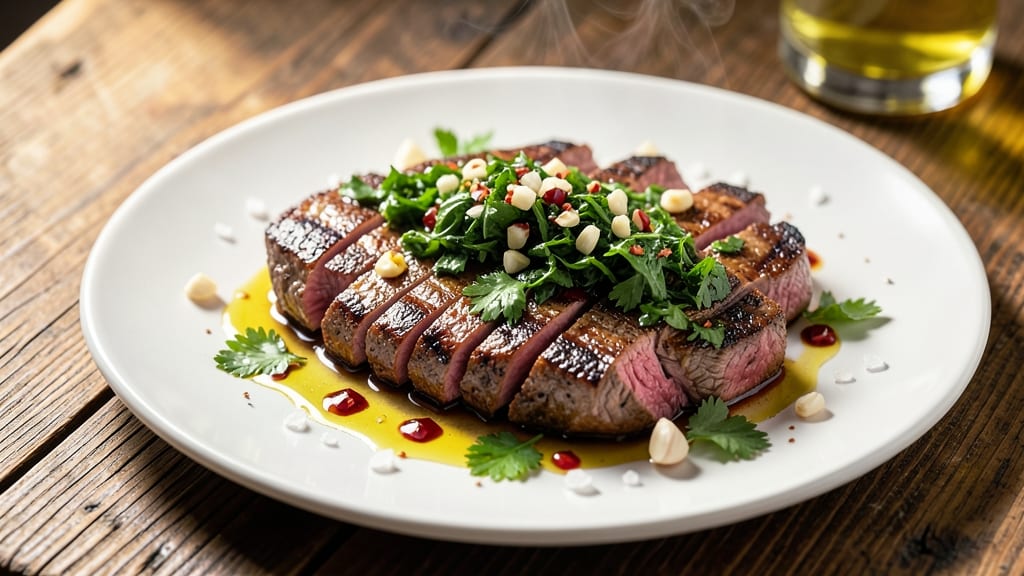
This Argentinian skirt steak with chimichurri sauce recipe delivers bold, smoky flavors that transform a simple weeknight dinner into an unforgettable experience. The secret lies in high-heat searing and a vibrant chimichurri sauce that cuts through the richness with bright herbaceous notes.
I've perfected this technique after years of grilling, ensuring every bite achieves that signature char and tender interior.
What sets this recipe apart is the authentic Argentinean approach—thinly sliced skirt steak cooked over blazing heat for just minutes, then rested properly to retain juices. The chimichurri sauce, made with fresh parsley, garlic, and red wine vinegar, requires no cooking, preserving its vibrant green color and peppery kick.
This combination creates a dish that's both restaurant-worthy and surprisingly simple to prepare at home.
By the time you serve this dish, you'll have perfectly seared steak with a caramelized crust and tender, juicy meat inside, all paired with a sauce that adds freshness and complexity. The high heat and quick cooking time ensure the steak stays tender while developing that essential smoky flavor.
This recipe is designed to impress without requiring advanced skills—just attention to timing and proper resting.
The result is a dish that pairs beautifully with grilled vegetables, crusty bread, or a simple salad. The chimichurri sauce can be made ahead, allowing you to focus on the steak when the moment arrives.
Let's create this Argentinean classic that will become your new go-to for special occasions or spontaneous dinner parties.
Ingredients for argentinian skirt steak with chimichurri sauce
Thinly sliced skirt steak and vibrant chimichurri transform a simple dinner into an Argentinean masterpiece.
| Ingredient | Amount | Notes |
|---|---|---|
| Argentinian Skirt Steak 🥩 | 1 ½ lb | Thinly sliced against grain, 1/4-inch thick |
| Fresh Parsley Leaves 🌿 | 1 ½ cups | Flat-leaf preferred, tightly packed |
| Garlic Cloves 🧄 | 8 cloves | Fresh, unpeeled for crushing |
| Red Wine Vinegar 🍷 | ½ cup | High-quality, aged minimum 1 year |
| Extra-Virgin Olive Oil 🫒 | ¾ cup | Fruity, peppery variety preferred |
| Red Pepper Flakes 🌶️ | 1 tsp | Adjust for heat preference |
| Kosher Salt 🧂 | 1 ½ tbsp | Diamond Crystal preferred |
| Ground Black Pepper 🌶️ | 1 tsp | Freshly cracked preferred |
| Red Onion 🧅 | 1 whole | Thinly sliced for garnish |
| Lemon 🍋 | 1 whole | Juiced, seeds removed |
| Fresh Oregano Leaves 🌿 | ¼ cup | Optional, for chimichurri depth |
| Cornstarch 🌾 | 1 tbsp | For steak coating |
| Vegetable Oil 🫒 | ½ cup | High smoke point for searing |
The skirt steak is non-negotiable for this dish—look for well-marbled cuts with even thickness throughout. Whole Foods or local butchers carry the best quality, often pre-sliced for convenience. If buying whole, slice against the grain into 1/4-inch thick strips using a sharp knife. The steak should be cold when sliced to prevent tearing. For the parsley, farmers markets offer the freshest leaves, but grocery store bundles work if they're vibrant green and tightly packed. Avoid wilted stems or yellowing leaves, which indicate age and diminished flavor.
No red wine vinegar? Apple cider vinegar works in a pinch, though it lacks the depth of flavor. The olive oil should be extra-virgin with noticeable peppery bite—California or Italian varieties from specialty stores excel here. Substituting dried oregano for fresh? Use one-third the amount, but fresh is ideal for that bright, herbal punch. The cornstarch coating creates a delicate crust—don't skip it, as it helps the steak sear evenly. For the red onion, purple or red varieties add the most vibrant color contrast to the dish. If you can't find fresh oregano, Mexican oregano from Latin markets offers a more authentic profile.
The chimichurri sauce keeps for 5-7 days in an airtight container in the fridge, though it's best used within 3 days for peak freshness. The steak itself should be cooked just before serving—it reheats poorly. For meal prep, make the chimichurri sauce ahead and store it separately. The steak can be sliced and chilled for up to 2 hours before cooking, but bring it to room temperature first. If storing leftovers, keep the sauce and steak separate to maintain texture. The sauce freezes beautifully for up to 3 months, though texture may slightly soften upon thawing.
Why You'll Love This Recipe
- Five-Ingredient Magic: I swear by this recipe because it’s that simple—just steak, parsley, garlic, vinegar, and oil. No fancy gadgets, no last-minute grocery runs. The chimichurri comes together in minutes while the steak sears, and honestly? That’s all you need for something that feels like a restaurant-worthy meal.
- Herb Bomb Flavor: Between us, the chimichurri is where it’s at—bright, garlicky, and tangy from that red wine vinegar. The parsley isn’t just garnish; it’s the star, turning every bite into this fresh, herby explosion that makes the steak taste like it’s been kissed by the Argentine countryside.
- Weeknight or Weekend: This steak is my go-to for everything—grilling in the backyard, a quick dinner after work, or even a fancy-ish date night. (Yes, even on a Tuesday night.) The chimichurri keeps well, so you can toss it on anything—eggs, roasted veggies, or even sandwiches—without breaking a sweat.
- Budget Steak, Big Payoff: Skirt steak is affordable, and a single cut feeds four easily. Leftovers? I freeze the extra chimichurri in ice cube trays—just thaw and drizzle. It’s my secret weapon for stretching meals without sacrificing flavor, and trust me, no one will guess it’s budget-friendly.
Step-by-step instructions for Argentinian skirt steak with chimichurri
Master this technique and you'll achieve perfectly seared skirt steak with vibrant chimichurri that brightens every bite.
Prepare the Skirt Steak for Optimal Texture
Pat the 1.5 lb Argentinian skirt steak completely dry with paper towels, pressing firmly to remove all moisture. This step is non-negotiable - any surface water will prevent proper browning. Using a sharp knife, slice the steak against the grain into ¼-inch thick strips, working carefully to maintain even thickness throughout.
Transfer the sliced steak to a bowl and sprinkle evenly with 1.5 tbsp kosher salt and 1 tsp ground black pepper. Use your hands to massage the seasoning into every surface, ensuring the marinade will penetrate completely. Let the steak sit at room temperature for 20-30 minutes while you prepare the chimichurri. This resting period ensures even cooking and prevents cold spots in the center.
Create the Chimichurri Sauce with Perfect Balance
In a food processor, combine the 1.5 cups fresh parsley leaves, 0.25 cup fresh oregano leaves, 8 cloves garlic cloves (peeled), 1 tsp red pepper flakes, and 1.5 tbsp kosher salt. Pulse until finely chopped but not pureed - you want visible texture in the sauce. Transfer to a bowl and whisk in the 0.5 cup red wine vinegar and 0.75 cup extra-virgin olive oil until fully emulsified. Taste and adjust seasoning if needed.
The chimichurri should be vibrant green with a bright, herby aroma. I like to let it sit for 10 minutes before serving to allow the flavors to meld. This sauce contains no cooking liquid, so it won't dilute when mixed with the steak. Keep it at room temperature until ready to use - it's best served immediately after preparation.
Sear the Skirt Steak to Restaurant-Quality Perfection
Heat 0.5 cup vegetable oil in a large skillet over medium-high heat until shimmering but not smoking. Working in batches if needed, add the sliced steak and cook undisturbed for 1-2 minutes per side until deeply browned and just cooked through. The steak should develop a beautiful crust while remaining tender inside - it's crucial not to overcook.
As each batch cooks, transfer the steak to a warm plate and tent loosely with foil. The residual heat will keep it warm while you finish the remaining batches. For maximum flavor, I recommend cooking the steak in batches rather than overcrowding the pan. The high heat and proper oil temperature are what create that coveted caramelized crust we're after.
Assemble and Serve with Confident Technique
Return all the seared steak to the skillet and pour 2-3 tablespoons of the chimichurri sauce over the top. Toss gently to coat the steak evenly with the vibrant green sauce. The acidity in the chimichurri will help cut through any richness while adding bright, fresh flavor.
Divide the steak among 4 plates, garnishing each portion with additional chimichurri and thinly sliced red onion from the whole red onion. A final squeeze of lemon juice from the whole lemon (about 1 tbsp) adds a bright finishing touch. Serve immediately while the steak is still hot and the chimichurri maintains its vibrant color.
Optional Cornstarch Crust for Extra Texture
For an additional textural element, mix the 1 tbsp cornstarch with 2 tablespoons water to create a slurry. Just before serving, drizzle this over the hot steak and toss gently. The cornstarch will create a light, crisp coating that contrasts beautifully with the tender meat and fresh chimichurri.
This optional step adds a delightful crunch that elevates the dish to restaurant-quality levels. The cornstarch mixture should be used immediately before serving to create the crisp texture. If you choose to skip this step, the dish remains excellent - this is simply an enhancement for those seeking extra texture.
Pro Tips For Making Argentinian Skirt Steak With Chimichurri Sauce
- Sear in Stages: Hit the steak with a screaming-hot pan first—just 30 seconds per side—then pull it off to rest while you finish the chimichurri. That quick blast locks in juices without turning the edges to charcoal before the sauce even touches it. (Yes, even if you’re impatient like me.)
- Pulse the Parsley: Don’t just chop the parsley—pulse it in a food processor with the garlic and a pinch of salt first. You’ll get a finer, more consistent texture that blends into the chimichurri like butter, not like someone threw in a handful of confetti. (I learned this the hard way after serving a sauce that looked like it was still fighting with the knife.)
- Vinegar First, Then Oil: Whisk the red wine vinegar into the chimichurri before adding the olive oil, or you’ll end up with a separated sauce that looks like a science experiment gone wrong. The acid needs to emulsify with the oil, not float on top like a sad little puddle. Stir like you mean it.
- Let the Meat Breathe: Don’t stack the skirt steak slices when serving—arrange them single-layer with space between. Chimichurri works best when it can soak in, not pool like soup. If you’re short on plates, use a wire rack over a tray. (Your guests will notice the difference, even if you don’t.)
Perfect pairings for this recipe
Side Dish Harmony
Grilled asparagus spears with a sprinkle of flaky sea salt and lemon zest provide the perfect balance to rich skirt steak. Toss 1 bunch asparagus in 1 tbsp olive oil, grill for 3-4 minutes per side until tender-crisp. The natural bitterness contrasts beautifully with the chimichurri's brightness. 🌱
Bread Pairings
Serve with crusty sourdough bread or Argentinian facturas (sweet pastries) for a complete experience. The bread soaks up any leftover chimichurri while adding a satisfying texture. For a lighter option, toast baguette slices with garlic butter and sprinkle with Parmesan cheese.
Drink Recommendations
A crisp Argentinian Malbec from Mendoza pairs perfectly with the dish's bold flavors. The wine's dark fruit notes complement the steak's smokiness while the acidity cuts through the richness. For non-alcoholic options, try sparkling water with lime or hibiscus iced tea for a refreshing contrast. 🍷
Vegetable Sides
Roasted zucchini and bell peppers add vibrant color and texture. Toss 2 medium zucchini and 1 red bell pepper in 1 tbsp olive oil, ½ tsp smoked paprika, and salt. Roast at 400°F for 15 minutes until tender. The smoky notes enhance the chimichurri's herbal profile.
Dessert Balance
Finish the meal with dulce de leche almond cookies or limón curd tart to cleanse the palate. The sweetness contrasts the dish's savory elements, leaving a satisfying finish. For a lighter option, serve fresh berries with whipped cream—the acidity brightens the meal's richness. 🍋
Nutrition facts
Frequently asked questions
Can I use skirt steak from other countries instead of Argentinian?
Yes, but quality matters! Argentinian skirt steak is prized for its marbling and tenderness. Look for well-marbled cuts from Australia, New Zealand, or the US (like flank steak, though it's slightly tougher). The key is thin slicing against the grain—this works for any lean cut. For best results, choose a steak with visible fat streaks.
How do I know when the skirt steak is done?
It should reach 135°F internal temp for medium-rare (ideal for skirt steak). Use a meat thermometer to check the thickest slice. The steak will continue cooking slightly after removal due to residual heat. For visual cues, look for a deep brown crust and slightly pink centers.
Can I make chimichurri ahead of time?
Store it in an airtight container in the fridge for 3-5 days. The flavors actually improve slightly as it sits. For longer storage, freeze for up to 3 months. Thaw overnight in the fridge before using. The sauce's vibrant color may darken slightly but the flavor stays bright.
What if my skirt steak turns out tough?
This usually happens from overcooking or thick slices. Always slice against the grain (perpendicular to the muscle fibers) and cook to medium-rare. For extra tenderness, marinate the steak for 30 minutes in lemon juice before cooking. The chimichurri's acidity also helps break down fibers slightly.
Is chimichurri the same as pesto?
No—while both are herb-based sauces, chimichurri is vinegar-based and uncooked, giving it a tangy, bright flavor. Pesto uses nuts, cheese, and olive oil with a richer, creamy texture. Chimichurri's acidity cuts through rich meats perfectly, while pesto pairs better with pasta or grilled fish. Think of it as Argentina's answer to pesto!