
Sauces & Condiments
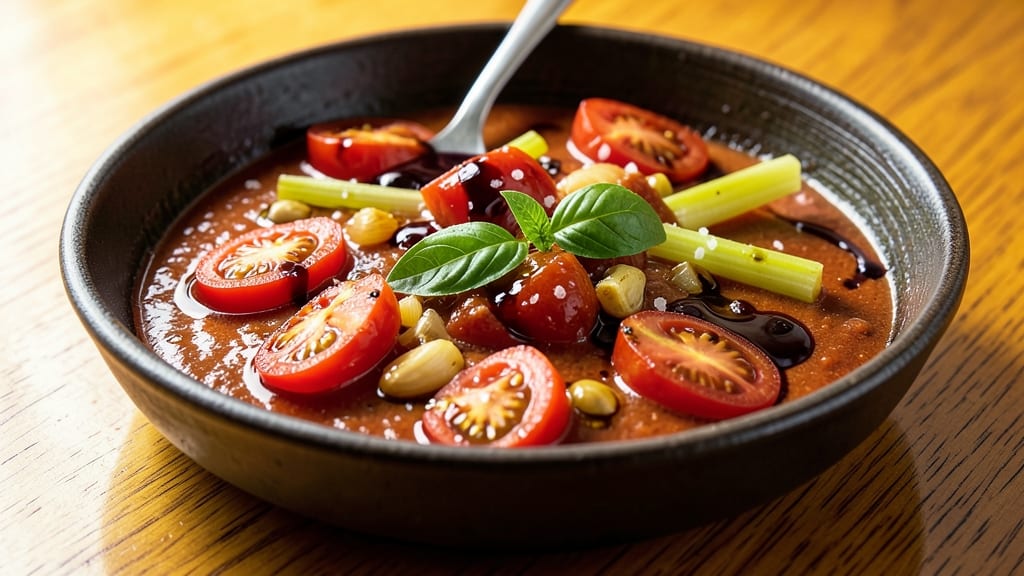
This beefsteak tomato sauce recipe transforms simple ingredients into a rich, umami-packed base that elevates pasta, meatballs, and more. The secret lies in slow-cooking beefsteak tomatoes with aromatic vegetables and a touch of sweetness, creating a sauce that's both bold and balanced.
I developed this recipe after years of testing—it's the one that finally delivers that restaurant-quality depth at home.
What sets this sauce apart is the combination of beefsteak tomatoes (their meaty texture holds up beautifully) and a blend of onions, garlic, and celery that forms the classic "soffritto" base. A splash of red wine adds complexity, while a pinch of sugar helps balance the acidity.
The sauce simmers for hours, allowing flavors to meld and develop that deep, savory character that makes it perfect for coating pasta or spooning over braised meats.
By the time you're done, you'll have a sauce that's rich and velvety with just the right balance of acidity and sweetness. The texture is perfect for tossing with al dente pasta or serving alongside hearty meatballs.
What's even better is that it tastes even more amazing the next day, making it ideal for meal prep.
The beauty of this recipe is its versatility—use it as a base for lasagna, a topping for grilled chicken, or even a dipping sauce for crusty bread.
The slow-cooked method ensures maximum flavor extraction, while the simple ingredients keep it approachable for home cooks. Let's get started on creating your new go-to tomato sauce.
Ingredients for beefsteak tomato sauce
Eleven simple ingredients transform into a restaurant-quality beefsteak tomato sauce perfect for pasta and meatballs.
| Ingredient | Amount | Notes |
|---|---|---|
| Beefsteak Tomatoes 🍅 | 28 oz | Whole, unpeeled, crushed by hand |
| Yellow Onion 🧅 | 1 whole | Medium, finely diced |
| Celery Stalk 🥬 | 2 whole | Fresh, finely chopped |
| Garlic Cloves 🧄 | 4 cloves | Fresh, minced |
| Extra-Virgin Olive Oil 🫒 | ½ cup | High-quality, fruity |
| Dry Red Wine 🍷 | ½ cup | Bold, like Cabernet Sauvignon |
| Granulated Sugar 🍚 | 1 tbsp | White, for balancing acidity |
| Salt 🧂 | 1 ½ tsp | Kosher or sea salt |
| Ground Black Pepper 🌶️ | ½ tsp | Freshly ground |
| Fresh Basil Leaves 🌿 | ¼ cup | Packed, chopped |
| Fresh Oregano Leaves 🍃 | 1 tbsp | Chopped, or 1 tsp dried |
The beefsteak tomatoes are non-negotiable here—their meaty texture holds up beautifully during slow cooking. Whole Foods or your local farmers market are the best places to find them, especially in late summer when they're at peak. Look for tomatoes that are heavy for their size and have a deep, rich color. If you can't find beefsteak, San Marzano tomatoes are the next best thing—they're sweeter and less acidic, which helps balance the sauce. The soffritto base of onion, celery, and garlic is where the deep umami flavor develops, so don't skip chopping them finely. I always use a sharp knife for this step—it makes all the difference in flavor extraction.
No red wine? Dry white wine or beef broth works in a pinch, though the color will be lighter. Fresh herbs are ideal, but dried oregano at one-third the amount gets you close if you're short on time. For the sugar, brown sugar or honey (if not vegan) can add subtle depth. The olive oil matters here—use something you'd drizzle on bread, not the cheap stuff. If your tomatoes are particularly acidic, add an extra pinch of sugar. And if you're making this ahead, the flavors only get better with time—it's worth the wait.
This sauce keeps beautifully in the fridge for 5-7 days in an airtight container, and freezes for up to 6 months if you portion it into containers. I always make a double batch because it disappears fast. For freezing, leave a little headspace in the container since it expands when frozen. When reheating, add a splash of water or broth to prevent it from thickening too much. The sauce thickens as it cools, so it's perfect for tossing with pasta or spooning over meatballs the next day.
Why You'll Love This Recipe
- Here’s what sold me: the slow caramelization of onion and celery in olive oil, then the beefsteaks breaking down into a velvety, jam-like richness. That first spoonful—sweet, tangy, with a whisper of garlic—is ridiculously good. No shortcuts needed.
- No Chopping Stress: I swear by this—just dice the onion and celery once, then let the beefsteak tomatoes do the work. Their thick skins hold up to simmering, so you don’t even need to peel them. That’s 10 minutes saved right there, and the sauce still tastes like it simmered all day.
- Deep Umami Magic: Here’s what sold me: the slow caramelization of onion and celery in olive oil, then the beefsteaks breaking down into a velvety, jam-like richness. That first spoonful—sweet, tangy, with a whisper of garlic—is ridiculously good. No shortcuts needed.
- Pasta’s Best Friend: This sauce is my go-to for weeknight dinners, but it’s also the star of Sunday suppers. Toss it with orecchiette, use it in lasagna, or even drizzle it over grilled cheese. (Yes, even on a Tuesday night.) The celery adds a subtle crunch that elevates everything.
Step-by-step instructions for beefsteak tomato sauce
Here's how to build a rich, umami-packed tomato sauce that forms the foundation for Italian classics.
Sauté the Aromatic Base
Heat the 0.5 cup extra-virgin olive oil in a large Dutch oven over medium-low heat. Add the finely diced yellow onion and finely chopped celery stalk, stirring occasionally for 8-10 minutes until the vegetables soften and become translucent. The key here is patience—rushing this step leads to bitter flavors.
Add the minced garlic cloves and cook for another 1 minute until fragrant. You'll know it's ready when the kitchen fills with that unmistakable garlic aroma. Remove the pot from heat for 30 seconds to prevent burning—garlic burns faster than you think.
Deglaze with Wine and Add Tomatoes
Return the pot to medium heat and pour in the 0.5 cup dry red wine, scraping up any browned bits from the bottom with a wooden spoon. This deglazing step captures all the flavor you've built so far. Let the wine simmer for 3-4 minutes until reduced by half, until the alcohol smell dissipates completely.
Add the 28 oz beefsteak tomatoes (crushed by hand) to the pot. Stir well to combine with the aromatic base. Sprinkle with the 1 tablespoon granulated sugar, 1.5 teaspoons salt, and 0.5 teaspoon ground black pepper. The sugar helps balance the acidity of the tomatoes while enhancing their natural sweetness.
Simmer Until Thick and Concentrated
Bring the sauce to a gentle boil, then reduce heat to low and let it simmer uncovered for 45-60 minutes, stirring occasionally. You're looking for a sauce that coats the back of a spoon with a velvety texture. The tomatoes will break down completely, releasing their rich flavors and forming a thick, glossy sauce.
Here's the thing—this sauce needs time to develop depth. If you rush it, you'll end up with a thin, watery sauce. The longer it simmers, the more concentrated and flavorful it becomes. Taste occasionally and adjust seasoning if needed, adding more salt or sugar as necessary.
Finish with Herbs and Rest
Once the sauce reaches your desired consistency, remove it from heat and stir in the 0.25 cup chopped fresh basil leaves and 1 tablespoon chopped fresh oregano leaves. The herbs should be added off the heat to preserve their bright, fresh flavors. Let the sauce rest for 10-15 minutes before serving—this allows the flavors to meld completely.
This resting period is crucial. It lets the sauce thicken slightly more and the flavors settle. The final product should be a deep red sauce with a rich, complex flavor profile that's perfect for tossing with pasta, spooning over meatballs, or using as a base for other Italian dishes.
Pro Tips For Making Beefsteak Tomato Sauce
- Blister, Don’t Burn: High heat is your friend here—get that onion and celery deep golden brown before adding tomatoes, but don’t walk away. I learned this the hard way when my sauce turned bitter from overcooked veggies. Two minutes of focused attention at medium-high heat makes all the difference.
- Core Those Tomatoes: Cut beefsteak tomatoes in half lengthwise, not crosswise—this exposes more flesh to the pan and speeds up breakdown. Skip the seeds unless you’re dealing with watery tomatoes, and resist the urge to squeeze them dry; the juice is flavor.
- Salt the Garlic: Toss those minced garlic cloves with a pinch of salt before adding them to the oil. This prevents burning and lets the flavor bloom properly. I was skeptical until I tried it—now I can’t go back.
- Simmer Low and Long: After adding tomatoes, reduce heat to a gentle simmer—not a rolling boil. Too much heat destroys the delicate tomato flavors, and you’ll end up with a thin, one-dimensional sauce. Forty-five minutes of steady simmering builds depth without effort.
Creative variations of this beefsteak tomato sauce
Spicy Italian Style
Add 1-2 tbsp Calabrian chili paste (like Bronto) to the sauce during the final 15 minutes of simmering. This Southern Italian variation brings heat that pairs perfectly with beefsteak's richness.
For extra depth, stir in 1 tsp dried red pepper flakes along with the fresh herbs at the end. Serve with grilled meatballs for a restaurant-worthy kick. 🌶️
Creamy Parmesan Twist
For a velvety texture, stir in ½ cup heavy cream or whole milk during the last 10 minutes of simmering. Finish with ½ cup freshly grated Parmesan cheese and a pinch of nutmeg for warmth.
This version works beautifully with fettuccine or as a sauce for baked chicken. The cream balances the acidity while adding luxurious body.
Mushroom Umami Boost
Sauté 8 oz sliced cremini mushrooms with the onions and celery in the initial aromatic base. Their earthy flavor enhances the sauce's depth, creating a richer umami profile.
For extra richness, add 1 tbsp soy sauce when you add the tomatoes. This variation pairs exceptionally well with hearty beefsteaks or mushroom risotto.
White Wine Alternative
Skip the red wine and use ½ cup dry white wine or ½ cup beef broth instead. This lighter base works beautifully with seafood or chicken dishes. For extra brightness, add 1 tsp lemon zest when finishing with herbs.
The result is a more versatile sauce that still delivers deep flavor without overpowering delicate proteins.
Herb Variations
Swap the basil and oregano for other Italian herbs to create different flavor profiles. Try ½ cup chopped rosemary and 1 tbsp thyme for a rustic Tuscan touch, or ½ cup chopped parsley and 1 tsp fennel seeds for a Sicilian-inspired variation.
Each herb combination transforms the sauce's character while keeping the same foundational technique.
Slow Cooker Adaptation
For hands-off cooking, combine all ingredients in a 6-quart slow cooker and cook on low for 6-8 hours. The slow cooker's gentle heat develops flavors beautifully, resulting in a sauce that's even more concentrated.
This method is perfect for busy weeknights—just stir before serving and adjust seasoning as needed. The texture will be slightly thicker, ideal for tossing with pasta or spooning over grilled meats.
Nutrition facts
Frequently asked questions
Can I use canned tomatoes instead of fresh beefsteak tomatoes?
Yes, but with adjustments! Use 28 oz high-quality crushed tomatoes (like San Marzano) and add 1 tbsp tomato paste to thicken it. Simmer for 30-45 minutes longer since canned tomatoes have less water content. The texture will be slightly smoother but still delicious.
Why does my sauce taste too acidic?
Acidity comes from unripe tomatoes or overcooking. Balance it by adding 1 tsp sugar or ½ tsp baking soda (just a pinch!) to neutralize. For prevention, use ripe tomatoes and simmer uncovered to evaporate excess acid. Taste as you go—adjust gradually.
How can I make this sauce thicker?
Simmer uncovered for 15-20 extra minutes to reduce liquid. For instant thickening, mix 1 tbsp cornstarch with 2 tbsp water and stir in at the end. Alternatively, mash some cooked tomatoes against the pot sides. The sauce will naturally thicken as it cools too.
Can I prep this sauce ahead of time?
This sauce tastes even better the next day. Store in an airtight container in the fridge for 5-7 days or freeze for up to 6 months. When reheating, add 1-2 tbsp water or broth to prevent scorching. The flavors develop beautifully over time.
What's the best way to serve this sauce?
This versatile sauce works with pasta (toss with 12 oz cooked spaghetti), meatballs, grilled chicken, or even as a pizza topping. For extra richness, top with grated Parmesan and fresh basil. It's also perfect for stuffing into peppers or zucchini boats.