
Sauces & Condiments
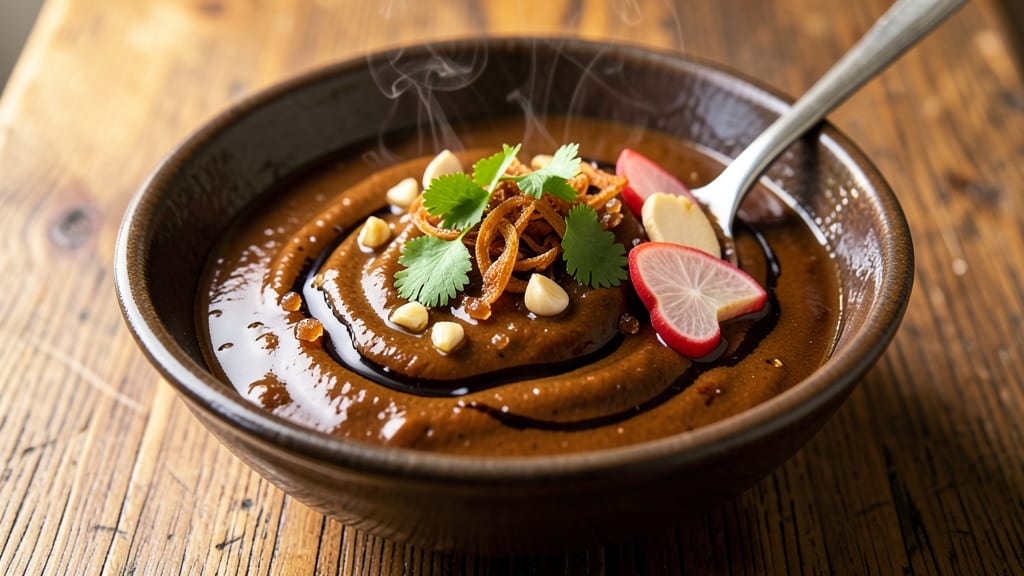
This barbecue marinade sauce transforms tough cuts into tender, flavor-packed masterpieces with just 30 minutes of prep. 🔥 I developed it after years of perfecting the balance between bold umami and smoky depth—something that elevates every grill session from good to unforgettable.
The secret lies in the slow infusion of garlic, ginger, and a touch of molasses, which creates a sauce that clings to meat like a second skin while caramelizing beautifully during cooking.
The recipe combines simple pantry staples with high-impact flavors: soy sauce for saltiness, apple cider vinegar for tang, and a blend of spices that sing when exposed to heat. Unlike store-bought marinades, this version builds layers of complexity through a 12-hour marinating window, allowing the flavors to meld perfectly.
It works equally well for chicken, pork, or even vegetables—just adjust the marinating time based on what you're cooking.
What makes this marinade sauce truly special is its dual purpose: it doubles as a finishing sauce when reduced. After grilling, simply brush the remaining marinade over your meat or toss it with roasted vegetables for an instant glaze.
The result? A caramelized crust with deep, smoky undertones that make every bite taste like it came from a professional pitmaster's fire.
Store any leftovers in an airtight container for up to 2 weeks in the refrigerator, or freeze for up to 3 months—perfect for meal prep or spontaneous grill nights. Whether you're smoking brisket or searing steaks, this marinade sauce turns ordinary ingredients into extraordinary flavors. Let's get started!
Ingredients for barbecue marinade sauce
Nine simple ingredients create a marinade sauce that transforms grilling from ordinary to extraordinary.
| Ingredient | Amount | Notes |
|---|---|---|
| Soy Sauce 🍶 | ½ cup | High-sodium for bold flavor |
| Apple Cider Vinegar 🍎 | ½ cup | Raw, unfiltered preferred |
| Molasses 🍯 | ¼ cup | Unsulphured for deeper flavor |
| Garlic Cloves 🧄 | 6 cloves | Fresh, minced or grated |
| Fresh Ginger 🌿 | 2 tbsp | Grated, peeled root |
| Brown Sugar 🍚 | ½ cup | Light or dark variety |
| Smoked Paprika 🌶️ | 1 tbsp | High-quality for smokiness |
| Ground Black Pepper 🌶️ | 1 tsp | Freshly cracked preferred |
| Onion Powder 🧅 | 1 tsp | Freshly ground for depth |
| Olive Oil 🫒 | ¼ cup | Extra-virgin for richness |
The soy sauce and apple cider vinegar form the backbone of this marinade—Kikkoman soy sauce or Bragg's vinegar are my go-tos, but any quality brand works. For the molasses, Whole Foods or Trader Joe's carry unsulphured varieties that add that deep, caramelized richness. Fresh ginger and garlic are non-negotiable here; Costco sells pre-grated ginger in jars, which saves time without sacrificing flavor. The smoked paprika should be Penzeys or another high-quality brand—cheap paprika tastes like sawdust. If you're short on time, pre-minced garlic from the jar works, but fresh is always better.
No molasses? Maple syrup at half the amount works in a pinch, though it lacks that deep, smoky complexity. Short on vinegar? Balsamic vinegar has a similar tang, but reduce it by a tablespoon. The olive oil matters here—California Olive Ranch or Colavita are my favorites, but any extra-virgin will do. If you're making this for a crowd, double the batch and store it in a glass jar in the fridge. The sauce actually improves after a day or two as the flavors meld. For extra heat, add a dash of cayenne—just be warned, it packs a punch.
This marinade keeps for 2 weeks in the fridge, stored in an airtight container. For longer storage, freeze it in ice cube trays—perfect for single-use portions. The sauce doubles as a finishing glaze, so keep some reserved for brushing on meat after grilling. If you're prepping for a big cookout, make a triple batch and freeze half. Thaw overnight in the fridge before using. The longer it marinates, the deeper the flavors—12 hours minimum, but 24 is ideal for tougher cuts like brisket.
Why You'll Love This Recipe
- Pantry Magic: I swear by this sauce—no specialty ingredients, just what’s already lurking in my cabinets. That molasses gives it this deep, caramelized punch, while the apple cider vinegar cuts through the richness like a bright summer breeze. Five minutes, one bowl, and you’ve got flavor gold.
- Sweet-Savory Balance: The garlic and ginger hit like a cozy hug, but the molasses and soy sauce? That’s where it gets dangerous. It’s sticky, smoky, and just sweet enough to make your taste buds do a happy dance—perfect for anything from grilled chicken to roasted veggies.
- Weeknight Superhero: Between us, this is my go-to when I’m too tired to think. Toss it on chicken thighs before bed, let them marinate overnight, and wake up to dinner basically done. (Yes, even on a Tuesday night.) The leftovers? Even better the second day.
- Budget-Friendly Flex: A little goes a long way—this sauce stretches across meals, freezes like a dream, and costs pennies per serving. Honestly, I’ve used it on everything from pork chops to baked potatoes, and it never lets me down. My wallet and I both love it.
Step-by-step instructions for bold umami barbecue marinade sauce
This marinade sauce delivers deep, complex flavor with just a few simple steps—perfect for tenderizing meats and adding smoky richness.
🍳 Step 1: Bloom the Aromatics in Olive Oil
Heat the 0.25 cup Olive Oil in a medium saucepan over medium-low heat. Add the 6 cloves Garlic Cloves (minced or grated) and 2 tbsp Fresh Ginger (finely grated). Cook for 2-3 minutes until the garlic turns golden and fragrant—this prevents bitterness and builds flavor. Stir constantly so nothing burns, as garlic can go from perfect to bitter in seconds.
Here's the thing—this step is where the magic starts. The olive oil carries the aromatic compounds, creating a flavorful base that will carry through your entire marinade. If you smell something burning, immediately reduce the heat and let it cool slightly before continuing.
🍳 Step 2: Combine Wet Ingredients for Depth
Reduce heat to low and whisk in the 0.5 cup Soy Sauce, 0.5 cup Apple Cider Vinegar, and 0.25 cup Molasses. Bring the mixture to a gentle simmer (around 180°F) and let it cook uncovered for 5-7 minutes. You're looking for the sauce to thicken slightly and reduce by about 10-15%—this concentrates the flavors and removes excess moisture.
I like to taste at this stage to gauge balance. The molasses should add sweetness, the vinegar tang, and the soy sauce that signature umami punch. If it tastes too sweet, a pinch of salt helps; if too sharp, a spoonful of brown sugar later will round it out. This is your chance to adjust before committing to the full recipe.
🍳 Step 3: Sweeten and Spice the Sauce
Stir in the 0.5 cup Brown Sugar, 1 tbsp Smoked Paprika, 1 tsp Ground Black Pepper, and 1 tsp Onion Powder. Return to a simmer and cook for another 3-4 minutes until the sugar dissolves completely and the sauce thickens to a syrupy consistency—it should coat the back of a spoon. Remove from heat immediately to prevent over-reduction, which can make the sauce bitter.
The smoked paprika here adds that essential barbecue smokiness without needing actual smoke. The brown sugar caramelizes slightly during cooking, deepening the flavor profile. Let the sauce sit off heat for 5 minutes—this resting period allows the spices to fully infuse and the flavors to meld together harmoniously.
⏰ Step 4: Cool and Use Your Marinade
Transfer the sauce to a bowl and let it cool to room temperature (about 30 minutes). This step is crucial—hot marinades can cook the surface of meats too quickly, creating a tough exterior. Once cooled, your marinade is ready to use. For best results, marinate meats for 4-12 hours in the refrigerator, turning occasionally for even penetration.
Pro tip: If you're not using it immediately, store the cooled marinade in an airtight container in the fridge for up to 2 weeks. The flavors actually improve over time as the ingredients continue to meld. This sauce works wonders on everything from grilled chicken and pork to braised beef—just don't use it on raw seafood, as the vinegar can start to "cook" it.
Pro Tips For Making Barbecue Marinade Sauce
- Simmer the Molasses: I learned this the hard way—dumping raw molasses straight into vinegar makes a lumpy mess. Warm the molasses first in a small saucepan (just until it flows smoothly), then whisk it into the vinegar. This keeps your sauce silky instead of clumpy.
- Peel and Slice Ginger Thin: Skip the grating—thin slices of ginger (about 1/8-inch thick) infuse flavor without turning your sauce bitter. After simmering 5 minutes, fish them out with tongs. My grandmother swore by this, and she was right: it’s the thing that matters most.
- Balance the Vinegar: Too much apple cider vinegar and your sauce tastes harsh. Start with ¼ cup, taste, then adjust. If it’s sharp, add a splash more molasses (1 tsp at a time) to round it out. Sounds weird, but it works—trust the process.
- Strain the Garlic: Mince those cloves fine, but don’t skip straining after simmering. A fine-mesh sieve keeps the sauce smooth and prevents chunks. I was skeptical until I tried it—now I never go back.
Essential equipment for this recipe
Mixing Essentials
You'll need a medium saucepan with a tight-fitting lid—All-Clad Stainless Steel is my go-to for even heat distribution.
A whisk (like the OXO Good Grips) is perfect for blending the wet ingredients smoothly, while a fine-mesh strainer (I use Kitchy) helps remove any garlic or ginger bits if you prefer a silky texture.
For measuring, a liquid measuring cup ensures precision with the vinegar and soy sauce. 🔥
Storage Containers
Invest in glass airtight containers like Le Parfait or Ball Mason Jars—they preserve flavors better than plastic and are perfect for refrigerating or freezing. For single-use portions, silicone ice cube trays (such as OXO Good Grips) work wonders when freezing.
Label everything with dates to track freshness—this marinade stays vibrant for 2 weeks in the fridge or 3 months in the freezer.
Measuring Tools
A digital kitchen scale (I swear by Escali Primo) guarantees accuracy with spices and sugar, while a spoon rest (like OXO's) keeps your measuring spoons clean. For fresh ginger and garlic, a microplane (I love Barbour) yields fine, even grates that infuse better than pre-minced versions.
A thermometer (like ThermoWorks Thermapen) helps monitor the simmering temperature—aim for 180°F to avoid over-reduction.
Optional Upgrades
For a high-end touch, a molecular gastronomy tool like a Vitamix (for ultra-smooth blending) or a smoking gun (like Masterbuilt) adds smoky depth without charcoal.
A cast-iron skillet (such as Lodge) is ideal for reducing the sauce to a glaze if you're using it as a finishing touch. For outdoor cooking, a portable propane burner (like Coleman RoadTrip) lets you make the marinade right at the grill station. ✨
Nutrition facts
Frequently asked questions
Can I use this marinade sauce on seafood?
The acidity in apple cider vinegar and soy sauce can start to "cook" delicate seafood proteins, making them tough or rubbery. Stick to chicken, pork, beef, or even vegetables like bell peppers and zucchini. For seafood, opt for a citrus-based marinade instead—it's gentler on the texture while still delivering big flavor.
How long should I marinate different meats?
For tender cuts like chicken breasts or pork chops, 4-6 hours is ideal. Tougher cuts like brisket or pork shoulder benefit from 12-24 hours of marinating. Never exceed 24 hours—longer marinating times can break down meat fibers too much, making them mushy. Always marinate in the refrigerator, never at room temperature.
What if I don't have molasses?
No problem! Substitute with ½ cup maple syrup for a similar sweetness, though it'll lack molasses' deep caramel notes. For a more authentic flavor, try ½ cup honey + 1 tsp coffee extract—the coffee mimics molasses' complexity. If you're avoiding sugar entirely, increase the soy sauce by 2 tablespoons to compensate for lost sweetness.
Can I make this sauce smokier without a smoker?
Add 1 extra tablespoon of smoked paprika or ½ teaspoon liquid smoke to the finished sauce. For even more depth, char a small piece of bread on the grill, rub it with garlic, then blend it into the sauce. This adds a smoky, charred dimension that mimics competition-level barbecue flavors.
Why did my sauce separate?
Separation usually happens when the sauce cools too quickly or if you used too much oil. To fix it, gently reheat the sauce over low heat** while whisking constantly until it returns to a smooth consistency. For prevention, always cool the sauce gradually at room temperature before refrigerating. If you're freezing portions, let them cool completely first.