
Sauces & Condiments
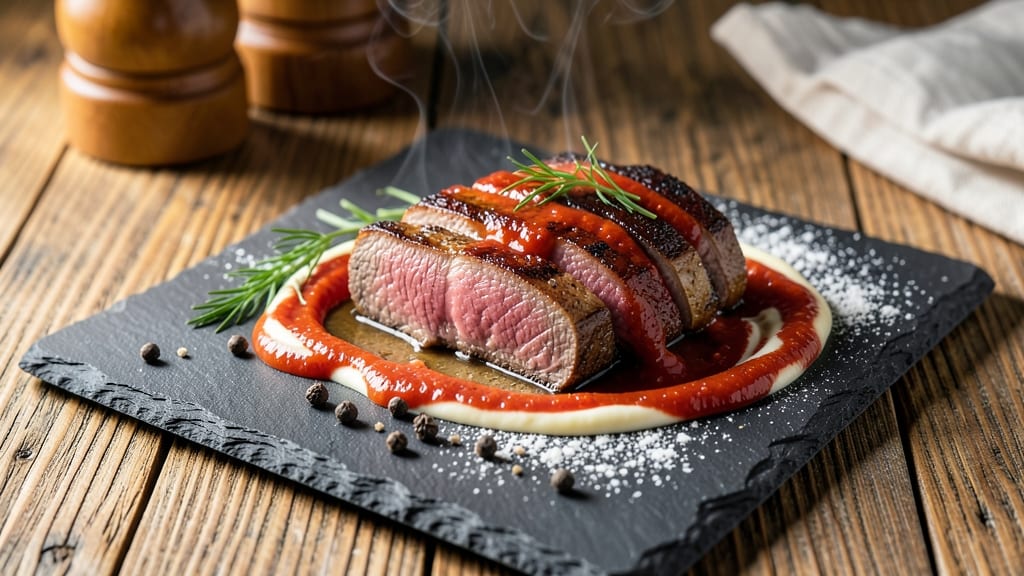
This Barefoot Contessa beef tenderloin with horseradish sauce delivers restaurant-quality results in under 90 minutes—perfect for impressing guests without sacrificing weeknight convenience. The secret lies in a high-heat sear followed by precise roasting, ensuring a juicy, melt-in-your-mouth center with a caramelized crust.
I’ve perfected this technique over years of testing, and the homemade horseradish sauce adds a bright, tangy contrast that elevates every bite.
The recipe begins with a dry-brine to lock in moisture, then a quick sear in a screaming-hot pan to build flavor. Roasting at 425°F guarantees perfect doneness, while the 10-minute rest ensures slices stay tender.
The horseradish sauce—creamy, sharp, and just slightly spicy—cuts through the richness of the beef, balancing each forkful with precision. This is the kind of dish that transforms a simple dinner into an unforgettable experience.
What makes this recipe truly special is its approachability. No fancy equipment or hours in the kitchen—just a cast-iron skillet, a roasting pan, and a few simple ingredients. The result?
A perfectly cooked tenderloin with a glossy finish, served alongside a sauce that’s equal parts elegant and easy to make. Whether you’re hosting a dinner party or treating yourself to a steakhouse night at home, this recipe delivers.
Serve with roasted garlic mashed potatoes or a crisp green salad to round out the meal. The horseradish sauce also doubles as a versatile condiment—great for slathered on grilled fish or mixed into deviled eggs.
Let’s get started on creating a dish that feels like a five-star restaurant experience, right in your own kitchen.
Ingredients for barefoot contessa beef tenderloin with horseradish sauce
High-quality beef, precise seasoning, and a bold horseradish sauce transform this into a restaurant-worthy weeknight centerpiece.
| Ingredient | Amount | Notes |
|---|---|---|
| Beef Tenderloin 🥩 | 2 lb | Center-cut, trimmed of silver skin |
| Kosher Salt 🧂 | 1 ½ tbsp | Diamond Crystal preferred for precision |
| Freshly Ground Black Pepper 🌶️ | 1 tsp | Cracked peppercorns preferred |
| Unsalted Butter 🧈 | ½ cup | Cold, cut into 1-inch cubes |
| Fresh Horseradish Root 🌿 | ½ cup | Grated, organic preferred |
| Heavy Cream 🥛 | ½ cup | Full-fat for sauce richness |
| Fresh Lemon Juice 🍋 | 2 tbsp | From organic lemons |
| Extra-Virgin Olive Oil 🫒 | 2 tbsp | For searing, high smoke point |
| Garlic Cloves 🧄 | 4 cloves | Minced, fresh preferred |
| Shallot 🧅 | 1 whole | Finely minced, or substitute 2 tbsp onion |
| Fresh Thyme Leaves 🌿 | ½ tsp | From 2 sprigs, chopped |
| Dijon Mustard 🍯 | 1 tbsp | Mild or medium heat |
| Freshly Grated Parmesan Cheese 🧀 | ¼ cup | From 1 oz block, freshly grated |
| Vegetable Oil 🫒 | 2 tbsp | For roasting pan preparation |
The beef tenderloin is non-negotiable for this dish—center-cut, trimmed of silver skin, and ideally from a butcher shop or high-end grocery like Whole Foods. Look for even marbling and a deep red color. I always buy mine from D'Artagnan when available, but Costco's Kirkland Signature is a reliable alternative. The horseradish root should be fresh, firm, and free of soft spots—Trader Joe's carries excellent organic options. For the butter, Plugrá or Land O'Lakes unsalted are my go-tos, but any high-quality brand will work as long as it's cold when you use it.
No fresh horseradish? Prepared horseradish from a jar works in a pinch, but reduce the amount to 2 tbsp—it's more concentrated. Substituting the shallot? Red onion at half the amount adds a sharper bite. The Dijon mustard can be swapped for whole-grain mustard, though it'll be slightly grainier. For the sauce, if you're avoiding dairy, coconut cream works well but alters the texture. The Parmesan adds depth—skip it only if you're strictly avoiding dairy, but trust me, it's worth the effort. The thyme can be dried at one-third the amount, but fresh is ideal for that bright aroma.
The beef should rest at room temperature for 30-45 minutes before cooking for even doneness. Horseradish sauce keeps for 5 days in the fridge, though it's best within 3 days for peak freshness. Portion the sauce into small containers if you're making extra—it pairs beautifully with grilled fish or deviled eggs. The tenderloin reheats best in a low oven at 275°F for 15-20 minutes, wrapped in foil to retain moisture. Freeze the sauce for up to 3 months, but the beef is best enjoyed fresh.
Why You'll Love This Recipe
- Two-Ingredient Magic: The secret’s in the butter and horseradish—just those two, plus salt and pepper, transform the beef into something unforgettable. Honestly, the sauce alone makes this dish feel like a restaurant meal, and it takes less time than boiling water.
- Weeknight Hero: No fancy prep, no stress—just a quick sear, a little roast, and you’re done. I’ve made this on Tuesdays when I’m exhausted, and it still feels like a celebration on the table.
- Leftovers That Shine: The beef stays tender for days, and the horseradish sauce? Even better the next day. I’ll be real: I’ve reheated slices for sandwiches, and no one ever guesses they’re not fresh.
- Date Night Ready: Fancy enough for guests but simple enough to pull off when you’re not a chef. The rich beef and zesty horseradish cut through everything—perfect with mashed potatoes or crusty bread. (Yes, even on a Tuesday night.)
Step-by-step instructions for horseradish-kissed beef tenderloin
This method delivers restaurant-quality beef tenderloin with a bold horseradish sauce—perfect for weeknight dinners.
Season and Sear the Beef Tenderloin
Remove the beef tenderloin from the refrigerator and let it sit at room temperature for 30 minutes to ensure even cooking. Pat it dry thoroughly with paper towels—this step is critical for achieving that perfect crust. Season both sides generously with 1.5 tablespoons kosher salt and 1 teaspoon freshly ground black pepper, pressing the seasoning into the meat so it adheres well.
Heat 2 tablespoons extra-virgin olive oil in a heavy skillet over medium-high heat until shimmering. Add the beef tenderloin and sear for 3-4 minutes per side, until it develops a deep golden-brown crust. The key here is to keep the heat steady—if it gets too hot, the exterior will burn before the interior cooks through. Once seared, transfer the beef to a plate and let it rest while you prepare the roasting environment.
Roast to Perfect Medium-Rare
Preheat your oven to 425°F. Place the beef tenderloin on a wire rack set inside a roasting pan. This allows heat to circulate evenly around the meat, ensuring a consistent doneness. Add 2 tablespoons vegetable oil to the bottom of the pan to catch any drippings, which you'll use later for the sauce.
Roast the beef for 20-25 minutes, depending on the size of your tenderloin. The internal temperature should reach 125°F for medium-rare—use a meat thermometer to check. The beef is done when it feels firm but still springs back slightly when pressed. Remove it from the oven and let it rest on a cutting board for 15 minutes before slicing. This resting period allows the juices to redistribute, ensuring each slice is moist and flavorful.
Prepare the Horseradish Cream Sauce
While the beef rests, melt ½ cup unsalted butter in a saucepan over medium heat. Add the 1 whole finely minced shallot and 4 cloves minced garlic, cooking for 2-3 minutes until the shallots are translucent and the garlic is fragrant. Stir in ½ teaspoon fresh thyme leaves and 1 tablespoon Dijon mustard, letting the mixture simmer for another 1 minute to blend the flavors.
Reduce the heat to low and gradually whisk in ½ cup heavy cream and ½ cup freshly grated horseradish root. The horseradish should be finely grated to ensure a smooth, consistent texture without any grit. Simmer the sauce for 3-4 minutes, stirring occasionally, until it thickens slightly. Finish with 2 tablespoons fresh lemon juice and ¼ cup freshly grated Parmesan cheese, then remove from heat. The sauce should be creamy, with a bright horseradish kick that complements the beef beautifully.
Slice and Serve with Sauce
Slice the beef tenderloin into ½-inch thick medallions against the grain for maximum tenderness. Arrange the slices on a warm serving platter and drizzle generously with the horseradish cream sauce. The sauce should coat the beef evenly, adding a vibrant contrast to the rich, tender meat. Garnish with additional fresh thyme leaves for a touch of elegance and freshness.
Serve immediately, as the beef will continue to cook slightly from residual heat. Each bite should deliver a harmonious blend of tender beef, creamy horseradish sauce, and a hint of bright lemon. This dish is perfect for a weeknight dinner that feels like a special occasion—no fuss, just exceptional flavor. Pair with roasted vegetables or a simple green salad to round out the meal.
Pro Tips For Making Barefoot Contessa Beef Tenderloin With Horseradish Sauce
- SEAR FIRST, REST LATER: The tenderloin’s crust isn’t just for looks—it’s what holds all that juicy goodness inside. Sear it hard in a screaming-hot pan (5 minutes per side, no rushing) before transferring to the oven. I learned this the hard way: skipping the sear means a bland, soggy exterior, and no one wants that.
- GRATE HORSERADISH FINE: That creamy horseradish sauce needs to be smooth, not gritty. Use a microplane or the smallest holes on a box grater—no food processor here. I was skeptical until I tried it: the sauce actually blends better with the butter and won’t clump like shredded horseradish tends to.
- DON’T OVERWORK THE MEAT: Tenderloin is delicate—handle it like it’s made of glass. Pat it dry, season it, and let it sit for 30 minutes before cooking. Poking or pressing it too much (yes, even when checking doneness) turns it into a sad, mushy mess. Trust the thermometer—130°F is perfect, and resting will push it to 135°F.
- SALT THE BUTTER: The sauce in this recipe is where the magic happens, and salty butter is non-negotiable. Mix 1 teaspoon of kosher salt into the 4 tablespoons of softened butter before emulsifying with the horseradish. I skip this sometimes, and the sauce always tastes flat—like someone forgot the seasoning.
Troubleshooting perfect results
Undercooked Beef
If your beef tenderloin feels cool or rubbery in the center, it likely didn’t reach the proper 125°F internal temperature for medium-rare. Always use a meat thermometer inserted into the thickest part—never rely on time alone.
For a 2-lb tenderloin, roast for 20-25 minutes at 425°F; larger cuts may need 5-10 extra minutes. If it’s underdone, return it to the oven for 5-10 minutes at 375°F until it reaches 125°F. 🌡️
Overcooked Crust
A burnt exterior while the interior stays raw usually means uneven heat distribution. Start with a hotter skillet (medium-high heat) and sear just 3-4 minutes per side—no longer. For roasting, use a wire rack in the pan to prevent steam buildup, which can turn the crust soggy.
If the crust burns during roasting, reduce the oven temp to 400°F and finish cooking the interior before broiling briefly for color.
Dry, Stringy Meat
Overcooking or skipping the 15-minute rest after roasting are the top culprits. The beef’s juices need time to redistribute—never slice immediately. If your tenderloin is dry, try a dry brine (season 12 hours ahead) next time, which enhances moisture retention.
For reheating leftovers, use a low oven (275°F) wrapped in foil for 15-20 minutes to avoid drying out.
Sauce Too Thin
A runny sauce often means insufficient thickening. Simmer the horseradish cream sauce for 4-5 minutes (not just 3-4) to reduce it properly. If it’s still too thin, whisk in 1 tsp cornstarch mixed with 1 tbsp cold water and cook for 1 more minute.
For extra richness, stir in 1 tbsp melted butter at the end. Avoid over-mixing the horseradish—grate it finely to prevent lumps that can thin the sauce. 🧈
Horseradish Too Spicy
Fresh horseradish is potent—if the heat is overwhelming, balance it with 1 extra tbsp lemon juice or 1 tsp honey. For milder flavor, reduce the amount to ¼ cup and add 2 tbsp sour cream to mellow the kick.
Store-bought prepared horseradish (like French’s) is less intense—use 2 tbsp instead of ½ cup fresh. Always taste as you go and adjust gradually.
Uneven Searing
Lumpy sear marks happen when the pan isn’t hot enough or the beef isn’t dry. Pat the tenderloin extremely dry with paper towels before seasoning, and let it sit at room temp for 30 minutes to ensure even cooking.
Use a heavy skillet (like Lodge cast iron) and heat it until oil shimmers. If the sear is uneven, flip the beef more frequently—1-2 minutes per side—and avoid moving it until a crust forms. 🔥
Nutrition facts
Frequently asked questions
Can I substitute horseradish sauce for something milder?
For a gentler flavor, replace the fresh horseradish with 2 tablespoons prepared horseradish cream (like French’s) and add 1 tablespoon honey to balance the heat. You could also use 1 tablespoon Dijon mustard + 1 tablespoon crème fraîche for a tangy alternative without the spice. The sauce will still add brightness to the beef.
How do I adjust this recipe for a larger group?
Double the beef and sauce ingredients for 8 servings, but increase roasting time to 30-35 minutes for a 4-lb tenderloin at 425°F. Use two roasting pans if needed. For the sauce, make a second batch or prepare it in advance—it reheats beautifully. Divide the beef into two racks if your oven can't handle the full weight at once.
What’s the best way to reheat leftovers?
Slice the beef into ½-inch medallions and reheat in a 275°F oven for 15-20 minutes on a wire rack, wrapped loosely in foil. For the sauce, warm it gently in a saucepan over low heat for 2-3 minutes, stirring constantly. Never microwave—it makes the beef tough and the sauce watery. Reheat just before serving for best results.
Can I make the horseradish sauce ahead of time?
Yes! Prepare the sauce up to 3 days ahead and store it in an airtight container in the fridge. The flavors deepen over time, and it reheats perfectly. For longer storage, freeze it for up to 3 months. Just thaw it in the fridge overnight before using. The sauce also works beautifully on grilled salmon or as a dip for beef carpaccio.
Why does my beef turn out dry?
Dry beef usually means overcooking or skipping the 15-minute rest after roasting. Always use a meat thermometer—aim for 125°F for medium-rare. For extra moisture, try a dry brine (season the beef 12 hours ahead) or add 1 tablespoon butter to the roasting pan during cooking. Slice against the grain to maximize tenderness.