
Sauces & Condiments
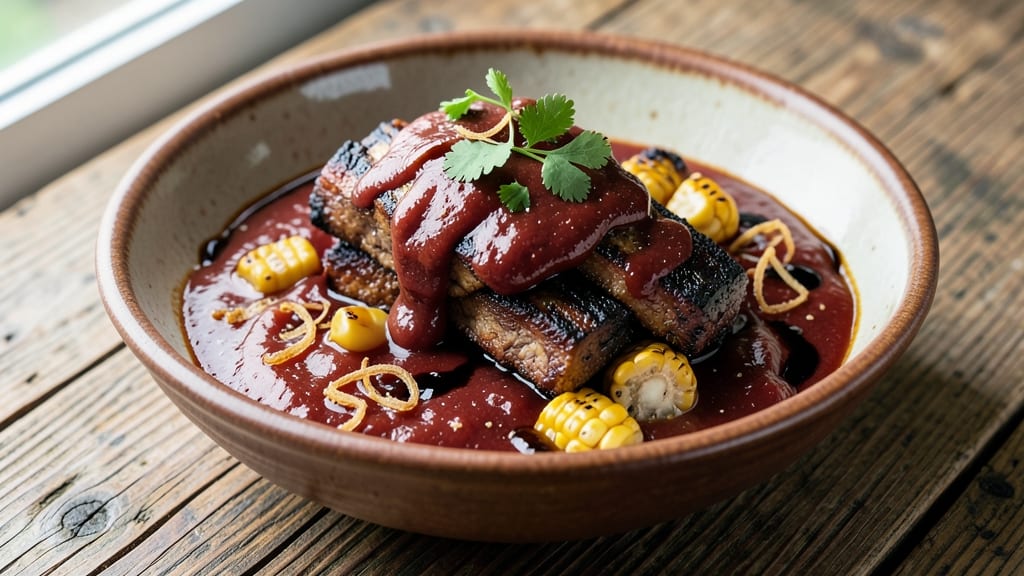
This bar Q sauce recipe transforms your grill into a flavor powerhouse with its perfect balance of smoky, sweet, and tangy notes. The secret lies in simmering tomato paste, vinegar, and molasses until thick and rich, then blending in spices that add depth without overpowering.
I developed this recipe after years of perfecting the art of barbecue sauce—it’s the kind that makes ribs fall apart and chicken wings irresistible.
The beauty of this sauce is its versatility. It works as a glaze for grilled meats, a marinade for tenderizing tough cuts, or even a dipping sauce for fries and veggies.
The molasses adds a caramelized sweetness, while the vinegar cuts through the richness, creating a sauce that’s complex yet approachable. What sets this apart is the slow simmer, which develops layers of flavor that store-bought versions can’t match.
Once you’ve made this sauce, you’ll never go back to bottled versions. It thickens just enough to cling to grilled foods, leaving behind a glossy, sticky finish that’s pure temptation. The best part?
It keeps well in the fridge for up to two weeks or freezes perfectly for months, so you can always have that smoky-sweet flavor ready whenever the grill calls.
Whether you’re hosting a backyard cookout or just craving that classic barbecue taste, this sauce delivers restaurant-quality results with minimal effort. Let’s get cooking!
Ingredients for bar q sauce
Ten simple ingredients create this restaurant-worthy barbecue sauce that'll make your grill the star.
| Ingredient | Amount | Notes |
|---|---|---|
| Tomato Paste 🍅 | ½ cup | High-quality canned, unsweetened |
| Apple Cider Vinegar 🍏 | ¼ cup | Bragg preferred for tang |
| Molasses 🍯 | ¼ cup | Unsulphured for depth |
| Brown Sugar 🍚 | ½ cup | Light or dark, packed |
| Garlic Cloves 🧄 | 4 cloves | Freshly minced |
| Onion Powder 🧅 | 1 tbsp | Diamond Crystal preferred |
| Smoked Paprika 🌶️ | 1 ½ tbsp | For authentic smokiness |
| Ground Black Pepper 🌶️ | ½ tsp | Freshly cracked |
| Salt 🧂 | 1 ½ tsp | Kosher or sea salt |
| Water 💧 | ½ cup | For thinning consistency |
The tomato paste is non-negotiable—Muir Glen or Barilla are my go-tos, but any quality canned paste works. Molasses is where the magic happens: unsulphured gives you that deep, caramelized flavor. Trader Joe's has a great option if you want to splurge, but regular grocery store molasses works fine. Apple cider vinegar adds the tang that balances everything—Bragg is my favorite, but any apple cider vinegar will do. The brown sugar? Pack it down in the measuring cup for accurate sweetness. Fresh garlic and onion powder are the secret weapons here—don't skip the mincing, and if you're feeling fancy, toast the garlic first for extra depth.
No molasses? Maple syrup at half the amount works in a pinch, though it won't have the same depth. Short on vinegar? Lemon juice plus a pinch of sugar mimics the tang. The smoked paprika is essential for that authentic barbecue flavor—if you can't find it, regular paprika plus a pinch of liquid smoke gets you close. Want it sweeter? Add another tablespoon of brown sugar. For a thicker sauce, reduce the water. For a thinner one, add a splash more. This sauce is incredibly forgiving, so don't stress about perfect measurements—just taste as you go.
This sauce gets better with time. Let it sit for at least 30 minutes after making so the flavors meld. Keeps in the fridge for 2 weeks in an airtight container, or freeze for 6 months in ice cube trays for perfect portions. I always make a double batch—one for immediate use, one to freeze. The flavor intensifies over time, so the longer it sits, the better it gets. Perfect for glaze, marinade, or dipping sauce—just reheat gently on the stove with a splash of water if it thickens too much.
Why You'll Love This Recipe
- Pantry Magic: I swear by this sauce because it’s made with stuff I always have—tomato paste, vinegar, even that half-used bottle of molasses. No last-minute grocery runs, no stress. The brown sugar caramelizes just enough to give it this deep, sticky richness that’s chef’s kiss without any fancy technique.
- Garlic-Vinegar Kick: That apple cider vinegar and raw garlic clove combo? It’s the secret weapon. The acid cuts through the sweetness while the garlic lingers like a warm hug. Honestly, I’ll take this over store-bought BBQ sauce any day—it’s got layers, not just sugar and smoke.
- Weeknight BBQ Fix: Slather it on pulled pork for Taco Tuesday, drizzle it over baked beans for a crowd, or even toss it with roasted veggies when I’m lazy. It’s my go-to when I need flavor fast, and it never lets me down. (Yes, even on a Tuesday night.)
- Budget Stretch: A little goes a long way—this sauce is thick, bold, and costs pennies to make. I double the batch, store it in the fridge, and use it for weeks. My wallet and my taste buds thank me. Plus, it’s way more interesting than ketchup.
Step-by-step instructions for smoky-sweet bar Q sauce
This sauce delivers that perfect balance of smoky depth and sweet tang—ideal for ribs, chicken, or even drizzling on baked beans.
Build the Flavor Base
In a medium saucepan, combine the 0.5 cup tomato paste with the 0.25 cup apple cider vinegar and 0.25 cup molasses. Stir over medium heat for 3-4 minutes until the mixture begins to bubble and thicken slightly. This step develops the foundational tang and richness—don't rush it, or the flavors won't meld properly.
While the mixture heats, add the 1.5 tbsp smoked paprika, 1 tbsp onion powder, 1.5 tsp salt, and 0.5 tsp ground black pepper. Stir constantly for 1 minute until the spices dissolve and the sauce becomes fragrant. You'll notice the aroma intensify—this is where the smoky character starts to develop. If the mixture looks too thick, add 1-2 tablespoons of water to loosen it slightly, but keep it manageable for the next steps.
Sweeten and Simmer
Gradually whisk in the 0.5 cup brown sugar, making sure it fully dissolves into the sauce. Increase the heat to medium-low and let it simmer for 8-10 minutes, stirring occasionally. You're looking for the sauce to thicken into a glossy, syrupy consistency—it should coat the back of a spoon smoothly.
Here's the thing—if the sauce starts to stick or burn, immediately reduce the heat to low and add 1 tablespoon of water to thin it out. The goal is a balanced glaze that clings beautifully to grilled meats without being overly runny. Taste as you go; if it needs more depth, add a pinch more salt or a dash of vinegar to brighten the flavors.
Incorporate Garlic and Finish
Lower the heat to low and add the 4 cloves freshly minced garlic. Stir for 1-2 minutes until the garlic is fragrant but not browned—you want the aroma, not the bitterness. This is where the sauce gets its final layer of complexity. If you prefer a smoother texture, strain the sauce through a fine-mesh sieve to remove any garlic bits, but I like the subtle texture it adds.
Finally, add the remaining 0.5 cup water and simmer for another 3-4 minutes until the sauce reaches your desired consistency. It should be thick enough to coat the back of a spoon but still pour smoothly. For extra richness, let it cool slightly—this helps the flavors settle and deepen. Store any leftovers in an airtight container in the fridge for up to 2 weeks, or freeze for longer storage.
Test and Adjust
Before using, give the sauce a final taste and adjust the balance. Need more tang? Add a splash of apple cider vinegar. Too sweet? A pinch of salt or a dash of vinegar will help. The sauce should be bold, smoky, and slightly sweet with a touch of heat from the spices. This is your signature glaze—use it generously on ribs, chicken, or even as a dipping sauce for fries or corn on the cob.
Here's a pro tip: For extra shine, simmer the sauce uncovered for the last 2 minutes to let the moisture evaporate slightly. This creates a glossy finish that makes your grilled dishes look (and taste) like they came straight from a barbecue competition. Serve immediately for the best results—this sauce is all about that fresh, smoky-sweet flavor.
Pro Tips For Making Bar Q Sauce
- STIR CONSTANTLY FIRST 5 MINUTES: The tomato paste burns faster than you think—especially when you’re distracted. Keep your spoon moving in tight circles until the paste darkens and smells rich. After that, you can ease up, but those first minutes make or break the depth of flavor.
- PEEL GARLIC CLOVES: I used to crush raw garlic straight into the pot, and it always left a bitter aftertaste. Peel and chop the cloves first—it’s a little extra work, but the sauce stays smooth and bright. (Yes, even if you’re impatient like me.)
- WHISK IN VINEGAR LAST: Adding apple cider vinegar too early makes the sauce curdle like a science experiment gone wrong. Wait until everything else is simmering, then drizzle it in while stirring. The acid will mellow out and balance the sweetness without fighting the other flavors.
- USE LESS MOLASSES THAN YOU THINK: I learned this the hard way—my sauce tasted like a dessert instead of a glaze. Start with half the amount listed, taste, then add more if needed. Molasses is sneaky; it’s easy to overdo it, and you can’t fix over-sweetened sauce with more vinegar.
Make-ahead tips for bar q sauce
Batch Prep Strategy
Make a double batch of this sauce—it’s worth the effort! The flavors deepen as it sits, so the second batch will taste even better after a few days.
Store one portion in the fridge for immediate use, and freeze the other in ice cube trays for perfect single-use portions later. 💫
For freezing, transfer cooled sauce into airtight containers or ziplock bags, leaving ½-inch headspace for expansion. Label with the date—this sauce keeps for up to 6 months without losing quality. When ready to use, thaw overnight in the fridge or reheat directly from frozen with a splash of water.
Fridge Storage Tips
Keep your sauce in a glass jar or airtight container in the fridge for up to 2 weeks. The sauce thickens slightly when refrigerated, so stir in 1-2 tablespoons of water when reheating to restore its glossy consistency.
I like to store it in a small mason jar—it’s easy to grab for last-minute grilling or dipping.
If the sauce separates, simply reheat it gently on the stove and stir until smooth. The texture may change slightly, but the flavor remains rich and delicious. For best results, use within 10 days for peak freshness and gloss.
Freezer-Friendly Hacks
Freeze sauce in 1-tablespoon portions for perfect dipping sauces or marinade additions. Pop a cube into a small bowl, add a splash of water, and microwave for 10-15 seconds—instant flavor boost! For larger batches, use silicone molds to create sauce "pucks" that thaw quickly.
When reheating frozen sauce, avoid high heat—low and slow prevents scorching. Add 1 tablespoon of water per ½ cup of sauce to help it blend smoothly. The sauce may thicken slightly after freezing, but a quick simmer restores its perfect glaze consistency. 🔥
Long-Term Flavor Boost
For an extra-deep flavor, let your sauce rest for 24 hours before using. This allows the spices and molasses to meld completely, creating a richer, more complex taste. I often make a batch on Sunday and let it sit overnight—by Monday, it’s transformed into something truly special.
If you’re prepping for a big cookout, consider making three batches—one for immediate use, one to freeze, and one to age for maximum flavor. The sauce’s depth will surprise you, especially when used on slow-cooked ribs or grilled chicken. Trust the process! ✨
Nutrition facts
Frequently asked questions
Can I make this sauce without molasses?
Yes, but the flavor will be different. For a substitute, use ½ cup maple syrup instead, though it won't have the same deep, caramelized richness. If you're avoiding molasses for dietary reasons, try ½ cup honey plus 1 tbsp brown sugar for a similar sweetness level. The sauce will still taste great, just slightly more floral.
How do I prevent my sauce from getting too thick or burning?
Keep the heat at medium-low and stir frequently, especially after adding the brown sugar. If it starts to stick, immediately add 1-2 tablespoons of water and reduce the heat further. The sauce should simmer gently—never boil vigorously. For extra insurance, use a wider saucepan to spread the heat more evenly.
What's the best way to use this sauce on grilled foods?
For meats like ribs or chicken, apply the sauce in the last 10-15 minutes of grilling to prevent burning. Brush it on lightly first, then increase to medium-high heat to create a glossy caramelized crust. For vegetables, use it as a marinade for 30-60 minutes before grilling, then drizzle extra sauce on top when done.
Can I make this sauce spicier?
Add ½-1 teaspoon of cayenne pepper or 1 tablespoon of hot sauce to the finished sauce. For extra heat, include 1 minced jalapeño (seeds removed for mild heat) with the garlic. Adjust to taste—this sauce is very forgiving, so you can always add more heat later if needed.
How do I fix a sauce that's too thin after refrigeration?
Simmer the chilled sauce in a saucepan over low heat for 5-10 minutes, stirring occasionally. The moisture will evaporate, restoring the perfect glaze consistency. If it still seems too thin, simmer uncovered for another 2-3 minutes—just don't let it burn! For immediate use, mix in 1 teaspoon of cornstarch with 1 tablespoon water, stir into the sauce, and simmer for 1 minute to thicken.