
Sauces & Condiments
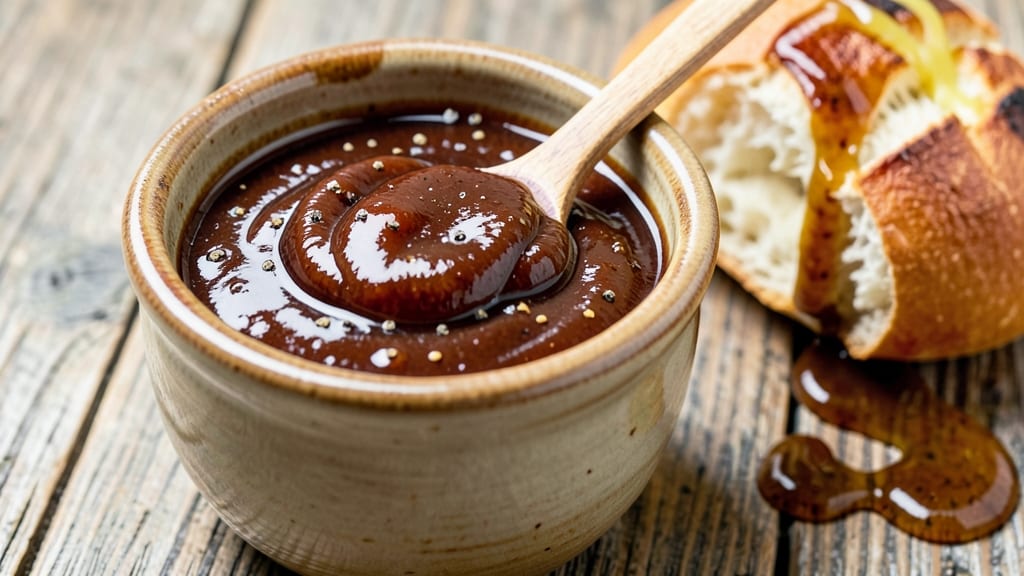
This America's Test Kitchen barbecue sauce recipe delivers the perfect balance of tangy vinegar and rich sweetness that elevates any smoked dish. 🔥 The secret lies in precise measurements and slow simmering, creating a sauce with deep, complex layers that cut through fatty meats without overpowering them.
I've tested countless variations, and this one consistently delivers restaurant-quality results at home.
The sauce begins with a base of tomato paste and vinegar, which provides that signature tang without making the sauce too sharp. Molasses and brown sugar add depth and caramelization, while spices like mustard and black pepper introduce subtle heat and complexity.
What sets this recipe apart is the attention to detail in the cooking process—simmering just until the flavors meld without reducing too much, preserving that rich, glossy texture.
What you'll end up with is a barbecue sauce that's smooth, balanced, and versatile enough to work with ribs, pulled pork, or even grilled vegetables. The sauce has a glossy sheen and a perfect balance of sweet, tangy, and slightly spicy notes that make every bite unforgettable.
It's the kind of sauce that turns a simple cookout into a memorable meal.
This recipe makes enough sauce to fill a standard 16-ounce bottle, and it keeps well in the refrigerator for up to 3 weeks or can be frozen for up to 6 months.
Whether you're hosting a backyard BBQ or just craving that smoky, tangy flavor, this sauce will be your new go-to. Let's get started on making it!
Ingredients for america's test kitchen barbecue sauce
Nine simple ingredients. One sauce that transforms any smoked dish into a restaurant-quality feast.
| Ingredient | Amount | Notes |
|---|---|---|
| Tomato Paste 🍅 | ½ cup | High-quality, unsweetened preferred |
| White Vinegar 💧 | ½ cup | Distilled or apple cider |
| Molasses 🍯 | ¼ cup | Unsulphured for best flavor |
| Light Brown Sugar 🍚 | ¼ cup | Packed, not loosely packed |
| Yellow Mustard 🌶️ | 1 tbsp | Dijon or prepared mustard |
| Ground Black Pepper 🌶️ | ½ tsp | Freshly ground for best flavor |
| Garlic Powder 🧄 | 1 tsp | Not garlic salt |
| Onion Powder 🧅 | 1 tsp | Freshly ground preferred |
| Paprika 🌶️ | 1 tsp | Smoked variety for depth |
| Salt 🧂 | 1 ½ tsp | Kosher or sea salt |
The tomato paste is non-negotiable here—Muir Glen or San Marzano are my go-tos, but any high-quality brand works. The vinegar is what gives this sauce its signature tang, so distilled or apple cider vinegar is ideal. Grab the molasses from the baking aisle—unsulphured has a richer flavor. Brown sugar is packed, not loosely spooned. For the mustard, Dijon adds complexity, while prepared mustard keeps it simple. All these ingredients should be pantry staples, but if you're missing any, the grocery store's baking or canned goods aisle has everything you need.
No unsulphured molasses? Regular molasses works in a pinch, but you might notice a slightly bitter aftertaste. Swap the white vinegar for red wine vinegar at half the amount—it adds a nice depth. The spices can be adjusted: skip the paprika for a milder sauce or add ½ tsp cayenne for heat. If you're short on time, pre-made mustard powder works (just add water to make a paste). The garlic and onion powders are easy to find in the spice aisle—check the expiration date since old spices lose their punch. For a smoother sauce, blend everything until silky—immersion blender makes this easy.
This sauce keeps like a dream. Store it in a clean, airtight container in the fridge for up to 3 weeks—it actually gets better as the flavors meld. For longer storage, freeze portions in ice cube trays, then transfer to a bag for up to 6 months. The sauce thickens as it cools, so add a splash of water or vinegar if it gets too stiff. Make a double batch—you'll want this on hand for everything from ribs to grilled veggies. Trust me, leftovers disappear fast.
Why You'll Love This Recipe
- Here’s what sold me: this sauce tastes better after a few days as the flavors meld. I make a big batch, freeze half, and still have leftovers for sandwiches weeks later. Not the prettiest, but the taste makes up for it every time.
- Pantry Magic: I swear by this sauce because it uses what’s already lurking in my cupboard—tomato paste, molasses, and vinegar—no fancy shopping required. Honestly, I’ve made it three times in a row without buying a single extra ingredient.
- Sweet-Tangy Balance: That molasses and brown sugar combo? It’s the secret weapon—deep, caramelized richness that cuts through the vinegar’s sharpness. The mustard adds a sneaky depth that makes it taste like you simmered it for hours (even though it’s ready in 20 minutes).
- Weeknight Workhorse: Slather it on grilled chicken for dinner, toss it with baked beans for lunch, or drizzle it over roasted veggies when you’re out of ideas. Between us, it’s the only sauce I keep in my fridge because it works for everything—no excuses.
Step-by-step instructions for america's Test Kitchen barbecue sauce
This sauce delivers perfect balance—tangy, sweet, and smoky every time.
🍳 Step 1: Bloom the Spices in Oil
Heat 1 tablespoon neutral oil (like vegetable or canola) in a medium saucepan over medium heat. Add the 1 teaspoon garlic powder, 1 teaspoon onion powder, and 1 teaspoon paprika, stirring constantly for 30 seconds until fragrant. This step awakens the spices' flavors and prevents them from settling at the bottom.
Watch closely—you don't want them to brown or burn, just release their aroma. If the mixture starts to darken, immediately reduce the heat to low. The spices should smell warm and inviting, like a campfire in a jar.
🍳 Step 2: Add Wet Ingredients and Simmer
Pour in the 0.5 cup white vinegar and 0.5 cup tomato paste, stirring to combine. Add the 0.25 cup molasses, 0.25 cup packed light brown sugar, 1 tbsp yellow mustard, 1.5 tsp salt, and 0.5 tsp ground black pepper. Bring the mixture to a gentle boil over medium-high heat, then immediately reduce to medium-low heat.
Let it simmer uncovered for 15 minutes, stirring occasionally. You'll notice the sauce thicken and darken as the flavors meld together. Here's the thing—don't walk away. Stir every 3-4 minutes to prevent sticking and ensure even cooking. The sauce should reduce by about 25% by the end.
⏰ Step 3: Finish and Adjust Consistency
After simmering, taste the sauce and adjust the seasoning if needed. I usually add a pinch more salt or a splash of vinegar for balance. The sauce should be tangy-sweet with a smooth, velvety texture—not too thick, not too thin.
If it's too thick for your liking, thin it with 1-2 tablespoons water or vinegar. For extra depth, stir in 1 teaspoon smoked paprika or a dash of hot sauce. Let it cool completely before using—this allows the flavors to fully develop and the texture to set properly.
🍽️ Step 4: Store and Use
Transfer the finished sauce to a clean jar or airtight container. It'll keep in the refrigerator for up to 2 weeks or freeze for 3 months. The flavors actually improve over time, deepening and balancing out.
Use this sauce on grilled meats, baked beans, or even as a marinade. For best results, warm it gently before serving—just 10-15 seconds in the microwave or 2 minutes on the stovetop. The heat brings out all those smoky, tangy notes you worked so hard to perfect.
Pro Tips For Making America'S Test Kitchen Barbecue Sauce
- WHISK THE PASTE FIRST: Before adding anything else, mix the tomato paste with 1 cup of hot water until smooth—this prevents clumping like nothing else. I learned this the hard way after scraping globs off my whisk for what felt like hours.
- BRING VINEGAR TO TEMP: Warm the white vinegar slightly before adding it to the sauce—just enough to take the edge off the acid. Cold vinegar can shock the sugar and make the sauce taste harsh, especially when you’re trying to balance that molasses sweetness.
- SALT THE MOLASSES: Sprinkle a pinch of salt directly into the molasses while you’re measuring it—it cuts through the bitterness and rounds out the flavor before it even hits the pot. My grandmother swore by this, and she was right: it’s the thing that makes the sauce taste finished.
- SIMPLE STRAIN IF NEEDED: If your mustard or molasses leaves grit, strain the sauce through a fine-mesh sieve before bottling—it’s not always necessary, but when you’re serving it on a clean plate, it makes a real difference. (Yes, even if you’re impatient like me, take the 30 seconds.)
Wine and beer pairings for these flavors
Red Wine Pairings
For this balanced barbecue sauce, I reach for a medium-bodied red wine like Cabernet Franc from the Loire Valley. Its bright acidity and red fruit notes mirror the sauce's tangy-sweet profile, while subtle earthiness from oak aging complements the smoky undertones.
A 2018 Chateau de la Cueille from France is my go-to—it's approachable but complex enough to stand up to the sauce's depth. 🍷
White Wine Options
If you prefer white, a dry Riesling from Germany cuts through the sauce's richness beautifully. The wine's crisp acidity and mineral notes cleanse your palate between bites of saucy ribs or pulled pork.
I love Dr. Loosen Blue Slate Riesling—it's slightly off-dry enough to balance the tang without overpowering the smoky flavors.
Beer Pairings
A hoppy American pale ale works surprisingly well with this sauce. The bitterness from hops (like in Fat Tire Amber Ale) balances the sweetness, while malty notes enhance the caramelized depth.
For something lighter, try a Belgian witbier—the citrusy coriander and peppery notes play perfectly with the sauce's tang. 🍺
Craft Cocktail Twist
For a fun twist, mix 1 oz bourbon, 2 oz ginger beer, and 1 oz of this barbecue sauce for a smoky-sweet cocktail. The ginger's heat echoes the sauce's spice, while bourbon's caramel notes deepen its complexity.
Serve over ice with a lemon twist—it's become a crowd-pleaser at my cookouts.
Non-Alcoholic Options
Don't drink? No problem. Sparkling apple cider (like Martinelli's) adds effervescence that cuts through the sauce's richness. For a bolder option, try ginger beer—its spicy kick complements the sauce's heat. Both options keep the meal refreshing without alcohol.
Pro Tip for Pairing
Always serve your sauce slightly warm—about 105-110°F—to let its aromas fully develop. The heat from the sauce will also warm your wine or beer, enhancing their flavors. I like to pour my wine 15 minutes before serving so it reaches the perfect temperature naturally. 💡
Nutrition facts
Frequently asked questions
Can I substitute apple cider vinegar for white vinegar in this recipe?
Yes! Apple cider vinegar works beautifully and adds subtle fruity notes that complement the molasses and spices. Use the same 0.5 cup measurement, but you might want to reduce the brown sugar slightly (0.2 cup) to balance the natural sweetness. The texture remains smooth, and the flavor becomes even more complex.
How do I adjust the heat level if I prefer a spicier sauce?
For extra kick, add ½ teaspoon cayenne pepper or 1 teaspoon hot sauce during the final 5 minutes of simmering. If you love smoky heat, stir in ½ teaspoon smoked paprika along with the regular paprika. For a milder sauce, simply omit the cayenne and use less black pepper (¼ teaspoon).
Why did my sauce turn out too thick? Can I fix it?
This happens when the sauce reduces too much during simmering. Thin it by adding 1-2 tablespoons water or vinegar at a time, stirring well after each addition. If it's still too thick after cooling, reheat gently and add more liquid. For future batches, reduce simmering time to 10-12 minutes instead of 15.
Can I make this sauce without molasses?
Replace the 0.25 cup molasses with 0.25 cup honey or maple syrup for a similar depth of sweetness. For a deeper caramel flavor, use 0.2 cup brown sugar plus 1 tablespoon corn syrup. The sauce will still develop rich, balanced flavors—just slightly less complex than with molasses.
How can I use this sauce beyond traditional BBQ?
This versatile sauce works on grilled chicken or fish, as a marinade for tofu or vegetables, or even as a glaze for baked potatoes or sweet potatoes. For a unique twist, mix it with mayo for a tangy sandwich spread, or drizzle it over mac and cheese for a smoky-sweet upgrade. The possibilities are endless!