
Sauces & Condiments
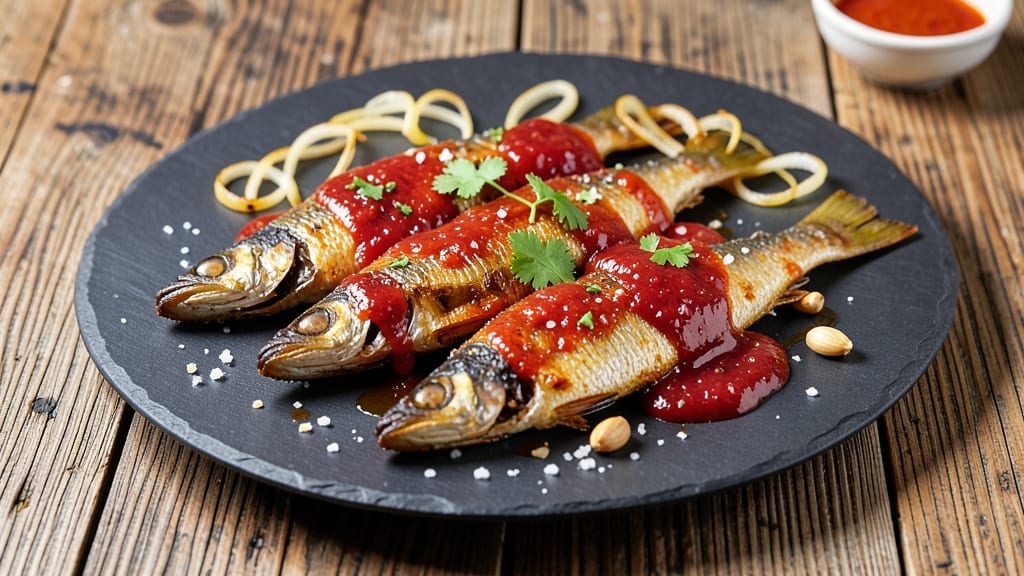
This bangus sardines in tomato sauce recipe delivers the perfect balance of crispy skin and silky fillets, simmered in a rich, tangy tomato sauce that defines Filipino comfort food.
The secret lies in marinating the fish just enough to enhance flavor without overpowering its delicate taste, followed by a slow simmer in a sauce that harmonizes sweetness and acidity. It's a dish that brings warmth to the table, evoking memories of home-cooked meals shared with family.
The key to achieving that signature crispy skin while keeping the fillets tender is a two-step cooking process: first searing the fish until golden, then gently simmering it in the sauce until fully cooked.
The tomato base, enriched with garlic, onions, and a touch of sugar, creates a sauce that's both vibrant and deeply flavorful. This method ensures every bite is packed with texture and taste, making it a standout dish for any occasion.
What makes this recipe truly special is its ability to transform simple ingredients into something extraordinary. The combination of the crispy skin, tender fillets, and aromatic sauce creates a symphony of flavors that's both hearty and satisfying.
It pairs beautifully with steamed rice, atchara (pickled papaya), or garlic fried rice, making it a complete meal that's sure to impress.
Perfect for family gatherings or a cozy weeknight dinner, this dish captures the essence of Filipino cuisine in every bite. With just a few simple ingredients and a bit of patience, you'll have a restaurant-quality meal that's sure to become a favorite. Let's get started!
Ingredients for bangus sardines in tomato sauce
Fresh bangus fillets and simple pantry staples create this Filipino classic with restaurant-quality crispy skin.
| Ingredient | Amount | Notes |
|---|---|---|
| Bangus Sardines (Freshwater Milkfish) 🐟 | 4 whole | Medium-sized fillets, skin-on |
| Yellow Onions 🧅 | 1 whole | Medium size, finely chopped |
| Garlic Cloves 🧄 | 6 cloves | Minced, fresh preferred |
| Canned Tomato Sauce 🍅 | 1 can | 28 oz, San Marzano preferred |
| Granulated Sugar 🍚 | 2 tbsp | Adjust to taste |
| Salt 🧂 | 1 ½ tsp | Kosher or sea salt |
| Black Peppercorns 🌶️ | ½ tsp | Freshly ground |
| Olive Oil 🫒 | 2 tbsp | Extra-virgin for frying |
| Cornstarch 🌾 | 1 tbsp | For crispy coating |
| Lemon Juice 🍋 | 1 tbsp | Freshly squeezed |
| Bay Leaves 🌿 | 2 whole | Dried, removed after cooking |
| Fresh Thai Basil Leaves 🌿 | ¼ cup | Chopped, for garnish |
Bangus is the star here—look for medium-sized fillets with intact skin at Asian markets or well-stocked grocery stores. The skin should be shiny and unbroken, not dried out. Whole Foods or H Mart often carry it fresh, but frozen works too (thaw overnight in the fridge). For the tomato sauce, San Marzano cans give the best flavor, though any good-quality canned tomato sauce will do. The sugar balances the acidity, so don't skip it—it's what makes the sauce sing. If you can't find Thai basil, regular basil or even cilantro will work in a pinch, though the flavor won't be identical.
No cornstarch? All-purpose flour works at the same amount, though it won't give quite the same crispy texture. Short on lemon juice? Lime juice or vinegar both work, but reduce to 1 teaspoon since they're more acidic. Want to make this spicier? Add a pinch of red pepper flakes or a dash of sambal oelek to the sauce. The bay leaves add depth but can be omitted if you're in a hurry—they'll just take a little longer to infuse flavor. For the onions, yellow or red both work, but yellow has a slightly sweeter taste that pairs well with the fish.
This dish reheats beautifully—just warm through gently in the sauce. Keeps 3-4 days in the fridge, though the fish gets progressively more tender. For longer storage, freeze portions of the sauce (without the fish) for up to 3 months. The fish itself is best eaten fresh, but you can freeze it separately for 1 month if needed. Garnish with fresh basil right before serving—it wilts fast, so don't add it too early. The crispy skin is the star, so serve immediately after cooking while it's still perfect.
Why You'll Love This Recipe
- Pantry Magic: I swear by this when my fridge is bare—just canned tomatoes, onions, and garlic turn into something actually special. No last-minute grocery runs, no fancy prep; the bangus absorbs the sauce like a sponge, and suddenly you’ve got a meal.
- Sweet-Savory Balance: That sugar in the sauce? It’s not just sweetness—it caramelizes with the tomatoes until the fish is glazed with a perfect tangy-sweet bite. Honestly, the first time I tasted it, I thought, “Why haven’t I been doing this all along?”
- Leftovers That Don’t Suck: Most dishes turn sad after day two, but not this. Reheat the bangus in tomato sauce, and it’s still rich and moist—great for lunches or even stuffed into rice bowls. My kids actually ask for it the next day (yes, even on a Tuesday night).
- Budget-Friendly Feast: A single can of bangus stretches across two meals, and the sauce costs pennies. Between us, this is how I feed my family for under $10 without sacrificing flavor. The onions and garlic bulk it up, so you’re not just eating fish—you’re eating a full dish.
Step-by-step instructions for bangus sardines in tomato sauce
Here's how to achieve perfectly crispy skin and tender fillets in a rich tomato sauce.
Prepare the Sardines for Crispy Skin
Pat the 4 whole Bangus Sardines completely dry using paper towels. The skin should be bone dry—this is essential for achieving that crispy texture. Place the sardines on a clean cutting board and make a shallow cut along the belly from head to tail, being careful not to cut too deep into the flesh. This allows the fish to open slightly during cooking.
In a shallow bowl, combine the 1 tablespoon cornstarch with the 1.5 teaspoons salt and 0.5 teaspoon freshly ground black peppercorns. Lightly dredge each sardine in this mixture, pressing gently to ensure the coating adheres evenly to both sides. This cornstarch coating will create that coveted crispy skin while keeping the fillets silky inside. Let the coated sardines rest for 5 minutes while you prepare the aromatics.
Build the Flavor Base
Heat the 2 tablespoons olive oil in a large, deep skillet over medium heat. Add the finely chopped 1 whole yellow onion and cook for 5-6 minutes until softened and translucent. This is where the foundation of your sauce begins—don't rush this step or the onions will burn and make the sauce bitter.
Add the 6 cloves minced garlic and cook for another 30 seconds until fragrant. Immediately pour in the 1 can tomato sauce and stir to combine. The mixture should bubble gently—reduce heat to medium-low and let it simmer for 5 minutes. This allows the raw flavors to meld together. Stir in the 2 whole bay leaves and 2 tablespoons granulated sugar, then simmer for another 3 minutes until the sauce thickens slightly.
Cook the Sardines to Perfection
Increase heat to medium-high and carefully add the coated sardines, skin-side down. Cook undisturbed for 3-4 minutes until the skin turns a deep golden brown and begins to crisp. Here's the thing—don't move them during this time. The skin needs direct, even contact with the pan to crisp properly. You'll know they're ready when the edges curl slightly and the skin releases easily from the pan.
Using a fish spatula, carefully flip the sardines and cook for another 2-3 minutes until the flesh is opaque and flakes easily with a fork. Remove the sardines to a serving platter and tent loosely with aluminum foil to keep warm. The sauce will continue cooking while you finish the dish.
Finish the Sauce and Garnish
Return the skillet to medium heat and stir in the 1 tablespoon lemon juice. This brightens the sauce and balances the richness of the tomato. Simmer for 1-2 minutes until the sauce thickens slightly and coats the back of a spoon. Remove the 2 bay leaves at this point—they've done their job and can be discarded.
To serve, spoon the sauce over the sardines and garnish with the 0.25 cup chopped fresh Thai basil leaves. The basil adds a fresh, aromatic finish that complements the rich tomato sauce beautifully. Each bite should deliver crispy skin that gives way to tender, flaky fish, all coated in a perfectly balanced tomato sauce.
Pro Tips For Making Bangus Sardines In Tomato Sauce
- Sear the Fish First: Bangus turns rubbery if you simmer it raw—skip straight to the sauce. Heat a dry pan over medium-high, add a glug of oil, and sear the whole fish (skin-side down) for 2-3 minutes until the edges just crisp. The Maillard reaction builds flavor before the tomatoes even hit the pan, and the skin stays tender instead of tough. (I used to skip this, and the fish always tasted flat.)
- Slice the Onions Thin: Thick onion rings? No. For this dish, you want them to melt into the sauce, not sit like chunks. Grab a sharp knife and cut the onions paper-thin—almost translucent. They’ll soften in under 2 minutes and sweeten the sauce without overpowering it. (Yes, it takes 10 seconds longer, but the texture changes everything.)
- Simmer, Don’t Boil: The sauce should bubble gently, not roar like a volcano. If it’s too aggressive, the tomatoes will break down into mush and the sugar will burn before the fish cooks through. Keep it at a low simmer—just enough to see tiny bubbles at the edges—and stir occasionally. (I learned this after one disastrous batch where the sauce tasted like overcooked ketchup.)
- Deglaze with a Splash of Water: After searing the onions and garlic, don’t just dump in the tomato sauce—you’ll lose half the flavor. Add 2 tablespoons of water (or fish stock if you’re fancy) and scrape up those browned bits from the pan. Those bits are where the magic lives. (This is the shortcut that makes the difference between "good" and "restaurant-quality.")
Perfect pairings for this bangus sardines in tomato sauce
Classic Filipino Sides
Steamed white rice is the ultimate pairing—its neutral flavor lets the rich tomato sauce shine while soaking up every last drop. I serve 1 cup uncooked rice per person, steamed to perfection with a pinch of salt.
For extra authenticity, try garlic fried rice using day-old rice sautéed with 3 minced garlic cloves and 1 tbsp soy sauce—this adds a savory crunch that balances the dish beautifully. 🍚
Pickled Vegetable Contrast
Filipino atchara (pickled papaya) adds a tangy, crunchy element that cuts through the richness.
Look for it in the Asian foods aisle or make your own by thinly slicing 1 green papaya, soaking in ½ cup vinegar, 1 tbsp sugar, and 1 tsp salt for 24 hours. The bright acidity refreshes your palate between bites of fish.
For variety, try pickled cucumbers or carrots with a similar vinegar brine.
Warm Bread Pairings
Crusty Filipino bread like pan de coco (coconut bread) or ensaymada (buttery sweet bread) makes a luxurious pairing. The buttery texture contrasts perfectly with the crispy fish skin. If you can't find these, garlic bread or even tortillas work well to soak up the sauce.
I like to serve warm bread on the side for dipping—it's always a crowd-pleaser. 🥖
Drink Recommendations
For a refreshing match, serve with calamansi juice (Filipino limeade) made by mixing ½ cup calamansi juice with ½ cup water and 1 tbsp sugar. The citrusy tang complements the tomato sauce beautifully.
If you can't find calamansi, lemon-lime soda or sparkling water with lime works as a lighter alternative. For something stronger, a crisp Filipino beer like San Miguel Light pairs wonderfully with the dish's rich flavors.
Garnish Upgrades
Fresh Thai basil leaves are essential for garnishing, but you can also add sliced green onions or cilantro for extra freshness. For heat lovers, sprinkle chili crisp or sambal oelek on top—just ½ teaspoon adds a spicy kick without overpowering.
A drizzle of soy sauce before serving enhances the umami depth, making each bite even more satisfying. 🌶️
Nutrition facts
Frequently asked questions
Can I use frozen bangus instead of fresh?
Yes, but thaw it properly first! Place frozen bangus in the refrigerator overnight (about 12 hours) for even thawing. Never use cold water—it can make the fish mushy. Pat completely dry before seasoning, as moisture prevents crispy skin. The texture will be just as good if thawed correctly.
What if my bangus skin isn't crispy?
This usually happens if the fish wasn't dry enough or the pan wasn't hot enough. For next time, pat the skin with paper towels until completely dry, then let it air-dry for 5 minutes before coating. Use a heavy skillet and heat it until smoking hot before adding the fish. Cook undisturbed for 4-5 minutes per side.
Can I make this sauce ahead of time?
The tomato sauce keeps well for 3-4 days in the fridge. Cook it as directed, then store in an airtight container. Reheat gently before adding the fish, or cook the fish fresh and store separately. The sauce actually improves overnight as flavors meld. Just add a splash of water if it thickens too much when reheating.
Is there a vegetarian substitute for bangus?
For a similar texture, try firm tofu or king oyster mushrooms cut into fillets. Tofu should be pressed and pan-fried until crispy, while mushrooms work best when sliced thickly. Both absorb flavors well, though they won't have the same delicate taste. For a more authentic experience, use firm white fish like cod or halibut as a seafood alternative.
How do I adjust the spice level?
Start with the basic recipe, then customize: Add ½ teaspoon red pepper flakes to the sauce for mild heat, or 1 teaspoon sambal oelek for medium spice. For extra kick, sprinkle chili crisp on top before serving. Remember, you can always add more heat, but you can't remove it! Taste the sauce before adding the fish to adjust.