
Sauces & Condiments
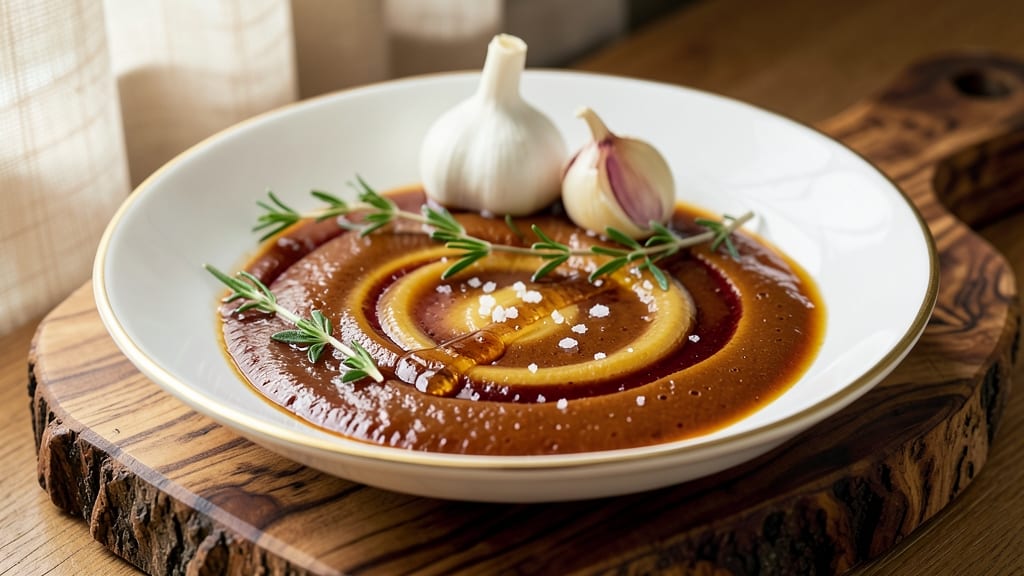
This balsamic butter sauce recipe transforms simple ingredients into a velvety, tangy-sweet condiment that elevates everything from grilled meats to fresh bread. The secret lies in balancing rich butter with bold balsamic reduction, creating a sauce that's both luxurious and effortless.
With just five minutes of active time, you'll have a glossy, restaurant-quality sauce that adds depth to any dish.
The process couldn't be simpler: melt butter in a saucepan, whisk in balsamic vinegar, and let it simmer until thickened. Optional additions like minced garlic or fresh herbs add layers of flavor, while a touch of honey enhances the sweet-tart balance.
This versatile sauce works as a finishing drizzle, pasta coating, or even a sandwich spread—its rich texture and complex flavor make it a pantry staple.
What makes this sauce truly special is its ability to transform ordinary dishes into something extraordinary. The glossy finish and perfect tang-sweet ratio create a sauce that's impossible to resist. Store leftovers in the refrigerator for up to a week, and reheat gently to maintain that silky texture.
Whether you're grilling steak, tossing pasta, or serving with crusty bread, this sauce will become your go-to flavor enhancer.
Perfect for both weeknight dinners and special occasions, this balsamic butter sauce delivers professional results with minimal effort. The combination of buttery richness and balsamic tang creates a flavor profile that's both sophisticated and approachable. Once you try it, you'll never go back to store-bought sauces again.
Ingredients for balsamic butter sauce
Five simple ingredients transform into a luxurious sauce that takes grilled meats to restaurant level.
| Ingredient | Amount | Notes |
|---|---|---|
| Unsalted Butter 🧈 | ½ cup | Cold, cubed for even melting |
| Balsamic Vinegar 🍷 | ½ cup | Aged balsamic preferred |
| Garlic Cloves 🧄 | 2 cloves | Minced for subtle flavor |
| Honey 🍯 | 1 tbsp | Wildflower or clover variety |
| Fresh Thyme Leaves 🌿 | 1 tbsp | Or 1 tsp dried thyme |
| Salt 🧂 | ¼ tsp | Diamond Crystal preferred |
| Black Pepper 🌶️ | ⅛ tsp | Freshly cracked preferred |
| Fresh Basil Leaves 🌿 | ¼ cup | Chopped for garnish |
The butter is non-negotiable—unsalted gives you control over the seasoning. Grab a European-style butter like Plugrá if you can, but any good-quality unsalted works. Balsamic vinegar? Aged balsamic (the thick, syrupy kind) has that rich, caramelized depth—don't use the regular white stuff. I always buy mine from Trader Joe's or Whole Foods because they carry the good stuff. The garlic can be pre-minced to save time, but fresh is better if you've got it. For the honey, local wildflower adds subtle floral notes that complement the tangy balsamic beautifully.
No aged balsamic? Regular balsamic vinegar plus 1 tbsp brown sugar works in a pinch. Fresh thyme unavailable? Dried thyme at half the amount keeps the flavor close. Want extra richness? Add 1 tbsp heavy cream at the end. The sauce thickens as it cools, so if it's too runny while warm, just simmer another minute. For a smoother texture, strain it through a fine-mesh sieve—especially if you're using fresh herbs. The honey can be swapped for maple syrup if you prefer a deeper caramel note.
This sauce keeps beautifully in the fridge for up to 1 week—just reheat gently in a small saucepan or microwave in 20-second bursts. For longer storage, freeze it in ice cube trays and pop out single servings. The flavor actually improves after a day or two as the balsamic and butter meld together. I always make extra because it disappears fast—drizzled over grilled steak, tossed with pasta, or slathered on fresh bread. If it thickens too much when cold, whisk in a teaspoon of warm water to loosen it up.
Why You'll Love This Recipe
- Here’s what sold me: I can double the batch and keep it in the fridge for up to a week. The flavors actually deepened over time, and it’s perfect for tossing with cold pasta or melting over toast the next day. Plus, it’s so cheap to make—just a few dollars’ worth of ingredients stretch into multiple meals.
- Five-Ingredient Magic: I swear by this recipe because it’s the kind of thing you’ll make without looking at the ingredients list—just grab butter, balsamic, garlic, honey, and thyme. That’s it. No fancy techniques, no stress, just melt-and-mix simplicity that somehow tastes like you slaved over it.
- Sweet-Savory Balance: Between us, the honey and balsamic create this ridiculously good contrast—tangy, rich, with just enough sweetness to make your taste buds do a little happy dance. The garlic and thyme? They’re the quiet stars that turn this into something you’ll reach for again and again.
- Pasta’s Best Friend: This sauce is my go-to for spaghetti, but honestly? It’s also amazing on roasted chicken, grilled fish, or even drizzled over a simple salad. I’ve used it for weeknight dinners, holiday feasts, and even as a fancy-ish dip for crusty bread—because why not?
Step-by-step instructions for balsamic butter sauce
This tangy, sweet sauce comes together in minutes with just a few simple steps.
Melt the Cold Butter Slowly
Place the 0.5 cup unsalted butter (cubed) in a small saucepan over medium-low heat. Let it melt gradually—this prevents burning and creates a smoother sauce. Stir occasionally until the butter is completely melted but not browned, which takes about 2-3 minutes. You'll see the butter transform from solid to a pale yellow liquid, with tiny bubbles forming around the edges.
Here's the thing—if you rush this step, the butter can scorch and give your sauce a bitter taste. I like to keep the heat low enough that I can hold my hand comfortably about 2 inches above the pan. Once melted, remove the pan from heat for just a moment—we'll be adding other ingredients that need to cook gently.
Add Vinegar and Honey for Depth of Flavor
Return the pan to the medium-low heat and pour in the 0.5 cup balsamic vinegar. Watch carefully as it begins to simmer—you'll see it bubble gently and the aroma will fill your kitchen. After about 1-2 minutes, add the 1 tablespoon honey and stir until fully dissolved. The mixture should look glossy and slightly thickened, with a beautiful deep red color.
This is where the magic happens—the balsamic vinegar adds that signature tang, while the honey balances it with just the right amount of sweetness. If you're using aged balsamic vinegar, you'll notice a richer, more complex flavor that's worth the extra cost. Let the mixture simmer gently for another 1 minute to allow the flavors to meld together.
Incorporate Aromatics and Seasonings
Add the 2 minced garlic cloves, 1 tablespoon fresh thyme leaves, 0.25 teaspoon salt, and 0.125 teaspoon black pepper to the saucepan. Stir constantly for 30-45 seconds until the garlic is fragrant but not browned. You'll know it's ready when the kitchen smells like a fresh Italian herb garden—this is your cue that the garlic is perfectly cooked.
I always use fresh thyme here because dried thyme can be overpowering in small quantities. The garlic should be just fragrant, not bitter—if it starts to turn golden, remove the pan from heat immediately. This step builds the aromatic foundation of your sauce, so don't skip it. The salt and pepper will enhance all the other flavors while balancing the sweet and tangy notes.
Finish with Fresh Basil and Adjust Consistency
Remove the pan from heat and stir in the 0.25 cup chopped fresh basil leaves. Let the sauce sit for 1 minute to steep—this allows the basil to infuse its bright flavor without wilting. If the sauce is too thick for your liking, return it to low heat and add 1-2 tablespoons water (or pasta water if using with pasta) to reach your desired consistency.
For the perfect consistency, you want a sauce that's thick enough to coat the back of a spoon but still flows smoothly. If it's too thin, simmer it for another 30 seconds to reduce slightly. The basil should be visible throughout the sauce, adding that fresh, bright pop of color and flavor. This is the moment that matters: the sauce should taste balanced—tangy from the balsamic, sweet from the honey, with herbal notes from the thyme and basil.
Pro Tips For Making Balsamic Butter Sauce
- Melt Butter Slowly: Start with cold butter—yes, even if you’re eager to get cooking. Let it melt gently over medium-low heat, stirring constantly, or you’ll end up with browned bits that turn your sauce gritty. I learned this the hard way after scraping burnt chunks off my first batch.
- Use Aged Balsamic: Skip the cheap stuff. A good aged balsamic (look for 10+ years) adds depth that regular vinegar can’t match. If you’re pinching pennies, simmer 2 tablespoons of high-quality balsamic with 1 tablespoon of regular to stretch it—but don’t skimp entirely.
- Crush Garlic Properly: Don’t just mince it—smashed cloves release more flavor without burning. Use the flat side of your knife to crush them first, then finely chop. Overcooking garlic turns it bitter, so add it last and let it sizzle for just 10 seconds before pulling the pan off heat.
- Balance Sweetness First: Taste before adding honey. Balsamic and butter can be heavy, so a little honey brightens the sauce. Start with 1 teaspoon, let it sit for 30 seconds, then adjust—you can always add more, but you can’t take it out. (And no, maple syrup isn’t the same.)
Serving suggestions for this dish
Grilled Meats
This sauce transforms grilled meats into showstoppers. Drizzle 1-2 tablespoons over ribeye steak or chicken breast right after grilling while the meat is still sizzling. The heat melts the butter beautifully, creating a glossy finish that makes every bite irresistible.
For extra drama, add a sprinkle of flaky sea salt and fresh cracked black pepper right before serving. 🔥
Pasta Perfection
Toss 1-2 tablespoons of sauce with 8 ounces cooked spaghetti or linguine for an instant flavor upgrade. The rich butter and tangy balsamic cling perfectly to the noodles, creating a restaurant-worthy dish.
For a creamy twist, stir in 2 tablespoons heavy cream at the end. I love pairing this with garlic bread for a complete meal.
Bread and Sandwiches
Spread this sauce on crusty baguette slices for an open-faced sandwich that feels fancy but takes minutes to assemble. The sweet-tart balance works surprisingly well with prosciutto and mozzarella on toasted bread.
For sandwiches, use 1-2 teaspoons of sauce per slice—just enough to add depth without overwhelming the other flavors. 🥖
Vegetable Dishes
Drizzle over roasted asparagus, brussels sprouts, or mushrooms to elevate simple sides. The sauce's richness cuts through the earthiness of vegetables beautifully. For a complete meal, serve with grilled chicken or seared shrimp.
The sauce also works wonders on polenta or mashed potatoes for a creamy, flavorful twist.
Breakfast Twist
Yes, this sauce works for breakfast! Drizzle 1-2 tablespoons over scrambled eggs or pancakes for a gourmet touch. The sweet-tangy flavor pairs surprisingly well with the richness of eggs.
For an extra-special treat, spread it on toasted brioche with whipped cream and berries. It's a brunch game-changer that your guests will rave about. 🥞
Storage and Reuse
Store leftovers in an airtight container in the fridge for up to 1 week. To reheat, warm gently in a small saucepan over low heat or microwave in 20-second bursts, stirring between each.
The sauce thickens as it cools, so thin with a splash of warm water if needed. I always make extra because it disappears so quickly—perfect for quick meals throughout the week. ✨
Nutrition facts
Frequently asked questions
Can I make this sauce without honey?
If you prefer no honey, you can substitute 1 tablespoon maple syrup or brown sugar for the sweetness. For a more savory version, simply omit it entirely—the balsamic's natural sweetness will still shine through. The sauce will just have a slightly sharper tang.
How do I fix a sauce that's too thin?
Simmer the sauce uncovered over low heat for 2-3 minutes to reduce the liquid. If it's still too thin, mash 1/2 teaspoon cornstarch with 1 teaspoon cold water, stir into the sauce, and cook for another 30 seconds until thickened. For immediate results, whisk in 1 tablespoon cold butter—it'll solidify slightly but help emulsify the sauce.
What's the best way to store leftovers?
Transfer to an airtight container and refrigerate for up to 1 week. The sauce thickens as it cools, so stir in 1 teaspoon warm water before reheating. For longer storage, freeze in ice cube trays—just pop out single servings as needed. Never freeze with fresh herbs, as they'll turn mushy.
Can I use this sauce on cold dishes?
Yes! This sauce works beautifully on cold salads, charcuterie boards, or pasta salads. The rich texture and balanced flavors complement cold dishes perfectly. For best results, chill the sauce for 1 hour before using—this lets the flavors meld and the texture thicken naturally.
What's the secret to getting that glossy finish?
The gloss comes from reducing the sauce properly and using aged balsamic vinegar. Simmer until slightly thickened, then finish with a 1/2 teaspoon cold butter or a quick whisk with a splash of water. For extra shine, strain the sauce through a fine-mesh sieve to remove any herb bits. The glossy finish happens when the sauce reaches the perfect balance of thickness and moisture.