
Sauces & Condiments
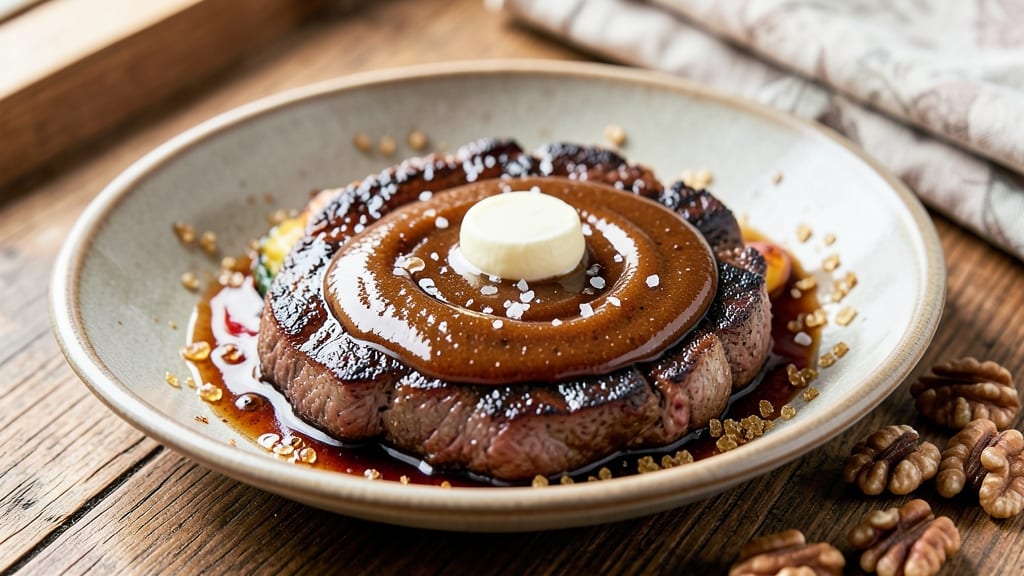
This balsamic brown sugar sauce recipe transforms simple ingredients into a versatile glaze that elevates everything from grilled meats to roasted vegetables. The perfect balance of sweet and tangy flavors comes from simmering balsamic vinegar with brown sugar until thick and syrupy—no fancy techniques required.
I developed this sauce after craving a richer alternative to store-bought glazes, and it quickly became a staple in my kitchen for adding depth to dishes.
The beauty of this sauce lies in its simplicity and flexibility. With just five core ingredients—balsamic vinegar, brown sugar, butter, a pinch of salt, and a splash of water—you create a rich, glossy sauce that reduces to the perfect consistency for drizzling.
The process involves minimal active time, making it ideal for weeknight cooking or meal prep. Once simmered, the sauce thickens into a glossy, caramelized glaze that clings beautifully to proteins and vegetables.
What makes this sauce truly special is its ability to enhance a wide range of dishes. Drizzle it over grilled chicken or steak for a restaurant-quality finish, toss it with roasted Brussels sprouts for a sweet-savory twist, or even use it as a glaze for pork chops.
The sauce keeps well in the refrigerator for up to two weeks, so you can make a big batch and have it ready whenever inspiration strikes.
The key to success is patience during the reduction—letting the sauce simmer until it reaches the right consistency ensures it coats ingredients perfectly without being overly sweet. Whether you're serving a weeknight dinner or hosting a dinner party, this sauce delivers bold flavor with minimal effort. Let's get started!
Ingredients for balsamic brown sugar sauce
Five simple ingredients transform into a rich, glossy glaze perfect for meats and veggies.
| Ingredient | Amount | Notes |
|---|---|---|
| Balsamic Vinegar 🍷 | 1 cup | High-quality aged balsamic preferred |
| Light Brown Sugar 🍚 | ¾ cup | Packed lightly for accurate measure |
| Unsalted Butter 🧈 | ½ cup | Cold cubes for even melting |
| Kosher Salt 🧂 | ¼ tsp | Diamond Crystal preferred |
| Water 💧 | ¼ cup | Room temperature preferred |
The balsamic vinegar makes or breaks this sauce. Look for aged balsamic—it's richer and less acidic than regular. Trader Joe's and Whole Foods carry good options, or check the Italian section at your grocery store. Brown sugar should be light, not dark—it dissolves better and won't overpower the tang. For butter, I always grab Plugrá or Land O'Lakes unsalted since they melt smoothly. The water is just to help the sugar dissolve faster—no need to stress about the brand here.
No aged balsamic? Regular balsamic vinegar plus 1 tbsp maple syrup works in a pinch. Light brown sugar unavailable? White sugar plus 1 tbsp molasses mimics the flavor. Butter substitute? Vegan butter or coconut oil keeps it dairy-free. The salt is non-negotiable though—it balances the sweetness. If you're watching sodium, reduce to 1/4 tsp and adjust to taste at the end. The water can be swapped for apple juice if you're feeling fancy, but it's not necessary.
This sauce gets better as it sits. Store it in a glass jar in the fridge for up to 2 weeks. The consistency thickens as it cools, so reheat gently with a splash of water if needed. I make double batches—one for immediate use, one to freeze in ice cube trays for easy portioning later. Perfect for glaze, marinade, or even a quick pan sauce.
Why You'll Love This Recipe
- Five-Ingredient Magic: I swear by this—just vinegar, sugar, butter, salt, and water. That’s it. No fancy gadgets, no last-minute grocery runs. Honestly, I keep the ingredients in my pantry just for this.
- Sweet-Tangy Obsession: The first time I tasted it—warm brown sugar caramelizing with balsamic’s deep bite—my brain short-circuited. It’s the kind of sauce that makes you lick the spoon, then immediately think, “What else can I pour this on?”
- Weeknight Swiss Army Knife: This isn’t just for steak. Drizzle it over roasted Brussels sprouts, toss it with grilled chicken, or even stir it into yogurt for a dessert topping. (Yes, even on a Tuesday night.) I’ve used it for everything except, well, except my coffee.
- Leftovers That Last: Simmer it down, store it in the fridge, and it keeps for weeks. The flavor actually deepens over time—unlike most sauces that turn sad. Between us, I’ve reheated a jar from last month and still craved it. Budget win, flavor win.
Step-by-step instructions for balsamic brown sugar glaze
This sauce comes together in minutes with just five ingredients—simple but packed with bold flavor.
Combine Ingredients in a Saucepan
Add the 1 cup balsamic vinegar, 0.75 cup light brown sugar, 0.5 cup unsalted butter, 0.25 tsp kosher salt, and 0.25 cup water to a medium saucepan. Stir everything together until the sugar dissolves completely—this should take about 2 minutes over medium heat. I like to use a wooden spoon here because it won't scratch the pan.
Here's the thing—don't rush this step. You want the sugar to fully incorporate so you don't end up with grainy bits in your finished sauce. If you notice any undissolved sugar after stirring, give it another 30 seconds of gentle heat to melt it all in. This is where patience pays off for that silky texture later.
Simmer Until Thickened
Once everything is combined, increase the heat to medium-high and bring the mixture to a gentle boil. Then immediately reduce the heat to medium-low and let it simmer uncovered for 12-15 minutes. You'll know it's ready when the sauce thickens noticeably—it should coat the back of a spoon and leave a slight trail when you run your finger through it.
Watch the pan carefully during this time. The sugar will start caramelizing, which gives that deep, rich color. If you see the sauce getting too dark too quickly (almost burnt), reduce the heat slightly or move it to a cooler part of the burner. You want a beautiful amber color, not burnt caramel. Stir occasionally to prevent sticking, but don't over-stir or you'll lose that glossy finish.
Test for Doneness
After 12-15 minutes, perform the plate test to check if it's ready. Spoon a small amount onto a chilled plate and let it cool for 1 minute. If it sets slightly when touched with your finger, it's perfect. If it's still too runny, return it to the heat for another 2-3 minutes and test again. The sauce should be thick enough to coat the back of a spoon but still flow smoothly.
If you're unsure, here's a pro tip: the sauce should be at a soft-ball stage—when you drop a spoonful into ice water, it should form a soft ball that holds its shape. This ensures it'll cling beautifully to your pasta or grilled meats without being too sticky. Don't let it get too thick or it'll turn into a hard candy-like consistency that's impossible to drizzle.
Cool and Store
Once the sauce reaches the perfect thickness, remove it from heat and let it cool for 5 minutes. This resting period allows the flavors to meld together and the sauce to thicken slightly as it cools. I like to transfer it to a clean jar or airtight container while it's still warm—this helps prevent condensation when it cools completely.
The sauce will keep in the refrigerator for up to 2 weeks, making it perfect for meal prep. When you're ready to use it, simply reheat it in a small saucepan over low heat, stirring occasionally, until it reaches a smooth, pourable consistency. If it thickens too much while reheating, add 1-2 teaspoons of water to loosen it back up. This sauce tastes even better the next day as the flavors deepen!
Pro Tips For Making Balsamic Brown Sugar Sauce
- STIR CONSTANTLY ON HIGH HEAT: The sauce will burn faster than you think—especially when the butter melts and the sugar starts caramelizing. Keep that spoon moving in tight circles, even if it feels tedious. I used to walk away for "just a minute," and that’s how you end up with a bitter, blackened mess instead of glossy, balanced sweetness.
- USE WARM VINEGAR: Cold balsamic vinegar will cool down your sauce and slow the caramelization. Warm it in a small saucepan or microwave for 10 seconds first—just enough to take the chill off. Trust me, this small step makes the whole process smoother and the final sauce richer.
- SALT THE BUTTER FIRST: If you add salt at the end, you’ll end up with uneven flavor distribution. Toss in the full ½ teaspoon kosher salt (or more, depending on taste) right when you melt the butter. This guarantees every bite gets that perfect balance of sweet, tangy, and savory.
- DILUTE GRADUALLY: Don’t dump all the water in at once—add it in 1-tablespoon increments while stirring. This prevents the sauce from splitting or turning grainy, especially if you’re using a thicker balsamic reduction. Start with 2 tablespoons, taste, then adjust. You can always add more, but you can’t take it out.
Flavor customization for this balsamic brown sugar sauce
Sweet-Tart Balance
Adjust the sweetness by changing the brown sugar amount—reduce to ½ cup for a more tangy profile or increase to 1 cup for a richer glaze. For extra tang, add 1 tbsp lemon juice or 1 tsp apple cider vinegar at the end.
I often tweak the ratio based on the dish: more sugar for pork, less for grilled fish. 🍋
Herb & Spice Infusions
Add fresh herbs like 1 tbsp chopped rosemary or 1 tsp dried thyme while simmering for a savory twist. For warmth, stir in ½ tsp cinnamon or ¼ tsp smoked paprika—these complement grilled meats beautifully.
If you love heat, a pinch of red pepper flakes at the end adds a subtle kick without overpowering.
Rich Creamy Version
Swap half the butter for ½ cup heavy cream to create a velvety sauce perfect for drizzling over roasted vegetables. The cream adds depth while keeping the signature sweet-tart flavor.
For a dairy-free option, use ½ cup coconut milk instead. This variation works especially well with glazed carrots or Brussels sprouts. 🥕
Citrus Brightening
Zest of 1 orange or 1 lime added during the final 5 minutes of simmering brightens the sauce with citrus notes. The acidity cuts through the richness, balancing the sweetness beautifully.
I love this variation for seafood dishes or as a glaze for grilled shrimp. Save the zest for garnish if you prefer a milder flavor.
Smoky Depth
Add 1 tsp liquid smoke or ½ tsp smoked salt during the last 2 minutes of simmering for a smoky twist. This works amazingly with pulled pork or grilled chicken.
For a more intense flavor, char 1 small onion in a dry pan until blackened, then whisk it into the sauce before reducing. The charred bits add a deep, complex flavor. 🔥
Dessert Adaptation
Reduce the balsamic to ½ cup and add 1 tsp vanilla extract for a dessert-friendly glaze. Drizzle over vanilla ice cream, pound cake, or grilled peaches.
For extra richness, stir in 2 tbsp mascarpone cheese at the end. This version keeps the signature tang but makes it perfect for sweet applications. 🍰
Nutrition facts
Frequently asked questions
Can I make this sauce without butter?
Yes! For a dairy-free version, replace the ½ cup butter with ½ cup coconut oil or ½ cup olive oil. The sauce will still thicken beautifully, though the texture may be slightly lighter. If you're avoiding oil too, try ½ cup unsweetened applesauce for moisture while keeping the sweet-tangy profile. The sauce will work perfectly for drizzling over veggies or grilled proteins.
How do I prevent the sauce from crystallizing?
Crystallization happens when sugar separates during cooling. To avoid it, stir the sauce gently but continuously during the final 2-3 minutes of simmering. Also, let it cool in the pan for 5 minutes before transferring to a jar—this gradual cooling prevents sudden temperature changes that trigger sugar crystals. If it happens, reheat the sauce with 1 tbsp water and stir until smooth.
What's the best way to use leftover sauce?
Store leftovers in an airtight container in the fridge for up to 2 weeks. Reheat gently over low heat with a splash of water if it thickens too much. Use it as a marinade for 30 minutes before grilling, a glaze for roasted vegetables, or a drizzle over mashed potatoes. For extra flavor, stir in 1 tsp fresh thyme or ½ tsp garlic powder when reheating.
Can I make this sauce in a slow cooker?
Combine all ingredients in the slow cooker and cook on Low for 4-5 hours or High for 2-3 hours, stirring occasionally. The slow cooking enhances the caramelization naturally. Check the consistency after 2 hours—if it's too thin, uncover and cook longer. This method is perfect for hands-off prep when you're busy with other tasks.