
Sauces & Condiments
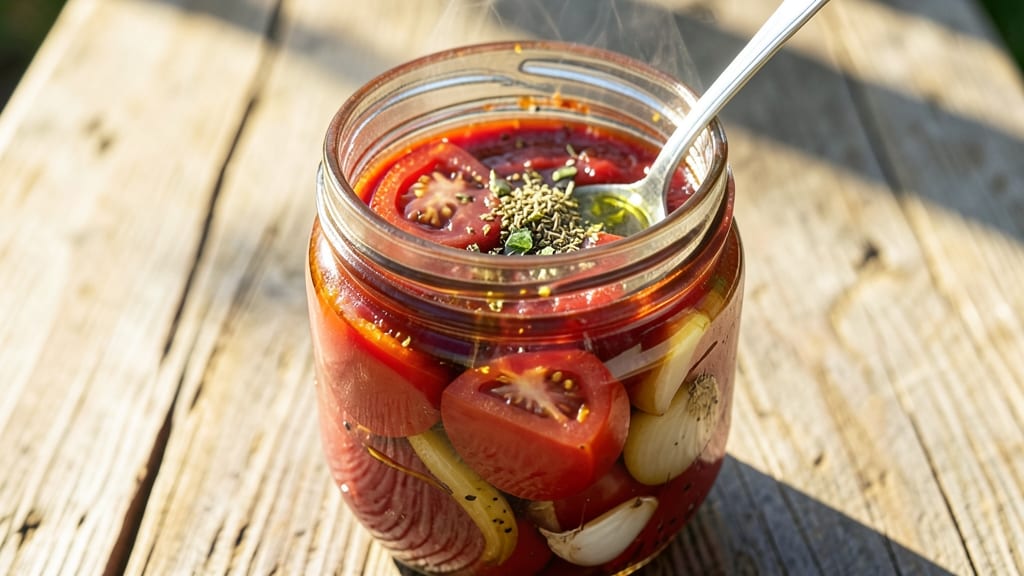
This ball canning marinara sauce recipe transforms summer's bounty of fresh tomatoes into a rich, vibrant sauce that preserves flavor for months. The secret lies in proper acidification and slow cooking to develop deep, complex notes that store-bought versions can't match.
I've perfected this method after years of canning, ensuring every jar delivers restaurant-quality sauce with that fresh-from-the-garden taste.
What sets this recipe apart is the balance of acidity and sweetness—critical for safe canning while maintaining authentic Italian flavor. We'll use fresh tomatoes, garlic, and herbs cooked down into a thick, velvety sauce with just enough acidity (from lemon juice or vinegar) to meet USDA guidelines.
The slow simmer allows flavors to meld while reducing the sauce to perfect consistency for canning.
Once properly canned in Ball jars, this marinara keeps its vibrant color and rich flavor for up to 18 months in cool storage. The sauce maintains its depth whether used as a pasta base, pizza topping, or dipping sauce.
What you'll end up with is a pantry staple that tastes like summer every time you open a jar.
The process requires attention to detail—sterilizing jars, maintaining proper headspace, and ensuring adequate acidity—but the results are worth every step. This isn't just canning; it's preserving memories of summer's harvest in every jar. Let's get started on creating your flavor archive.
Ingredients for ball canning marinara sauce recipe with fresh tomatoes
Fresh tomatoes, herbs, and acidity—everything you need for canning marinara that tastes like summer.
| Ingredient | Amount | Notes |
|---|---|---|
| Fresh Roma Tomatoes 🍅 | 4 lbs | Ripe, firm, no bruises |
| Yellow Onion 🧅 | 1 whole | Medium size, chopped |
| Garlic Cloves 🧄 | 8 cloves | Fresh, peeled, minced |
| Extra-Virgin Olive Oil 🫒 | ½ cup | High quality, fruity |
| Dried Oregano 🌿 | 1 tbsp | Italian preferred |
| Dried Basil 🌿 | 1 tbsp | Or 0.25 cup fresh |
| Salt 🧂 | 1 ½ tsp | Kosher or sea salt |
| Black Pepper 🌶️ | ½ tsp | Freshly ground |
| Lemon Juice 🍋 | ¼ cup | Freshly squeezed |
| White Vinegar 💧 | ¼ cup | For acidification |
| Sugar 🍚 | 1 tbsp | White granulated |
The tomatoes are the heart of this sauce, so pick the best at the farmers market—Roma tomatoes are ideal, but beefsteak or vine-ripened work too. Look for vibrant red color and firmness; avoid any with soft spots. I always buy more than I need since we're making a big batch for canning. For garlic, peel and mince fresh—jarred minced garlic lacks flavor. The extra-virgin olive oil should be fruity and peppery, not bitter. Trader Joe's and Whole Foods have great options, but any quality brand works. If you're using fresh basil, grab extra—half goes in the sauce, half gets tossed on top of the jars later for that fresh-from-the-garden look.
No fresh basil? Dried works at one-third the amount, but fresh is worth it. Short on tomatoes? Canned San Marzano tomatoes (no salt added) are a great backup—just drain them well. The acidity from lemon juice and vinegar is non-negotiable for safe canning; don't skip it. If you're sensitive to vinegar's taste, balance it with a little more sugar. The sugar also helps preserve the sauce's rich color. For the oregano, Italian seasoning blends work too, but pure oregano gives that authentic Italian flavor. And trust me on the salt—measure it carefully, but don't be afraid to add more during cooking to taste.
Once canned, this sauce keeps for 18 months in cool, dark storage. I always label my jars with the date and contents—permanent marker on masking tape works best. The sauce thickens as it ages, so it's perfect for pasta or pizza after a quick simmer with water. For extra flavor, add a splash of pasta water when reheating. Freeze any extra sauce in portions—ice cube trays are perfect for single-use servings. And if you're canning for the first time, sterilize jars and lids properly—boiling water bath for 10 minutes does the trick.
Why You'll Love This Recipe
- No Chopping Nightmare: I swear by this recipe because those Roma tomatoes barely need prepping—just a quick rinse and a core cut. The onions and garlic brown in minutes while you’re still pulling jars out of the hot water bath, no knife skills required.
- Sunshine in a Jar: That first spoonful of sauce straight from the jar? It’s like summer vacation in your mouth—the tomatoes burst with freshness, the olive oil adds richness, and the oregano lingers like a warm hug. (Yes, even on a Tuesday night.)
- Pantry to Party: I’ve used this sauce for everything from weeknight spaghetti to holiday lasagna, and it never lets me down. The thick, chunky texture works just as well in a rustic bread bowl as it does drizzled over grilled cheese for the kids.
- Stockpile of Gold: Honestly, I make this once a year and it lasts me through winter. The acidity from the tomatoes keeps it safe for months, and the cost? A fraction of store-bought. Plus, my freezer’s full of backup jars—because you can never have too much marinara.
Step-by-step instructions for ball canning marinara sauce
Here's how to transform fresh tomatoes into a vibrant, shelf-stable sauce that tastes like summer all year.
Prep and Blanch the Tomatoes
Start by washing the 4 lbs fresh Roma tomatoes thoroughly under cool water. Cut them in half crosswise and remove the cores using a small spoon. Place the halved tomatoes in a large stockpot and add 1 whole yellow onion (chopped into quarters) and 8 cloves garlic cloves (peeled and smashed). Cover with water by about 2 inches and bring to a boil over high heat.
Once boiling vigorously, reduce heat to medium-high and let the tomatoes blanch for 5-7 minutes. You'll see the skins start to loosen and the tomatoes sink to the bottom. This step softens the tomatoes and makes peeling them effortless. Drain the tomatoes in a colander and immediately transfer them to an ice bath to stop the cooking process. Let them cool for 3-5 minutes before peeling.
To peel, hold each tomato half under running water and gently rub the skin with your fingers—it should slide right off. Discard the skins and place the peeled tomatoes back in the stockpot. Add 1 tbsp dried oregano, 1 tbsp dried basil, 1.5 tsp salt, and 0.5 tsp black pepper. Mash the tomatoes with a wooden spoon or potato masher until you have a chunky texture—this preserves the natural body of the sauce.
Simmer the Sauce Base
Return the mashed tomatoes to medium heat and stir in 0.5 cup extra-virgin olive oil, 0.25 cup lemon juice, and 0.25 cup white vinegar. Bring the mixture to a gentle simmer, then reduce heat to low and let it cook uncovered for 30-40 minutes. Stir occasionally to prevent sticking and allow the flavors to meld.
Here's the thing—you want the sauce to reduce slightly but not dry out. It should thicken just enough to coat the back of a spoon but still maintain a vibrant color. If the sauce looks too thin after 30 minutes, continue simmering for another 10 minutes. If it's too thick, add 2-3 tablespoons of water to loosen it. Taste and adjust seasoning if needed—this is your chance to balance the acidity from the lemon juice and vinegar.
Stir in 1 tbsp sugar during the last 5 minutes of simmering. This helps balance the acidity and adds a subtle sweetness that complements the tomatoes. The sugar will dissolve completely by the end, so no need to worry about graininess.
Prepare for Canning
While the sauce simmers, prepare your canning equipment. Wash 4 clean pint-sized canning jars and lids in hot, soapy water. Keep the jars hot until you're ready to fill them—this helps create a proper seal. Sterilize the lids by simmering them in a separate pot of water for 10 minutes. Remove the lids with tongs and set them aside on a clean towel.
Fill a large pot with about 3 inches of water and bring it to a boil. This will be your water bath canner. Once the sauce has finished simmering, carefully ladle it into the hot jars, leaving about ½ inch of headspace at the top. Use a non-metallic utensil to remove any air bubbles by gently tapping the jar or running the utensil around the inside.
Wipe the rims of the jars with a clean, damp cloth to remove any sauce residue or fingerprints. This ensures a good seal. Place the lids on the jars and screw on the bands until they're fingertip-tight—don't overtighten, or you might not get a proper seal.
Process the Jars in a Water Bath
Lower the jars into the boiling water bath using a jar lifter or tongs. Make sure the jars are completely submerged, covered by at least 1 inch of water. Bring the water back to a full rolling boil and process the jars for 35 minutes for pint-sized jars. This timing is critical—it ensures the sauce is safely preserved and free from bacteria.
During processing, you might see foam or bubbles on the water's surface. This is normal, but make sure the jars stay submerged. If the water level drops below 1 inch above the jars, add boiling water to maintain the level. Don't open the lid of the canner during processing—each time you do, you lose heat and extend the processing time.
Once the 35 minutes are up, carefully remove the jars from the canner using tongs and place them on a clean towel. Let them cool undisturbed for 12-24 hours. You'll hear a satisfying "ping" as the jars seal. After cooling, check the seals by pressing down on the center of each lid—if it doesn't pop up, the jar is sealed and ready for storage.
Store and Enjoy
Once all jars are sealed, remove the bands and label them with the date. Store the jars in a cool, dark place like a pantry or cellar. Properly canned marinara sauce will keep for 12-18 months, though the flavor will be at its peak within the first 6 months. When you're ready to use it, simply open a jar and heat the sauce gently on the stovetop or in the microwave.
This sauce is incredibly versatile—use it as a base for pasta, pizza, or as a topping for grilled meats. The bright acidity from the lemon juice and vinegar, combined with the sweetness of the tomatoes and garlic, makes this sauce a pantry staple you'll reach for time and time again. And the best part? You'll have the satisfaction of knowing you preserved the taste of summer with your own hands.
Pro Tips For Making Ball Canning Marinara Sauce Recipe With Fresh Tomatoes
- Blister, Don’t Burn: Roma tomatoes need high heat to break their skins but won’t give up their juice if you char them—aim for deep golden blisters, not blackened husks. I used to rush this, and the sauce always tasted dull; now I keep the heat right under the broiler (about 6-8 minutes) and rotate the pan.
- Salt the Onions: Toss finely diced onion with a pinch of salt before cooking—it softens them faster and pulls out excess moisture so they caramelize instead of stewing. My grandmother swore by this, and she was right: no more watery sauce from weeping onions.
- Crush Garlic Coarsely: Skip the mincer—roughly chop garlic cloves (no need to peel) and smash them with the flat of your knife. This releases flavor without turning the sauce bitter, and you avoid the mushy texture that comes from over-mashing.
- Skim the Foam: After 20 minutes of simmering, skim off the foam that rises to the surface—it’s the bitterness from tomato skins and overcooked garlic. I learned this the hard way when my first batch tasted harsh; now I use a ladle and a fine-mesh strainer if I’m lazy.
Regional styles of this dish
Southern Italian Style
In Southern Italy, marinara sauce often includes a touch of chili flakes and a splash of red wine during cooking. For this regional take, add 1 tsp crushed red pepper with the herbs and deglaze the pot with ½ cup dry red wine after blanching the tomatoes.
Simmer the wine into the sauce for 5 minutes before adding the lemon juice and vinegar. The wine adds depth while the chili brings a subtle heat that pairs perfectly with pasta. 🌶️
Neapolitan Tomato Sauce
Neapolitan marinara focuses on slow-cooked intensity with a touch of sweetness. After simmering the base sauce, stir in 1 tbsp tomato paste and 1 tsp sugar (in addition to the recipe's sugar) for a richer flavor.
Some traditional versions also include a few fresh basil leaves at the end—add them during the last 5 minutes of simmering so they infuse the sauce without turning bitter. This version keeps its bright color even after canning.
California-Style Marinara
West Coast canners often incorporate sun-dried tomatoes for a concentrated burst of flavor. After blanching the fresh tomatoes, add ¼ cup chopped sun-dried tomatoes (oil-packed) along with the garlic and onion.
The California version also benefits from 1 tsp dried rosemary added during the simmering stage, giving it a fresh, herbal brightness. This style works wonderfully as a pizza sauce due to its slightly thicker consistency.
Sicilian Tomato Sauce
Sicilian marinara sauce often features fennel for a unique anise-like note. Add ½ cup finely chopped fennel bulb when sautéing the onions and garlic. The fennel should cook down completely during the 30-40 minute simmer.
For extra authenticity, finish with 1 tsp fennel seeds toasted in a dry pan until fragrant, then crushed and sprinkled over the sauce before canning. This version pairs beautifully with seafood dishes.
Texas-Style BBQ Marinara
For a smoky twist, Texas canners often add 1 tbsp smoked paprika and ½ tsp liquid smoke to the simmering sauce. The liquid smoke should be added 10 minutes before the end of cooking to allow the flavors to meld without overpowering.
This version works perfectly as a dipping sauce for fried chicken or as a base for chili. The acidity from the lemon and vinegar balances the smokiness beautifully. 🔥
Herb-Forward Mediterranean
Mediterranean variations emphasize fresh herbs and citrus zest. After the initial simmer, stir in 1 tbsp fresh thyme leaves and zest of 1 lemon (in addition to the lemon juice). The zest adds a bright, aromatic note that elevates the sauce.
For extra depth, add 1 tsp dried marjoram with the oregano. This version is perfect for drizzling over grilled vegetables or as a topping for flatbreads.
Nutrition facts
Frequently asked questions
Why do I need to add lemon juice and vinegar to my tomato sauce for canning?
These ingredients provide the necessary acidity to prevent botulism—a serious food safety risk. The combination of 0.25 cup lemon juice and 0.25 cup vinegar brings the pH to a safe level (4.6 or lower) while keeping the flavor bright. Never skip this step, even if your tomatoes appear very acidic.
Can I use canned tomatoes instead of fresh ones for this recipe?
Yes, but with adjustments! Use 2 (28 oz) cans no-salt-added crushed tomatoes instead of fresh. Drain them well and add 1 extra tablespoon of sugar to balance the acidity. The texture will be slightly different but still delicious. For best results, choose high-quality brands like San Marzano.
How do I know when my jars are properly sealed?
After cooling for 12-24 hours, press the center of each lid. If it doesn't pop up, the jar is sealed! You'll also hear a satisfying "ping" sound when they seal. If any jars don't seal, store them in the fridge and use within 1 week or reprocess them.
What's the best way to store my canned marinara sauce?
Keep sealed jars in a cool, dark place like a pantry or cellar. The sauce will last 12-18 months at its best quality. Once opened, transfer any unused sauce to airtight containers and refrigerate for up to 1 week. Freezing is also an option for up to 3 months.
Can I adjust the thickness of the sauce before canning?
For a thicker sauce, simmer uncovered for 5-10 extra minutes to reduce further. If it's too thick, add 1-2 tablespoons of water at a time. Remember, the sauce will thicken more as it ages in storage, so aim for a slightly thinner consistency before canning.