
Sauces & Condiments
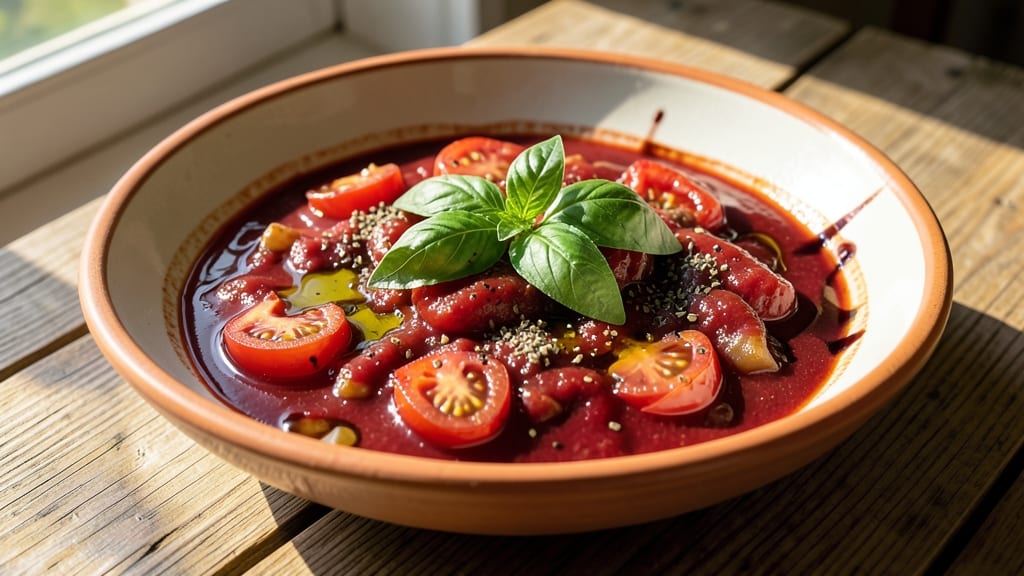
This authentic Italian pasta sauce recipe transforms fresh tomatoes into a vibrant, herb-infused marinara that captures the essence of Italian cooking. The secret lies in slow simmering to develop deep flavor while preserving the natural sweetness of the tomatoes, creating a sauce that clings beautifully to pasta without overwhelming it.
What sets this sauce apart is the balance of bright acidity from fresh tomatoes and aromatic herbs like basil and oregano, which infuse the sauce with authentic Italian character. Unlike many store-bought versions, this recipe avoids heavy cream or sugar, focusing instead on the natural flavors of quality ingredients.
The result is a sauce that's versatile enough for any pasta dish but rich enough to stand alone.
Perfect for weeknight dinners or meal prep, this sauce delivers restaurant-quality results with minimal effort. It freezes beautifully, making it ideal for stocking your pantry with homemade goodness.
The technique is simple yet precise—simmering the tomatoes until they break down into a velvety consistency while building layers of flavor through careful reduction.
Whether you're tossing it with al dente spaghetti or using it as a base for other Italian dishes, this sauce brings authentic Italian taste to your table. The key is patience—letting the tomatoes develop their natural sweetness and the herbs release their aromatic oils for a sauce that's truly special.
Ingredients for authentic italian pasta sauce recipe fresh tomatoes
Fresh tomatoes and aromatic herbs create an authentic Italian sauce that's vibrant and full of flavor.
| Ingredient | Amount | Notes |
|---|---|---|
| Fresh Tomatoes 🍅 | 2 ½ lbs | Ripe, vine-ripened preferred |
| Extra-Virgin Olive Oil 🫒 | ½ cup | High quality, fruity |
| Garlic Cloves 🧄 | 6 cloves | Peeled, thinly sliced |
| Fresh Basil Leaves 🌿 | 1 cup | Packed, stems removed |
| Dried Oregano 🍃 | 1 tsp | Italian preferred |
| Red Wine Vinegar 🍷 | 2 tbsp | For acidity balance |
| Sea Salt 🧂 | 1 ½ tsp | Diamond Crystal preferred |
| Freshly Ground Black Pepper 🌶️ | ½ tsp | Freshly cracked |
| Red Bell Pepper 🧅 | 1 whole | Seeded, diced |
| Yellow Onion 🧅 | 1 whole | Medium, finely chopped |
The tomatoes are the foundation—vine-ripened ones from the farmers market have the best flavor, but any ripe tomatoes work. San Marzano canned tomatoes are a great backup if fresh aren't available. For garlic, freshly peeled cloves make all the difference—pre-minced garlic loses its punch. The basil should be fresh, not dried, for that true Italian aroma. Trader Joe's and Whole Foods usually carry high-quality fresh basil in season. If you must use dried, reduce the amount to one-third of fresh.
No red wine vinegar? White wine vinegar or lemon juice works in a pinch, though red wine vinegar gives that authentic tang. Swap the red bell pepper for green bell pepper or zucchini if needed. The onion can be yellow or red, but avoid sweet onions like Vidalia. For extra richness, add a tablespoon of tomato paste to deepen the color and flavor. If you're short on basil, fresh parsley or thyme can stretch it out—just use half the amount. The key is balancing acidity and sweetness, so taste as you go.
This sauce keeps beautifully in the fridge for 5-7 days in an airtight container. For longer storage, freeze it in ice cube trays or small containers—thaw and reheat gently on the stove. The flavors actually improve after a day or two as the ingredients meld together. If you make a big batch, portion it into meal prep containers for easy grab-and-go meals. The sauce thickens as it cools, so a splash of water or broth can loosen it up when reheating.
Why You'll Love This Recipe
- No Chopping Chaos: Honestly, I just rough-chop tomatoes and toss them in—no peeling, no fancy dicing. That garlic? One quick smash with the flat side of my knife, then straight into the oil. The basil gets torn by hand because, let’s be real, no one’s measuring those leaves.
- Sunshine in a Sauce: The moment those tomatoes hit the pan with olive oil and garlic, the kitchen smells like summer. The oregano adds this earthy depth, while the basil—freshly torn—gives it that bright, herbal punch that makes you want to eat it straight from the spoon. (I have.)
- Leftovers That Lie: Between us, this sauce only gets better after a day in the fridge. The flavors meld into this rich, tangy perfection that’s way easier than takeout. I freeze half in jars—just reheat and toss with pasta for lazy nights or impromptu dinner guests.
- Pantry Magic: You’re probably already using these ingredients. A handful of tomatoes from your garden or the store, olive oil you’ve had for months, and herbs you might’ve bought on a whim. No specialty items, no last-minute grocery runs—just pure, reliable Italian comfort.
Step-by-step instructions for authentic Italian pasta sauce
This method delivers restaurant-quality sauce with vibrant tomato flavor and balanced acidity.
Prepare the Base Ingredients
Begin by finely chopping the 1 whole yellow onion and 1 whole red bell pepper into small dice—about ¼-inch pieces. Heat the 0.5 cup extra-virgin olive oil in a large, heavy-bottomed pot over medium heat. Add the onion and bell pepper, cooking for 5-6 minutes until softened and translucent.
This foundational step develops the sauce's depth. The vegetables should sweat rather than brown at this stage—you'll achieve that later. Keep the heat steady to prevent burning while building flavor through slow cooking. The onions will release their natural sweetness, which balances the acidity of the tomatoes.
Add Garlic and Herbs
Push the onion mixture to one side of the pot and add the 6 cloves thinly sliced garlic cloves directly to the oil. Cook for 30 seconds until fragrant—garlic should never color or burn. Stir well to distribute the garlic throughout the vegetables, then add the 1 tsp dried oregano and cook for another 1 minute.
The oregano releases its earthy aroma immediately, creating the Italian flavor base. Here's where it gets critical: don't let the garlic brown. Burnt garlic tastes bitter and ruins the delicate balance you're building. If you smell any bitterness, remove the pot from heat immediately and start over with fresh garlic.
Incorporate Tomatoes and Vinegar
Add the 2.5 lbs fresh tomatoes, crushing them with your hands as you add them to the pot. Stir in the 2 tbsp red wine vinegar and 1.5 tsp sea salt. Bring the mixture to a gentle simmer over medium-low heat, then reduce heat to low and let it cook uncovered for 25-30 minutes.
This slow cooking allows the tomatoes to break down naturally, creating a rich, velvety texture. You'll notice the sauce gradually thicken as moisture evaporates. Stir occasionally to prevent sticking, but don't over-stir—this can make the sauce too smooth. The vinegar brightens the acidity while the salt enhances all flavors. You're aiming for a sauce that coats the back of a spoon but isn't glued to the pot.
Finish with Fresh Basil
Remove the pot from heat and stir in the 1 cup fresh basil leaves and 0.5 tsp freshly ground black pepper. Let the sauce sit off the heat for 10 minutes to allow the basil to infuse its bright, sweet flavor. Taste and adjust seasoning—you may need a touch more salt or vinegar depending on the tomatoes' natural acidity.
The basil should be added at the end to preserve its delicate flavor. If you cook it too long, it becomes bitter. This final step transforms the sauce from good to exceptional—adding freshness that dried herbs can't replicate. The pepper adds subtle heat that balances the sweetness of the tomatoes and onions.
Cook with Pasta (Optional)
For the most authentic experience, add cooked pasta directly to the sauce and toss gently. The residual heat will finish cooking the pasta while absorbing the sauce's rich flavors. If you prefer separate sauce, simmer gently for another 5-10 minutes to reach your desired consistency.
This sauce works beautifully with al dente pasta like spaghetti or penne. The key is to cook the pasta just before adding it to the sauce—this prevents a mushy texture. If the sauce seems too thick after adding pasta, stir in a splash of pasta water to loosen it to your preferred consistency. The result should be a sauce that clings beautifully to each strand of pasta.
Pro Tips For Making Authentic Italian Pasta Sauce Recipe Fresh Tomatoes
- Sear the Garlic Low and Slow: I learned this the hard way—cranking the heat to brown garlic fast turns it bitter. Instead, add the minced cloves to the olive oil over medium-low and let them shimmer just until fragrant, about 30 seconds. That golden aroma? That’s the difference between "meh" and "perfect."
- Blanch Tomatoes First: Dump whole tomatoes into boiling water for 30 seconds, then ice bath. Peeling becomes effortless, and the texture stays firm when you crush them. Skip this, and you’ll end up with a watery, seedy mess—trust me, I’ve been there.
- Salt the Tomato Water: When you blanch the tomatoes, add a pinch of salt to the boiling water. It seasons the flesh as it cooks, and you won’t need to over-salt later. (Yes, even if you’re impatient like me.)
- Finish with Cold Basil: Toss in a handful of fresh basil leaves right at the end—no chopping, no fuss. The cold leaves wilt just enough to release flavor without turning bitter. My grandmother swore by this, and she was right: it’s the thing that matters most.
Storing and reheating this recipe
Refrigerator Storage
Let your sauce cool completely before transferring it to an airtight glass container—I use Ball mason jars for their durability. Store in the fridge for up to 5-7 days, but I’ve found the flavors actually deepen after 24 hours as the ingredients meld.
The sauce will thicken slightly when chilled, so add a splash of water or broth when reheating to restore its silky texture. 🌿
Freezer Storage
For longer storage, freeze the sauce in ice cube trays or small containers—this makes it easy to thaw just what you need. Portion into quart-sized freezer bags, squeezing out excess air to prevent freezer burn.
Label with the date and freeze for up to 3 months. When ready to use, thaw overnight in the fridge or quickly in the microwave for 30 seconds on low power. 🧊
Reheating Methods
For the best texture, reheat on the stovetop over low heat with a splash of water or broth. Stir frequently to prevent sticking and avoid boiling, which can make the sauce watery.
If using the microwave, cover with a damp paper towel and heat in 30-second intervals, stirring between each. The sauce should reach 165°F to ensure food safety. 🔥
Reviving Thickened Sauce
If your sauce thickens too much after storage, simply stir in 1-2 tablespoons of water, broth, or pasta water while reheating. For extra richness, add a drizzle of extra-virgin olive oil—this also helps restore the sauce’s velvety consistency.
Taste and adjust seasoning with salt, pepper, or a touch of vinegar as needed. The goal is to bring back that restaurant-quality cling you love. ✨
Meal Prep Tips
Divide the sauce into meal prep containers with compartments for easy portioning. Store in the fridge for up to 5 days or freeze individual portions. When ready to serve, reheat just one portion—no need to thaw the whole batch.
I like to keep a small jar in the fridge for quick weeknight dinners, always ready to toss with freshly cooked pasta. 📅
Sauce Consistency Hacks
If your sauce is too thin after reheating, simmer uncovered for 5-10 minutes to reduce it. For a thicker sauce, blend it briefly with an immersion blender—this creates a smoother texture without losing flavor.
Avoid over-blending, as you want to keep some texture for that authentic Italian feel. Always taste as you go to achieve the perfect balance. 💡
Nutrition facts
Frequently asked questions
Can I use canned tomatoes instead of fresh?
For a quick version, use 2 (28 oz) cans San Marzano tomatoes instead of fresh. Crush them by hand before adding to the pot, and reduce cooking time to 20-25 minutes since canned tomatoes are already broken down. The flavor will be slightly different but still delicious—just add an extra ½ tsp sugar to balance any acidity.
Why does my sauce taste too acidic?
Fresh tomatoes vary in acidity, so taste as you go! To balance, stir in ½ tsp sugar or 1 tsp honey while simmering. If it's still too sharp, add a pinch of baking soda (just a tiny amount!) or a splash of tomato paste to mellow the acid. The key is slow simmering—this lets the natural sweetness develop.
How do I make this sauce thicker?
Simmer uncovered for 10-15 extra minutes to reduce the liquid. For a quicker fix, blend briefly with an immersion blender or stir in 1 tbsp cornstarch mixed with 2 tbsp water. Avoid over-blending—keep some texture for that authentic Italian feel. If it's too thick after storage, thin with pasta water or broth.
Can I make this sauce vegan?
Yes! This recipe is already vegan—just ensure your olive oil, vinegar, and salt are plant-based. For extra richness, stir in 1 tbsp nutritional yeast at the end for a cheesy flavor. Skip the pepper if you prefer no animal products, or use vegan pepper flakes. The sauce pairs perfectly with vegan pasta like chickpea or lentil noodles.
What’s the best pasta to pair with this sauce?
This sauce clings beautifully to long, thin pasta like spaghetti, linguine, or capellini. For texture, try rigatoni or penne to hold the sauce. Avoid overcooking the pasta—it should be al dente (1 minute less than package instructions) so it doesn’t turn mushy when tossed. For a rustic touch, serve with grilled bread or a sprinkle of Parmigiano-Reggiano.