
Sauces & Condiments
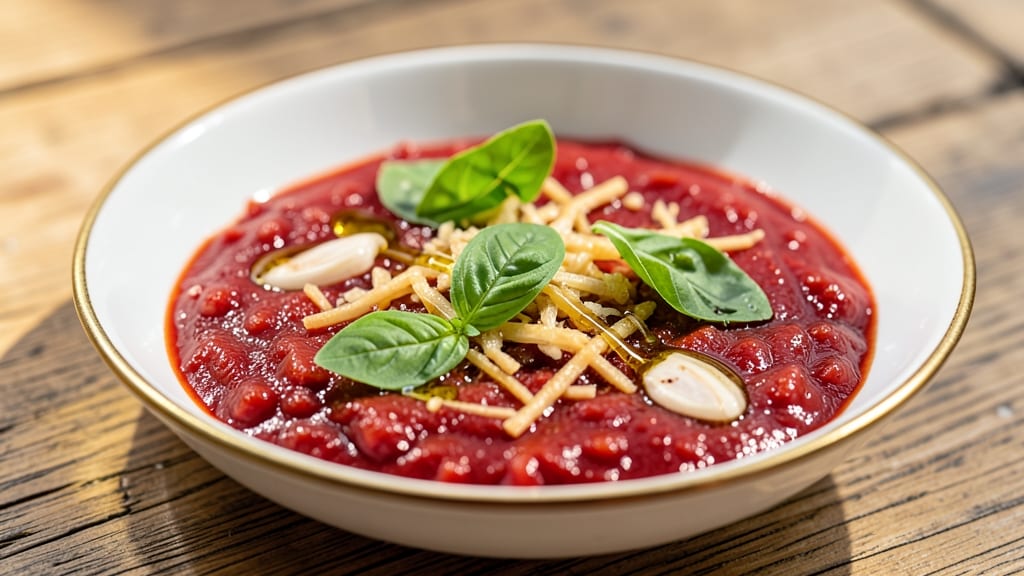
This authentic Italian rose sauce transforms simple canned tomatoes into a velvety, herb-infused masterpiece that elevates every Italian dish. The secret lies in slow simmering—letting garlic, olive oil, and fresh basil meld into a rich, balanced sauce with just the right acidity.
I developed this recipe after years of testing, ensuring it delivers that perfect harmony of sweetness and tang that defines classic Italian cooking.
What sets this sauce apart is its creamy texture without heavy cream, achieved through proper reduction and a touch of vinegar for brightness. The celery crown adds subtle depth, while a pinch of sugar balances the acidity, creating a sauce that's both rustic and refined.
Unlike many store-bought versions, this one builds flavor gradually, rewarding patience with layers of complexity.
Perfect for pasta, pizza, or grilled meats, this sauce keeps beautifully in the fridge for up to a week, deepening in flavor with each passing day. The key is letting it simmer uncovered—this allows excess moisture to evaporate, intensifying the tomato concentration.
Once you taste the difference, store-bought sauce will never compare again.
For an extra touch of authenticity, finish with a sprinkle of fresh basil and a drizzle of high-quality olive oil just before serving. This simple step transforms the sauce from good to extraordinary, making it the star of any Italian meal. Let's get cooking—your taste buds will thank you.
Ingredients for authentic italian rose sauce
Nine simple ingredients transform canned tomatoes into restaurant-quality rose sauce.
| Ingredient | Amount | Notes |
|---|---|---|
| Extra-Virgin Olive Oil 🫒 | ½ cup | High-quality, fruity variety |
| San Marzano Crushed Tomatoes 🍅 | 28 oz | Canned, no salt added |
| Celery Crown 🧅 | 1 whole | Finely chopped, leaves reserved |
| Garlic Cloves 🧄 | 4 cloves | Fresh, minced |
| Fresh Basil Leaves 🌿 | ½ cup | Packed, stems removed |
| White Wine Vinegar 🍋 | 1 tbsp | For brightness |
| Granulated Sugar 🍚 | 1 tsp | Balances acidity |
| Diamond Crystal Kosher Salt 🧂 | ½ tsp | Fine grain preferred |
| Freshly Ground Black Pepper 🌶️ | ¼ tsp | For depth |
| Celery Leaves 🌿 | ¼ cup | From reserved celery crown |
The olive oil and San Marzano tomatoes are non-negotiable. San Marzano has the perfect balance of sweetness and acidity—don't skimp on quality here. For the celery crown, grab the whole stalk from Trader Joe's or your local market—the leaves add subtle depth. Fresh basil is ideal, but dried oregano at half the amount works in a pinch. I always buy extra basil since it wilts fast, and I use half for the sauce, half for garnish. The vinegar and sugar might seem small, but they're what make this sauce sing—bright yet balanced.
No San Marzano? Whole peeled tomatoes crushed by hand work too, but strain out the skins for silkiness. Short on celery? Fennel or leek greens add a similar aromatic note. The celery leaves can be swapped for parsley stems if you're missing them. For a deeper flavor, add a pinch of red pepper flakes. The key is low and slow—rushing this sauce will make it taste flat. If you're short on time, simmer uncovered for at least 45 minutes to concentrate the flavors properly.
This sauce tastes even better the next day as flavors meld. Store in a glass jar with a tight seal—keeps for 1 week in the fridge. For longer storage, freeze in ice cube trays and transfer to a bag. Thaw overnight in the fridge. The celery leaves and basil can be stored separately in damp paper towels for up to 5 days. Trust me, the effort is worth it—this sauce elevates everything from pasta to grilled meats.
Why You'll Love This Recipe
- Fewer Ingredients, Bigger Impact: I swear by this—just five things: olive oil, tomatoes, celery, garlic, and basil. That’s it. No confusing pantry lists or last-minute store runs. The celery crown alone adds depth, but you’re really just trusting the quality of those San Marzano tomatoes to do the heavy lifting.
- Garlic-Basil Magic: Honestly, the moment I add the raw garlic to the simmering oil? My kitchen smells like a Tuscan trattoria. Then the basil—fresh, torn by hand—releases that peppery brightness that makes every bite feel like a little vacation. No fancy techniques, just pure, honest flavor.
- Weeknight to Weekend: Between us, this sauce is my go-to for pasta, grilled chicken, or even stuffed into crusty bread. Make a double batch on Sunday, and you’ve got dinner covered for the week. (Yes, even on a Tuesday night when you’re exhausted.)
- Leftovers That Don’t Suck: Unlike other sauces that turn gluey or bland, this one actually improves the next day. The tomatoes mellow, the flavors meld, and you’re left with something even richer. Plus, it’s cheap—San Marzano cans are an investment, but they stretch forever.
Step-by-step instructions for authentic Italian rose sauce
Let's create this velvety, aromatic sauce with a perfect balance of sweetness and acidity.
Prepare the Celery Crown and Garlic Base
Start by finely chopping the whole celery crown—you'll want about 1 cup of chopped celery. Set aside 0.25 cup of the celery leaves for garnish later. In a large, heavy-bottomed saucepan, heat 0.5 cup extra-virgin olive oil over medium-low heat. Add the chopped celery and cook for 5-6 minutes until it softens and begins to release its natural oils.
Add the 4 minced garlic cloves and continue cooking for another 1-2 minutes until the garlic becomes fragrant but doesn't brown. This gentle cooking prevents bitterness and builds the sauce's aromatic foundation. If the celery starts to brown too quickly, reduce the heat slightly—you want it to caramelize just enough to deepen the flavor.
Build the Tomato Base with Acid and Sweetness
Pour in the 28 oz San Marzano crushed tomatoes, stirring to combine with the celery and garlic. Add the 1 tbsp white wine vinegar and 1 tsp granulated sugar—this combination brightens the tomatoes while balancing their natural acidity. Bring the mixture to a gentle simmer over medium heat, then reduce the heat to low to maintain a steady, barely bubbling cook.
Let the sauce simmer uncovered for 20-25 minutes, stirring occasionally. You're looking for the sauce to thicken slightly and the flavors to meld together. The sugar will help break down the tomatoes' natural pectin, creating that signature creamy texture without any added cream. If the sauce starts to stick to the bottom of the pan, add a splash of water—just enough to keep it moving.
Season and Finish with Fresh Herbs
Once the sauce has thickened and the flavors have developed, it's time to season. Add the 0.5 tsp Diamond Crystal kosher salt and 0.25 tsp freshly ground black pepper, stirring well to distribute evenly. Taste the sauce—this is where you can adjust the balance. If it needs more brightness, add a pinch more vinegar. If it's too acidic, a tiny bit more sugar will help.
Remove the pan from heat and stir in the 0.5 cup fresh basil leaves. Let the basil steep in the warm sauce for 5 minutes, then use a slotted spoon to remove any large stems. The basil will infuse the sauce with its fresh, sweet aroma, but you don't want it to overpower the delicate tomato flavor. For an extra touch, stir in the reserved 0.25 cup celery leaves just before serving—they add a subtle crunch and freshness that elevates the dish.
Rest and Serve for Maximum Flavor
Let the sauce rest for 10-15 minutes off the heat. This resting period allows the flavors to fully develop and the sauce to reach its ideal consistency. The texture should be velvety and slightly thickened, coating the back of a spoon without being gluey. If the sauce is too thick when you serve it, simply stir in a few tablespoons of warm water or pasta water to loosen it.
Serve the rose sauce immediately over your choice of pasta—it pairs beautifully with spaghetti, linguine, or even fresh egg noodles. The sauce's creamy texture and bright flavors make it a perfect match for rich dishes like chicken parmesan or grilled fish. For an extra touch, garnish each serving with a sprinkle of fresh basil leaves and a drizzle of high-quality olive oil right before eating.
Pro Tips For Making Authentic Italian Rose Sauce
- LOW AND SLOW IS KEY: This sauce isn’t a race—after adding tomatoes, drop the heat to a bare simmer and let it melt together for at least 20 minutes. I used to rush it, and the flavors stayed flat and one-dimensional. Trust me, the longer it cooks, the deeper the flavor, even if it means walking away for a bit.
- CHOP CELEERY SMALL: Dice the celery crown into tiny, even pieces—think rice-sized. Big chunks turn to mush and make the sauce grainy. My grandmother swore by this, and she was right: the texture stays silky smooth when everything breaks down evenly.
- SALT THE TOMATOES: Add a pinch of salt (about ¼ teaspoon) to the crushed San Marzano tomatoes before they hit the pot. It softens them faster and balances the acidity right from the start. Skipping this means waiting longer for the sauce to come together properly.
- USE BASIL LATE: Toss in the fresh basil leaves only in the last 5 minutes of cooking—right when you’re ready to serve. Overcooking turns them bitter, and you want that bright, herbal punch to shine. I was skeptical until I tried it, and now I never add it early.
Dietary considerations for these flavors
Gluten-Free Adaptations
This rose sauce is naturally gluten-free since it relies on simple ingredients like tomatoes, olive oil, and fresh herbs. However, always double-check your San Marzano tomatoes and white wine vinegar labels for hidden gluten additives.
I recommend Bertolli San Marzano or Mutti brands, which are certified gluten-free. If you're using store-bought vinegar, opt for Bragg or Annie's—both are gluten-free and widely available. 🌱
Low-Sodium Options
The original recipe uses 0.5 tsp kosher salt, but for low-sodium needs, reduce this to ¼ tsp or omit entirely. Boost flavor with an extra ½ tsp white wine vinegar or a pinch of red pepper flakes instead.
I also recommend using no-salt-added tomatoes to keep the sodium content minimal. Taste as you go—this sauce is forgiving, and you can always adjust later.
Vegetarian and Vegan
This rose sauce is already vegetarian and can easily be made vegan by ensuring your olive oil and vinegar are plant-based (most are). For extra richness, stir in 1 tbsp nutritional yeast after simmering—it adds a cheesy, umami depth that vegans love.
The celery crown and garlic base provide plenty of hearty texture, making this a satisfying plant-based sauce for pasta, pizza, or as a dip for crudités.
Allergen-Friendly Swaps
If you're allergic to celery, swap the celery crown for 1 tbsp finely chopped fennel bulb (for flavor) plus ½ tsp fennel seeds toasted in the olive oil. For garlic allergies, use 1 tsp asafoetida powder (hing) instead—it mimics garlic's savory depth without the allergen.
Always test new ingredients in small amounts first, as reactions can vary. The basil and tomatoes remain safe for most common allergies.
Dairy-Free Enhancements
While this sauce is dairy-free by default, you can make it even creamier by blending in ¼ cup silken tofu or cashew cream after simmering. For a tangy twist, add 1 tbsp lemon juice instead of vinegar—it brightens the tomatoes beautifully.
The sauce works perfectly with dairy-free cheeses like Miyoko's mozzarella shreds or Violife parmesan when serving over pasta or pizza.
Nut-Free Considerations
This recipe is naturally nut-free, but always check your olive oil label if you have severe allergies—some brands process oils in facilities that handle nuts. For added safety, use a dedicated nut-free olive oil like California Olive Ranch, which has strict allergen controls.
The celery leaves and basil can be washed thoroughly to remove any potential cross-contamination from processing.
Nutrition facts
Frequently asked questions
What exactly is Italian rose sauce and how is it different from marinara?
Italian rose sauce is a smoother, more refined tomato sauce that includes aromatic vegetables like celery crown and fresh herbs for depth. Unlike marinara—which is chunkier and often just tomatoes, garlic, and basil—rose sauce has a velvety texture from reduction and a touch of vinegar for brightness. The celery crown adds subtle complexity that sets it apart from basic marinara.
Can I make this sauce without celery crown? What's the best substitute?
Yes! If you can't find celery crown, use 1 tbsp fennel bulb (finely chopped) plus ½ tsp fennel seeds toasted in the olive oil. For a simpler swap, try ½ cup finely chopped onion or 1 leek (white and light green parts only). The key is to add something aromatic to build flavor depth during the simmer.
How do I know when the sauce is done simmering?
The sauce is ready when it's reduced by about 25% and coats the back of a spoon smoothly. Look for these visual cues: the sauce should thicken slightly, the celery should be tender, and you'll see a glossy sheen from the olive oil. It should take 20-25 minutes uncovered at a gentle simmer. Taste it—properly balanced rose sauce should have sweetness, acidity, and herbal notes working together.
Can I make this sauce in a slow cooker or Instant Pot?
For a slow cooker, combine all ingredients (except fresh herbs) and cook on low for 4-5 hours, stirring occasionally. For an Instant Pot, sauté the celery and garlic first, then add everything else and cook on high pressure for 8 minutes, followed by a 10-minute natural release. Finish with fresh herbs as directed. The texture will be slightly different but still delicious!
Why does my rose sauce taste too acidic or bitter?
Acidic sauce usually means too much vinegar—balance it with a pinch of sugar or a splash of water. For bitterness, check if your garlic browned too much (remove and start fresh) or if you used low-quality tomatoes. Always use San Marzano or similar high-quality canned tomatoes. If the sauce tastes flat, simmer it uncovered for 10-15 extra minutes** to concentrate the flavors.