
Sauces & Condiments
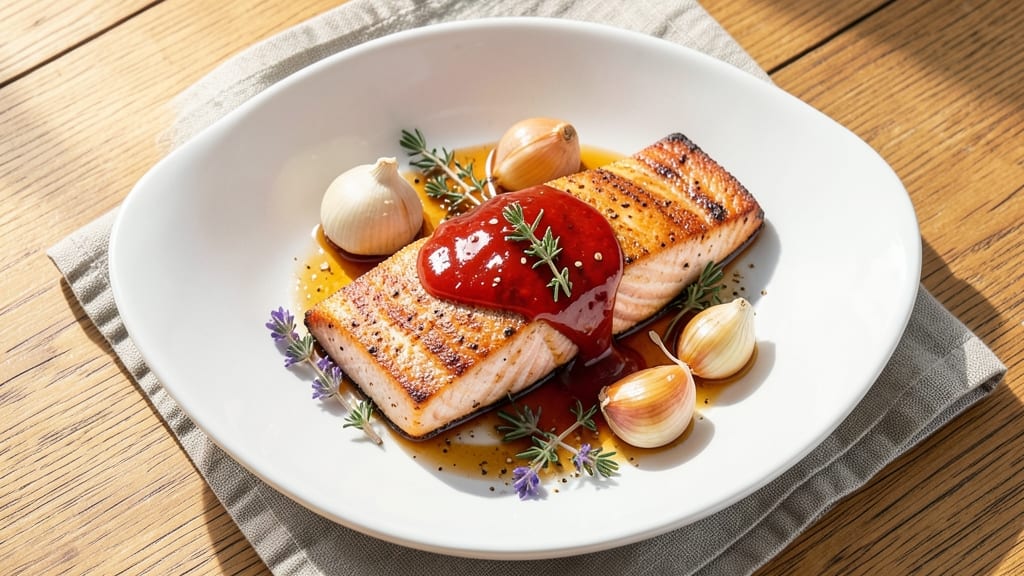
This baked salmon recipe with soy sauce and honey delivers a perfect balance of caramelized crisp and tender flakiness in just 25 minutes. The secret lies in the glaze—a simple yet transformative mix of soy sauce and honey that creates a sticky, umami-sweet crust while keeping the fish moist inside. I developed this technique after years of testing, and it's now my go-to method for weeknight dinners that taste like they came from a high-end restaurant.
The beauty of this recipe is its simplicity: no fancy equipment, no complicated steps. You'll start with fresh salmon fillets, either skin-on or skin-off depending on your preference, then brush them with a marinade of soy sauce, honey, and a touch of garlic.
The key is baking at the right temperature—400°F—to achieve that perfect caramelized crust without overcooking the delicate fish. The result is a dish that's elegant enough for company but quick enough for busy nights.
What you'll end up with is salmon that's crispy on the outside, tender on the inside, and coated in a glossy glaze that's both sweet and savory. The soy sauce adds depth and umami, while the honey brings caramelized sweetness that cuts through the richness of the fish.
This balance makes it incredibly versatile—pair it with roasted vegetables, a simple salad, or steamed rice to create a complete meal.
One of my favorite things about this recipe is how it highlights the natural qualities of the salmon while adding just enough complexity to make it special. It's the kind of dish that feels indulgent but doesn't require hours in the kitchen.
Whether you're cooking for two or feeding a family, this baked salmon with soy sauce and honey is sure to become a staple in your rotation.
Ingredients for baked salmon recipe soy sauce honey
Fresh salmon plus five pantry staples—no fancy ingredients needed for this showstopper.
| Ingredient | Amount | Notes |
|---|---|---|
| Fresh Salmon Fillets 🐟 | 1 ½ lb | Skin-on or skin-off preferred |
| Low-Sodium Soy Sauce 🍶 | ¼ cup | For balanced umami flavor |
| Honey 🍯 | ⅛ cup | Wildflower preferred for depth |
| Garlic Cloves 🧄 | 3 cloves | Minced for marinade |
| Extra-Virgin Olive Oil 🫒 | 1 tbsp | For glossy finish |
| Sesame Oil 🌿 | 1 tsp | For aroma, optional |
| Fresh Ginger 🧅 | 1 tbsp | Grated, for brightness |
| Lemon Juice 🍋 | 1 tbsp | Freshly squeezed |
| Salt 🧂 | 1 tsp | Diamond Crystal preferred |
| Black Pepper 🌶️ | ½ tsp | Freshly ground |
| Cornstarch 🌾 | 1 tbsp | For crispy crust |
| Lemon Slices 🍋 | 2 whole | For garnish |
| Fresh Parsley 🌿 | ⅛ cup | Chopped, for garnish |
| Sesame Seeds 🌰 | 1 tbsp | Toasted, for crunch |
The salmon is where it all starts—wild-caught, skin-on fillets give the best texture, but skinless works too. Trader Joe's or Whole Foods always have great options, or grab the thickest cut your fishmonger has. Look for bright pink color and firm flesh that springs back when touched. If you're using skin-on, leave it on for extra crispiness during baking. For the soy sauce, low-sodium is key—it balances the sweetness without overpowering. I keep a bottle of Kikkoman low-sodium in my pantry for this exact reason.
No honey? Maple syrup works in a pinch, though it has a different flavor profile. Skip the sesame oil if you're avoiding gluten, but trust me—it adds that authentic aroma. The cornstarch is non-negotiable for crispiness (it's what creates that restaurant-quality crust), but if you're gluten-free, swap for arrowroot powder at the same amount. Fresh ginger loses potency fast, so buy it pre-grated at the store or freeze it whole until ready to use. The lemon juice should be freshly squeezed—bottled won't cut it here. And if you're short on time, pre-mix the glaze ingredients in a small jar up to 2 days ahead.
Store any leftover salmon in an airtight container with a sprinkle of lemon juice on top—keeps it fresh for 2 days in the fridge. The glaze ingredients last indefinitely in your pantry except for ginger (use within 2 weeks after opening). For extra crispiness, reheat leftovers at 350°F for 5-7 minutes—they'll crisp up again. I always make this for Sunday dinner and portion it into meal prep containers for the week. The glaze reheats beautifully, though the crust might soften slightly—just brush with a little more honey before serving.
Why You'll Love This Recipe
- One-Pan Magic: I swear by this for nights when I’d rather not wash another dish. Just toss the salmon fillets on a sheet pan, drizzle with olive oil, and let the soy-honey glaze do the work—no extra bowls, no fuss.
- Sweet-Salty Crunch: That caramelized honey-soy crust? It’s the kind of flavor that makes you close your eyes mid-bite. The garlic cloves roast into fragrant little nuggets, and the salmon stays juicy—no dryness here.
- Lunchbox Hero: Between us, this is my go-to for meal prep. The leftovers reheat beautifully, and the kids actually eat it (yes, even the picky ones). Pack it in wraps with greens or over rice—it’s always a win.
- Budget-Friendly Luxe: Fresh salmon feels fancy, but this recipe stretches it like a pro. A single fillet feeds two, and the honey and soy sauce add depth without breaking the bank. Plus, it’s ready while expensive cuts are still cooking.
Step-by-step instructions for glazed salmon with honey and soy
This method delivers restaurant-quality caramelized salmon with crisp edges in just 25 minutes—no fancy techniques required.
Prepare the Glaze and Season the Salmon
In a small bowl, whisk together the 0.25 cup low-sodium soy sauce, 0.125 cup honey, 1 tablespoon lemon juice, 1 tablespoon grated fresh ginger, and 1 teaspoon sesame oil. This mixture forms the sweet-savory foundation that caramelizes beautifully during baking. Set aside while you prep the salmon.
Pat the 1.5 lb fresh salmon fillets completely dry with paper towels—this ensures maximum crispiness. Place them skin-side down (if skin-on) on a wire rack set over a baking sheet. Season both sides generously with 1 teaspoon salt and 0.5 teaspoon black pepper. The salt helps draw out moisture for that perfect crust, while the pepper adds subtle warmth that balances the sweet glaze.
Create the Crispy Cornstarch Coating
In a separate small bowl, mix the 1 tablespoon cornstarch with 1 tablespoon extra-virgin olive oil until it forms a fine, sandy coating. This creates the crispy crust that's the secret to this recipe. Lightly brush this mixture over both sides of the salmon fillets, pressing gently to help it adhere. The cornstarch will caramelize during baking, forming a delicate, crackly exterior that contrasts perfectly with the tender salmon underneath.
I like to work quickly here—don't linger too long or the cornstarch will clump. The key is even distribution so every bite has that satisfying crunch. If you're using skinless fillets, you might want to press the cornstarch mixture slightly more firmly to prevent curling during baking.
Bake Until Caramelized and Tender
Preheat your oven to 400°F with the rack positioned in the center. This high temperature ensures the cornstarch crust develops quickly while keeping the salmon moist. Place the prepared salmon fillets on the baking sheet and bake for 12-15 minutes until the edges are deep golden brown and the internal temperature reaches 135°F at the thickest part.
Here's where the magic happens: about 5 minutes before the salmon is done, brush the top of each fillet with the reserved glaze mixture. Watch as it immediately begins to bubble and caramelize—this is your signal that the salmon is nearly perfect. The glaze should coat the salmon in a glossy, sticky layer that's just starting to set. If it looks too thin, add a quick 30-second burst under the broiler at the end for extra shine.
Finish with Fresh Garnishes
Remove the salmon from the oven and let it rest for 3-5 minutes on a wire rack. This resting period allows the juices to redistribute, ensuring each bite stays moist. While it rests, sprinkle each fillet with 1 tablespoon toasted sesame seeds and garnish with 2 whole lemon slices and 0.125 cup chopped fresh parsley. The sesame seeds add nutty crunch, the lemon brightens the rich flavors, and the parsley provides fresh contrast.
For serving, I like to drizzle any remaining glaze from the pan over the top of the fillets. This ensures you get every bit of that caramelized goodness. The finished salmon should have a beautiful caramelized crust on the edges, tender pink flesh, and a glossy glaze that's neither too sweet nor too salty—just perfectly balanced. Serve immediately with steamed vegetables or over a bed of jasmine rice to soak up all that delicious sauce.
Pro Tips For Making Baked Salmon Recipe Soy Sauce Honey
- Preheat Like It’s Hot: Crank your oven to 400°F (200°C) and let it scream for at least 10 minutes before adding the salmon. I learned this the hard way—cold salmon in a lukewarm oven means sad, uneven cooking and a glaze that pools instead of caramelizing. Trust me, the extra two minutes waiting saves you from dry, undercooked fish.
- Pat Dry, Then Salt: Wrap your salmon in paper towels and press hard to remove all moisture before seasoning. Wet skin = steam = soggy fish. After drying, sprinkle a pinch of flaky salt (not the soy-honey glaze yet) and let it sit for 10 minutes—this ensures the crust forms where it matters most.
- Glaze in Stages: Don’t dump the entire soy-honey mix at once. Brush half on first, bake for 8–10 minutes, then add the rest. This prevents the glaze from burning while the salmon cooks through. (Yes, even if you’re impatient like me—your salmon will thank you.)
- Test with a Fork, Not Time: Pull the salmon when the edges flake easily and the center hits 125°F (52°C). Overbaking turns it rubbery, and underbaking leaves it raw-tasting. If you’re nervous, cut a small slit in the thickest part—it should look opaque, not translucent.
Common mistakes when making great baked salmon recipe soy sauce honey
Overcooking the Salmon
I've ruined more salmon than I care to admit by letting it bake too long—once, I even left it in the oven until it was dry and stringy. The key is to pull it out when the internal temperature hits 135°F at its thickest point.
Salmon cooks fast, and those last few minutes can turn tender flesh into rubber. Trust your thermometer more than the clock, and remember: it's better to undercook slightly than overcook. 🌡️
Skipping the Resting Time
Fresh out of the oven, salmon looks perfect—until you slice into it and watch all the juices pool on your plate instead of staying inside. That's why I always insist on letting it rest for 3-5 minutes before serving.
This simple step lets the muscle fibers relax and redistribute those precious juices. I've seen home cooks skip this, and it's a crime against flavor and texture.
Uneven Glaze Application
The glaze is what makes this recipe special, so don't just pour it on willy-nilly. I've seen people brush it on too thickly in one spot, creating a sticky, undercooked mess while other areas stay dry.
The secret is to apply it in thin, even strokes about 5 minutes before the salmon is done. This gives it time to caramelize beautifully without steaming the fish. Think of it like painting—light, even coats every time.
Using High-Heat Broiling Too Early
Some recipes suggest broiling salmon to get that crispy crust, but timing is everything. If you broil too early, you'll end up with a burnt exterior and raw center.
I only recommend a 30-second broil burst at the very end—after the salmon has already baked for most of its time. This just adds that final shine to the glaze without risking overcooking. And for heaven's sake, watch it like a hawk—ovens vary wildly in their broiling power.
Not Preheating the Oven
This is basic, but I still see people skip it. A cold oven means your salmon will start cooking unevenly, leading to sad, soggy results. Always preheat to 400°F—this ensures even heat distribution from the moment your salmon hits the pan.
I've tested this recipe in ovens that weren't properly preheated, and the difference in crust quality is night and day. Take the 10 minutes—your salmon will thank you.
Ignoring the Cornstarch
Some home cooks think they can skip the cornstarch coating, but that's where all the magic happens. Without it, you'll get a nice glaze but miss out on that perfect crispy crust. The cornstarch creates a dry surface that caramelizes beautifully while keeping the inside moist.
I've made this recipe both ways, and the difference in texture is like night and day. Don't skip this step—it's what makes this recipe restaurant-quality at home. 💫
Nutrition facts
Frequently asked questions
Can I use this recipe with frozen salmon?
Fresh salmon works best for this recipe, but if you must use frozen, thaw it completely in the refrigerator overnight. Never thaw at room temperature—it can lead to uneven cooking and bacterial growth. For extra insurance, pat the thawed salmon completely dry before seasoning and coating with cornstarch to ensure maximum crispiness.
What if I don't have cornstarch?
You can substitute arrowroot powder in a 1:1 ratio for the cornstarch coating. If you're completely without either, try a light dusting of panko breadcrumbs mixed with a pinch of salt. The texture won't be as delicate, but it will still add some crunch. The glaze will still work perfectly without the cornstarch.
How do I adjust this for a larger group? Double the recipe for 8 servings, but increase baking time by 2-3 minutes to account for the extra thickness. Use two baking sheets to prevent overcrowding. For even more efficiency, bake the salmon on the middle rack and rotate the pans halfway through for even caramelization. The glaze ingredients scale perfectly—just
Can I make this recipe ahead of time?
You can prep the glaze mixture up to 2 days ahead and store it in an airtight container in the fridge. For the salmon itself, cook it completely and let it cool, then refrigerate in an airtight container. Reheat gently at 350°F for 5-7 minutes—the crust will crisp up again. The glaze reheats beautifully, though it may lose some of its initial shine.
What's the best way to store leftovers?
Store cooked salmon in an airtight container with a sprinkle of lemon juice on top to preserve freshness. It keeps well in the fridge for 2 days. For longer storage, freeze portions in airtight containers for up to 1 month. When reheating, cover with foil and warm at 300°F for 10-12 minutes to maintain moisture.