
Sauces & Condiments
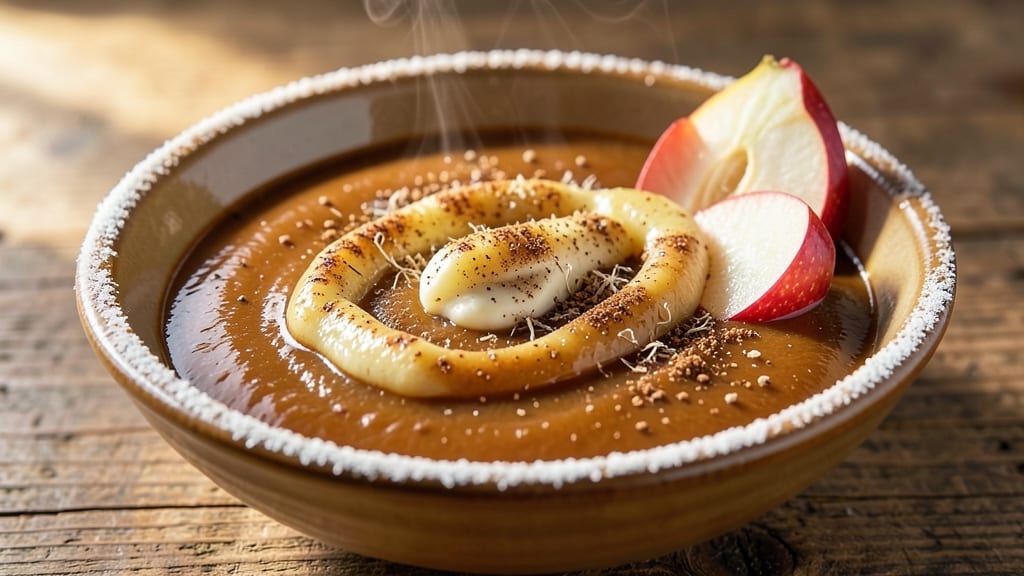
This applejack sauce recipe transforms simple pantry staples into a rich, caramelized glaze with warm spice notes and a subtle boozy kick. The perfect balance of sweetness and depth makes it ideal for drizzling over roasted meats, biscuits, or even pancakes.
Simmering apple cider with brown sugar and spices creates a velvety sauce that caramelizes beautifully, while a splash of applejack adds complexity that elevates any dish.
The secret lies in slow reduction—letting the sauce simmer until thick and glossy while developing those signature caramelized flavors. You'll need just six ingredients: apple cider, brown sugar, cinnamon, nutmeg, butter, and that signature applejack.
The process is straightforward but requires patience to achieve that perfect consistency, where the sauce coats a spoon like liquid gold.
What makes this sauce truly versatile is its ability to shine in both sweet and savory applications. Brush it over pork chops for a sticky, spiced crust, spoon it over vanilla ice cream for a boozy twist, or drizzle it across warm biscuits for breakfast that feels like dessert.
The warm spices and caramelized sweetness create a flavor profile that's both comforting and sophisticated.
The best part? This sauce keeps beautifully in the refrigerator for up to two weeks, making it perfect for meal prep or gifting. When you're ready to use it, simply reheat gently on the stove until warmed through—no blending or extra steps required.
Here's everything you need to create this restaurant-worthy condiment at home.
Ingredients for applejack sauce
Six ingredients, one game-changing sauce that turns simple meals into boozy, caramelized masterpieces.
| Ingredient | Amount | Notes |
|---|---|---|
| Apple Cider 🍎 | 2 cups | Unfiltered for deeper flavor |
| Light Brown Sugar 🍚 | 1 ½ cups | Packed firmly for accuracy |
| Unsalted Butter 🧈 | ½ cup | Cold, cubed for easy melting |
| Applejack 🍷 | ¼ cup | High-quality brandy for depth |
| Ground Cinnamon 🌿 | 2 tsp | Freshly ground for warmth |
| Ground Nutmeg 🌶️ | ½ tsp | Freshly grated preferred |
| Sea Salt 🧂 | ¼ tsp | Fine grain for balance |
The apple cider is where the magic starts—unfiltered brands like Woodchuck or Angry Orchard have that deep, complex flavor. Trader Joe's often carries a great organic option, but any good-quality cider works. Brown sugar? Light brown gives just enough molasses flavor without overpowering. For the applejack, Old Overholt or Buffalo Trace are fantastic choices, but any decent brandy will do. The butter needs to be unsalted so you control the saltiness—trust me on this. And that nutmeg? Freshly grated from a whole nut makes all the difference, but pre-ground works in a pinch.
No applejack? Bourbon or brandy at the same amount keeps the boozy depth. Running low on brown sugar? White sugar plus 1 tsp molasses mimics the flavor. The spices are non-negotiable—cinnamon and nutmeg are the soul of this sauce, but if you're feeling adventurous, a pinch of cloves adds another layer. For a tangier sauce, add 1 tbsp lemon juice at the end. And if you're making this ahead, reduce the applejack to 2 tbsp—it intensifies overnight.
This sauce tastes even better the next day as the flavors meld. Store in an airtight jar in the fridge for up to 2 weeks, or freeze for 6 months. Reheat gently on the stove, stirring occasionally—it'll thicken up beautifully. Pro tip: Pour it into a small saucepan for reheating so you don't have to scrape the bottom. And if it gets too thick? Just add 1 tsp water or apple cider and stir.
Why You'll Love This Recipe
- Five-Ingredient Magic: I swear, this sauce comes together with a handful of pantry staples—no fancy techniques, just simmering apple cider with brown sugar until it thickens into something rich and warm. The applejack adds that little kick, but don’t worry, it’s subtle enough that even my kids don’t realize it’s there.
- Warm Spice Bomb: That first spoonful of cinnamon swirling into the sauce? Pure autumn in a jar. The brown sugar caramelizes just enough to give it a deep, buttery sweetness, while the applejack cuts through with a bright, almost citrusy tang—like a hug from a spiced cider stand.
- Dinner Party Hack: Serve it over vanilla ice cream for a grown-up dessert, drizzle it on roasted pork chops for a restaurant-worthy main, or toss it into oatmeal for a cozy breakfast. Honestly, I’ve used it in everything from pie fillings to glaze for roasted carrots, and it never lets me down.
- Leftovers That Last: Make a double batch—it keeps for weeks in the fridge and freezes beautifully. I always have a jar in my pantry because it’s the kind of sauce that turns a simple grilled cheese into a fancy snack or saves a boring weeknight dinner in seconds. Budget-friendly? Absolutely. Versatile? Even more so.
Step-by-step instructions for boozy caramelized glaze
This rich, spiced glaze transforms simple roasts into showstopping centerpieces—here's exactly how to make it shine.
Build the Spiced Base
In a heavy-bottomed saucepan, combine the 2 cups apple cider, 1.5 cups light brown sugar, 2 teaspoons ground cinnamon, 0.5 teaspoon ground nutmeg, and 0.25 teaspoon sea salt. Stir over medium-high heat until the sugar fully dissolves—you'll see the mixture bubble gently and turn translucent. This takes about 5 minutes, and you'll smell that warm, spiced apple aroma filling your kitchen.
Here's the thing—don't walk away. Watch for the first tiny bubbles breaking the surface, and listen for the sugar to hum as it melts. If it starts to boil too vigorously, reduce heat to medium to prevent splattering. The sugar needs to fully integrate with the cider before we add anything else, or you'll end up with grainy bits in your sauce.
Add Butter and Simmer
Once the sugar is completely dissolved, reduce heat to medium-low and add the 0.5 cup cold cubed unsalted butter. Stir constantly with a wooden spoon, letting the butter melt gradually into the mixture. This step is where the sauce starts to transform—you'll see it thicken slightly and develop a glossy sheen as the butter emulsifies.
Let it simmer for 8-10 minutes, stirring occasionally, until the butter is fully melted and the mixture reduces by about 25%. You're looking for a syrupy consistency that coats the back of a spoon. If it reduces too quickly, lower the heat slightly to maintain gentle bubbling. The butter adds richness and helps create that beautiful caramelized finish we're after.
Deglaze with Applejack
Now for the boozy magic—carefully pour in the 0.25 cup applejack. The mixture will bubble vigorously as the alcohol burns off, which takes about 2-3 minutes. This step is crucial for depth of flavor, so don't rush it. You'll smell that warm apple brandy aroma intensify as it incorporates into the sauce.
After the bubbling subsides, return the heat to medium-low and let the sauce simmer for another 5-7 minutes, stirring occasionally. This final reduction concentrates the flavors and creates that perfect balance between sweet, spicy, and boozy notes. The sauce should now coat a spoon thickly but still be pourable—if it's too thick, add 1-2 tablespoons of water to reach your desired consistency.
Finish and Test
Remove the sauce from heat and taste it immediately. Adjust seasoning if needed—you might need a pinch more salt or cinnamon to balance the sweetness. The sauce should be rich, aromatic, and have that perfect balance of warmth from the spices and depth from the applejack.
Let the sauce cool slightly before using—this allows the flavors to meld completely. It'll thicken as it cools, so if you need to thin it for drizzling, simply warm it gently and add a splash of water or apple cider. This glaze keeps well in the refrigerator for up to 1 week in an airtight container, though it's best used fresh on warm roasts or biscuits.
Pro Tips For Making Applejack Sauce
- Simmer Slow and Steady: This sauce isn’t a race—low and slow is the name of the game. After adding the apple cider and sugar, keep the heat at a gentle simmer (think tiny bubbles, not rolling boil) or you’ll burn the sugar before the flavors meld. I learned this the hard way when my first batch tasted bitter—now I check the heat every 5 minutes.
- Toast the Cinnamon First: Bloom that cinnamon in the butter for 30 seconds before adding liquids—it deepens the spice’s warmth. Skip this, and you’re just sprinkling dry powder. (Yes, even if you’re impatient like me, give it those 30 seconds.)
- Use Real Applejack, Not Substitutes: Store-bought apple cider vinegar or cheap apple juice won’t cut it here. The alcohol in applejack (even after cooking) adds a subtle complexity that cheap alternatives miss. If you’re out, a splash of bourbon in a pinch works, but it’s not the same.
- Strain the Butter Last: After simmering, let the sauce cool slightly, then whisk in cold butter until it’s glossy and emulsified. Straining it through a fine-mesh sieve afterward removes any graininess—no one wants butter lumps in their sauce. (Your future self will thank you.)
Creative variations of this recipe
Sweet & Savory Twist
Turn this sauce into a savory glaze for pork tenderloin by adding 1 tbsp Dijon mustard and 1 tsp smoked paprika during the final simmer. The mustard cuts through the sweetness while the paprika adds smoky depth.
I love brushing this over roasted pork and finishing with a sprinkle of fresh thyme before serving. 🔥
Spiced Apple Butter
For a thicker, spreadable version, reduce the apple cider to just 1 cup and add 1 tbsp apple cider vinegar at the end. Simmer uncovered for an extra 10 minutes until it reaches a thick, spreadable consistency—perfect for toast or stuffing.
I often add ½ tsp vanilla extract for extra warmth, making it taste like fall in a jar. ✨
Boozy Fruit Compote
Swap the brown sugar for 1 cup diced apples and ½ cup granulated sugar, then simmer until the fruit softens. The result is a chunky compote that pairs beautifully with cheese boards or grilled chicken.
For extra richness, stir in 2 tbsp heavy cream at the end. This version keeps well for 5 days in the fridge. 🍎
Caramelized Onion Fusion
Add 1 cup sliced caramelized onions (cooked until deep golden) to the sauce during the final 5 minutes of simmering. The onions melt into the sauce, creating a sweet-savory hybrid that works as a glaze for roasted vegetables or as a topping for burgers.
I recommend using yellow onions for the best texture. 🧅
Creamy Applejack Dip
Blend ½ cup Greek yogurt or sour cream into the finished sauce for a creamy dip that’s perfect with pretzels or apple slices. For extra tang, add 1 tsp lemon zest.
This version is lighter but still packs all the warm spice flavors. Store in an airtight container for up to 3 days. 🥛
Herbed Applejack Vinaigrette
Thin the sauce with ¼ cup olive oil and 1 tbsp apple cider vinegar for a bright, herby dressing. Add 1 tbsp chopped fresh rosemary and 1 tsp honey for balance.
This works beautifully over roasted Brussels sprouts or as a marinade for chicken. The acidity cuts through the richness beautifully. 🌿
Nutrition facts
Frequently asked questions
Can I make this sauce without applejack?
Yes! If you can't find applejack, substitute it with 2 tablespoons bourbon or 2 tablespoons brandy for that same boozy depth. The alcohol burns off during cooking, leaving behind rich, aromatic notes. For a non-alcoholic version, replace it with 2 tablespoons apple juice—just know the flavor will be slightly milder.
How do I adjust the sweetness level?
If you prefer less sweetness, reduce the brown sugar to 1 cup and add 1 tablespoon lemon juice at the end. For extra sweetness, increase the brown sugar to 1.75 cups and add 1 teaspoon vanilla extract for warmth. Taste as you go—you can always adjust while simmering!
What’s the best way to store leftover sauce?
Transfer the cooled sauce to an airtight container and refrigerate for up to 2 weeks. For longer storage, freeze it in ice cube trays or small jars—thaw overnight in the fridge before using. Reheat gently on the stove, stirring occasionally, until warmed through.
Can I use this sauce on non-meat dishes?
This versatile sauce works beautifully on pancakes, waffles, or French toast for breakfast, or drizzled over vanilla ice cream for dessert. For a savory twist, brush it on roasted carrots or Brussels sprouts—the caramelized sweetness pairs well with earthy vegetables.
Why did my sauce turn grainy?
Graininess usually happens if the sugar doesn’t fully dissolve before adding butter. To fix it, strain the sauce through a fine-mesh sieve before using. For next time, ensure the sugar is completely melted and bubbling gently before adding any other ingredients.