
Sauces & Condiments
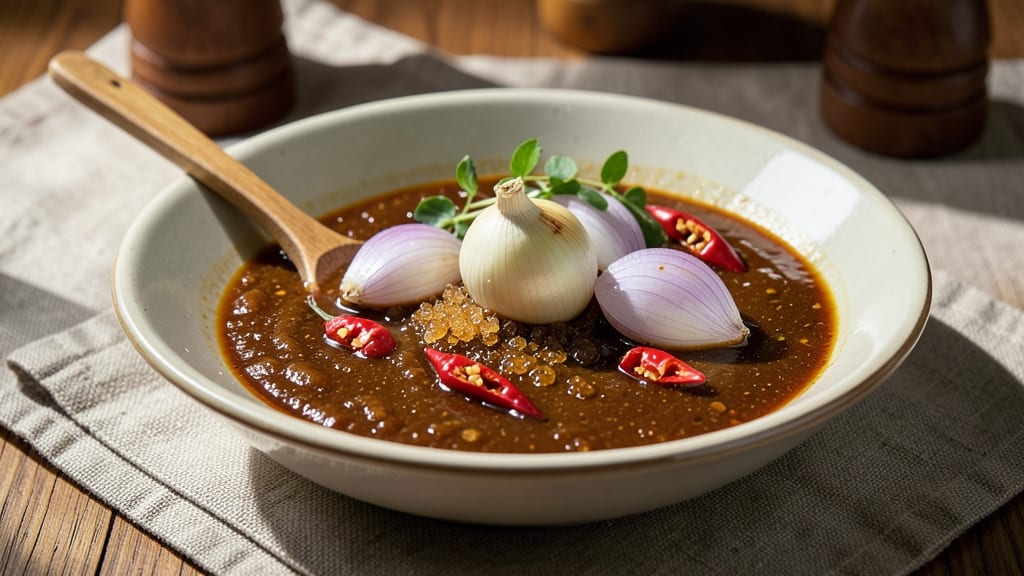
This bagoong sauce recipe unlocks the bold, fermented shrimp umami that defines Filipino cuisine—where salty, funky depth meets crunchy texture in every bite.
The key lies in balancing traditional bagoong (fermented shrimp paste) with vinegar, sugar, and aromatics to create a smooth yet complex sauce that elevates dishes like sinigang or grilled seafood.
What sets this version apart is the optional crispy topping, adding a satisfying contrast that makes it irresistible as a dip or marinade.
The foundation of great bagoong sauce starts with the shrimp paste—its fermented richness forms the base, while vinegar and sugar create the perfect balance between tangy and sweet. Garlic, shallots, and chili infuse layers of flavor, ensuring every spoonful delivers that signature Filipino punch.
Unlike store-bought versions, this recipe lets you control the texture, from silky smooth to slightly chunky, depending on how you blend the ingredients.
What you’ll end up with is a versatile sauce that transforms simple dishes into something extraordinary—think of it as the secret weapon for adding depth to soups, stir-fries, or even as a bold dipping sauce for spring rolls.
The sauce keeps well in the fridge for up to a week, making it perfect for meal prep or gifting to fellow seafood lovers. Whether you're a home cook or a Filipino food enthusiast, this recipe is your ticket to authentic, restaurant-quality flavor.
For those with dietary restrictions, note that this sauce contains shrimp, making it pescatarian-friendly but not vegetarian. However, the technique can easily be adapted using fish sauce or miso for a similar umami boost. Let’s dive into the ingredients and bring this flavorful sauce to life!
Ingredients for bagoong sauce
Filipino umami meets tangy sweetness in this bold, textured sauce—just ten ingredients transform simple meals.
| Ingredient | Amount | Notes |
|---|---|---|
| Bagoong (Fermented Shrimp Paste) 🦐 | ½ cup | Traditional Filipino bagoong, not shrimp paste substitute |
| White Vinegar 🍶 | ¼ cup | Distilled vinegar works too |
| Granulated Sugar 🍚 | ¼ cup | Light brown sugar for deeper flavor |
| Garlic Cloves 🧄 | 6 cloves | Freshly minced for potent aroma |
| Shallots 🧅 | 4 whole | Finely chopped, not minced |
| Bird's Eye Chili Peppers 🌶️ | 2 whole | Adjust for heat preference |
| Extra-Virgin Olive Oil 🫒 | ¼ cup | For smooth texture and richness |
| Crispy Fried Shallots 🧅 | ¼ cup | Store-bought or homemade |
| Salt 🧂 | 1 tsp | Kosher or sea salt |
| Ground Black Pepper 🌶️ | ¼ tsp | Freshly ground preferred |
The bagoong is non-negotiable here—Filipino specialty stores or Asian markets carry authentic versions, or look for bagoong alamang in jars. Trader Joe's sometimes stocks it too, but check the label for pure shrimp paste without additives. Fresh garlic and shallots make all the difference; roasted garlic adds a smoky depth if you're feeling fancy. Bird's eye chilies can be swapped for serrano or Thai chilies, but reduce the amount by half—they pack serious heat. For the sugar, light brown sugar adds subtle caramel notes that white sugar can't match.
No bagoong? Fish sauce plus a pinch of sugar mimics the umami, though it won't have the same funk. Substitute fresh shrimp juice (from 1 lb shrimp) for extra depth. Swap fried shallots for crushed pork rinds if avoiding pork, or toasted sesame seeds for nutty crunch. The olive oil can be swapped for neutral oil like canola, but it lacks the fruity richness. For a smoother sauce, blend everything except the crispy topping—leave it chunky for texture lovers. If you can't find bird's eye chilies, red pepper flakes at half the amount works, but it won't have the same fruity heat.
Store in an airtight jar in the fridge for up to 1 week, though the flavor deepens over time. The crispy topping stays fresh for 2 weeks if stored separately. For longer storage, freeze the sauce (minus the topping) for up to 3 months)—thaw and stir before using. This sauce is a pantry game-changer: drizzle over sinigang, mix into grilled seafood marinades, or serve as a dip with vegetable spring rolls. Double the batch—you'll want leftovers.
Why You'll Love This Recipe
- Five-Ingredient Magic: I swear, this sauce is the kind of recipe that makes you question why you ever complicate things. Just blitz the shallots and garlic, toss in the bagoong, and let that vinegar cut through the funk—no fancy techniques, no stress.
- Umami Bomb: Between us, that fermented shrimp paste is where the real flavor lives. It’s salty, funky, and deep—like a little ocean in every spoonful, balanced by the sugar’s sweetness. Honestly, the first time I tasted it, I nearly licked the pan.
- Dip, Drizzle, Devour: This sauce doesn’t just belong on one dish. Slather it on grilled fish, toss it with rice, or let it sit in a bowl for dipping—my kids go wild for it straight with steamed veggies. (Yes, even on a Tuesday night.)
- Budget Night Hero: A jar of bagoong lasts forever, and the rest of the ingredients? Pocket change. I make this weekly, and it’s always the first thing I reach for when I’m tired of overpriced sauces. Not the prettiest, but the taste makes up for it.
Step-by-step instructions for bagoong sauce
This method delivers a perfectly balanced sauce with deep umami, sweetness, and crunchy texture every time.
Prepare the Base Ingredients
In a medium saucepan, combine the 0.5 cup bagoong (fermented shrimp paste) with the 0.25 cup white vinegar and 0.25 cup granulated sugar. I like to use a wooden spoon for this step—it helps distribute the bagoong evenly without scraping the pan too aggressively. The mixture will smell intensely fermented at first, but this aroma is essential for that authentic Filipino umami profile.
Add the 6 cloves minced garlic cloves and 4 whole finely chopped shallots to the saucepan. Stir continuously over medium-low heat for 3-4 minutes until the garlic becomes fragrant and the shallots soften slightly. You'll notice the mixture darkening slightly as the bagoong's oils release—this is normal and indicates proper development of flavors. Keep the heat low to prevent burning, as bagoong has a strong flavor that can easily overpower the dish if scorched.
Simmer and Develop the Sauce
Pour in the 0.25 cup extra-virgin olive oil and stir well to combine. The oil will help emulsify the sauce and create a smooth, velvety texture. Add the 2 whole sliced bird's eye chili peppers (remove seeds if you prefer less heat) and continue simmering for an additional 5-6 minutes over medium heat. The sauce should begin to thicken slightly as moisture evaporates, but it will still maintain a pourable consistency.
Season with the 1 teaspoon salt and 0.25 teaspoon ground black pepper, stirring to fully incorporate. Taste the sauce at this stage—it should be tangy, slightly sweet, and deeply savory with a hint of spice. If it needs more balance, you can adjust with a pinch more sugar or salt, but the bagoong's complexity usually provides enough depth on its own.
Finish with Crispy Fried Shallots
Remove the saucepan from heat and let it cool slightly for 2-3 minutes. This resting period allows the flavors to meld without continuing to develop. Once cooled, stir in the 0.25 cup crispy fried shallots, reserving a small portion for garnish if desired. The fried shallots add a delightful textural contrast to the smooth sauce, providing both crunch and an extra layer of shallot flavor.
For best results, serve the bagoong sauce immediately while the fried shallots maintain their crispness. The sauce pairs exceptionally well with grilled seafood, steamed rice, or as a dipping sauce for fresh vegetables. If storing, keep it in an airtight container in the refrigerator for up to 5 days, but note that the texture may slightly thicken upon reheating—simply stir in a splash of water or vinegar to restore consistency.
Pro Tips For Making Bagoong Sauce
- Bloom the Garlic First: I learned this the hard way—raw garlic in bagoong sauce tastes harsh and fights the shrimp paste instead of blending. Sauté 3-4 minuted in oil until golden (yes, it’ll smell amazing) before adding shallots. That’s when the flavor actually marries the bagoong.
- Use Cold Vinegar: Pouring warm vinegar straight into the pot kills the tang and makes the sauce taste flat. I keep mine chilled until the very end, then drizzle it in slowly while stirring—this cuts through the richness without overpowering. Trust me, your taste buds will notice.
- Strain the Bagoong: That grittiness in homemade bagoong sauce? It’s not texture—it’s unfiltered shrimp bits. After cooking, press the mixture through a fine-mesh sieve or cheesecloth. You’ll get a smoother sauce without losing any flavor, and it’ll look restaurant-worthy.
- Balance Sugar Last: Adding all the sugar upfront turns the sauce syrupy. Instead, taste as you go—add half the sugar with the aromatics, then the rest at the end. This keeps the vinegar’s bite sharp and the sweetness bright, not cloying. (I know, I know, but trust the process.)
Perfect pairings for bagoong sauce
Sinigang Pairing
This bagoong sauce transforms sinigang, the iconic Filipino sour soup, into a flavor powerhouse. Stir 2 tablespoons of the sauce into your simmering broth just before adding vegetables and meat.
The fermented shrimp umami cuts through the tangy tamarind or calamansi juice, while the crispy fried shallots add a delightful crunch when served. I love adding it to sinigang na baboy (pork version) or sinigang na bangus (milkfish) for extra depth. 💛
Grilled Seafood
Marinate grilled seafood like lapu-lapu (grouper) or tanigue (round scad) in 1-2 tablespoons of bagoong sauce for 15-20 minutes before grilling. The sauce's sweet-savory profile caramelizes beautifully on the grill, creating a sticky, flavorful crust.
Serve with extra sauce on the side for dipping. For extra authenticity, sprinkle with toasted garlic and crushed pork rinds after cooking. 🔥
Spring Roll Dip
Serve this sauce as a dipping sauce for fresh or fried spring rolls. The tangy, umami-rich flavor pairs perfectly with the delicate textures of lumpia or suman rolls. For a restaurant-style presentation, drizzle the sauce over a bed of shredded cabbage and carrots in a small bowl.
Add a few drops of soy sauce to intensify the umami if needed. This combo is a crowd-pleaser at Filipino potlucks! 🌶️
Kare-Kare Elevation
Add 1-2 tablespoons of bagoong sauce to kare-kare (Filipino peanut stew) during the last 5 minutes of cooking. The sauce's funky depth complements the peanut sauce and ox heart or tripe, while the fried shallots add a satisfying crunch.
For extra richness, stir in a spoonful of peanut butter to balance the flavors. This twist makes kare-kare even more irresistible. ✨
Rice Bowl Topping
Drizzle this sauce over steamed jasmine rice or garlic fried rice for an instant flavor boost. The combination of tangy, sweet, and umami turns a simple rice bowl into a restaurant-worthy meal.
Top with sliced hard-boiled eggs, chopped scallions, and a sprinkle of crushed pork rinds for a satisfying texture contrast. This is my go-to quick lunch when I'm craving Filipino flavors. 💡
Vegetable Stir-Fry
Use bagoong sauce as a base for vegetable stir-fries, especially with eggplant, string beans, and bitter melon. Sauté the vegetables in 1 tablespoon olive oil, then add 2 tablespoons sauce and cook for 3-4 minutes.
Finish with a splash of soy sauce and a pinch of white pepper for a savory, umami-packed dish. This works beautifully with tofu for a vegetarian-friendly option. 🌱
Nutrition facts
Frequently asked questions
What's the difference between bagoong and regular shrimp paste?
Bagoong is a traditional Filipino fermented shrimp paste with a stronger, funkier flavor compared to regular shrimp paste. The fermentation process gives it that signature tangy, umami-rich taste that's essential for authentic Filipino dishes. Regular shrimp paste is milder and lacks the same depth.
Can I make bagoong sauce without bagoong?
Yes, but it won't taste exactly the same. For a similar umami punch, mix 2 tablespoons fish sauce with 1 teaspoon sugar and 1 teaspoon soy sauce as a substitute. However, the fermented funk of real bagoong is hard to replicate—it's worth tracking down for authentic flavor.
How spicy should my bagoong sauce be?
That depends on your preference! The recipe uses 2 whole bird's eye chilies for moderate heat. For milder sauce, remove the seeds and membranes, or use only 1 chili. If you love spice, keep the seeds in or add extra. Always taste and adjust before serving.
Can I make this sauce ahead of time?
Store it in an airtight container in the fridge for up to 1 week. The flavors actually deepen over time. If the texture thickens, stir in a splash of vinegar or water to restore consistency. The crispy fried shallots stay fresh for 2 weeks if stored separately.
What dishes pair best with bagoong sauce?
This versatile sauce works wonderfully with grilled seafood, sinigang, spring rolls, and even fried rice. It's also perfect as a marinade or dipping sauce. Try it with kare-kare for a peanut stew twist or drizzle over jasmine rice bowls for extra flavor.