
Sauces & Condiments
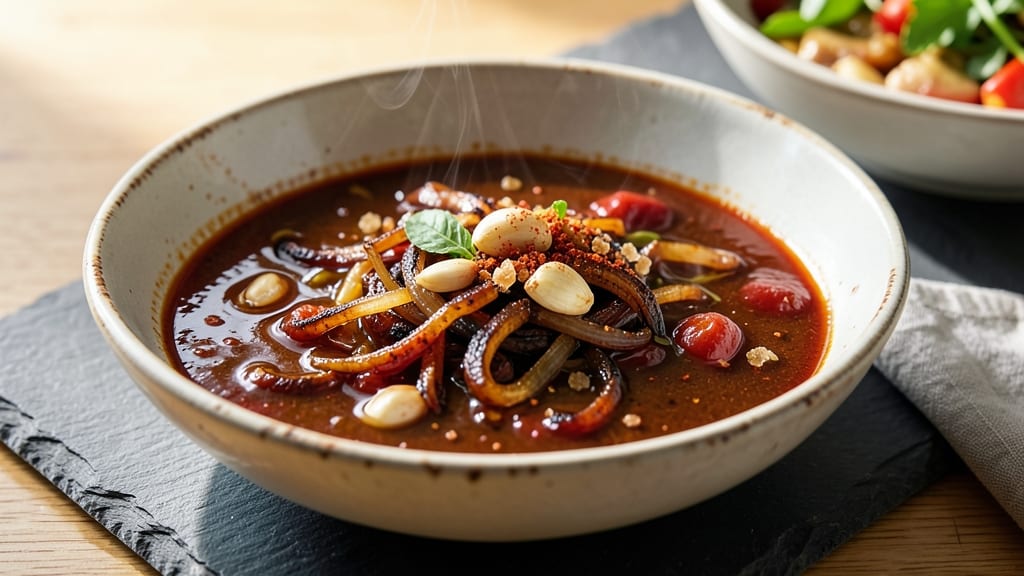
Bad Brad's 321 sauce delivers that signature velvet-smooth heat with a vinegar-kissed balance that's become a BBQ legend. This sauce isn't just about spice—it's about harmony, where smoky depth meets tangy brightness in every bite.
The secret lies in carefully balancing cayenne, vinegar, and sweetness, creating a sauce that lingers without overpowering.
What makes this recipe special is its simplicity—just a handful of ingredients transformed through precise cooking. The sauce develops a rich, glossy finish that clings beautifully to ribs, pulled pork, or even grilled chicken. The key technique? Slow reduction to concentrate flavors without losing that signature tang.
By the time you're done, you'll have a sauce that's perfectly balanced: 3 parts sweetness, 2 parts tang, and 1 part heat—just like Bad Brad's original. The vinegar adds brightness that cuts through the richness, while the smoky undertones create depth that makes this sauce unforgettable.
This recipe scales effortlessly for large crowds or meal prep, and the flavors only improve with time. Whether you're smoking brisket or basting wings, this sauce will elevate your dish to restaurant-quality. Let's get started on creating your own batch of this iconic condiment.
Ingredients for bad brads 321 sauce
Nine simple ingredients that transform into the iconic BBQ sauce everyone loves.
| Ingredient | Amount | Notes |
|---|---|---|
| Yellow Onion 🧅 | 1 whole | Diced into small pieces |
| Garlic Cloves 🧄 | 6 cloves | Minced for aromatic base |
| Apple Cider Vinegar 🍶 | 1 cup | Bragg preferred for tang |
| Tomato Paste 🍅 | ½ cup | Squeeze tube or canned |
| Brown Sugar 🍯 | 1 cup | Light or dark variety |
| Cayenne Pepper 🔥 | 1 tbsp | Adjust for heat preference |
| Smoked Paprika 🌶️ | 1 tbsp | For smoky depth |
| Black Peppercorns 🌶️ | ½ tsp | Freshly cracked preferred |
| Salt 🧂 | 1 tsp | Diamond Crystal preferred |
| Water 💧 | 1 cup | For thinning consistency |
The vinegar is non-negotiable here—Bragg apple cider vinegar gives that signature tang, but any good-quality vinegar works. For the onion, yellow or red both work, but avoid sweet onions like Vidalia—they throw off the balance. Garlic? Six cloves is the magic number for that subtle aroma without overpowering. Smoked paprika is what gives this sauce its signature depth, so don't skip it. I always grab mine from Penzeys or the bulk bins at Whole Foods—freshness matters for that smoky punch.
No apple cider vinegar? White vinegar or red wine vinegar works in a pinch, but you'll lose some of that fruity brightness. Brown sugar substitutes? White sugar or maple syrup (use half the amount), but the molasses notes in brown sugar are what make this sauce sing. Cayenne too spicy? Cut it by half or swap for red pepper flakes. The tomato paste can be the squeeze tube kind—Trader Joe's has great ones that last forever. And if you're making a big batch, double the water so you can thin it as you go.
This sauce tastes even better the next day as the flavors meld. Store it in a glass jar in the fridge for up to 2 weeks, or freeze for 6 months in ice cube trays for single-use portions. I always make extra because it disappears fast—great for meal prep or gifting. The sauce thickens as it cools, so add a splash of water if it gets too stiff. Trust me, the first time you use this on ribs or pulled pork, you'll be hooked.
Why You'll Love This Recipe
- Pantry Magic: I swear by this sauce because it uses stuff I already have—no special ingredients, just onion, garlic, and that one bottle of apple cider vinegar gathering dust. The brown sugar caramelizes in the pan while you’re chopping, so you’re basically getting dessert-level flavor without extra effort.
- Sweet-Savory Balance: That tomato paste and vinegar combo might sound weird, but trust me: the tang cuts through the sweetness like a knife. The garlic and onion mellow into this rich, smoky depth that makes it taste like you simmered it for hours—even if you didn’t.
- Leftovers That Shine: This sauce doesn’t peak at first use. It actually gets better after a day or two in the fridge, deepening into something almost syrupy. I stash it in jars and drizzle it on everything from grilled chicken to roasted potatoes—no waste, all flavor.
- Weeknight Hero: Between us, this is the sauce I make when I’m too tired to think. Toss in the ingredients, let it bubble, and boom—done. It’s the kind of recipe that makes me feel like a chef even when I’m wearing pajamas at 7 p.m.
Step-by-step instructions for Bad Brad's 321 sauce
Here's how to build this iconic sauce with layers of smoky heat and vinegar brightness.
Build the Aromatic Base
Heat a heavy-bottomed saucepan over medium-low heat. Add the 1 whole yellow onion (diced small) and cook, stirring occasionally, for 8-10 minutes until the onions soften and begin to caramelize slightly—you'll notice they turn translucent with just a hint of golden color at the edges. This slow cook prevents burning and develops deep sweetness.
Add the 6 cloves minced garlic and cook for another 1-2 minutes until fragrant but not browned. Garlic burns quickly, so watch closely—you want that sweet, nutty aroma without any bitter notes. Remove the pan from heat temporarily to prevent overcooking while you prep the remaining ingredients.
Incorporate Heat and Spices
Return the pan to medium heat and stir in the 0.5 cup tomato paste and 1 cup brown sugar. Let them cook for 3-4 minutes while stirring constantly to prevent sticking. The sugar will begin to caramelize, deepening the sauce's rich color and complexity.
Add the 1 tbsp cayenne pepper, 1 tbsp smoked paprika, 0.5 tsp cracked black peppercorns, and 1 tsp salt. Stir vigorously for 30 seconds to distribute the spices evenly. The cayenne will bring immediate heat, while the smoked paprika adds that signature BBQ depth. Taste at this stage—you should feel the heat building but not overwhelming.
Balance with Vinegar and Water
Pour in the 1 cup apple cider vinegar and 1 cup water all at once. Bring the mixture to a gentle simmer over medium heat, then reduce to low heat. Let it cook uncovered for 20-25 minutes, stirring occasionally, until the sauce thickens to a glossy, velvety consistency that coats the back of a spoon.
The vinegar will mellow out the initial heat while adding bright acidity, and the water ensures proper thinning. You're aiming for a sauce that's smooth enough to cling to ribs or pulled pork but still has enough body to hold its shape. If it thickens too quickly, add 1-2 tablespoons water at a time to adjust.
Finish and Rest for Maximum Flavor
Once the sauce reaches your desired consistency, remove it from heat and let it rest for 10 minutes at room temperature. This resting period allows the flavors to meld and the sauce to thicken slightly more as it cools. Give it a final taste and adjust seasoning if needed—you might want to add a pinch more salt or cayenne to taste.
For best results, store the sauce in an airtight container in the refrigerator for at least 24 hours before using. The flavors will deepen and harmonize over time, giving you that authentic Bad Brad's character. When ready to use, reheat gently over low heat, stirring occasionally, until warmed through.
Pro Tips For Making Bad Brads 321 Sauce
- Cook Onions Slow: The onions are the foundation—don’t rush them. Sauté them over medium-low heat until they’re soft, golden, and just starting to caramelize (about 8-10 minutes). If they brown too fast, you’ll end up with bitter, burnt bits that ruin the sauce’s sweet-tangy balance.
- Use Raw Garlic: After the onions are cooked, add the garlic cloves whole and let them sizzle for 30 seconds—just until fragrant. Mashing them afterward releases too much bitterness. I learned this the hard way after making sauce that tasted like a garlic factory exploded.
- Balance the Vinegar: Apple cider vinegar is the soul of this sauce, but too much makes it harsh. Start with ¼ cup and taste as you go—you can always add more, but you can’t take it out. If it’s too sharp, a pinch of brown sugar or a splash of water smooths it out without overpowering.
- Simmer, Don’t Boil: Once the tomato paste and brown sugar are mixed in, keep the heat low and let it bubble gently. Boiling can turn the sauce cloudy and thin it out too fast. A steady simmer for 15-20 minutes lets the flavors meld and thicken naturally—no need to stir constantly, just check in every few minutes.
Creative variations of bad brads 321 sauce
Spicy Kick Boost
Want more heat? Add an extra ½ tbsp cayenne pepper or swap in 1 tbsp chipotle powder for smoky heat. For a fruity kick, stir in 1 tbsp hot honey at the end—it balances the acidity beautifully.
I’ve found that Penzeys hot honey adds just the right amount of sweetness to cut through the vinegar’s tang. 🔥
Sweetness Adjustments
Prefer a sweeter profile? Replace half the brown sugar with maple syrup or molasses for deeper caramel notes. For a lighter touch, reduce sugar to ½ cup and add ½ cup apple juice instead.
I’ve tested this with Trader Joe’s organic apple juice, and it works perfectly while keeping the sauce vibrant. 🍯
Smoky Depth Variations
Craving more smokiness? Add 1 tsp liquid smoke (like Colossal liquid smoke) or swap the smoked paprika for ½ tsp chipotle powder in adobo sauce. For a Texas-style twist, include 1 tbsp mesquite powder—it adds a unique earthy depth that pairs well with brisket. 🌶️
Vinegar Alternatives
No apple cider vinegar? Use white vinegar or red wine vinegar for a sharper tang, but reduce by ¼ cup to avoid overpowering. For a fruitier balance, try pineapple juice instead—it adds a tropical brightness that works surprisingly well with ribs.
I’ve used Dole pineapple juice in a pinch, and it adds a fun twist. 🍍
Thicker or Thinner
Need a thicker sauce? Simmer uncovered for an extra 5-10 minutes to reduce further. For a thinner consistency, add 1-2 tbsp water or apple cider vinegar at the end. I’ve found that glass jars (like Ball canning jars) help monitor consistency while storing—just shake well before using. ✨
Fusion Flavors
Get creative with global twists! Add 1 tsp ginger for an Asian-inspired kick or ½ tsp cinnamon for a Mexican mole-inspired depth. For a Mediterranean touch, stir in 1 tsp dried oregano and a pinch of sumac.
These variations keep the sauce’s core balance while adding exciting new layers. 🌍
Nutrition facts
Frequently asked questions
Why does this sauce need to rest before using?
Resting lets the flavors meld and thicken naturally. The vinegar and spices need 10-24 hours to harmonize, creating that signature balanced heat. Skipping this step can leave the sauce too thin or overly acidic. Think of it as letting the sauce "breathe" to develop its full character.
Can I make this sauce without vinegar?
Not recommended—vinegar is the secret to that signature tang. If you must substitute, try lemon juice (use ½ cup) or pineapple juice (use ¾ cup) for brightness. The sauce will taste different but still delicious. For authenticity, Bragg apple cider vinegar is ideal.
How do I adjust the heat level for kids?
Reduce cayenne to ½ tsp or omit it entirely. For a milder kick, swap it with ½ tsp sweet paprika instead. The smoky depth from paprika will remain while removing the heat. Always taste as you go—you can add more cayenne later if needed.
What's the best way to store leftover sauce?
Transfer to a glass jar and refrigerate for up to 2 weeks. For longer storage, freeze in ice cube trays (thaw in fridge overnight) or silicone molds. Label with dates—frozen sauce lasts 6 months while maintaining its vibrant flavor. Reheat gently over low heat.
Can I use this sauce on non-meat dishes?
It's fantastic on grilled vegetables, tofu, or as a marinade for seafood. For veggies, reduce the cayenne to ½ tsp to avoid overwhelming flavors. The smoky-sweet profile works surprisingly well with roasted potatoes or as a dipping sauce for spring rolls.