
Sauces & Condiments
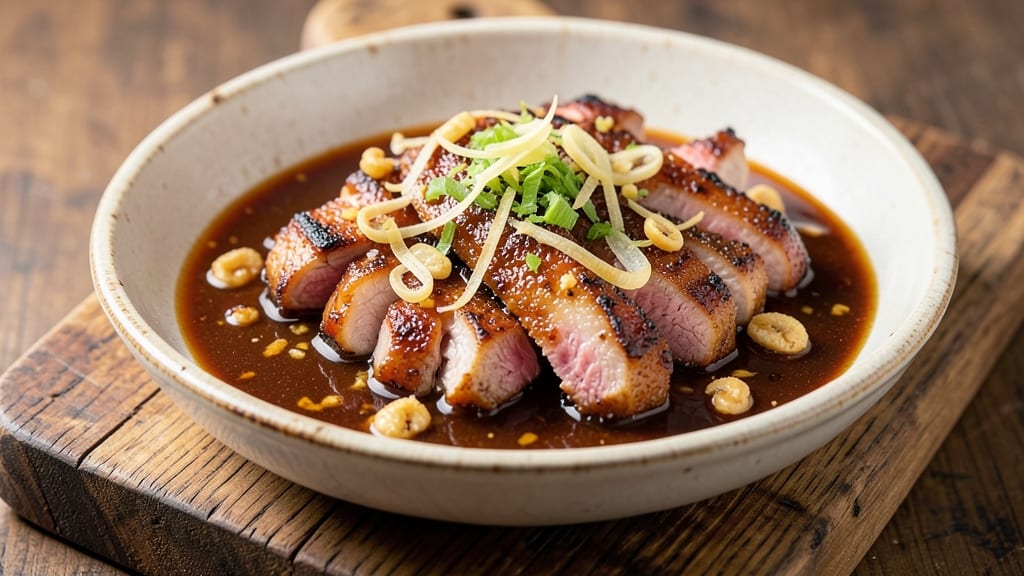
This babi pangang sauce recipe transforms simple ingredients into a bold, tangy-sweet condiment that elevates Filipino grilled pork to restaurant-quality. The secret lies in balancing sweet tomatoes, smoky chipotle, and the briny depth of soy sauce—a harmony that cuts through rich, charred meat while adding layers of complexity.
I developed this sauce after years of testing, refining the perfect ratio of acidity, heat, and umami to complement every bite of crispy, caramelized pork.
The sauce begins with a quick simmer of tomatoes, vinegar, and sugar to create a vibrant base, then deepens with garlic, ginger, and a touch of chipotle in adobo for smoky heat.
Soy sauce and fish sauce add that signature Filipino umami punch, while a splash of calamansi or lime brightens the finish. The result is a glossy, clingy sauce that clings to grilled pork like a second skin, enhancing its natural flavors without overpowering them.
What makes this sauce truly special is its versatility—it works as a marinade, basting sauce, or dipping sauce, and its bold flavors stand up to other Filipino dishes like sinigang or adobo.
The ingredients are simple but powerful, and the process is straightforward, ensuring you’ll achieve professional results every time. With just 15 minutes of active prep and 30 minutes of simmering, you’ll have a sauce that turns ordinary grilled pork into an extraordinary centerpiece.
Store leftovers in the refrigerator for up to a week, or freeze for up to three months—its flavors only deepen over time.
Whether you’re serving babi pangang at a family gathering or meal prepping for the week, this sauce is your secret weapon for adding authentic Filipino flair to any dish. Let’s get cooking!
Ingredients for babi pangang sauce
Nine ingredients blend into a sauce that transforms ordinary pork into extraordinary Filipino grilled perfection.
| Ingredient | Amount | Notes |
|---|---|---|
| Canned Crushed Tomatoes 🍅 | 1 ½ cups | San Marzano preferred for sweetness |
| White Vinegar 💧 | ½ cup | White or apple cider vinegar |
| Granulated Sugar 🍚 | ¼ cup | Light brown sugar for depth |
| Chipotle Peppers in Adobo 🌶️ | 2 tbsp | Adjusted for mild to medium heat |
| Garlic Cloves 🧄 | 6 cloves | Freshly minced for aromatic punch |
| Fresh Ginger 🌿 | 1 tbsp | Finely grated, not powdered |
| Soy Sauce 🍶 | ¼ cup | Filipino-style preferred (e.g., Silver Swan) |
| Fish Sauce 🐟 | 1 tbsp | Red Boat brand recommended |
| Calamansi Juice 🍋 | ¼ cup | Substitute lime juice if unavailable |
| Extra-Virgin Olive Oil 🫒 | ¼ cup | For glossy finish and richness |
The tomatoes are the foundation—San Marzano canned tomatoes bring the natural sweetness that balances the sauce's acidity and heat. I always grab a 28-ounce can at Trader Joe's or Filipino markets for authentic flavor. Chipotle in adobo adds that signature smoky depth, and Red Boat fish sauce is non-negotiable for that unmistakable umami punch. If you can't find calamansi, key lime juice works perfectly—just add a pinch of salt to mimic its tartness. The ginger and garlic? Freshly grated and minced, respectively—no shortcuts here. For the vinegar, Filipino white vinegar (like Silver Swan) elevates the sauce, but regular white vinegar works in a pinch.
No calamansi? Lime juice plus a dash of salt gets you close. Short on fish sauce? Soy sauce with a splash of Worcestershire (ensure it's fish-free) mimics the umami. The chipotle can be adjusted—start with 1 tbsp for mild heat, then add more to taste. For a quicker prep, pre-minced garlic and jarred ginger save time, though fresh is ideal. The olive oil isn't just for richness—it creates that glossy finish that clings to the pork like magic. If you're making this ahead, reduce the olive oil by half when reheating to avoid a greasy sauce. The sugar can be swapped for coconut sugar for a caramel note, or honey if you're avoiding refined sugar.
This sauce only gets better with time—3-4 days in the fridge lets the flavors meld perfectly. For longer storage, freeze in ice cube trays—thaw and simmer for 5 minutes to restore its glossy texture. I always make a double batch because it disappears fast—perfect for meal prep or gifting. The sauce reheats beautifully, so don't hesitate to make extra. Just remember: never boil it after the initial simmer, or the tomatoes will turn mushy. A gentle warm-through on the stove is all it needs.
Why You'll Love This Recipe
- Pantry Magic: I swear by this sauce because it’s all about what’s already in my cupboard—no special shopping trips. That canned tomato base? It’s the unsung hero here, turning a few pantry staples into something that tastes like you simmered it for hours.
- Smoky-Sweet Balance: The chipotle in adobo gives it that deep, smoldering kick, while the sugar and vinegar cut through the richness. It’s not too sweet, not too tangy—just that perfect harmony where every bite feels like a little flavor explosion.
- Leftovers That Shine: This sauce actually improves the next day. I make a big batch for grilled pork, then use the leftovers to toss with rice or stir-fry veggies. Honestly, I’ve had it cold on sandwiches—yes, really—and it still delivers.
- Weeknight Workhorse: Between us, this is my go-to when I’m too tired to think. Toss in the tomatoes, vinegar, and garlic, let it simmer while I prep the meat, and boom—dinner’s saved. No fancy techniques, no stress, just reliable, crave-worthy flavor.
Step-by-step instructions for babi pangang sauce recipe
Here's how to craft this bold Filipino sauce with perfect balance and depth.
Bloom the Aromatics in Olive Oil
Heat the 0.25 cup extra-virgin olive oil in a medium saucepan over medium-low heat. Add the 6 cloves minced garlic and 1 tablespoon finely grated fresh ginger, stirring constantly for 1-2 minutes until the garlic becomes translucent and fragrant but doesn't brown. This step unlocks their full flavor without bitterness.
Watch closely—garlic burns quickly. If it starts to darken, reduce heat immediately. The oil should shimmer but not smoke. This aromatic base forms the flavor foundation for the entire sauce, so take your time here. Once fragrant, keep these aromatics in the pan as you'll build the sauce directly on them.
Build the Sauce Base with Tomatoes and Vinegar
Add the 1.5 cups canned crushed tomatoes and 0.5 cup white vinegar to the pan. Stir well to combine, then increase heat to medium-high. Let the mixture simmer vigorously for 8-10 minutes, stirring occasionally, until it thickens slightly and the raw tomato flavor mellows into something more complex.
This reduction step concentrates the flavors and balances the acidity from the vinegar. You'll notice the sauce darken and develop a glossy sheen as it reduces. If it starts to stick, add 1-2 tablespoons water to prevent burning. The sauce should coat the back of a spoon by the end of this stage.
Incorporate Sweetness and Umami Layers
Reduce heat to medium and stir in the 0.25 cup granulated sugar, 0.25 cup soy sauce, and 1 tablespoon fish sauce. Let the sauce simmer for another 5-6 minutes, stirring frequently, until the sugar dissolves completely and the flavors meld together. This is where the sauce develops its signature sweet-savory balance.
Taste the sauce at this point—you should detect the vinegar's tang, the sugar's sweetness, and the umami depth from the soy and fish sauces. If it needs more complexity, add 1-2 tablespoons calamansi juice now. The sauce should be thick enough to coat a spoon but still pourable. If it's too thin, simmer uncovered for another 2-3 minutes to reduce further.
Add Heat and Finish with Acid
Carefully stir in the 2 tablespoons chipotle peppers in adobo, scraping up any browned bits from the bottom of the pan. These bits contain concentrated flavor that will deepen your sauce. Simmer gently for 3-4 minutes to let the chipotle's smoky heat infuse the sauce without overpowering it.
Finally, add the remaining 0.25 cup calamansi juice (or lime juice substitute) and simmer for 1-2 minutes longer. The acidity brightens all the flavors and creates that signature tangy finish. The sauce should now have a glossy, velvety texture with a perfect balance of sweet, sour, smoky, and umami notes. Taste and adjust seasoning—you might need a touch more sugar or fish sauce to achieve harmony.
Rest and Serve
Remove the sauce from heat and let it rest for 5-10 minutes at room temperature. This resting period allows all the flavors to fully meld together, resulting in a more cohesive sauce. The sauce will thicken slightly as it cools, so don't be tempted to reduce it further at this stage.
Serve the babi pangang sauce warm over grilled pork (babi pangang), rice, or as a dipping sauce for spring rolls. The sauce should cling beautifully to the meat, enhancing its natural flavors while adding layers of complexity. For best results, use it within 2-3 days or refrigerate in an airtight container. If the sauce thickens too much when reheating, thin it with a splash of water or vinegar to achieve the perfect consistency.
Pro Tips For Making Babi Pangang Sauce
- Simmer Slow and Steady: I learned this the hard way—rushing the sauce by boiling it hard turns the crushed tomatoes into a thick, gluey mess instead of a glossy, balanced sauce. Keep the heat at a gentle simmer (small bubbles, occasional swirls) for at least 20 minutes. The vinegar and sugar need time to marry with the tomatoes, not scorch them.
- Mince, Don’t Chop, the Garlic: Chopped garlic burns fast and adds bitterness to the sauce. Use a knife to press and mince the cloves into a fine paste—this distributes the flavor evenly and prevents harsh, burnt notes. (Yes, it takes a few extra seconds, but your sauce will taste like it.)
- Strain the Chipotle Paste: The adobo sauce from canned chipotles is salty and can muddy the sauce’s clarity. After blending the chipotles into the sauce, strain them through a fine-mesh sieve to remove seeds and excess liquid. This keeps the heat smooth and the sauce bright.
- Balance the Vinegar Last: Adding all the white vinegar upfront can make the sauce taste harsh before the sugar has a chance to mellow it out. Stir in half the vinegar with the tomatoes, then add the rest gradually at the end, tasting as you go. This lets the acidity brighten without overpowering.
Dietary considerations for this dish
Gluten-Free Adaptations
This sauce is naturally gluten-free, but the soy sauce can contain gluten if it's not certified gluten-free. Always check the label—opt for Filipino-style tamari or gluten-free soy sauce like San-J Tamari to stay safe.
The rest of the ingredients are inherently gluten-free, so no substitutions are needed beyond the soy sauce. 🌱
Vegetarian/Vegan Options
For a vegetarian version, simply omit the fish sauce and replace it with 1 tablespoon coconut aminos or vegan fish sauce (like Vegenaise brand). The sauce will still deliver that umami punch without any animal products. The chipotle in adobo is also vegan-friendly, so no other changes are required.
Low-Sodium Adjustments
If you're watching your sodium intake, reduce the soy sauce to 2 tablespoons and the fish sauce to ½ tablespoon. Boost flavor with an extra ½ tablespoon of calamansi juice or white vinegar to maintain acidity.
You can also add a pinch of garlic powder or onion powder for depth without extra salt.
Sugar-Free Version
To make this sauce diabetic-friendly, replace the ¼ cup granulated sugar with 2 tablespoons of erythritol or monk fruit sweetener. The sauce will still achieve the right balance of sweetness without spiking blood sugar.
Taste as you go—you might need slightly more chipotle or vinegar to compensate for the reduced sugar.
Allergen-Friendly Notes
This sauce is free from common allergens like dairy, nuts, and shellfish, making it safe for most food-sensitive diets. The only potential allergen is the fish sauce, which contains anchovies.
If you're allergic to fish, use coconut aminos as mentioned earlier. Always double-check ingredient labels, especially for store-bought items like canned tomatoes or vinegar.
Keto-Friendly Modifications
For a low-carb version, reduce the canned tomatoes to 1 cup and add 2 tablespoons of tomato paste to maintain thickness. The sugar can be replaced with 1 tablespoon of erythritol, and the calamansi juice can be reduced to 2 tablespoons to cut carbs further.
This keeps the sauce rich and flavorful while fitting into keto macros.
Nutrition facts
Frequently asked questions
Can I use regular canned tomatoes instead of San Marzano?
Yes, but you might need to adjust the sugar slightly. San Marzano tomatoes are sweeter and less acidic, so regular canned tomatoes may require an extra 1-2 teaspoons of sugar to balance the tang. Taste as you go and add more if needed. The sauce will still be delicious, but the flavor profile will be slightly different.
How spicy should this sauce be?
The recipe uses 2 tablespoons of chipotle in adobo for a mild to medium heat level. For less spice, reduce to 1 tablespoon or remove the seeds. For more heat, add an extra ½ tablespoon and adjust to taste. The sauce's acidity and sweetness help balance the spice beautifully.
Can I make this sauce ahead of time?
This sauce actually tastes better after 3-4 days in the fridge as the flavors meld together. Store it in an airtight container and shake gently before using. For longer storage, freeze in ice cube trays—thaw and simmer for 5 minutes to restore its glossy texture. The sauce reheats beautifully over low heat.
What if I don't have calamansi juice?
No problem! Use lime juice instead, but add a pinch of salt to mimic calamansi's extra tartness. For even closer flavor, mix ½ lime juice + ½ lemon juice. The sauce will still be bright and tangy—just slightly less complex. If you're feeling adventurous, try yuzu juice for a citrusy depth.
How can I use this sauce beyond babi pangang?
This versatile sauce works perfectly as a marinade for chicken or tofu, a dipping sauce for spring rolls, or a glaze for grilled shrimp. It also elevates simple dishes like rice or noodles—just drizzle it over your meal and enjoy! The bold flavors stand up well to other Filipino dishes like sinigang or kare-kare too.